English
 русский
 Español
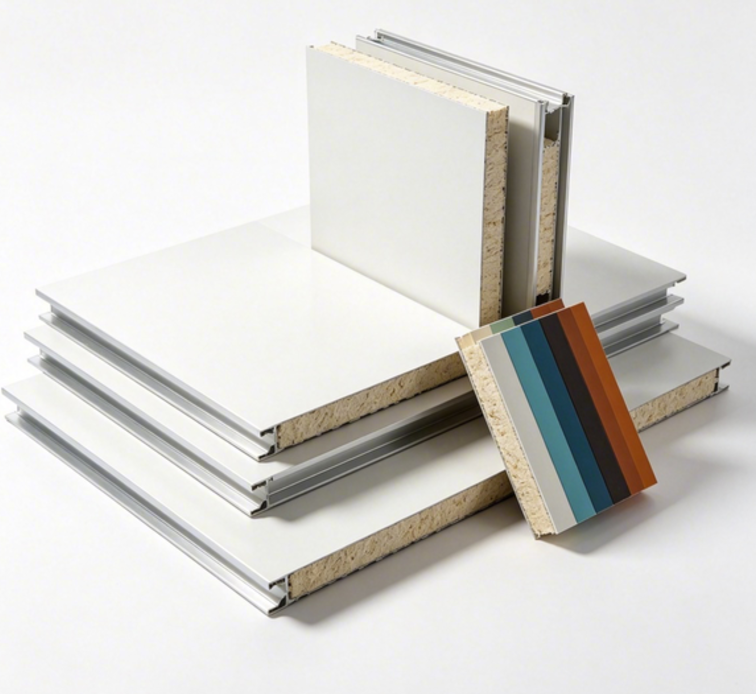
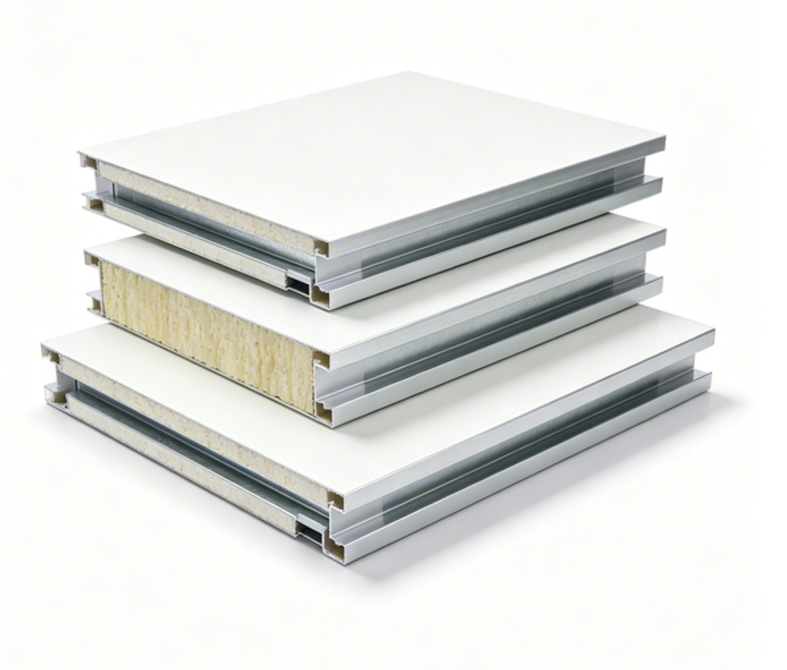
Clean rooms are vital environments for industries that demand high standards of cleanliness. From pharmaceuticals to electronics, these controlled spaces rely on every component performing as expected. Among these components, clean room panels play a crucial role. They act as barriers, maintaining the integrity of the controlled environment. However, the efficiency of these panels is not permanent. Over time, wear, dust accumulation, and environmental factors can affect their performance. Regular maintenance of clean room panels ensures the space remains effective, safe, and compliant.
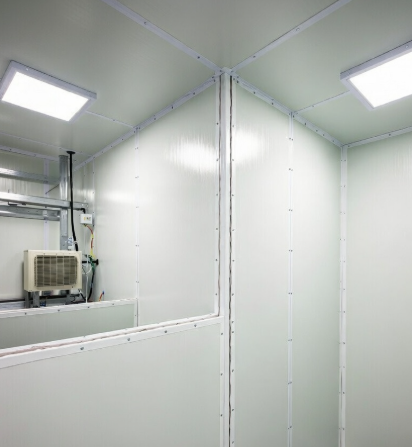
Maintaining clean room panels is not just about aesthetics. Panels that are poorly maintained can compromise the controlled environment. Contaminants may enter, airflows can be disrupted, and the overall cleanliness standards can drop. This affects not only production but also product quality and regulatory compliance. Proper maintenance protects the investment in infrastructure while safeguarding operations.
Content
- 1 How to prevent pollution?
- 2 How to extend the lifespan of the panel?
- 3 How to maintain airflow efficiency?
- 4 How to ensure compliance with standards?
- 5 How to reduce security risks?
- 6 How to perform regular maintenance?
- 7 What factors are considered in environmental assessments?
- 8 What does cost-effectiveness look like?
How to prevent pollution?
One of the immediate reasons to maintain clean room panels is contamination control. Panels can collect dust, airborne particles, and residues from cleaning agents or production processes. Even invisible layers of dust can create zones where contamination accumulates. Regular inspection and cleaning reduce these risks.
| Potential Contaminants | Source | Maintenance Action |
|---|---|---|
| Dust particles | External air, personnel movement | Wipe panels with approved cleaning solution |
| Residual cleaning chemicals | Previous cleaning cycles | Rinse and dry panels thoroughly |
| Microbial growth | Humidity, water leaks | Inspect for discoloration or damp spots |
Consistent panel maintenance ensures that the clean room environment stays within required cleanliness levels. This is particularly important in sensitive operations where even minor contamination can to defective products or health risks.
How to extend the lifespan of the panel?
Clean room panels involve a considerable capital outlay for any operation that relies on precise environmental control. Inadequate or irregular maintenance causes them to break down prematurely, resulting in frequent and unnecessarily high costs for complete replacement.
Primary factors that speed up panel degradation are:
- Prolonged or frequent exposure to moisture or humidity
- Buildup of chemical residues left behind by cleaning solutions, disinfectants, or production processes
- Cleaning techniques that rely on abrasive materials, rough pads, aggressive scrubbing, or chemically incompatible products
The reliable strategy for safeguarding this investment and extending panel service life is to implement a structured, recurring maintenance schedule.
Essential routine maintenance steps include:
- Detailed examination of seals, gaskets, and all joint areas for evidence of cracking, compression set, separation, brittleness, or material failure
- Systematic inspection of panel surfaces, corners, and edges to identify scratches, abrasions, dents, bowing, discoloration, peeling, or any other form of visible or tactile damage
- Application of protective products—such as approved seal conditioners, surface protectants, or specialized coatings—only as directed by the panel manufacturer
Conducting these checks at consistent intervals enables early detection and prompt correction of small issues. This prevents minor flaws from escalating into widespread structural compromise, extensive repair requirements, or total panel replacement. The result is minimized production downtime, fewer unplanned interruptions, and substantially lower overall maintenance and replacement expenditures.
How to maintain airflow efficiency?
Clean room airflow is precisely engineered to reduce contamination hazards, ensure even temperature control, and sustain the necessary pressure gradients across zones. Wall and ceiling panels serve as essential elements in this setup—they establish the physical envelope that guides, channels, and contains the designed air paths, whether laminar unidirectional flow from ceiling to floor or controlled non-unidirectional patterns.
Even minor panel issues—such as misalignment between sections, warping or bowing of surfaces, physical dents or impacts, loose fastening, or gaps at seams and joints—can compromise airflow integrity. These deviations introduce turbulence, stagnant pockets (dead zones), unintended air shortcuts, or leakage that distort the intended flow uniformity and velocity.
Such airflow irregularities are frequently subtle and go unnoticed during day-to-day monitoring or visual checks. Over time, however, they foster persistent problems: localized areas where particles accumulate more readily (contamination hotspots), inconsistent particle sweep-away efficiency, fluctuating pressure differentials, or uneven environmental conditions that jeopardize product purity, process consistency, or adherence to cleanliness standards and regulations.
Regular, practical inspections—verifying panel alignment and flushness, confirming flatness across surfaces, ensuring all fasteners and connections remain tight and secure, and looking for any evidence of damage, shifting, or wear—enable early spotting of these concerns. Prompt correction of small anomalies preserves the original airflow performance, prevents minor irregularities from growing into systemic deficiencies, and maintains dependable, long-term cleanroom functionality with minimal need for extensive rework or shutdowns.
| Airflow Issue | Potential Cause | Inspection Method |
|---|---|---|
| Reduced efficiency | Panel gaps, warping | Visual inspection and airflow measurement |
| Local turbulence | Uneven panels | Adjust panels, check alignment |
| Pressure imbalance | Seal failure | Monitor differential pressure readings |
How to ensure compliance with standards?
Clean rooms are subject to strict regulatory and industry standards. Panels that are damaged, dirty, or improperly maintained can put compliance at risk. Regular maintenance supports adherence to these standards by keeping the environment within acceptable parameters.
Inspection logs, cleaning records, and panel maintenance schedules are often required during audits. Without consistent maintenance, organizations risk failing inspections, which can affect certifications or to operational delays.
| Compliance Aspect | Maintenance Requirement | Frequency |
|---|---|---|
| Surface cleanliness | Wipe panels with approved solutions | Weekly or as specified |
| Seal integrity | Check for gaps or looseness | Monthly |
| Panel alignment | Verify proper positioning | Quarterly |
Documentation is as important as physical maintenance, creating a clear record of ongoing care.
How to reduce security risks?
Damaged clean room panels create genuine safety dangers alongside contamination problems. Panels that loosen, crack, or lose structural strength can suddenly come loose, drop, or collapse—putting workers at immediate risk of injury from falling material. Even small breaches or separations can open pathways for dust, debris, insects, or other unwanted particles to enter the controlled area, which can ruin product batches, trigger quality failures, or force process shutdowns.
Regular inspections are the way to detect these threats before they become emergencies. Focus on these specific signs during every check:
- Loose, absent, or sticking-out fasteners
- Growing or uneven gaps along joints, seams, and corners
- Any cracks, splits, fractures, or visible separation of layers (delamination)
- Dents, scuffs from impacts, bowing/flexing, or indicators of material fatigue
Fixing problems as soon as they're found stops accidents, avoids injuries, and prevents surprise production interruptions.
Everyone performing cleaning or maintenance work must strictly observe safety measures:
- Always use the correct PPE: gloves, safety glasses, respiratory protection when appropriate, and full non-shedding cleanroom attire
- Stick exclusively to cleaning chemicals, wipes, and tools that the panel manufacturer and facility have approved—no substitutes—to avoid degrading surfaces or leaving harmful residues
- Work safely: rely on sturdy ladders, rolling platforms, or lifts for high areas, and never apply heavy pressure or force to panels that already show weakness
Solid panel maintenance is about far more than appearance or cleanliness. It removes real physical risks, stops abrupt failures, and helps ensure the cleanroom remains a consistently safe and reliable place for every person working in it.
How to perform regular maintenance?
Maintenance can be divided into routine cleaning, inspections, and repairs. Each type serves a specific purpose in ensuring panel performance.
Routine Cleaning
Cleaning removes dust, residues, and minor stains. It should be performed with materials and solutions approved for clean room use. Frequency depends on the activity level in the room and the type of operations conducted.
Inspection
Inspections identify wear, misalignment, and seal degradation. They involve visual checks and, when necessary, measurement tools to confirm panel positioning.
Repairs
Minor repairs such as seal tightening, panel alignment, or surface treatment can prevent more significant issues. Panels showing structural weakness or persistent contamination may need replacement.
| Maintenance Type | Description | Suggested Interval |
|---|---|---|
| Routine Cleaning | Remove dust, residues | Weekly to monthly |
| Inspection | Check alignment, seals, surface | Monthly to quarterly |
| Minor Repairs | Tighten, adjust, surface care | As issues are found |
| Replacement | Panels beyond repair | As needed |
Integrating all maintenance types ensures panels remain effective throughout their lifespan.
What factors are considered in environmental assessments?
The local environment surrounding clean room panels strongly determines how quickly they age and lose performance. Critical factors that accelerate wear include:
- Persistent or variable high humidity
- Significant or abrupt temperature shifts
- Continuous or heavy exposure to cleaning chemicals, disinfectants, and sanitizing solutions
These elements can progressively attack panel surfaces, compromise edge seals, degrade internal core materials, or speed up overall material breakdown.
Effective maintenance must respond directly to the facility's actual conditions instead of relying on generic schedules. This means consistently tracking key environmental readings (humidity, temperature trends, chemical usage patterns) and modifying inspection cadence, cleaning procedures, or preventive treatments to offset the dominant stresses in that specific space.
Common environment-based adjustments in practice:
- Where humidity stays elevated, condensation forms regularly, or airflow is stagnant, perform more frequent detailed inspections to detect the hints of microbial activity, mold development, staining, or atypical surface changes
- In cleanrooms that depend on powerful disinfectants, caustic cleaners, or very frequent chemical applications, incorporate protective countermeasures—such as mandatory full rinsing, pH balancing rinses when needed, reduced chemical contact duration, or validated lower-strength substitutes—to curb residue accumulation and minimize long-term consequences like surface erosion, fading, cracking, or loss of flexibility
When maintenance practices are intentionally calibrated to the real environmental challenges present, the approach changes from damage repair after the fact to true prevention ahead of time. This site-tailored, observant strategy keeps panels in better condition for longer, postpones costly replacements, and greatly lowers the risk of sudden performance drops or emergency interventions.
What does cost-effectiveness look like?
While panel maintenance does require consistent allocation of time, people, and supplies, it remains one of the cost-effective practices a cleanroom facility can adopt.
Regular attention identifies minor issues—early seal degradation, surface micro-scratches, subtle misalignment, fastener loosening, or faint chemical etching—when corrections are simple, fast, and inexpensive. Early intervention prevents these from developing into far more expensive outcomes such as:
- Complete panel replacement campaigns involving major disassembly, material procurement, extended shutdowns, and re-certification
- Contamination events that trigger product rejection, batch disposal, quality investigations, regulatory documentation, or reputational damage
- Crisis repairs that demand premium pricing, overtime labor, expedited shipping, and unplanned production losses
Proactively preserving panel condition meaningfully lengthens their usable life, pushing major capital investments for new wall and ceiling systems further into the future. Dependable panels also help sustain steady manufacturing output, protect delivery timelines, and maintain quality standards without forced interruptions.
A well-executed scheduled maintenance program adds another layer of financial discipline. It replaces sporadic, high-magnitude emergency spending with smaller, predictable, recurring costs that are much easier to forecast, budget, and staff for accurately over time.
Regular maintenance of clean room panels is essential for operational efficiency, contamination control, compliance, and safety. Panels are not passive elements—they actively contribute to the environment's performance. Ignoring maintenance can to contamination, reduced airflow efficiency, regulatory challenges, and higher costs.By following structured maintenance routines, monitoring environmental factors, and documenting every action, organizations can ensure their clean rooms remain functional and reliable. Panels maintained through consistent care continue to support the integrity of controlled environments, safeguard personnel, and protect product quality.