English
 русский
 Español
In controlled environments, movement is often the overlooked source of risk. Materials move. Tools move. Products move. Every transfer carries the chance of disruption. That is where the pass through box plays its role. It allows items to move between spaces without opening the environment itself. The device appears simple, yet its performance depends on consistent care.
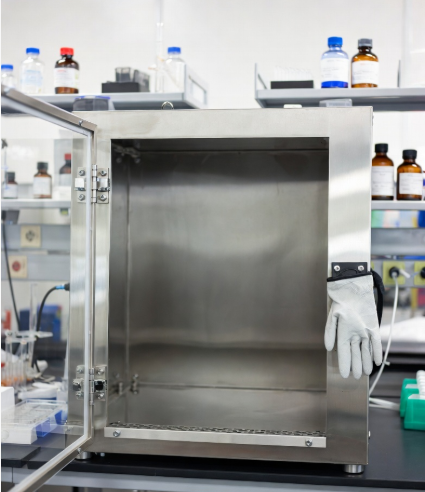
Maintenance is not about fixing failure. It is about preventing drift. A box that looks fine on the surface can slowly lose its function if small issues are ignored. Doors may still close, surfaces may still shine, and yet the protective value can weaken. Industry discussions increasingly focus on maintenance because stable operations depend on predictability, not appearance.
Content
What role do transfer boxes play in daily operations?
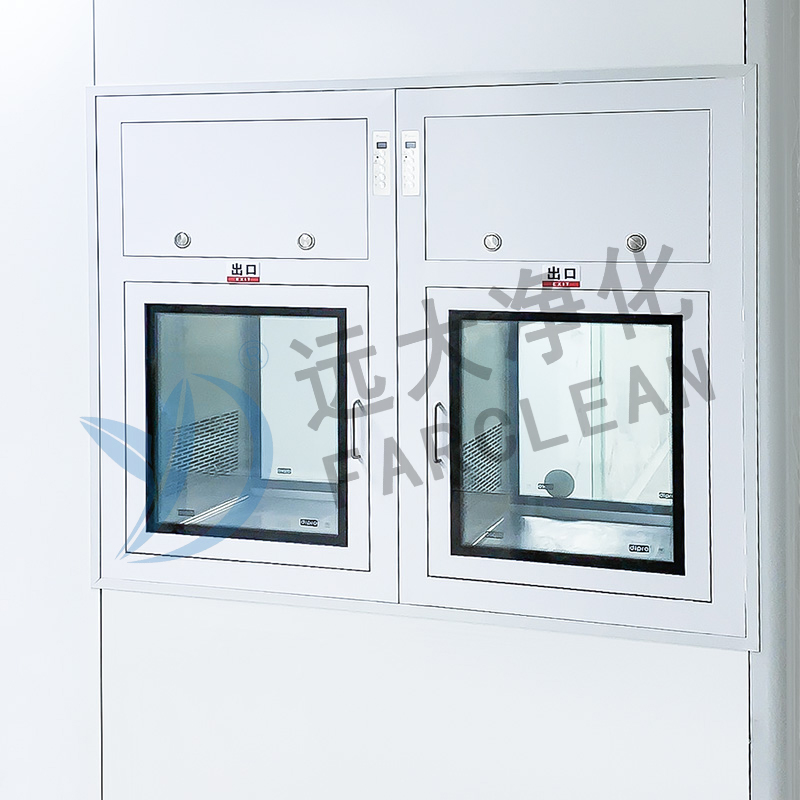
A pass-through box is positioned between areas of differing cleanliness or control classifications. It serves as an intentional buffer zone, allowing materials to move from one side to the other without ever directly connecting the two environments.
Items are introduced through one door, the door is closed, and then retrieved from the opposite side—maintaining strict separation at all times. This design helps preserve required levels of cleanliness, contamination control, and procedural discipline.
In daily use, the pass-through sees constant activity: doors are frequently opened and closed, interior and exterior surfaces are handled, items are placed inside, adjusted, or removed. These repeated interactions are unavoidable.
Over weeks and months, this regular contact produces cumulative wear—scratches, scuffs, loosened hardware, gasket compression, hinge fatigue, or subtle surface degradation. The box is not a passive piece of equipment; it is a high-touch interface.
Effective maintenance starts with accepting this reality: every use either supports the system's integrity (when handled and cared for properly) or quietly introduces incremental risk (when wear is overlooked or cleaning is inconsistent).
Why Maintenance Matters More Than It Appears?
When maintenance discussions arise, the spotlight typically falls on major equipment and large-scale systems. Smaller components like the pass-through box often receive less attention—yet this modest unit forms the critical bridge between zones of different control levels.
A seemingly small defect here—whether misalignment, gradual buildup on surfaces, subtle changes in door alignment or closure force, worn seals, or hinges that no longer feel crisp—can ripple outward. It quietly affects both sides of the boundary.
These minor deviations may appear insignificant at first. Over repeated cycles, however, they alter user behavior in subtle but meaningful ways: operators begin to hurry transfers, apply extra force to doors, bypass interlock protocols, or develop a general sense that the system is "off." Confidence erodes. Discipline weakens.
Consistent, proactive maintenance preserves the pass-through box's reliability and predictability. When the unit operates exactly as designed—smooth, consistent, with no surprises—it reinforces procedural adherence. That adherence, in turn, sustains overall operational stability and control.
1. Routine Surface Cleaning as a Foundation
Surface cleaning is the visible form of maintenance. It is also the misunderstood. Cleaning is not about making the box look clean. It is about removing invisible residue that builds up through contact.
Daily or regular wiping prevents accumulation. The focus should be on interior surfaces, door edges, handles, and corners. These are high-contact areas. Skipping them creates uneven cleanliness.
Cleaning should follow a consistent pattern. Random wiping leads to missed spots. A defined sequence helps ensure full coverage.
| Area | Common Contact Source | Cleaning Focus |
|---|---|---|
| Interior walls | Item placement | Even wiping |
| Door edges | Frequent handling | Careful edge cleaning |
| Handles | Hand contact | Thorough attention |
| Corners | Dust collection | Slow, deliberate wiping |
Surface care supports both hygiene and long-term material stability.
2. Door Operation Checks and Behavior Observation
Doors define the function of a box. If doors do not behave as expected, the entire purpose of the unit is weakened. Maintenance includes more than checking if a door opens or closes. It includes how it feels during use.
A door that closes too slowly, too quickly, or unevenly signals change. A door that sticks or makes sound is communicating early wear. These signs should be noted, not ignored.
Observation is a powerful maintenance tool. Staff who use the pass box daily are often the to notice subtle differences. Encouraging them to report changes supports early intervention.
| Door Behavior | Possible Cause | Maintenance Action |
|---|---|---|
| Uneven movement | Alignment shift | Adjust positioning |
| Increased resistance | Contact buildup | Clean and inspect |
| Loose closing | Wear over time | Schedule inspection |
Smooth, consistent door movement supports proper use habits.
3. Interlock Function Awareness
Pass-through boxes commonly include a door interlock system (also called controlled sequencing). Its core purpose is straightforward: to guarantee that only one door can be open at any given time, thereby protecting the integrity of the separation between the two zones.
Maintaining this interlock does not demand sophisticated tools or advanced technical skill. The emphasis lies on steady, ongoing attention rather than periodic major overhauls. Most interlocks are mechanically simple or use basic electronic logic, which means they tend to remain dependable for long periods—provided small issues are noticed and addressed early.
Everyone who uses the box should have a clear mental model of how it is supposed to behave:
- Open one door → the opposite door stays firmly locked.
- Fully close and latch the door → the second door becomes available.
Any departure from this pattern is meaningful: a door that pops open unexpectedly, one that won't release when it should, noticeable looseness, extra resistance, or a latch that feels sluggish. These are not trivial inconveniences to be tolerated—they are early indicators of wear, misalignment, contamination buildup, or component fatigue. Treat them as red flags that require immediate follow-up.
Routine confirmation of correct operation is quick and requires nothing beyond the user's hands and eyes. Perform intentional test cycles at regular intervals:
- Open Door A and immediately attempt to open Door B (it must remain locked).
- Close and latch Door A completely, then check that Door B now opens smoothly.
- Reverse the sequence with Door B first.
- Repeat the full cycle several times in a row.
Look for absolute consistency—no hesitation, no partial engagement, no intermittent failures. If the behavior is rock-solid across multiple repetitions, the interlock is still performing as designed.
Tiny irregularities—a latch that occasionally sticks, a slight delay before unlocking, a handle with developing play—may seem unimportant in a single instance. Over dozens or hundreds of uses, however, they erode the sense that the equipment can be trusted. When users start to doubt whether the interlock will behave predictably, they unconsciously adapt: they push harder, jiggle doors, or find workarounds. Those small changes in habit compound into larger risks to procedural control.
4. Interior Space Organization and Use Discipline
Maintenance of a pass-through box is not confined to inspecting or servicing its physical parts. The condition and longevity of the interior chamber depend heavily on how people actually load, place, and remove materials during everyday transfers.
Practices that cause accelerated interior damage include:
- overloading the available space,
- stacking items unevenly or too high,
- resting heavy or abrasive objects directly on unprotected surfaces,
- sliding or dragging trays, containers, or components across floors, shelves, or walls instead of lifting them clear.
These habits generate far more wear than the normal frequency of door openings and closings.
Implementing straightforward, clearly communicated interior handling rules is one of the powerful and cost-effective ways to protect the box and reduce future maintenance needs. Effective guidelines usually focus on just three core behaviors:
- Place items thoughtfully — center loads away from walls, door edges, gaskets, and corners.
- Maintain proper spacing — avoid crowding; leave breathing room so items cannot shift, tip, or press against each other or the structure during movement.
- Handle with care — always lift materials in and out cleanly; never drag, scrape, or force anything along surfaces.
When operators are regularly reminded of—and consistently apply—these principles, the interior remains smoother, cleaner, and less prone to damage. This directly lowers the frequency and severity of cleaning, polishing, or repair work required.
Interior degradation from misuse almost always appears gradually, giving early warning if someone is paying attention. Common visible clues include:
- straight-line scratches, gouges, or scuff patterns on floors and lower shelves,
- smear trails, sticky films, or discoloration streaks from unwrapped or leaking contents,
- patchy or concentrated abrasion marks, dents, or deformation caused by overloaded or poorly balanced loads.
These signs point to repeated user behavior, not to inherent weakness in the stainless steel, coatings, or construction materials.
| Observed Interior Condition | Most Likely Root Cause (Behavior) | Simple Preventive Correction |
|---|---|---|
| Linear scratches / scuffs | Items dragged or slid across surfaces | Train and enforce "lift and place only" rule |
| Residue streaks / buildup | Materials transferred without proper containment | Mandate full wrapping, bagging, or tray use before entry |
| Crowding damage / uneven wear | Overloading or rushed, haphazard placement | Set and enforce clear load and spacing limits |
By treating interior condition as partly a behavior-maintenance issue rather than purely a hardware-maintenance issue, much progressive deterioration can be prevented at the source. A consistently well-used interior stays functional longer, supports cleaner and more reliable transfers, and helps preserve the confidence and discipline that the entire pass-through system is meant to uphold.
5. Cleaning Agent Consistency and Compatibility
Cleaning genuinely supports maintenance only when it is done consistently and properly. Changing cleaning products without careful thought almost always creates fresh problems. Typical consequences include:
- residue that gradually builds up
- surfaces losing their shine or looking cloudy
- inconsistent appearance (streaks, patches, dull spots)
Strength of the cleaner matters far less than consistency. Sticking to the same suitable products and techniques produces results you can count on. Constantly switching agents brings in unpredictable side effects that usually hurt surfaces in the long run.
Training cleaning personnel is a core part of effective maintenance. When the team understands why it's important to avoid random product changes and to follow proven methods, the standard of cleaning rises noticeably.
| Cleaning Practice | Risk if You Ignore It | Impact on Long-Term Maintenance |
|---|---|---|
| Sticking to the same agent | Residue accumulation | Steady worsening buildup |
| Thorough, correct wiping | Uneven or skipped areas | Visible streaks and missed spots |
| Proper drying after cleaning | Water marks / lingering moisture | Quicker surface wear and damage |
7. Scheduled Visual Inspections
Visual inspection is a low-effort, high-value maintenance step. It requires no tools and little time. Regular inspection creates familiarity with normal condition.
When staff know what "normal" looks like, change becomes obvious. This awareness reduces response time.
Inspection should follow a simple checklist. Overly complex lists discourage use. Short, repeatable checks work best.
| Inspection Point | What to Look For |
|---|---|
| Door alignment | Even closure |
| Interior surface | New marks |
| Edges | Clean contact |
| Handles | Secure attachment |
Routine inspection keeps maintenance proactive.
The pass through box remains effective not because it is complex, but because it is cared for. Maintenance is the quiet work that keeps movement controlled, spaces separated, and routines reliable.