English
 русский
 Español
Clean rooms are built around control. Airflow, surface contact, and human movement are all shaped to reduce unwanted particles. Within this environment, partitions define space without breaking that control. They separate areas, guide workflows, and support consistent conditions across zones.
Material choice plays a central role in how these partitions perform. It influences not only appearance but also how surfaces respond to cleaning, pressure changes, and daily use. As industries continue to refine production environments, the discussion around partition materials has become more detailed and practical.
Content
- 1 Why Do Materials Matter in Clean Room Partitions?
- 2 What Are the Common Panel Materials Used?
- 3 How Is Glass Used in Clean Room Partitions?
- 4 What Role Do Frames and Structural Supports Play?
- 5 Are Sealing Materials Important in Partition Systems?
- 6 How Do Surface Finishes Influence Performance?
- 7 What About Doors and Access Points?
- 8 How Do Different Materials Compare?
- 9 How Does Material Choice Affect Workflow?
- 10 What Should Be Considered When Selecting Materials?
- 11 How Are Material Trends Evolving in Clean Room Design?
Why Do Materials Matter in Clean Room Partitions?
A partition in a clean room is far more than a simple wall that divides one space from another. Once installed, it becomes an active part of the tightly controlled environment. Every surface of the partition constantly interacts with the filtered air, the sensitive equipment inside the room, and the people moving through the space each day. Because of this, two materials that appear very similar can actually behave quite differently once they are put into real use under these demanding conditions.
Smoothness is one of the important qualities to consider. Surfaces that resist attracting and holding dust and particles are significantly easier to keep clean. They allow cleaning crews to wipe them down efficiently and completely, without leaving behind residue, streaks, or any damage to the finish. Materials that maintain their smooth structure over many years also help preserve the overall integrity of the clean room by preventing small imperfections from developing that could eventually impact air quality or cleanliness standards.
Another critical factor is how well the materials stand up to everyday wear and tear. Doors are constantly opening and closing, equipment is moved around nearby, and surfaces are cleaned on a regular basis. The right material must remain strong and stable despite all this repeated activity. It should resist scratching, warping, or breaking down so the partitions do not require frequent repairs or replacements. Frequent fixes can interrupt normal operations and potentially introduce new risks into the controlled environment.
Ultimately, selecting the right materials for partitions goes well beyond appearance. It's about ensuring the walls support easier day-to-day maintenance, deliver reliable long-term performance, and help uphold the strict cleanliness levels that the clean room is meant to protect.
What Are the Common Panel Materials Used?
Partition panels form the visible body of the system. Several materials are used, each offering a different balance between durability, maintenance, and appearance.
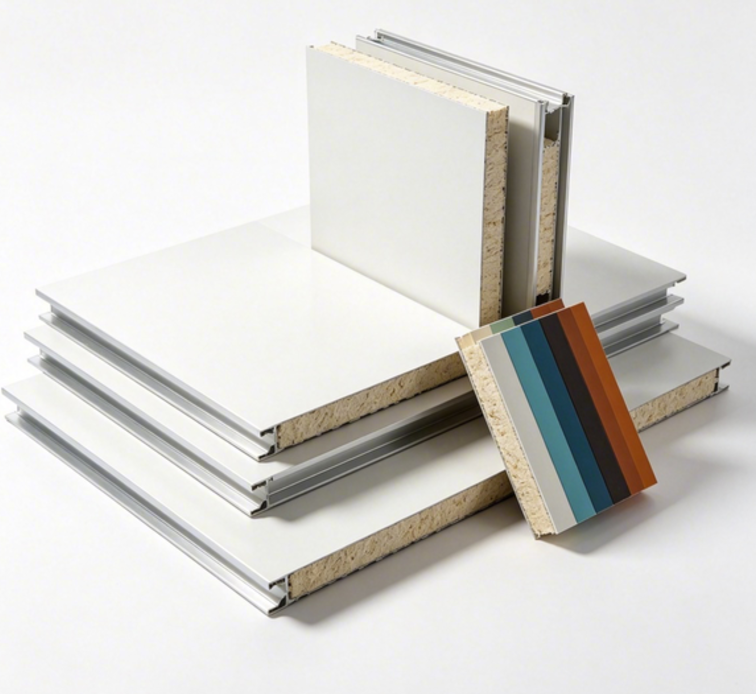
Metal panels are widely seen. They provide a solid surface that can handle regular cleaning. Their finish can be treated to create a smooth outer layer. This helps reduce the chance of particles settling.
Composite panels are also common. These are built from layered materials, combining structural support with surface stability. They often offer a balance between strength and weight, making them easier to install while still maintaining a firm structure.
Polymer-based panels are another option. They are valued for their resistance to moisture and ease of cleaning. In environments where exposure to humidity is frequent, this type of material can offer a practical solution.
Each panel type serves a purpose. The selection often depends on how the clean room will be used and how much wear the partitions are expected to handle.
How Is Glass Used in Clean Room Partitions?
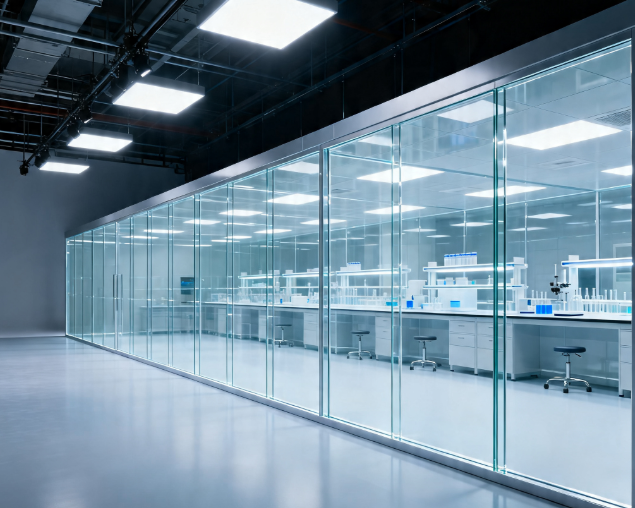
Glass plays a distinct role in clean room design. It allows visibility between areas without opening the space. This supports supervision and coordination while maintaining separation.
Clear panels are often integrated into partition systems. They can be framed within other materials or used as larger sections. The goal is to create a balance between openness and control.
Surface quality matters here as well. Glass used in clean rooms is typically designed to remain smooth and easy to clean. This helps maintain visibility while supporting hygiene standards.
In some designs, glass is used to bring in light. This can make the environment feel less enclosed. It also supports visual inspection without requiring movement between zones.
What Role Do Frames and Structural Supports Play?
Behind every partition panel in a clean room sits a strong, well-engineered framework that works quietly to hold the entire wall system in place. These structural supports, often made from metal or other tough, durable materials, act as the backbone of the walls. They supply the strength and rigidity needed to keep every panel perfectly straight, level, and secure, even when the room sees constant use and regular cleaning.
These frames go well beyond basic support, though. They must be thoughtfully designed and installed so they fit seamlessly with the clean room's overall layout and meet its strict performance demands. Each frame has to hold the panels firmly without leaving any gaps, seams, or uneven areas on the surface. Even a small misalignment can upset the room's carefully balanced airflow or pressure levels, which is why precision matters so much.
The spots where the panels join the frames are especially important. These connection points need to be extremely secure and built to last for the long term, while also staying smooth and straightforward enough for quick, thorough cleaning. Complicated joints, sharp corners, or overlapping edges can trap particles and dust in hard-to-reach places, slowly putting the clean, controlled environment at risk.
That's why a simpler, cleaner design usually works much better over time. Fewer exposed edges, smoother transitions between the panels and frames, and minimal tricky areas make the whole system far easier to maintain. Routine cleaning stays effective, and the chance of hidden contamination drops noticeably.
Even though frames and structural supports are rarely the visible part of a clean room, they play a very important role. They do more than just hold the walls up — they help protect the stability, cleanliness, and reliable performance of the entire controlled space for many years. A well-planned framing system works behind the scenes to keep everything functioning exactly as it should.
Are Sealing Materials Important in Partition Systems?
Sealing materials are often less visible, yet they play a crucial role. They fill the spaces between panels, frames, and other components. This helps prevent air leakage and particle movement between areas.
Flexible seals are commonly used. They adapt to slight shifts in structure without losing contact. This is important in environments where temperature or pressure changes may occur.
The surface of sealing materials should also be considered. It needs to remain stable during cleaning and not degrade easily. A compromised seal can affect the overall performance of the partition system.
Proper sealing supports the idea of containment. It ensures that each section of the clean room maintains its intended conditions.
How Do Surface Finishes Influence Performance?
The outer layer of a material often determines how it behaves in daily use. Surface finishes can affect how easily a partition can be cleaned and how it responds to contact.
Smooth finishes are generally preferred. They reduce the chance of particles sticking to the surface. This supports regular cleaning without requiring excessive effort.
Some finishes are designed to resist marks or staining. This helps maintain a consistent appearance over time. In environments where visual clarity is important, this can make a noticeable difference.
The choice of finish also interacts with lighting. Reflective surfaces can brighten the space, while matte finishes can reduce glare. The decision often depends on the balance between visibility and comfort.
What About Doors and Access Points?
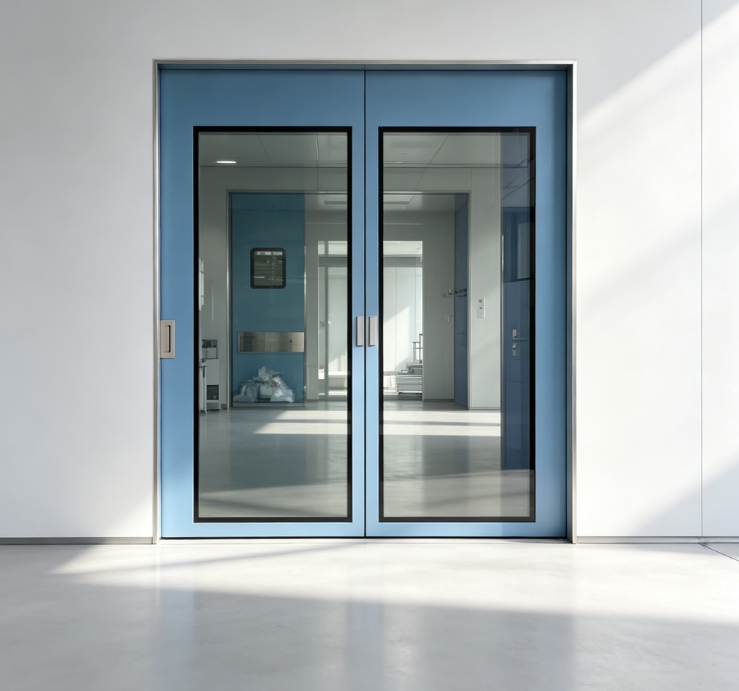
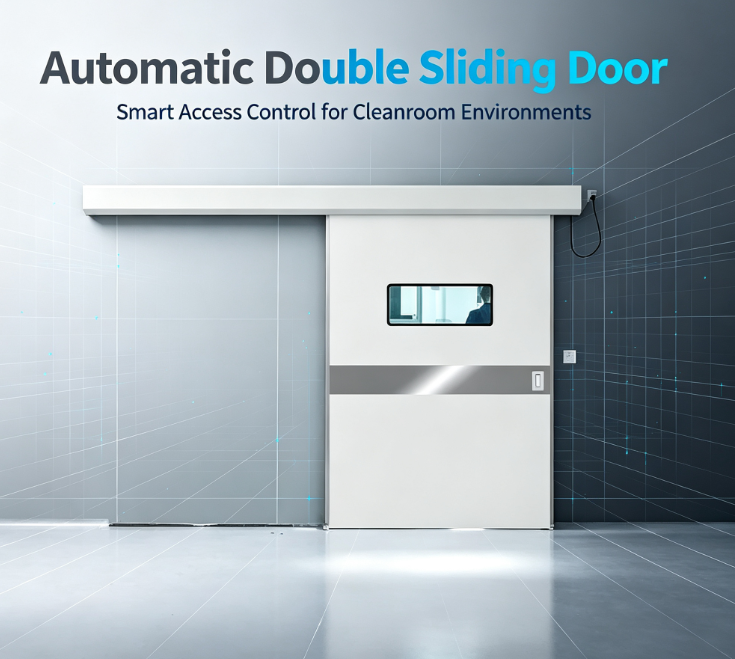
Partitions are not static walls. They include openings that allow movement between spaces. Doors and access points must align with the same material standards as the surrounding panels.
Door surfaces should be easy to clean and resistant to wear. Frequent use means they are exposed to more contact than other areas. Materials that handle this without visible damage are often preferred.
The edges of doors and their connection to frames require careful design. They should close securely while maintaining smooth contact. This helps prevent air exchange between zones.
Transparent sections are sometimes included in doors. This allows visibility without opening the door. It supports both safety and efficiency in daily operations.
How Do Different Materials Compare?
Choosing between materials often involves comparing their characteristics in a practical way. Below is a simplified overview:
| Material Type | Key Features | Common Considerations |
|---|---|---|
| Metal Panels | Solid, stable surface | Requires proper finishing |
| Composite Panels | Balanced strength and weight | Layer structure needs alignment |
| Polymer Panels | Moisture-resistant, easy to clean | Surface stability over time |
| Glass Sections | Transparent, supports visibility | Needs careful handling |
| Frame Materials | Structural support | Must fit tightly with panels |
| Sealing Components | Maintains separation between zones | Should remain flexible |
This comparison highlights how each material contributes to the overall system. No single material defines the partition. Instead, performance comes from how they work together.
How Does Material Choice Affect Workflow?
The layout of a clean room is closely linked to how people and materials move within it. Partition materials influence this movement by shaping visibility, access, and spatial organization.
Transparent sections can reduce unnecessary movement by allowing visual checks from a distance. This supports efficiency without increasing exposure between zones.
Durable surfaces reduce the need for frequent maintenance. This keeps workflows stable, as fewer interruptions are required for repairs or adjustments.
Materials that support easy cleaning also contribute to smoother operations. When surfaces can be maintained quickly, downtime is reduced. This allows activities to continue with minimal disruption.
What Should Be Considered When Selecting Materials?
Selecting materials for clean room partitions involves more than comparing features. It requires an understanding of how the space will function over time.
Several points often guide the decision:
1.Usage Conditions
Consider how often the space will be used and what kind of activity will take place. High-traffic areas may require more durable surfaces.
2.Cleaning Practices
Think about how frequently cleaning will occur and what methods will be used. Materials should remain stable under repeated cleaning.
3.Environmental Factors
Temperature, humidity, and airflow patterns can influence material performance. Choosing materials that align with these conditions supports long-term stability.
4.Design Integration
The appearance of the partition should match the overall layout. This includes color, transparency, and surface finish.
5.Maintenance Expectations
Materials that require less frequent repair can support continuous operation. This is often an important consideration in controlled environments.
These factors do not operate in isolation. They interact with each other, shaping how the partition system performs as a whole.
How Are Material Trends Evolving in Clean Room Design?
Material choices continue to evolve as industries refine their expectations. There is growing interest in solutions that balance durability with ease of use. Materials that simplify cleaning while maintaining structural integrity are often discussed.
Flexibility is another area of focus. Modular systems that allow adjustments without major reconstruction are becoming more common. This approach supports changing workflows without requiring a complete redesign.
Visual clarity also remains a priority. Transparent elements and clean surface finishes help create an environment that feels organized and accessible. This can influence both efficiency and user experience.
As these trends develop, the role of materials becomes more dynamic. They are not only part of the structure but also part of how the space is experienced and managed.