English
 русский
 Español
Construction materials have a significant impact on the environment. From energy use to waste generation, choices made during a project affect sustainability. Among modern options, PCGI sandwich panels are increasingly used for walls, roofs, and façades. They offer structural benefits, insulation, and ease of installation. Yet, their environmental profile is often discussed and questioned by designers, contractors, and facility managers.
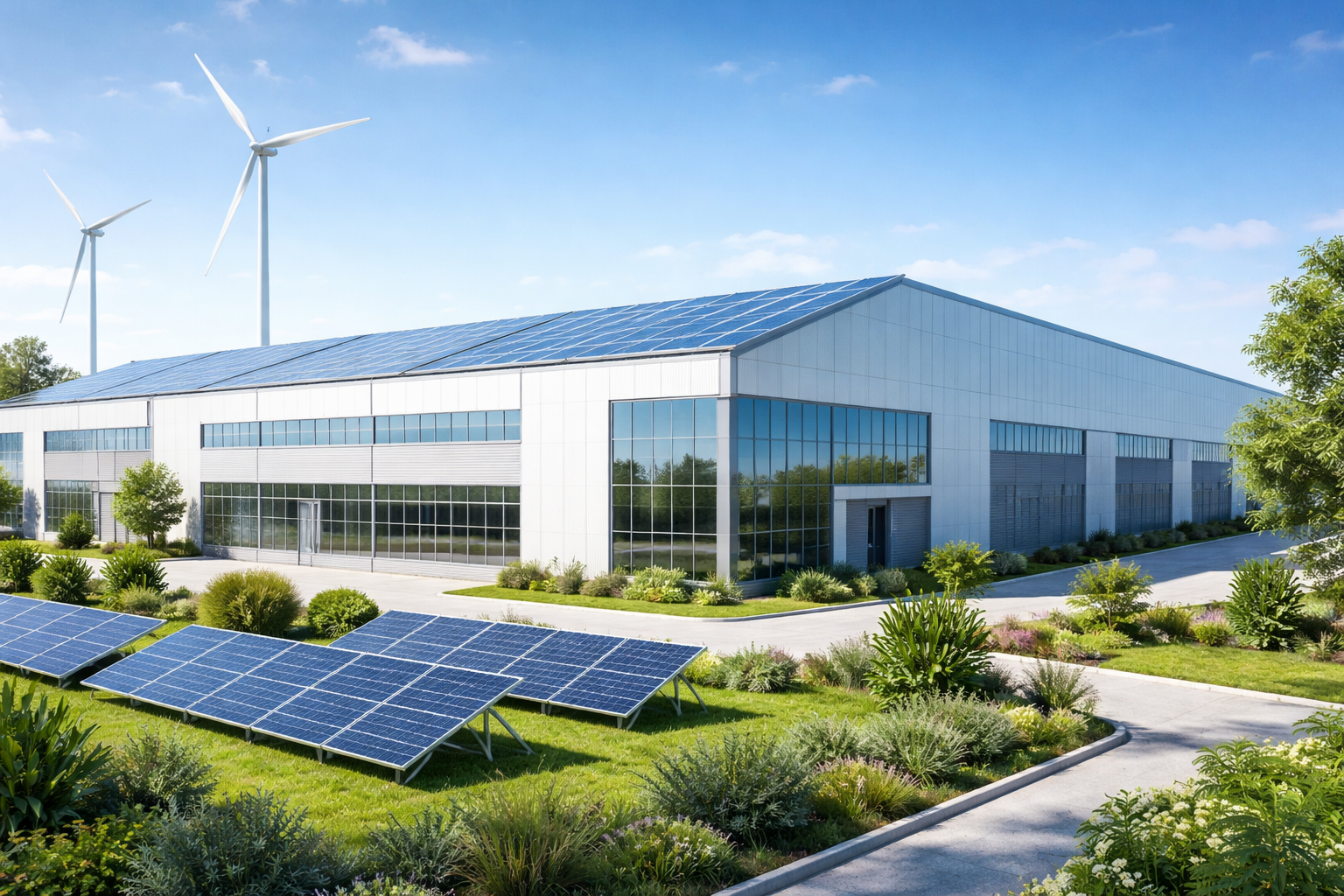
Understanding the environmental impact of PCGI panels requires looking at the entire lifecycle. This includes raw material sourcing, manufacturing, transportation, installation, usage, and disposal. Each stage interacts with energy use, emissions, and resource efficiency. Choosing materials responsibly can influence building performance, operational costs, and sustainability certifications.
Content
- 1 What Are PCGI Sandwich Panel Made Of?
- 2 How Does Manufacturing Affect Sustainability?
- 3 Can PCGI Sandwich Panels Improve Energy Efficiency in Buildings?
- 4 Are PCGI Sandwich Panels Recyclable?
- 5 How Does Transportation and Installation Influence Impact?
- 6 Do PCGI Sandwich Panels Support Sustainable Building Certifications?
- 7 How Do PCGI Sandwich Panels Compare With Traditional Materials?
- 8 What Should Be Considered When Evaluating Environmental Friendliness?
- 9 How Are Industry Trends Shaping PCGI Panel Use?
What Are PCGI Sandwich Panel Made Of?
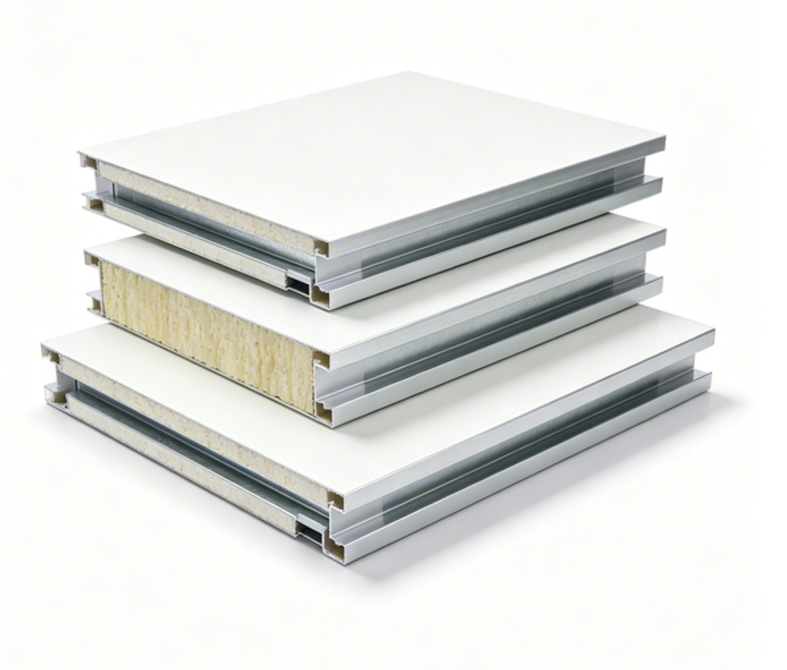
PCGI panels consist of layers that work together to provide strength and insulation. The outer layers are usually coated metal sheets, while the core can be composed of materials designed for insulation. This composition affects how the panel performs structurally and thermally.
The outer sheets are durable and resistant to corrosion. They provide protection from weather and environmental exposure. The core material contributes to thermal regulation and sound reduction. It also influences weight and ease of handling during construction.
The selection of materials impacts environmental performance. Lightweight cores reduce energy needed for transport and installation. Coated sheets can last longer, reducing the frequency of replacement and associated waste.
How Does Manufacturing Affect Sustainability?
The process of making sandwich panels goes through several stages. Raw materials have to be prepared, coated, and then carefully assembled into the final panels. Every one of these steps uses energy, and together they create part of the product's total environmental footprint.
Not all production methods are the same when it comes to efficiency. Some approaches use recycled metal or lower-impact coatings, which can help cut down on emissions. The way energy is handled and managed during manufacturing also has a real influence on how sustainable the finished panels end up being.
Assembling the core and the outer layers takes precision to make sure the panels stay strong and structurally sound. When materials can be shaped and put together efficiently with very little waste, it reduces the amount of resources consumed overall. Better production flow also tends to shorten times and lowers the energy needed for storing materials and completed panels.
Can PCGI Sandwich Panels Improve Energy Efficiency in Buildings?
How much energy a building uses while it's in normal operation is one of the largest parts of its environmental impact. PCGI panels are often chosen for their solid insulation performance. A building that is properly insulated simply doesn't need as much energy to keep it warm in winter or cool in summer.
These panels help maintain more stable indoor temperatures throughout the year. When temperatures stay consistent, heating and cooling systems don't have to work as hard, which directly reduces the building's day-to-day energy use. Over the full lifespan of the building, those savings can become quite significant.
The panels also combine good thermal resistance with a lightweight design, making construction faster and easier. Because they can be installed more quickly, less labor and heavy machinery are required on site. When the installation is done right, the panels deliver the performance they're meant to, helping the entire building run more efficiently from an energy standpoint.
Are PCGI Sandwich Panels Recyclable?
When judging how environmentally friendly something is, people often forget to consider what happens at the very end of its life. PCGI panels can be made with recyclability in mind. The metal sheets can typically be separated from the core material and sent back into standard metal recycling streams.
Not all core materials are equally easy to recycle. Selecting panels with cores that can be recycled helps keep more material out of landfills. In some cases, the cores can even be repurposed for other construction uses, giving the materials a longer and more useful life beyond their application.
This recycling potential strengthens the overall sustainability of the panels. It reduces the demand for new raw materials and lowers the environmental impact across multiple life cycles. Planning for easier disassembly when the building eventually comes to the end of its use also supports better resource efficiency for the future.
How Does Transportation and Installation Influence Impact?
Transport contributes to environmental impact through fuel use and emissions. PCGI panels are relatively lightweight, which can reduce energy consumption during delivery. Their modular size allows for efficient packing and minimal trips.
Installation efficiency is another factor. Panels that are easy to handle and align can reduce labor time and machinery energy. Fewer adjustments and less on-site cutting lower waste.
Sealing, joining, and fasteners should also be considered. Materials that integrate smoothly reduce the need for extra components or adhesives. Efficient design can support both environmental and economic goals.
Do PCGI Sandwich Panels Support Sustainable Building Certifications?
Sustainability certifications pay close attention to several key areas: where the materials come from, how they perform in terms of energy efficiency, and what options exist for them at the end of the building's life. PCGI panels can contribute positively to many of these requirements.
Their strong insulating performance, long-term durability, and recyclability align well with the main objectives of reducing energy consumption and minimizing waste. When project teams select panels that include clear, recognized environmental performance documentation, it often simplifies and strengthens the certification process.
Designers also look at factors such as the embodied carbon of the materials, the energy consumed during manufacturing, and how often maintenance will be required. Panels that need very little repair and continue to perform reliably for many years can provide meaningful support for a building's overall long-term sustainability.
How Do PCGI Sandwich Panels Compare With Traditional Materials?
Comparing sandwich panels with conventional building materials illustrates their environmental impact. Below is a general overview:
| Material Type | Key Features | Environmental Considerations |
|---|---|---|
| PCGI Sandwich Panels | Lightweight, insulated, durable | Recyclable outer sheets, energy-efficient |
| Concrete Panels | Strong, fire-resistant | High embodied energy, heavy transport |
| Brick or Masonry Walls | Durable, structural | High material and labor demand, slower construction |
| Timber Panels | Renewable, natural | Limited durability, may require treatment |
| Aluminum Composite Panels | Light, flexible | Energy-intensive production, recyclable |
Sandwich panels offer a practical balance of insulation, weight, and durability, along with several environmental advantages. While they still carry some impact, careful selection and proper installation can help reduce many of the drawbacks associated with traditional building materials.
What Should Be Considered When Evaluating Environmental Friendliness?
Assessing sustainability requires a comprehensive approach. Key considerations include:
1.Material Sourcing
- Are metals recycled or responsibly sourced?
- Is the core material low-impact or recyclable?
2.Manufacturing Process
- How energy-intensive is production?
- Are waste and emissions minimized?
3.Energy Performance
- Does the panel contribute to building insulation?
- Can it reduce operational energy use over time?
4.Transport and Installation
- Are panels lightweight and easy to handle?
- Does installation minimize waste and energy use?
5.End-of-Life Handling
- Can components be separated and recycled?
- Are there options for repurposing materials?
Considering all these aspects helps project teams choose panels that support environmental goals without sacrificing performance or practicality.
How Are Industry Trends Shaping PCGI Panel Use?
The construction industry is increasingly looking for materials that strike a good balance between strong performance and real sustainability. In response, manufacturers are focusing on developing coatings that create lower emissions, using more recycled content in the cores, and designing panels in ways that generate less waste during production and on the job site.
There is also a noticeable shift toward modular and lightweight systems. These are preferred because they speed up construction and improve overall efficiency during installation. Energy efficiency continues to be a top priority, so many panels are now being created to support passive building strategies that help reduce dependence on active heating and cooling systems.
Looking to the future, the emphasis is moving toward better integration — materials that deliver solid structural performance, good thermal qualities, and a smaller environmental impact all at once. PCGI sandwich panels are becoming an important part of this shift. They offer a practical solution that meets everyday operational needs while also responding to growing environmental expectations.