English
 русский
 Español
Clean rooms are specialized environments designed to control contamination, maintain precise conditions, and support high-quality production in industries such as pharmaceuticals, electronics, biotechnology, and food processing. While the physical design and filtration systems of a clean room are often the focus, the utilities that support these spaces—including air, water, power, and gas systems—play an equally crucial role. Regular maintenance of these utilities ensures clean room performance, safety, and compliance with industry standards.
Content
- 1 How to maintain smooth airflow and efficient operation of HVAC systems?
- 2 How to ensure the reliability of water and gas utilities?
- 3 What are the electrical system and backup facilities like?
- 4 How to prevent pollution through public utility maintenance?
- 5 How are temperature and humidity controlled?
- 6 How to record, store, and ensure compliance?
- 7 How to optimize energy efficiency?
- 8 How to extend the lifespan of equipment?
- 9 How to strengthen safety and risk management?
- 10 How to maintain cost-effectiveness?
- 11 Key Takeaways
How to maintain smooth airflow and efficient operation of HVAC systems?
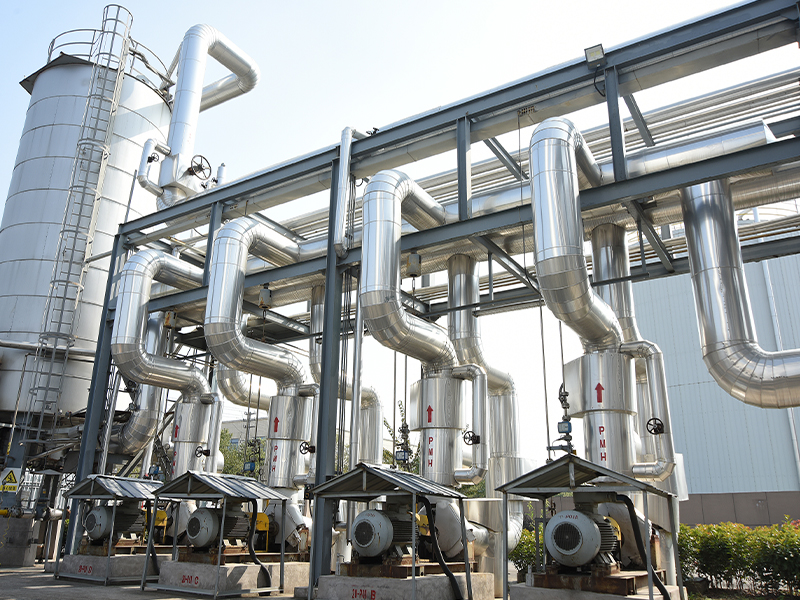
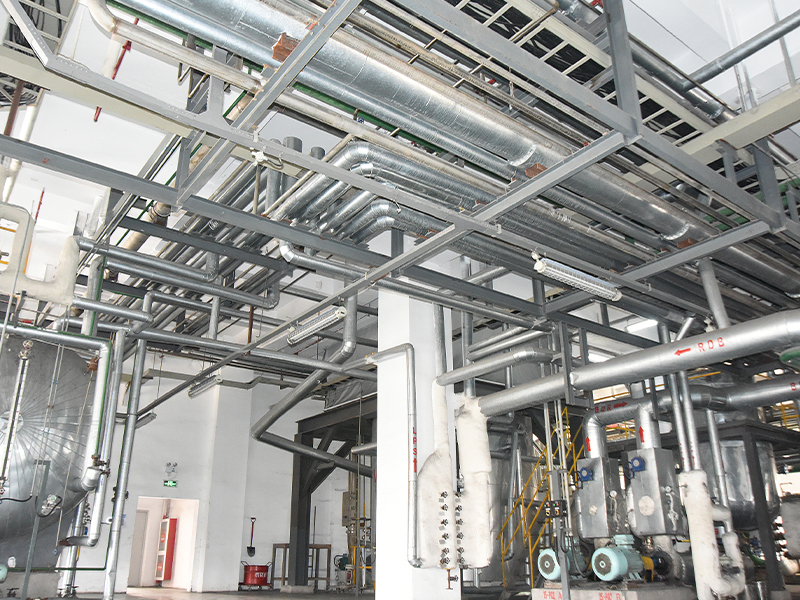
A primary utility in any clean room is the HVAC (heating, ventilation, and air conditioning) system. HVAC systems regulate temperature, humidity, and air cleanliness, which are vital for controlling contamination. Over time, dust, particulate matter, or wear on mechanical components can reduce airflow efficiency.
- Regular inspections ensure filters are replaced on schedule.
- Ducts and vents are checked for blockages or leaks.
- Mechanical components such as fans, pumps, and dampers are lubricated and tested.
Neglecting HVAC maintenance can to inconsistent airflow, temperature fluctuations, and an increased risk of contamination. Clean rooms with poorly maintained air systems may fail to meet cleanliness standards, affecting product quality and safety.
Common HVAC Maintenance Tasks and Benefits
| Task | Purpose | Impact on Clean Room |
|---|---|---|
| Filter replacement | Remove particulate buildup | Maintains air cleanliness |
| Duct inspection | Check for blockages/leaks | Ensures uniform airflow |
| Fan and pump maintenance | Reduce mechanical wear | Stable air pressure and flow |
| Humidity control calibration | Verify sensors and control systems | Maintains humidity levels |
How to ensure the reliability of water and gas utilities?
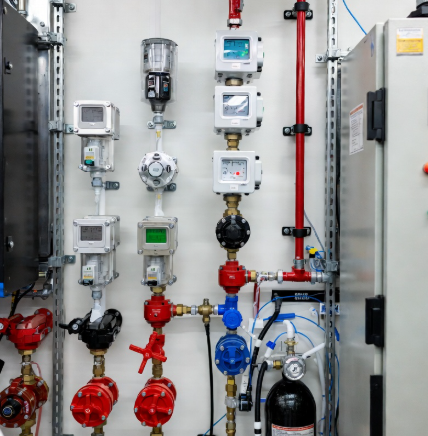
Clean rooms depend heavily on ultra-pure water and high-purity gases to carry out their sensitive manufacturing and research processes. Any lapse in the upkeep of these utility systems can introduce contamination, cause unstable pressure, or result in unexpected interruptions to supply.
- Routinely flushing and sterilizing the water distribution lines helps eliminate biofilm buildup and keeps bacterial contamination under control.
- Gas delivery lines, along with all associated valves and fittings, need consistent visual checks and testing to identify leaks, corrosion, or deviations in pressure.
- Actively tracking water and gas consumption patterns allows early detection of unusual changes that might signal a developing issue.
Proper and proactive care of these critical utilities minimizes the risk of expensive production stoppages and helps ensure a consistently reliable environment for precision-dependent operations.
What are the electrical system and backup facilities like?
Clean rooms require uninterrupted electrical power to sustain precise environmental conditions such as temperature, humidity, airflow, and particle counts. Even brief power interruptions can compromise product integrity, invalidate ongoing processes, or force full production stoppages.
- Periodic inspection of switchgear, distribution panels, circuit breakers, and wiring helps identify loose terminations, signs of arcing, corrosion, or insulation degradation before they become failure points.
- Backup power infrastructure—diesel generators, automatic transfer switches, and uninterruptible power supply (UPS) battery banks—must undergo routine load testing, fuel quality checks, and full-system simulations to verify reliable operation during an outage.
- Continuous monitoring of real-time and historical power usage patterns makes it possible to spot abnormal spikes, unexplained increases, or gradual drifts that can indicate emerging inefficiencies or impending equipment issues.
Diligent attention to the electrical supply chain greatly lowers the probability of unplanned downtime and helps maintain the stable, dependable conditions that clean room operations demand.
How to prevent pollution through public utility maintenance?
In a clean room, every utility system—whether it's the air handling, purified water supply, process gases, or exhaust—represents a potential pathway for contamination when maintenance falls behind. Small oversights, like a partially blocked HEPA filter, a slow-dripping valve, or stagnant water in a dead leg, can allow particles, viable microorganisms, volatile compounds, or trace chemical impurities to enter the controlled space.
- Thorough periodic cleaning and sanitization of water distribution networks and gas delivery lines eliminate biofilm, scale, and microbial reservoirs that would otherwise proliferate and release contaminants.
- Regular replacement, integrity testing, and differential pressure monitoring of air filtration stages (pre-filters through terminal HEPA/ULPA units) maintain the required level of particulate cleanliness and airflow patterns.
- Structured, documented inspection routines—covering visual checks, leak detection, pressure verification, and surface sampling—identify emerging issues long before they compromise product quality, process yields, or experimental validity.
Deliberate and consistent utility maintenance is a cornerstone of contamination control strategy, actively reducing risk rather than merely reacting to excursions.
How are temperature and humidity controlled?
Precise, continuous regulation of temperature and relative humidity forms the backbone of many clean room applications. Fluctuations—even within a few degrees or percentage points—can shift etch rates in semiconductor fabrication, induce stress in thin films, alter adhesive curing behavior, accelerate corrosion in electronics, or impair the stability and function of biologics, pharmaceuticals, and live-cell processes.
- The entire HVAC control system, from set-point adjustments through to final delivery at the room level, requires periodic calibration using traceable standards to guarantee that actual space conditions match the intended targets within the tight limits specified for the classification and process.
- Temperature probes, humidity sensors, and differential pressure transmitters—along with the controllers, data loggers, and building management interfaces they feed—are systematically tested for offset drift, hysteresis, long-term instability, or sensor failure through side-by-side comparison with certified instruments and review of long-term trending records.
- Mechanical components of the heating, cooling, and humidity control train (chilled-water valves, steam humidifiers, desiccant rotors, reheat banks, compressors, pumps, and drive motors) undergo routine condition-based inspections that include checking alignment, lubrication, refrigerant levels, heat-exchanger fouling, filter loading, damper operation, and unusual noise or vibration that could foreshadow reduced capacity or imminent breakdown.
Reliable, proactive stewardship of the environmental control systems ensures the unchanging microclimate that clean room users count on to deliver repeatable, high-integrity results day after day.
How to record, store, and ensure compliance?
Industries relying on clean rooms—such as semiconductor manufacturing, pharmaceutical production, biotechnology, medical device assembly, and aerospace—are governed by rigorous regulatory frameworks (FDA, EMA, ISO 14644, EU GMP Annex 1, USP, IEST, etc.) that demand demonstrable control over every aspect of the controlled environment, including utilities. Audits scrutinize not only current performance but also historical evidence that systems have consistently met specification limits.
- Detailed, timestamped maintenance logs capture every service event, calibration, repair, filter change, leak test result, or adjustment, creating an auditable trail that proves systems were maintained according to approved procedures and schedules.
- Comprehensive records of utility performance metrics—differential pressures, particle counts, temperature/humidity trends, water conductivity, gas purity certificates, power quality logs—serve as objective evidence during regulatory inspections, showing sustained compliance with critical process parameters and classification requirements.
- Adhering to a disciplined preventive maintenance calendar keeps all utility systems in a state of continuous readiness, so that auditors can verify at any time that equipment is properly serviced, qualified, and operating within validated ranges without last-minute remediation.
Beyond compliance, well-organized historical records reveal recurring issues, gradual degradation trends, or emerging failure modes (such as increasing differential pressure across a filter bank or rising TOC levels in ultrapure water), allowing facilities to replace components or upgrade infrastructure before they threaten product quality, batch rejection, or regulatory findings.
Systematic record-keeping and proactive utility maintenance together form a powerful defense against both immediate operational risks and the long-term scrutiny of regulatory bodies.
How to optimize energy efficiency?
Well-maintained utilities not only improve reliability but also reduce energy consumption.
- Clean filters and unobstructed ducts reduce HVAC load.
- Efficient pumps and fans consume less electricity.
- Early detection of leaks in water or gas systems prevents waste and unnecessary consumption.
Energy efficiency is both a cost-saving measure and an environmental benefit, supporting sustainability goals in modern facilities.
Energy and Resource Impact of Utility Maintenance
| Utility | Maintenance Action | Energy/Resource Impact |
|---|---|---|
| HVAC | Filter replacement, fan checks | Reduced electricity usage |
| Water | Pipe flushing, leak detection | Less water waste |
| Gas | Valve inspection, pressure calibration | Prevents gas loss |
| Electrical | Circuit inspection, UPS testing | Reliable and efficient energy use |
How to extend the lifespan of equipment?
Consistent, well-executed maintenance dramatically extends the operational life of clean room utility assets—from air handlers and filtration banks to pumps, ultrapure water generation trains, process gas regulators, chillers, boilers, and emergency generators—often pushing reliable performance years beyond manufacturer-stated service intervals or typical replacement cycles.
- Applying the correct lubricants at recommended intervals, along with frequent checks for proper alignment, belt condition, bearing temperature, and vibration levels, greatly retards the cumulative effects of friction, imbalance, and fatigue that erode mechanical components over time.
- Catching incipient faults early—whether a weeping gasket, a scored valve seat, minor cavitation in a pump, rising filter differential pressure, or subtle changes in motor current draw—allows targeted, low-cost corrections that avert chain-reaction failures, secondary damage, or complete system outages.
- Systems that are regularly serviced and tuned stay aligned with their original performance curves for far longer: airflow remains balanced, pressure stability holds tight, energy efficiency stays high, purity specifications are consistently met, and thermal transfer efficiency does not degrade as rapidly.
The result is a compelling triple benefit:
- Capital budgets are preserved by deferring large-scale replacements and avoiding rush purchases during breakdowns.
- Fewer discarded assemblies and components reduce the volume of industrial waste sent to landfills or recycling streams.
- Process-critical utilities deliver stable, predictable output over an extended period, directly supporting consistent product quality, higher throughput, and fewer deviations or batch losses.
How to strengthen safety and risk management?
In clean rooms, utility maintenance stands as a primary safety control. Left unchecked, failing utilities shift from background support to active hazards that can endanger lives, ruin products, and damage facilities in seconds.
- Escaping process gases—whether toxic (e.g., arsine, chlorine), flammable/pyrophoric (silane, hydrogen), or simple asphyxiants (nitrogen, argon)—can rapidly produce lethal concentrations, deflagration risks, or oxygen-starved zones. Water-system failures bring high-velocity jets, boiling DI water scalds, flooded control panels, shorted live circuits, or unintended release of process chemicals. Electrical degradation (arcing contacts, missing ground bonds, overloaded feeders, bypassed or worn protective devices) sets up workers for electric shock, catastrophic arc-flash events, or fire ignition amid sensitive electronics and solvent-handling areas.
- Consistent, scheduled maintenance keeps every engineered safeguard live and trustworthy: toxic and oxygen monitors respond at correct thresholds, emergency gas shut-off valves stroke and seal reliably, low-pressure or flow-loss alarms trip without delay, breakers and GFCIs interrupt faults as rated, HVAC interlocks cut airflow on hazard detection, emergency lighting and exit signs stay illuminated throughout outages, automatic transfer switches bring backup power online within seconds, and fire-suppression release circuits activate cleanly.
- When people can trust that utilities won't betray them, compliance becomes instinctive: lockout/tagout is performed thoroughly, confined-space entries follow every rule, hazard communication and PPE usage stay rigorous. This reliability directly supports conformance to OSHA 1910 Subpart S & 119, NFPA 70E arc-flash and electrical safety, SEMI S2/S8 equipment safeguards, applicable building and fire codes, and the organization's own EHS framework—while quietly reinforcing the alert, no-compromise safety culture that high-stakes clean rooms require.
How to maintain cost-effectiveness?
While maintenance requires time and resources, it prevents expensive failures.
- Repairs after major utility breakdowns are costlier than preventive maintenance.
- Regular maintenance avoids lost production and wasted materials.
- Investing in preventive programs ensures long-term savings.
Preventive Maintenance vs Reactive Maintenance Impact
| Maintenance Type | Cost | Risk of Downtime | Environmental Impact |
|---|---|---|---|
| Preventive | Moderate, planned | Low | Minimal waste |
| Reactive | High, emergency repairs | High | Potential resource waste |
Key Takeaways
Clean room utilities—HVAC, ultrapure water, process gases, and electrical power—each require frequent, structured inspection and deliberate upkeep to function as intended.
- Thorough maintenance guarantees steady, uniform airflow patterns, precise temperature stability, and tightly controlled humidity levels that meet process and classification demands without drift.
- Proactive servicing sharply reduces the likelihood of introducing contaminants (particles, microbes, chemical residues), eliminates unplanned outages, and prevents wasteful overcompensation in energy use from degraded components or inefficient operation.
- Complete, accurate records of every task—inspections, calibrations, part replacements, test results, deviations, and corrective actions—provide the audit-ready traceability that proves ongoing compliance with ISO 14644, GMP Annex 1, FDA 21 CFR, customer quality requirements, and internal SOPs.
- Pairing real-time smart monitoring (particle counters, differential pressure trends, temperature/humidity excursions, water TOC/resistivity alerts, gas purity deviations, power quality logs) with a well-executed schedule of preventive, condition-based, and predictive maintenance delivers peak efficiency, longest possible equipment life, uptime, and continuously verified safety protections.