English
 русский
 Español
In controlled environments, even a small disruption can compromise product quality or research integrity. Doors open. Air pressure shifts. People move between zones. Materials travel in and out. Each action carries risk. Clean environments are designed to reduce that risk, yet daily operations still demand the transfer of tools, samples, and components.
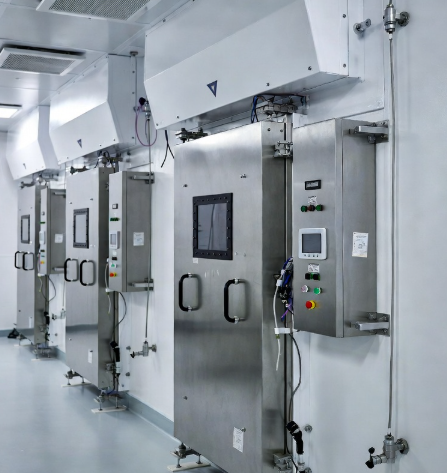
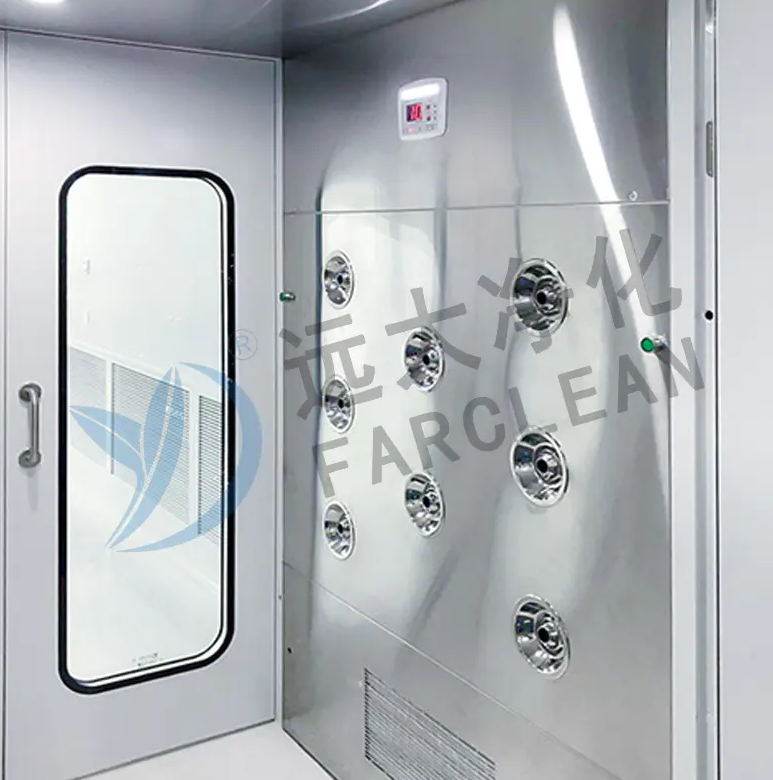
This is where pass-through boxes come into focus. Installed between two controlled areas, they create a physical barrier during material transfer. The goal is simple. Limit contamination while maintaining workflow. Their presence often reflects the sensitivity of the environment behind the wall.Not every clean space requires one. The need depends on process, exposure risk, and regulatory expectations. Understanding where they are essential begins with understanding the environments themselves.
Content
- 1 What Defines a Clean Environment?
- 2 Do Pharmaceutical Facilities Require Pass-through Boxes?
- 3 Are Biotechnology and Research Laboratories Dependent on Transfer Systems?
- 4 Why Are Pass-through Boxes Common in Electronics Manufacturing?
- 5 Do Food Processing Areas Need Controlled Transfer Points?
- 6 How Do Medical Device Manufacturing Facilities Benefit?
- 7 Are Hospitals and Healthcare Settings Using Pass-through Boxes?
- 8 What Role Do Pass-through Boxes Play in High-Containment Environments?
- 9 When Is a Pass-through Box Not Necessary?
What Defines a Clean Environment?
A clean environment controls airborne particles, microorganisms, or other contaminants. It may also regulate temperature, humidity, and pressure. These controls support product safety, research validity, or operational precision.
Clean environments often share these characteristics:
- Restricted personnel access.
- Controlled air circulation.
- Defined material flow routes.
- Clear separation between clean and less controlled zones.
Whenever materials must cross from one classification to another, contamination risk rises. A pass-through box acts as a transitional chamber. It prevents direct airflow exchange and reduces unnecessary door openings.
Core Elements of Controlled Environments
| Element | Purpose |
|---|---|
| Air filtration | Reduce airborne particles |
| Pressure control | Maintain directional airflow |
| Surface design | Support easy cleaning |
| Transfer systems | Protect material flow |
When material transfer is frequent, structured systems become necessary rather than optional.
Do Pharmaceutical Facilities Require Pass-through Boxes?
Pharmaceutical production relies on strict contamination control. Raw materials, packaging components, and tools move between preparation rooms, processing zones, and storage areas. Each transfer carries potential exposure.
In such facilities, boxes help:
- Maintain pressure differences between rooms.
- Limit human traffic across clean boundaries.
- Support hygienic handling of materials.
Sterile production areas are especially sensitive. Even non-sterile processes often demand separation between stages. A transfer chamber reduces the chance of airborne particles entering high-control areas.Pharmaceutical environments also value traceability and process discipline. A defined transfer point supports both. Materials follow a designated path rather than informal movement through corridors.
Are Biotechnology and Research Laboratories Dependent on Transfer Systems?
Laboratories handle biological samples, cultures, and sensitive instruments. The risk profile varies. Some labs focus on protecting samples from contamination. Others aim to protect personnel and the environment from exposure.
Boxes are often used in:
- Cell culture laboratories.
- Microbiology research spaces.
- Testing facilities handling sensitive compounds.
They create a controlled exchange point between preparation areas and experimental rooms. This separation supports workflow efficiency. Staff can retrieve or deliver materials without entering critical spaces.In high-containment research areas, transfer systems may also include decontamination steps. The design supports safety without disrupting experimental timelines.
Why Are Pass-through Boxes Common in Electronics Manufacturing?
Semiconductor and precision electronics production demand strict particle control. Microscopic contamination can affect component reliability. Even minor surface particles may to defects.
In such environments:
- Components move through multiple processing stages.
- Assembly occurs in controlled air conditions.
- Packaging areas may have different cleanliness levels.
Boxes reduce particle intrusion during material transfer. They help maintain stable airflow patterns. Instead of opening large doors, staff use compact transfer chambers.The result is improved environmental consistency. This consistency supports production yield and product reliability.
Do Food Processing Areas Need Controlled Transfer Points?
Food production environments vary widely. Some focus on packaging dry goods. Others handle ready-to-eat products with strict hygiene demands.
In higher hygiene zones, boxes support:
- Controlled transfer of packaging materials.
- Separation between raw and finished product areas.
- Reduced staff movement between zones.
The aim is not only product safety but also process discipline. A defined transfer chamber reinforces workflow structure. It helps maintain sanitation protocols without slowing operations.Food facilities that produce sensitive items often use designated transfer routes to minimize cross-contact risks.
How Do Medical Device Manufacturing Facilities Benefit?
Medical device production combines precision engineering with cleanliness requirements. Components must remain free from debris before assembly and packaging.
Boxes in these facilities:
- Protect partially assembled devices.
- Limit exposure during quality inspection.
- Support organized material logistics.
Manufacturing often occurs across multiple rooms. Each room may have different cleanliness classifications. A transfer chamber maintains separation while allowing efficient movement of parts.Surface cleanliness affects product performance and regulatory acceptance. Controlled transfer reduces variability in the environment.
Are Hospitals and Healthcare Settings Using Pass-through Boxes?
Healthcare facilities may not resemble industrial cleanrooms, yet certain zones demand strict hygiene control. Pharmacies preparing sterile compounds, surgical supply areas, and isolation wards operate under controlled conditions.
Boxes are commonly installed in:
- Sterile preparation rooms.
- Central supply departments.
- Isolation units requiring separation.
They reduce direct contact between corridors and controlled rooms. Staff can transfer supplies without entering restricted zones. This supports infection control strategies and operational efficiency.In healthcare settings, workflow continuity is vital. A structured transfer point reduces disruption during busy shifts.
What Role Do Pass-through Boxes Play in High-Containment Environments?
Some facilities handle hazardous substances. These may include research laboratories or specialized industrial sites. In such cases, the goal is dual protection. Prevent contamination from entering. Prevent hazardous materials from leaving.Transfer chambers in these settings often serve as containment barriers. They help maintain pressure gradients and prevent uncontrolled airflow.
Environments and Transfer Needs
| Environment Type | Primary Concern | Role of Pass-through Box |
|---|---|---|
| Pharmaceutical | Product sterility | Protect clean zones |
| Biotechnology | Sample integrity | Isolate research areas |
| Electronics | Particle control | Maintain air stability |
| Food processing | Hygiene separation | Reduce cross-contact |
| Medical devices | Surface cleanliness | Support clean assembly |
| Healthcare | Infection control | Limit corridor exposure |
| High-containment labs | Hazard isolation | Maintain containment barrier |
The structure may vary depending on the environment. The purpose remains consistent. Controlled material exchange.
When Is a Pass-through Box Not Necessary?
In certain cleanroom or controlled-environment setups, installing a pass-through box (transfer hatch or airlock chamber) may offer little practical benefit and could unnecessarily increase cost or complexity.
This typically applies when:
- Material transfers between zones or very low volume.
- Fully automated, sealed systems handle all movement without human intervention.
- Alternative methods (pre-sterilized single-use containers, closed-bag transfers, or remote delivery) keep contamination risk extremely low.
The decision usually hinges on these key considerations:
- How often materials move — Infrequent exchanges rarely justify dedicated hardware.
- How sensitive the process is — Low-risk operations can often rely on strict procedural controls (gowning protocols, surface wiping, staging areas) instead of physical barriers.
- How much risk the operation accepts — Conservative or heavily regulated facilities tend to include pass-throughs; lower-risk or tightly monitored ones may safely omit them.
Simple, low-interaction clean spaces—such as small labs, single-process areas, or isolated research setups—frequently maintain required cleanliness through operator discipline, environmental monitoring, and SOPs alone.
High-volume or multi-stage facilities (e.g., sterile compounding, advanced cell therapy, or semiconductor cleanrooms), however, almost always benefit from pass-through systems to minimize door openings, reduce personnel traffic, and protect critical zones.
Clean environments change over time. As output grows, new workflows are added, or research expands, material handling usually intensifies—often making pass-through boxes a logical evolution rather than an original necessity.
Choosing to include a pass-through box demonstrates a serious commitment to contamination prevention, smooth workflow, and stable environmental control. In many precision-driven or regulated fields, it's less about owning the equipment and more about enforcing careful, controlled transitions between classified areas.