English
 русский
 Español
In the ever-evolving construction industry, the search for materials that blend strength, efficiency, and affordability continues to grow. Polyphen Sandwich Panels have emerged as a popular solution for a variety of building applications. These panels, which consist of two rigid outer layers with an insulating foam core, are praised for their exceptional combination of durability, energy efficiency, and ease of installation. We explore the benefits that have made Sandwich Panels a go-to choice for construction professionals across various sectors.
Content
- 1 What Are Polyphen Sandwich Panels?
- 2 Why Are Polyphen Sandwich Panel Energy Efficient?
- 3 How Do Polyphen Sandwich Panels Contribute to Faster Construction?
- 4 Do Polyphen Sandwich Panels Provide Good Sound Insulation?
- 5 Are Polyphen Sandwich Panels Environmentally Friendly?
- 6 How Do Polyphen Sandwich Panels Provide Durability and Protection?
- 7 Are Polyphen Sandwich Panels Cost-Effective?
- 8 What Are the Design and Aesthetic Advantages of Polyphen Sandwich Panels?
- 9 Why Polyphen Sandwich Panels Are a Strong Choice for Modern Construction?
What Are Polyphen Sandwich Panels?
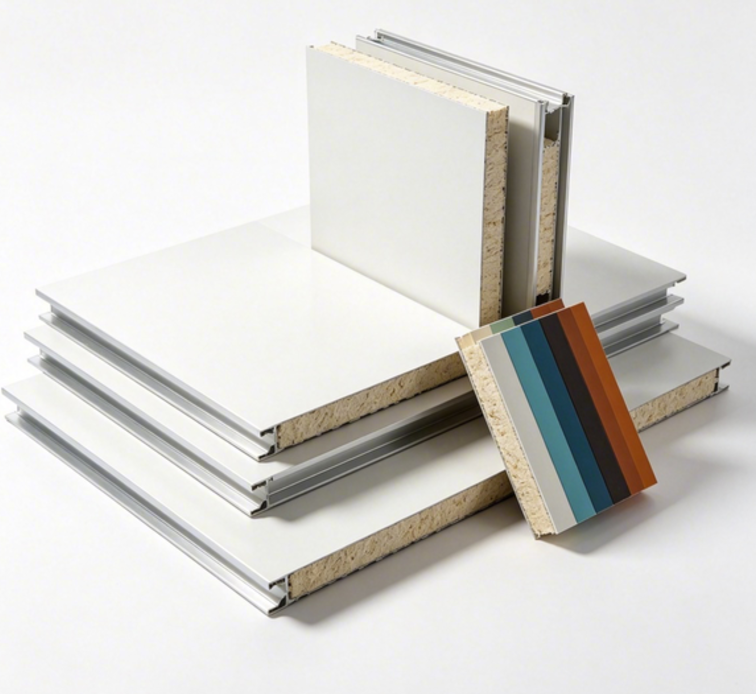
Panels consist of three layers: two sturdy outer sheets, usually made from metal or a comparable strong material, with a foam insulation core in between.
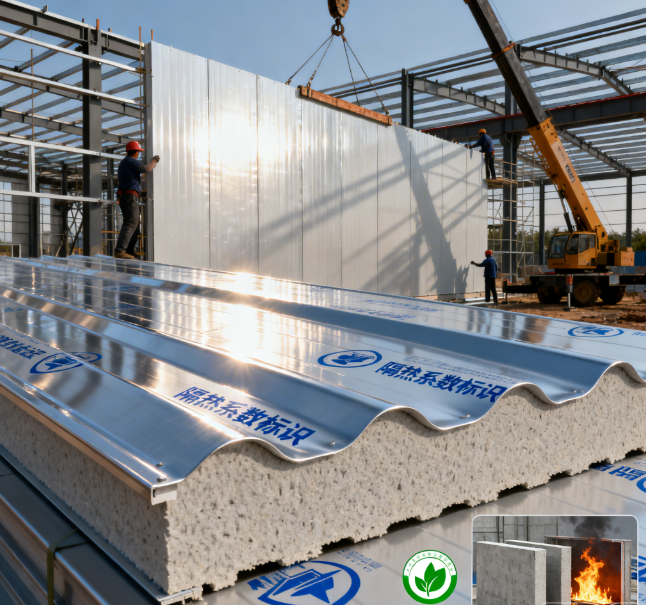
This sandwich-style construction makes the panels both strong and rigid, while also delivering effective insulation against temperature changes and sound. As a result, they are commonly used in a variety of building projects, from industrial warehouses and commercial structures to residential homes.
These panels are known for standing up well to challenging weather and environmental conditions. Their good thermal performance helps with energy efficiency, and because they are typically prefabricated, they can be transported to the site and installed relatively quickly. This helps shorten overall construction time and lower labor expenses.Sandwich Panels provide a reliable, practical option that combines durability, insulation, and cost-effectiveness for construction needs.
Key Characteristics of Polyphen Sandwich Panels
| Feature | Details |
|---|---|
| Structure | Multi-layer design (outer layers + foam core) |
| Typical Applications | Walls, roofs, facades |
| Material Composition | Metal, fiberglass, foam core |
| Insulation Properties | High thermal and acoustic insulation |
| Durability | Impact-resistant, corrosion-resistant |
| Sustainability | Recyclable materials |
Why Are Polyphen Sandwich Panel Energy Efficient?
Sandwich Panels have a strong reputation for being very energy efficient. The main reason is the foam core placed between the two solid outer sheets. This foam acts as a powerful insulator that stops heat from passing through the walls too easily. It keeps hot air from coming inside during warm weather and holds warmth inside when the outside temperatures fall in colder months.
Thanks to this effective insulation, buildings built with these panels maintain a more consistent indoor temperature with much less effort. That means heating systems don't need to work as hard or as often in winter, and cooling systems can run less during summer. Over time, this leads to a clear drop in overall energy use and noticeably lower utility bills for the building's occupants or owners.
The difference is especially clear in places with weather. In cold winter conditions, the panels help keep the heat trapped indoors, so people stay comfortable without constantly turning up the heat. In hot summer weather, they block much of the outside heat from entering, allowing indoor spaces to remain cooler even on the hottest days. This creates a more pleasant living or working environment while keeping energy costs in check.
Beyond the monthly savings, the good insulating performance also puts less stress on heating and cooling equipment. This can result in fewer repairs, lower maintenance expenses, and equipment that lasts longer. On a wider scale, the reduced energy consumption helps lessen the building's effect on the environment by cutting down on electricity and fuel use, along with the emissions that come with them.
For many builders and property owners focused on controlling long-term costs and ensuring comfortable indoor conditions, the energy efficiency of Sandwich Panels is a key reason for choosing them. They provide steady temperature control without the need for additional insulation layers or complex setups, offering a straightforward and effective option for a wide range of building projects.
Energy Efficiency Comparison
| Material Type | Heat Transfer Rate (lower is better) | Cooling Energy Consumption |
|---|---|---|
| Polyphen Sandwich Panels | Low | Reduced |
| Traditional Brick | High | Increased |
| Concrete Blocks | Medium | Moderate |
How Do Polyphen Sandwich Panels Contribute to Faster Construction?
In construction, saving time often means saving money. Sandwich Panels help projects move faster because they are made off-site in a factory according to the exact requirements of the building. When they arrive at the site, they are already complete and ready to install.
This approach removes the need for slow, traditional methods like bricklaying or pouring concrete on site. Instead, the panels can be quickly fixed into place with basic assembly. For large projects or jobs with tight deadlines, this makes a big difference. Builders face fewer delays from weather or other on-site problems, helping them finish on schedule.
The simple installation also means fewer workers are needed, which lowers labor costs. Overall, using these panels can make the whole project more efficient and cost-effective.
Do Polyphen Sandwich Panels Provide Good Sound Insulation?
Yes, Sandwich Panels offer strong sound insulation thanks to their foam core. The core absorbs and dampens sound effectively, reducing noise that comes from outside or travels between rooms inside the building.
This makes them especially useful for offices, hospitals, schools, and homes where quiet and privacy matter. The outer layers and foam core work together to block sound transmission, creating a more peaceful indoor environment. As cities get busier and louder, this feature is becoming more important for many types of buildings.
Are Polyphen Sandwich Panels Environmentally Friendly?
Sandwich Panels support greener construction in a few practical ways. Their insulation properties help buildings use less energy for heating and cooling, which lowers greenhouse gas emissions over time.
Many of these panels are also made with materials that can be recycled at the end of their life, such as the metal outer layers and the foam core. This reduces waste and the need for new raw materials.
For projects aiming to meet energy-efficient standards or reduce their environmental impact, these panels offer a useful combination of performance and sustainability.
How Do Polyphen Sandwich Panels Provide Durability and Protection?
Sandwich Panels are designed to be tough and long-lasting. The outer layers are typically made from galvanized steel or aluminum, giving them good resistance to rust, weather damage, and impacts. They hold up well even in difficult climates.
The panels are also resistant to moisture, which helps prevent mold and mildew. In many cases, the foam core adds extra protection against fire and certain chemicals. This makes them suitable for warehouses, industrial buildings, and other structures that face demanding conditions.
Because they are so durable, buildings constructed with these panels usually need less maintenance and fewer repairs over the years, keeping long-term costs down.
These features make Sandwich Panels a practical and efficient option for many different construction needs.
Are Polyphen Sandwich Panels Cost-Effective?
Cost-effectiveness stands out as one of the strongest reasons why so many builders and project developers turn to Sandwich Panels. The upfront cost depends on factors like the panel thickness, the type of outer materials, and the scale of the project, but the overall value usually becomes clear once construction begins and continues for years afterward.
The insulation built into these panels makes a real difference in everyday operating expenses. Buildings stay warmer in winter and cooler in summer with less effort, which means lower monthly bills for heating and cooling. Over time, these energy savings can add up to a substantial amount for the building owner.
Installation brings another clear advantage in terms of cost. Since the panels come prefabricated and ready to use, the on-site work goes much faster and requires fewer workers than traditional approaches such as laying bricks or pouring concrete. Shorter installation time directly translates into lower labor costs and helps keep the entire project on schedule, avoiding expensive delays.
Durability plays an important part as well. The panels are built to handle weather exposure, occasional impacts, and moisture without breaking down quickly. As a result, they need far less regular maintenance and fewer repairs compared with many conventional building materials. When you combine the savings from reduced energy use, shorter labor time, and lower long-term upkeep, Sandwich Panels often prove to be one of the more budget-friendly choices for both the initial construction phase and the years that follow.
What Are the Design and Aesthetic Advantages of Polyphen Sandwich Panels?
While performance and efficiency are critical, the final appearance of a building also has a major impact on its success and appeal. Sandwich Panels offer a wide selection of design options that give architects and builders the freedom to create the exact look they want without giving up on practical performance.
The panels are available in numerous colors, surface textures, and finishes. This range makes it possible to achieve a clean, modern appearance for office buildings and commercial spaces, or a tougher, more industrial style suitable for factories and warehouses. The outer layers can be treated with special coatings that allow for even greater variety, including surfaces that resemble natural stone, wood grain, or other materials. Because of this flexibility, the panels can either blend in naturally with their surroundings or serve as a bold design feature.
This broad choice of aesthetics helps ensure that the finished building looks cohesive and attractive while still meeting all the functional requirements. Architects appreciate the creative possibilities these panels provide, allowing them to focus on the overall vision rather than being limited by material constraints.
Why Polyphen Sandwich Panels Are a Strong Choice for Modern Construction?
Sandwich Panels bring together a collection of practical benefits that make them a dependable option for today's building projects. They deliver reliable energy efficiency, effective sound insulation, strong durability, and clear cost advantages that extend well beyond the construction phase. The speed of installation helps complete projects faster and keeps labor expenses in check, while their resistance to weather and daily wear means less time and money spent on maintenance later on.
Environmentally, the high insulation levels contribute to lower overall energy consumption once the building is in use, supporting efforts to create more efficient structures. Many of the materials in the panels can also be recycled at the end of their useful life, which helps reduce waste.
At the same time, the variety of available colors, textures, and finishes ensures the panels can satisfy both technical demands and visual expectations. As the construction industry keeps moving toward faster timelines, greater sustainability, and better overall value, Sandwich Panels align well with these priorities.
They work effectively across many different building types, from commercial offices and industrial facilities to warehouses and residential developments. In the end, these panels offer a well-rounded solution that balances speed of construction, long-term performance, environmental considerations, and attractive appearance — making them a sensible and versatile choice for a wide range of modern projects.