English
 русский
 Español
Clean rooms are highly controlled environments created to maintain extremely low levels of pollutants, including dust, airborne microbes, and chemical vapors. While air filtration is essential, the quality of water used within the facility plays an equally important role in keeping operations successful.
Water is involved in many critical activities inside a clean room, from cleaning equipment and tools to preparing products and supporting manufacturing steps. Even small traces of contamination in the water can damage product quality, compromise safety, or disrupt the entire controlled environment.
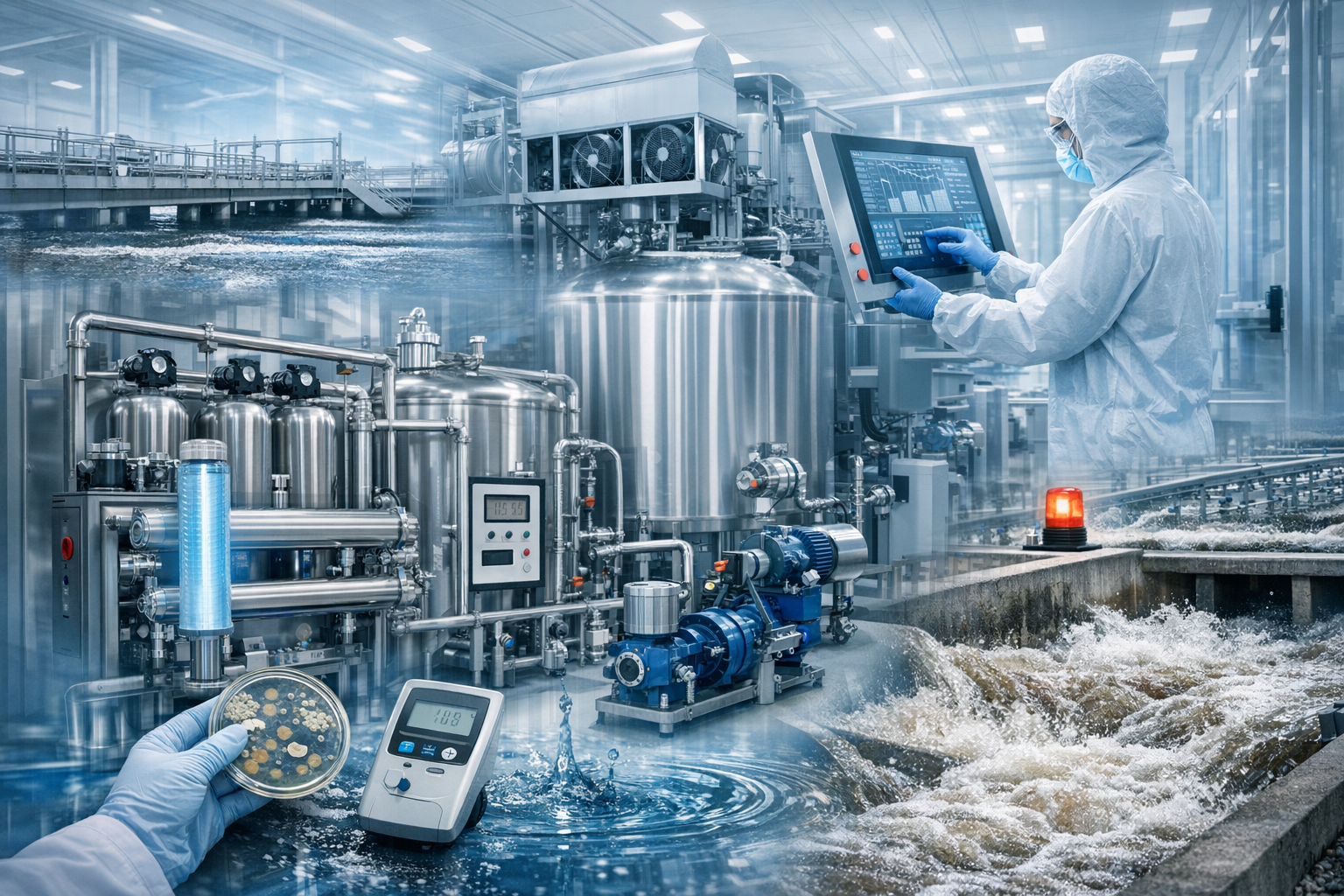
For this reason, proper water quality management is a vital part of clean room operations. The systems that supply clean, purified water must deliver consistent purity at all times. Meanwhile, wastewater handling systems must safely remove used water without any risk of contaminants flowing back into the clean area.
These water supply and waste management utilities are essential elements of the overall clean room infrastructure. They directly support production efficiency, help maintain strict compliance standards, and protect the integrity of the controlled space.
The main question is this: which specific systems and components are critical for providing clean, safe, and reliable water supply and wastewater handling in these sensitive environments?
Content
- 1 What Utilities for Clean Room are Essential for Water Supply?
- 2 What Utilities for Clean Room are Essential for Waste Management?
- 3 How Are Water Supply and Waste Management Integrated in Clean Rooms?
- 4 What Are Common Challenges in Clean Room Water and Waste Management, and How Can They Be Addressed?
- 5 What Is the Importance of Key Utilities in Clean Room Water and Waste Management?
What Utilities for Clean Room are Essential for Water Supply?
Water supply in a clean room must be tightly controlled, as even minor impurities can disrupt sensitive processes. Multiple utilities work together to ensure the water stays pure, consistent, and safe for use within the controlled environment.
Purified Water Systems
Purified water systems serve as the core of clean room water management. They rely on methods like deionized (DI) water and additional purification techniques to eliminate particles, ions, and organic compounds.
To maintain the necessary water quality, key parameters such as particle count, conductivity, and total organic carbon are regularly monitored. The required level of purification changes according to the clean room's classification, with higher-grade clean rooms needing much stricter standards.
A dependable purified water system prevents contamination from reaching critical processes and helps protect the overall quality and integrity of the products.
Key Points of Purified Water Systems:
- Types: Deionized (DI) water, purified water
- Monitoring: Particle count, conductivity, total organic carbon
- Adaptation: Depends on the clean room classification
| Feature | Purpose | Notes |
|---|---|---|
| Deionized Water | Remove ions | Used in equipment cleaning and product prep |
| Particle Monitoring | Control contamination | Critical for high-grade clean rooms |
| Total Organic Carbon | Detect organic contamination | Ensures water meets purity standards |
Water Storage and Distribution
Storage and distribution utilities are equally important for clean room water supply. Safe storage tanks and closed-loop circulation systems are used to maintain water quality over time. Distribution pipelines are carefully designed to prevent any secondary contamination, with special focus on the choice of materials, system layout, and flow rates. Regular cleaning and maintenance are essential to stop biofilm formation or deposits that could affect water purity.
Key Points of Storage and Distribution:
- Storage: Safe tanks, closed-loop circulation
- Pipeline design: Prevent secondary contamination
- Maintenance: Regular cleaning to maintain purity
| Component | Function | Notes |
|---|---|---|
| Storage Tanks | Hold purified water | Must be made of non-reactive materials |
| Circulation System | Maintain constant flow | Prevents stagnation and contamination |
| Pipeline | Deliver water throughout clean room | Designed to minimize contamination risk |
Water Filtration and Treatment Units
Filtration and treatment units help improve water quality even further in clean rooms. Reverse osmosis (RO) and ultrafiltration systems remove leftover particles and dissolved substances from the water. Microbial control measures, including ultraviolet (UV) lamps and fine filters, reduce the risk of bacterial growth. Continuous monitoring with sensors and alarm systems allows operators to detect any changes in water quality immediately.
Key Points of Filtration and Treatment:
- Filtration: Reverse osmosis (RO), ultrafiltration
- Microbial control: UV lamps, microfilters
- Monitoring: Sensors and alarms for real-time detection
| System | Function | Notes |
|---|---|---|
| RO & Ultrafiltration | Remove residual particles and ions | Ensures high purity water |
| UV Lamp & Microfilter | Control microbial growth | Protects against bacterial contamination |
| Sensors & Alarm | Monitor water quality | Alerts operators to irregularities |
What Utilities for Clean Room are Essential for Waste Management?
Waste management is a critical part of clean room operations. Proper handling of wastewater and other residues helps keep the controlled environment free from contamination. This protects both the ongoing processes and the quality of the final products. Several utilities must work together to maintain this level of control.
Wastewater Collection and Treatment
Wastewater collection systems are designed to safely gather the water used during clean room operations. Once collected, the wastewater is treated to remove chemicals, particles, and other pollutants. These systems are built to meet environmental regulations and ISO standards. This ensures compliance while reducing the risk of contamination.
Key Points of Wastewater Collection and Treatment:
- System design: Efficient collection and containment
- Treatment process: Removal of chemical and particulate contaminants
- Compliance: Meets environmental regulations and ISO standards
| Component | Function | Notes |
|---|---|---|
| Collection Tanks | Gather wastewater safely | Prevent leakage and spills |
| Treatment Process | Remove chemicals and particles | Ensure wastewater meets safety standards |
| Regulatory Compliance | Maintain ISO & environmental standards | Essential for safe operation |
Air and Liquid Waste Separation
Separating air waste from liquid waste plays a vital role in avoiding cross-contamination. The systems are specifically designed to manage gaseous emissions and liquid residues through completely separate channels.
By keeping these two waste streams independent, pollutants are prevented from re-entering clean areas, and the chances of microbial growth are greatly reduced.
Key Points of Air and Liquid Waste Separation:
- Independent handling of air and liquid waste
- Reduces the risk of cross-contamination
- Supports clean room safety and hygiene
| Component | Function | Notes |
|---|---|---|
| Air Filters | Capture airborne pollutants | Prevents recirculation into clean room |
| Liquid Separators | Manage liquid waste | Protects clean room surfaces and processes |
| Ventilation & Drainage | Ensure independent flows | Maintain clean room standards |
Monitoring and Safety Features
Monitoring systems supply real-time data on wastewater flow rates and quality levels. Built-in safety features such as overflow protection, backflow prevention, and emergency shutdown mechanisms work together to reduce the risk of accidents and contamination.
These capabilities allow operators to detect and address any irregularities promptly, helping preserve the integrity of the clean room environment.
Key Points of Monitoring and Safety Features:
- Real-time monitoring of flow and quality
- Overflow and backflow prevention
- Emergency alarms and shutdown mechanisms
| System | Function | Notes |
|---|---|---|
| Flow Sensors | Monitor wastewater movement | Ensures consistent handling |
| Quality Sensors | Detect contaminants | Triggers alerts if standards are exceeded |
| Safety Mechanisms | Prevent overflow and backflow | Protects clean room operations |
| Emergency Shutdown | Automatic system halt | Prevents accidents and contamination |
How Are Water Supply and Waste Management Integrated in Clean Rooms?
Integrating water supply and waste management plays a vital role in keeping clean rooms efficient and safe. This combined approach ensures that purified water reaches the areas where it is needed while wastewater is collected and treated properly, all with very little manual handling.
Automation and Centralized Control
Clean rooms today commonly use automated systems to monitor and manage both the incoming water supply and the wastewater treatment process. With centralized control, operators can view and manage everything from a single interface. This helps minimize human mistakes, keeps water quality steady, and allows for quick action when any problems appear.
Key Points of Automation and Centralized Control:
- Real-time monitoring of water supply and wastewater
- Automated adjustments to maintain quality standards
- Centralized management for better efficiency
| Feature | Function | Notes |
|---|---|---|
| Centralized Control Panel | Monitor and manage utilities | Integrates water supply and waste systems |
| Automation Sensors | Adjust flow and treatment | Maintains consistent water quality |
| Alerts & Notifications | Immediate response to issues | Reduces risk of contamination |
Efficient Water Circulation and Waste Treatment
Proper integration of water systems enables water to circulate smoothly throughout the clean room while wastewater is collected and treated right away. Circulation systems keep the water flowing continuously to stop it from becoming stagnant, and dedicated treatment units remove contaminants before the water is discharged or recycled.
This helps keep the environment stable and controlled, while also cutting down on unnecessary operational downtime.
Key Points of Efficient Circulation and Treatment:
- Continuous water flow to prevent stagnation
- Wastewater treated before discharge or reuse
- Supports consistent clean room conditions
| System | Function | Notes |
|---|---|---|
| Closed-Loop Circulation | Maintain continuous water flow | Prevents stagnation and contamination |
| Waste Treatment Unit | Remove contaminants from wastewater | Enables safe reuse or disposal |
| Flow Optimization | Reduce energy consumption | Improves overall system efficiency |
Sustainable Practices
Sustainability is an increasingly important focus in clean room operations. Practices like water recycling, energy-efficient pumps, and heat recovery systems help lower overall resource use. Recycling water after appropriate treatment not only saves water but also reduces the burden on wastewater treatment facilities.
Adopting these practices supports long-term operational efficiency and aligns with broader environmental objectives.
Key Points of Sustainable Practices:
- Water recycling and reuse
- Energy-efficient pumps and circulation systems
- Heat recovery and reduced resource consumption
| Practice | Function | Notes |
|---|---|---|
| Water Recycling | Reuse treated water | Reduces fresh water demand |
| Energy-Efficient Pumps | Minimize power use | Supports cost savings and sustainability |
| Heat Recovery | Capture and reuse energy | Reduces overall facility energy footprint |
What Are Common Challenges in Clean Room Water and Waste Management, and How Can They Be Addressed?
Even with advanced systems in place, clean room water and waste management can face several challenges that impact water quality and overall system reliability. Recognizing these issues and applying practical solutions is essential for keeping the environment under control.
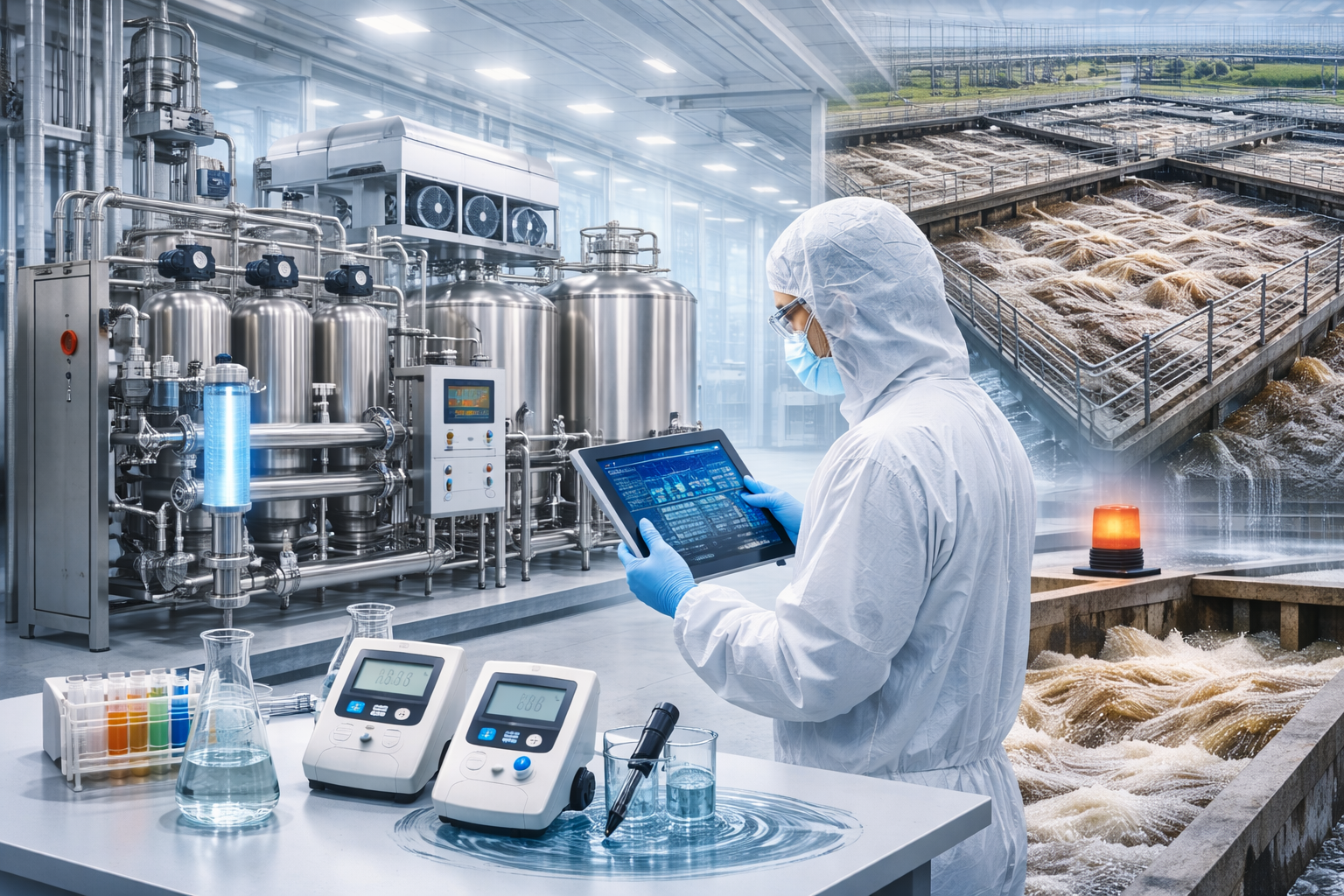
Water Quality Fluctuations and Microbial Contamination
Water in clean rooms can be affected by variations in temperature, chemical levels, and storage conditions. These changes may encourage microbial growth, which can affect both processes and final products.
Solutions:
- Use continuous water quality monitoring with sensors
- Apply UV sterilization and microfiltration to limit microbial growth
- Perform regular water flushing and routine system maintenance
Pipeline Blockages and Material Corrosion
Over time, pipelines may develop blockages from deposits or biofilm buildup. Certain materials can also corrode, increasing the risk of leaks or contamination.
Solutions:
- Choose corrosion-resistant materials for all piping
- Design pipelines to avoid dead zones where deposits can collect
- Carry out periodic inspections and preventive maintenance
Facility Design and Maintenance Strategies
A thoughtful facility design helps minimize many operational risks. Incorporating circulation loops, bypass valves, and easy-to-access cleaning points improves efficiency and reduces downtime. Consistent maintenance schedules and proper staff training are also important to keep all systems working reliably.
Key Strategies:
- Optimize system layout to prevent stagnation and cross-contamination
- Use automated alerts for maintenance needs and abnormal conditions
- Train staff in monitoring and managing water utilities
| Challenge | Common Impact | Recommended Solution |
|---|---|---|
| Water quality fluctuations | Microbial growth, process contamination | Continuous monitoring, UV sterilization, regular flushing |
| Pipeline blockages | Reduced flow, contamination risk | Corrosion-resistant materials, periodic inspection |
| System corrosion | Leaks, compromised water purity | Material selection, preventive maintenance |
By addressing these challenges proactively, clean room operators can maintain stable water quality, prevent contamination, and ensure smooth operation of both water supply and waste management systems.
What Is the Importance of Key Utilities in Clean Room Water and Waste Management?
Clean rooms rely on properly designed water supply and waste management utilities to keep conditions tightly controlled and protect product integrity. Purified water systems, storage and distribution networks, filtration and treatment units, and wastewater collection and monitoring systems all work in coordination to ensure the environment remains free from contamination.
The reliability of these utilities directly affects the safety, efficiency, and quality of operations. Even small disruptions can result in compromised processes, production delays, or contamination of sensitive products. Consistent maintenance, regular monitoring, and timely upgrades are necessary to reduce risks and maintain peak performance.
Looking ahead, integration, automation, and sustainability will continue to shape the future of clean room utilities. Methods such as real-time monitoring, energy-efficient circulation, water recycling, and smart maintenance protocols offer strong opportunities to improve both operational efficiency and environmental performance. Investing in these advancements helps facilities meet increasing production demands while upholding the standards.