English
 русский
 Español
Content
- 1 Why does the difference between door types matter?
- 2 What makes clean room doors structurally different?
- 3 How does sealing affect performance?
- 4 Why is surface design treated differently?
- 5 How do clean room doors influence airflow?
- 6 What role does operation style play?
- 7 How do maintenance needs compare?
- 8 Why does material selection differ?
- 9 How do clean room doors support workflow control?
- 10 What common misunderstandings exist about clean room doors?
- 11 How do these differences reflect broader design thinking?
Why does the difference between door types matter?
At a glance, a door is just a door. It opens, it closes, and it separates one space from another. In industrial settings, that basic role often feels enough. A warehouse door keeps weather out. A factory door manages access. Strength and durability tend to find the conversation.
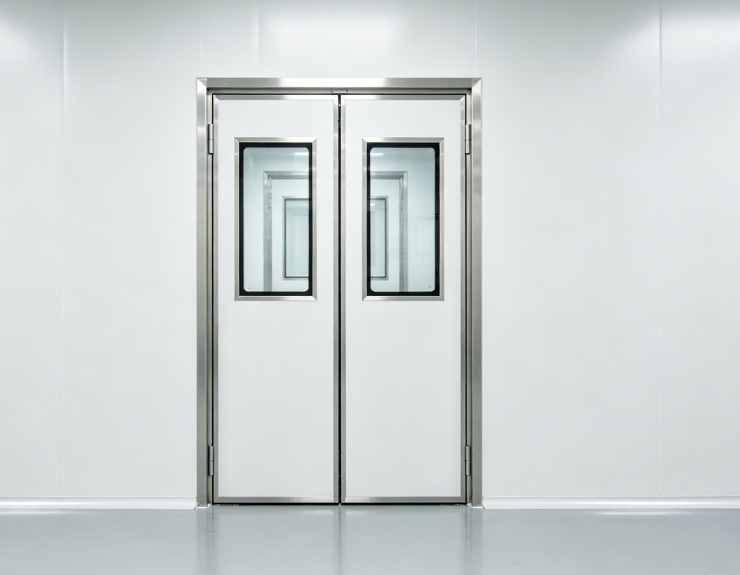
Step into a clean room environment, and the same object carries a different weight. The door is no longer a simple barrier. It becomes part of a controlled system. It influences airflow. It affects how particles move. It shapes how people enter and leave.
This shift in purpose drives the difference. Doors Clean Room are not just built to close an opening. They are designed to protect a condition. That single idea changes how they look, how they behave, and how they are used.
What makes clean room doors structurally different?
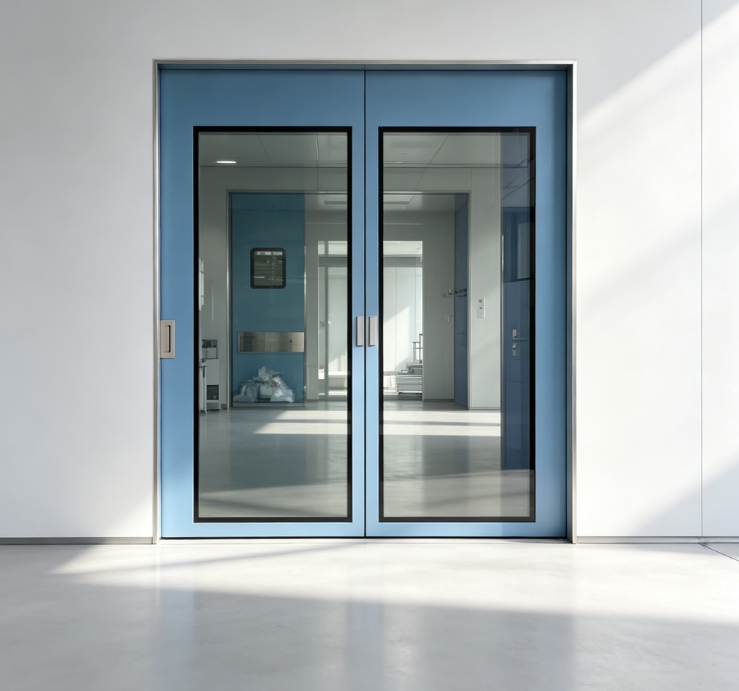
The structure of a clean room door often reflects its environment. Surfaces are smooth. Edges are refined. Small design details are handled with care.
Standard industrial doors may include visible joints, textured finishes, or exposed hardware. These features are not usually a concern in general production areas. In a controlled space, they can become places where particles settle.
Clean room doors avoid those features where possible. Panels are often flat and continuous. Seams are sealed or minimized. Hardware is integrated rather than exposed.
The difference becomes clearer when placed side by side:
| Feature | Clean Room Doors | Standard Industrial Doors |
|---|---|---|
| Surface finish | Smooth and continuous | May include textures or patterns |
| Joint visibility | Reduced or sealed | Often visible |
| Hardware exposure | Limited or integrated | Commonly exposed |
| Edge treatment | Soft transitions | Sharper or functional edges |
This structural approach supports a cleaner interior environment. It also simplifies routine cleaning.
How does sealing affect performance?
Sealing is one of the noticeable differences between the two door types. In a clean room, the seal is not just about keeping air from leaking. It is about maintaining a stable internal condition.
Clean room doors are designed to close tightly along all edges. The contact between the door and the frame is consistent. Gaps are avoided as much as possible.
Standard industrial doors may not require the same level of sealing. Small gaps are often acceptable. Air movement between spaces is not always a concern.
In a controlled space, even a small opening can affect airflow patterns. That can change how particles move within the room. A well-sealed door helps maintain balance.
Sealing also supports consistency. Each time the door closes, it returns the space to a known condition. This repeatability is important in daily operations.
Why is surface design treated differently?
Surface design is closely tied to how a space is maintained. In clean rooms, surfaces are expected to support frequent cleaning without changing their form.
Clean room doors are usually made with finishes that resist buildup. They are less likely to trap dust or moisture. Their surfaces remain stable after repeated cleaning.
Standard industrial doors may focus more on strength or cost. Their surfaces can include coatings or textures that are practical for general use but less suited for controlled environments.
The difference is not about appearance alone. It is about how the surface behaves over time. A door that looks smooth but degrades quickly would not meet the needs of a clean space.
How do clean room doors influence airflow?
Airflow is often invisible, yet it shapes how a clean room functions. Doors play a part in guiding that movement.
When a clean room door opens, it briefly connects two environments. The design aims to limit how much disruption occurs during that moment. The door's size, position, and movement all matter.
A door that swings wide may disturb air more than a sliding door. A door placed in a high-traffic area may introduce more variation. These factors are considered during design.
Standard industrial doors are not usually designed with airflow in mind. Their main concern is access. In a clean room, access must be balanced with control.
The goal is not to eliminate airflow changes, but to manage them. A well-designed door helps the room return to stable conditions quickly after each use.
What role does operation style play?
The way a door opens and closes can influence daily routines. In clean rooms, this becomes part of contamination control.
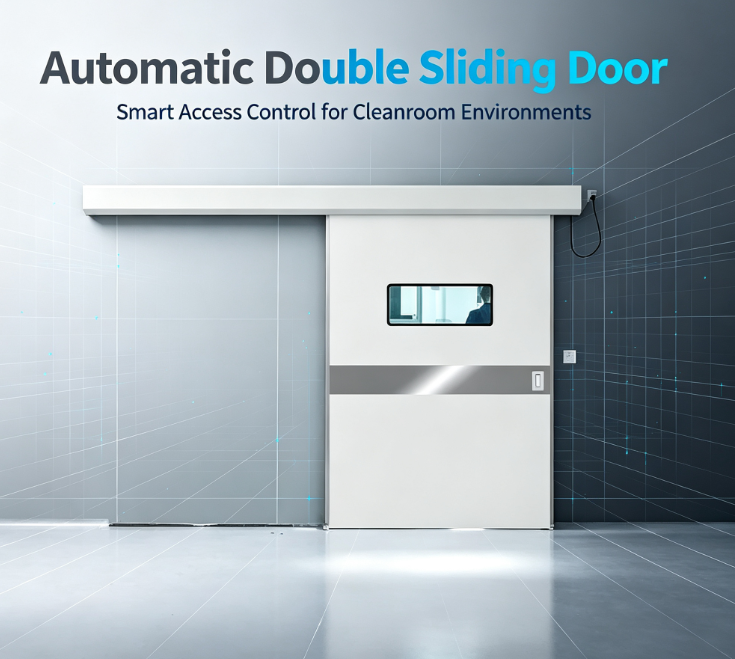
Some doors are designed to open with minimal contact. This reduces the need for frequent touching. Less contact can mean fewer chances for particles to transfer from people to surfaces.
Movement is also considered. A door that opens smoothly and closes without force helps maintain internal balance. Sudden motion can disturb air patterns.
Standard industrial doors often prioritize durability and ease of use. They may require more manual handling. In many settings, that is not a problem. In a controlled space, it becomes a point of attention.
Operation style also connects to workflow. Doors should support how people move through the space. A poorly placed or difficult-to-use door can slow down work or find to inconsistent use.
How do maintenance needs compare?
Maintenance is part of the life of any door. The difference lies in how that maintenance is approached.
Clean room doors are designed to be easy to clean. Their surfaces do not require complex treatment. Their structure avoids areas that are hard to reach.
Inspection is also more frequent. Seals are checked. Surfaces are reviewed. Small issues are addressed before they grow.
Standard industrial doors may not require the same level of attention. Their environment does not demand the same consistency. Maintenance may focus more on mechanical function than surface condition.
The design of clean room doors supports this routine. Parts that need attention are accessible. Surfaces respond well to repeated cleaning. This reduces the effort needed to maintain the space.
Why does material selection differ?
Material choice reflects the environment in which the door will operate. In clean rooms, materials are selected for how they behave under repeated cleaning and controlled conditions.
They should not shed particles. They should not react easily to cleaning agents. Their structure should remain stable over time.
Standard industrial doors may use a wider range of materials. Strength, cost, and availability often guide the decision. These materials work well in general settings but may not meet the needs of a controlled space.
The difference is not about one being better than the other. It is about suitability. Each type of door is designed for a different context.
How do clean room doors support workflow control?
A clean room is not only about the environment. It is also about how people and materials move through that environment. Doors help shape that movement.
Their placement is planned. Their number is limited where possible. Each opening is a point where control can be affected.
Clean room doors often guide movement in a structured way. They help define entry and exit paths. This reduces unnecessary traffic and supports consistent routines.
Standard industrial doors may be placed for convenience. Access can be more flexible. In a clean room, flexibility is balanced with control.
The design of the door supports this balance. It allows movement without weakening the overall environment.
What common misunderstandings exist about clean room doors?
It is easy to assume that a stronger or thicker door is enough for a clean room. Strength alone does not address the needs of a controlled space.
Another common idea is that any well-built industrial door can serve the same purpose. While it may function as a barrier, it may not support airflow control, sealing, or surface requirements.
Some may also believe that the door's role is minor compared to larger systems. In practice, small details often have a steady impact over time. A door that does not seal well or is hard to clean can affect daily operations.
Understanding these differences helps avoid simple mistakes. It also highlights why design choices are made the way they are.
How do these differences reflect broader design thinking?
The contrast between clean room doors and standard industrial doors reflects a broader shift in design priorities. One focuses on general use. The other focuses on controlled conditions.
Every feature of a clean room door connects to a larger system. Surface, seal, movement, and placement all work together. None of them stand alone.
This approach creates a space where conditions can be maintained with consistency. It supports routines that depend on stability. It allows people to work within a defined environment without constant adjustment.
The door becomes part of that system. Not a separate object, but a component that helps the space function as intended.