English
 русский
 Español
Content
- 1 Role of Steel Automatic Sliding Doors in Cleanroom Environments
- 2 Why Cleanrooms Require Specialized Door Systems
- 3 Structural Advantages of Steel Automatic Sliding Doors
- 4 Automatic Operation and Cleanroom Efficiency
- 5 Air Tightness and Sealing Performance
- 6 Application Scenarios in Cleanroom Industries
- 7 Comparison of Cleanroom Door Types
- 8 Safety and Operational Reliability Features
- 9 Maintenance and Cleanroom Compliance
- 10 Conclusion: Why Steel Automatic Sliding Doors Are Essential
Role of Steel Automatic Sliding Doors in Cleanroom Environments
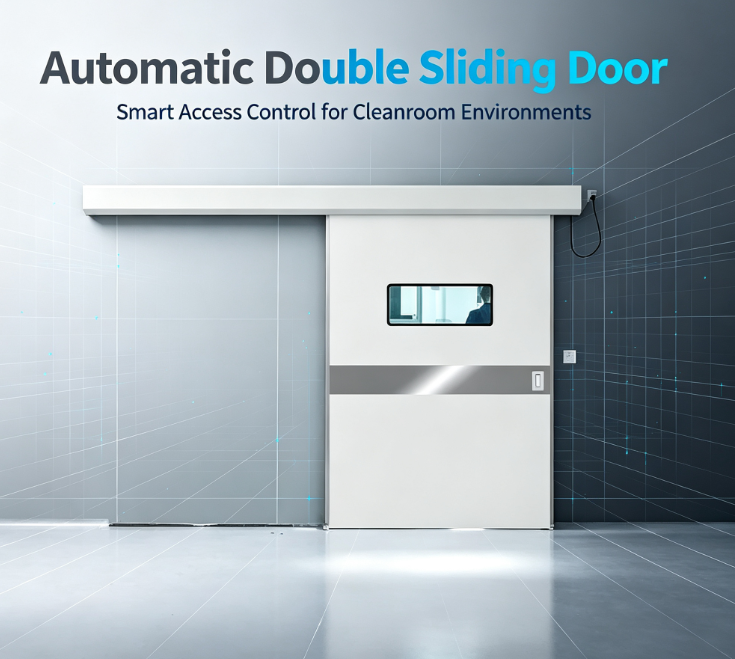
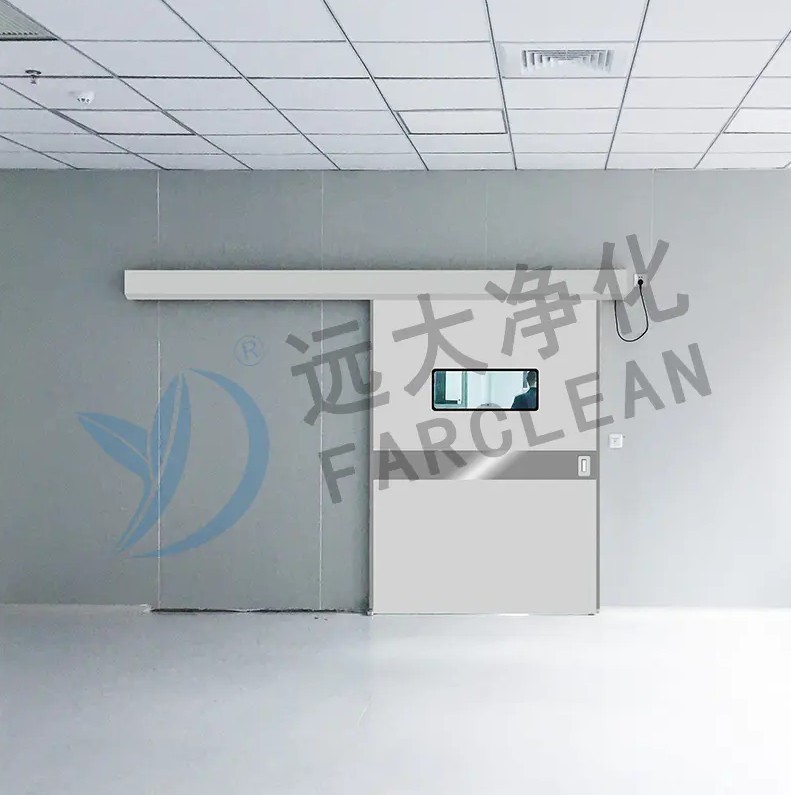
Steel automatic sliding doors are a critical infrastructure component in cleanroom environments that require strict contamination control. These doors are specifically engineered to maintain air purity, regulate pressure differences, and reduce particle contamination during personnel and material movement.
In industries such as pharmaceuticals, semiconductor manufacturing, biotechnology, and precision electronics, even microscopic contamination can compromise product integrity. Therefore, cleanroom access systems must meet stringent hygiene and sealing standards.
Why Cleanrooms Require Specialized Door Systems
Cleanrooms are controlled environments where airborne particles, humidity, and microbial contamination are tightly regulated. Standard doors cannot meet these requirements due to poor sealing performance and manual operation risks.
Steel automatic sliding doors provide a controlled entry and exit mechanism that minimizes air disturbance and supports the maintenance of positive or negative pressure differentials within the cleanroom system.
Contamination Control Requirements
Cleanrooms require strict control of particulate matter. Any air leakage or uncontrolled opening can introduce contaminants, making precision door sealing essential for maintaining ISO cleanliness standards.
Air Pressure Stability
Cleanrooms often operate under positive pressure to prevent external contamination. Automatic sliding doors help maintain this balance by ensuring rapid closure and airtight sealing.
Structural Advantages of Steel Automatic Sliding Doors
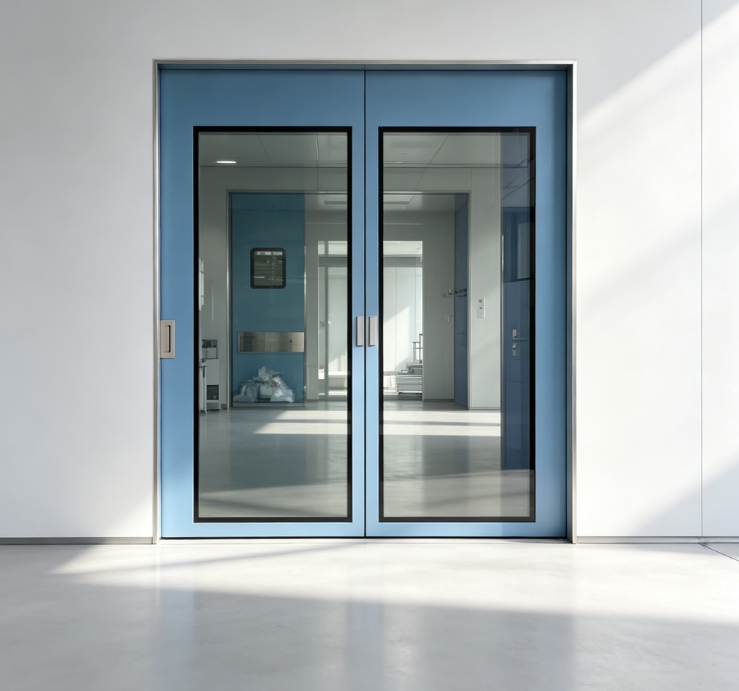
Steel automatic sliding doors are designed with durability, hygiene, and precision in mind. Their structural composition makes them ideal for demanding cleanroom applications.
Stainless Steel Construction Benefits
Stainless steel provides corrosion resistance, smooth surface finish, and ease of sterilization. These characteristics are essential for environments requiring frequent cleaning and disinfection.
Seamless Surface Design
The smooth and gap-free design minimizes dust accumulation and microbial growth, ensuring compliance with hygienic operational standards.
High Durability Under Frequent Use
Cleanrooms often experience frequent door cycles due to material transfer and personnel movement. Steel sliding doors are engineered for high-cycle durability without performance degradation.
Automatic Operation and Cleanroom Efficiency
Automation plays a key role in reducing human contact and improving operational efficiency in cleanroom environments. Automatic sliding doors eliminate the need for manual handling, reducing contamination risk.
Sensor-Based Activation Systems
Motion sensors, foot sensors, or access control systems allow doors to open only when necessary, reducing unnecessary air exchange between clean and external zones.
Controlled Opening and Closing Speed
The system regulates door movement speed to minimize air turbulence, which is essential for maintaining particle stability within the cleanroom.
Air Tightness and Sealing Performance
One of the most critical requirements for cleanroom doors is airtight sealing. Steel automatic sliding doors are designed with precision sealing systems to prevent leakage of air and contaminants.
Edge Sealing Technology
Rubber or silicone sealing strips are installed along door edges to ensure a tight closure that prevents particle infiltration.
Pressure Differential Control
The door system supports cleanrooms operating under different pressure zones, ensuring that air flows in a controlled direction between areas.
Application Scenarios in Cleanroom Industries
Steel automatic sliding doors are widely used in industries where environmental purity is critical for product quality and safety.
Pharmaceutical Manufacturing Facilities
Used in sterile production zones, laboratories, and packaging areas where contamination control is mandatory for drug safety compliance.
Semiconductor and Electronics Industry
Cleanrooms for chip manufacturing require ultra-low particle environments, where even minor contamination can cause product failure.
Biotechnology Laboratories
Used to separate sterile zones from general laboratory areas, ensuring controlled airflow and contamination prevention.
Food and Beverage Processing Clean Areas
Ensures hygienic production environments where microbial contamination must be strictly controlled.
Comparison of Cleanroom Door Types
Different door systems are used in cleanroom environments depending on cleanliness level requirements and operational needs.
| Door Type | Material | Sealing Performance | Automation Level | Typical Use |
| Manual Swing Door | Steel/Composite | Medium | Low | Low-grade clean areas |
| PVC Rapid Roll Door | PVC | Medium | High | Logistics clean zones |
| Steel Automatic Sliding Door | Stainless Steel | Very High | Very High | High-grade cleanrooms |
Safety and Operational Reliability Features
Cleanroom doors must also ensure safety during frequent operation. Steel automatic sliding doors include multiple safety and control systems to prevent accidents and maintain stability.
Obstacle Detection Systems
Sensors detect obstacles during door movement to prevent collisions and ensure safe operation for personnel and equipment.
Emergency Manual Override
In case of power failure, doors can be manually operated to ensure uninterrupted access and safety compliance.
Maintenance and Cleanroom Compliance
Regular maintenance ensures that steel sliding doors continue to meet cleanroom standards. This includes cleaning sealing surfaces, inspecting automation systems, and verifying airtight performance.
Preventive maintenance is essential to avoid contamination risks and maintain compliance with ISO and GMP cleanroom regulations.
Conclusion: Why Steel Automatic Sliding Doors Are Essential
Steel automatic sliding doors are a fundamental component in modern cleanroom infrastructure. Their airtight sealing, automation features, and hygienic design make them essential for maintaining controlled environments.
In industries where contamination control directly impacts product quality and safety, these doors provide the reliability and performance necessary for stable cleanroom operations.