English
 русский
 Español
Pass through boxes are essential in clean room operations. They allow materials to move between areas with different cleanliness levels without risking contamination. While their purpose is simple, designing a functional and safe pass through box clean room involves several critical factors. A well-designed box improves operational efficiency, reduces contamination risk, and supports long-term facility performance.
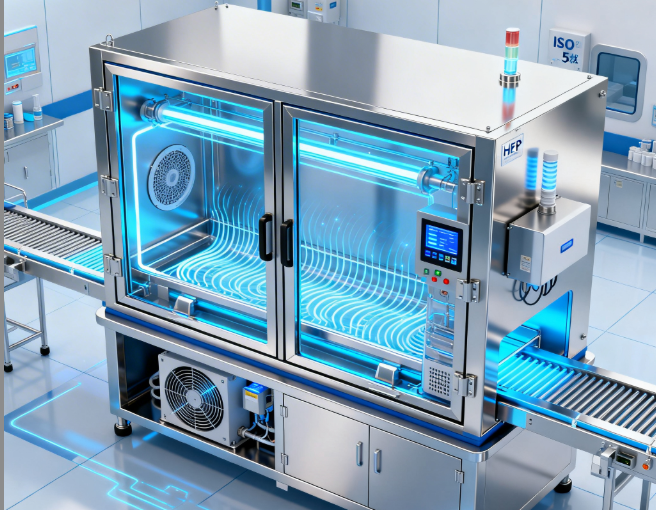
This article explores key design considerations, including material selection, size, airflow, ergonomics, maintenance, and emerging trends. It provides insights for engineers, facility managers, and packaging specialists in controlled environments.
Content
- 1 How Does Material Selection Affect Performance?
- 2 How Does Size and Internal Layout Impact Usability?
- 3 How Important Is Airflow and Contamination Control?
- 4 How Do Doors and Interlocks Affect Safety?
- 5 How Does Ergonomics Influence Design?
- 6 How Do Maintenance Considerations Affect Longevity?
- 7 How Do Customization and Modular Features Enhance Utility?
- 8 How Do Clean Room Classification Requirements Affect Design?
- 9 Emerging Trends in Pass Through Box Design
How Does Material Selection Affect Performance?
The materials used in a pass through box strongly influence its durability and contamination control. Stainless steel is commonly used because it is corrosion-resistant, non-shedding, and easy to clean. Smooth surfaces prevent particle accumulation and allow thorough disinfection.
Plastic or composite panels may be included for visibility or weight reduction. In these cases, surfaces must resist scratches and abrasion. Any imperfections can trap particles, creating contamination risks.
Material selection also depends on compatibility with cleaning agents. Frequent exposure to disinfectants, alcohols, or detergents should not degrade surfaces or coatings. In addition, surface finishes must maintain low particle shedding throughout the box's operational life.
Even hinges, fasteners, and seals should be made of materials that resist wear and are easy to clean. This prevents hidden contamination points while extending operational life.
How Does Size and Internal Layout Impact Usability?
The size and internal layout of a pass-through box have a significant effect on how practical and effective it is during daily operations. Getting these aspects right is essential because the box needs enough internal space to easily accommodate the largest items that typically move through it in regular use. At the same time, it should not be unnecessarily oversized, as an overly large unit can consume valuable clean room floor space and end up slowing down the overall workflow rather than helping it.
Internal features can make a substantial difference in how versatile the pass-through box becomes. Options such as adjustable shelves, sliding trays, or removable inserts give operators much more flexibility to handle different sizes and types of materials. A well-thought-out layout goes beyond simple storage — it helps keep items from being overcrowded, promotes consistent airflow throughout the chamber, and minimizes the risk of materials accidentally coming into contact with the clean room surfaces or walls.
Ergonomics are another critical consideration when it comes to size and layout. The positioning of shelves and trays should allow operators to reach and retrieve items comfortably while standing outside the clean room, without needing to stretch awkwardly or lean deep inside. This careful placement reduces the chance of accidental contamination and makes the transfer process safer and less physically demanding. When operators can perform their tasks with ease and minimal strain, it leads to smoother, faster operations and contributes to a more reliable and efficient clean room environment overall.
| Feature | Design Consideration | Operational Impact |
|---|---|---|
| Internal space | Large enough for typical items | Supports workflow, reduces handling |
| Shelf layout | Adjustable or removable | Flexible storage, efficient access |
| Door swing/slide | Fits room layout | Prevents collision, maintains hygiene |
| Ergonomic height | 0.8–1.2 m access | Reduces strain, improves safety |
How Important Is Airflow and Contamination Control?
Airflow plays a central role in clean room design, and pass-through boxes are no exception. Many of these boxes are built with laminar airflow or specially filtered air systems to stop particles from moving between different areas during material transfer. This controlled airflow helps maintain the cleanliness levels on both sides of the wall.
The seals around the doors are equally important. They need to be tight and reliable because even small gaps or leaks can let unfiltered air and airborne particles slip into the cleaner areas. To further protect the pressure differences between rooms, many pass-through boxes include interlock systems. These interlocks make sure that both doors cannot be opened at the same time, which helps preserve the integrity of the clean room environment.
Air exchange rates and the direction of airflow inside the box should be carefully matched to the specific cleanliness class of the clean room. When everything is set up correctly, the box creates a protected microenvironment that keeps products free from contamination while they are being transferred from one side to the other. This combination of proper airflow, strong seals, and smart safety features makes the pass-through box an effective barrier rather than a potential weak point in the clean room system.
| Design Element | Key Consideration | Effect on Cleanliness |
|---|---|---|
| HEPA filters | Proper filtration | Reduces particle ingress |
| Door seals | Uniform, airtight | Maintains controlled pressure |
| Interlocks | Prevent simultaneous opening | Reduces contamination risk |
| Internal surfaces | Smooth, non-porous | Facilitates cleaning |
How Do Doors and Interlocks Affect Safety?
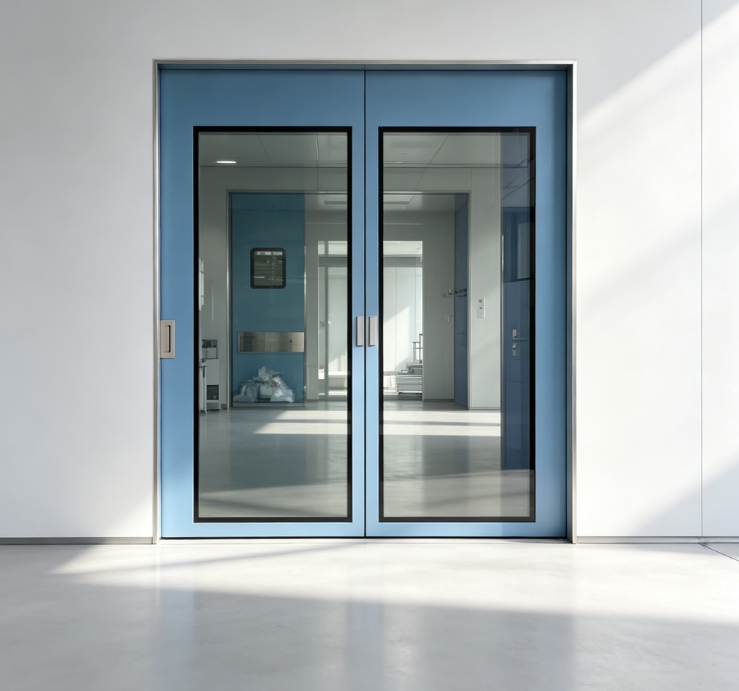
Door type and interlock mechanisms are key to operational safety. Sliding or swing doors can be used, depending on available space and workflow.
Interlocks prevent both doors from opening at once. This feature maintains clean room pressure and reduces contamination risk. Interlocks may be mechanical or electronic, depending on facility sophistication.
Operators should be able to open doors easily. Smooth operation reduces accidental contact with interior surfaces and prevents damage. Visibility panels allow staff to see contents without opening doors, limiting exposure to contaminants.
Door design also affects workflow. Quick access is essential for high-volume environments, while slower, controlled access may be needed for high-class clean rooms.
How Does Ergonomics Influence Design?
Ergonomics plays a major role in both the safety and efficiency of pass-through boxes. The design should make it easy for operators to reach and handle items without having to stretch, bend, or strain in awkward positions. When access feels natural and comfortable, operators can work more smoothly and with less physical stress.
Features such as sliding trays, removable shelves, and handles placed at convenient heights contribute significantly to everyday comfort. Good ergonomic design helps reduce operator fatigue over long shifts, lowers the chance of mistakes during transfers, and supports strict clean room protocols by encouraging proper procedures. Clear sightlines into the interior of the box are also important — they allow operators to see exactly what they are doing, which prevents unnecessary overreaching or accidentally misplacing items.
When ergonomic features are built in from the start, training new staff becomes much simpler. Operators can quickly get used to the equipment and follow correct procedures with confidence, Find to fewer errors and a more consistent workflow.
How Do Maintenance Considerations Affect Longevity?
Maintenance is a key part of designing reliable clean room equipment like pass-through boxes. Smooth surfaces with as few crevices and joints as possible make routine cleaning and disinfection much easier and more effective. Components such as hinges, door seals, and filters should be readily accessible so they can be inspected, cleaned, or replaced without major effort.
The materials and protective coatings used in construction need to stand up to frequent cleaning with strong disinfectants. High-quality, durable finishes help the box resist wear and tear, extend its overall service life, and keep long-term maintenance costs down.
Establishing regular maintenance schedules and keeping clear logs helps ensure the box continues to perform at a high level. When parts are easy to reach and service, downtime is minimized and the daily workflow in the clean room stays uninterrupted.
How Do Customization and Modular Features Enhance Utility?
Customization and modular features can greatly increase the usefulness and adaptability of a pass-through box. Adjustable shelves, sliding trays, and interchangeable inserts allow the same unit to handle different product sizes, shapes, and batch volumes without difficulty.
Modular construction also makes it possible to upgrade or replace individual components later on without having to remove or replace the entire box. Adding elements like sensors, alarms, or automated door systems can further improve safety and operational efficiency.
By tailoring the pass-through box to the specific needs of the facility, companies can reduce disruptions to their workflow and lower the risk of contamination. This flexibility keeps the equipment relevant and effective even as production processes change and evolve over time.
| Feature | Optional Customization | Benefit |
|---|---|---|
| Shelving | Adjustable, removable | Adaptable for different products |
| Doors | Automated, interlocked | Improves speed and safety |
| Panels | Transparent or opaque | Enhances visibility or privacy |
| Sensors/alarms | Airflow, door status | Reduces human error, improves monitoring |
How Do Clean Room Classification Requirements Affect Design?
Clean room class determines many design choices. High-class environments require tighter seals, HEPA-filtered airflow, and smooth surfaces. Lower-class rooms may tolerate simpler boxes but airflow and sealing remain important.
Designs must meet regulatory requirements to prevent contamination incidents. Consistent operational protocols and adherence to clean room standards ensure reliable performance across shifts and operators.
| Clean Room Class | Pass Through Box Feature | Reason |
|---|---|---|
| Class 100–1000 | HEPA filters, interlocks, stainless steel surfaces | Maximum contamination control |
| Class 1000–10,000 | Solid doors, smooth interior | Balance protection with cost |
| Class 10,000+ | Basic door seals, clear panels | Efficient handling with basic protection |
Emerging Trends in Pass Through Box Design
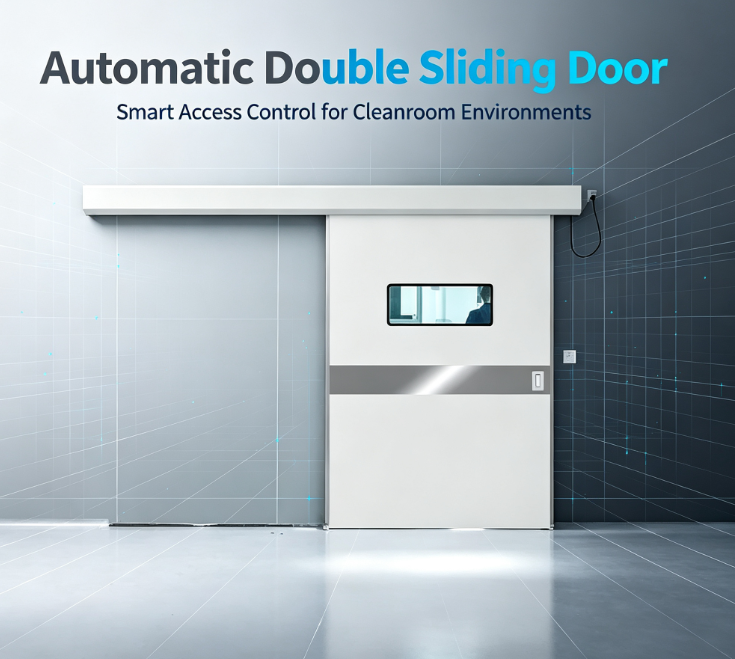
Developments in pass-through box design continue to emphasize automation, advanced monitoring, and stronger sustainability practices. Automated door systems are becoming more widely used because they cut down on direct manual handling. This reduction in physical contact lowers the risk of contamination and helps material transfers happen more smoothly and quickly.
Many of today's units come equipped with built-in sensors that keep a constant watch on critical factors such as airflow, pressure differences between rooms, and door positions. These sensors deliver real-time updates to operators, making it easier to maintain stable clean room conditions without guesswork.
Another practical improvement seen in newer models is the use of transparent viewing panels. These allow operators to look inside the box clearly without opening the doors, so they can verify contents and placement while the sealed environment stays undisturbed. Manufacturers are also focusing more on choosing materials and special surface coatings that stand up reliably to repeated cleaning and disinfection cycles, generate fewer particles, and provide a longer service life.
Sustainability has grown into a significant priority for many facilities. Where possible, teams are opting for more environmentally responsible materials and coatings. Modular designs are increasingly common too, giving users the ability to adjust, upgrade, or replace specific components without having to remove or replace the whole box. This flexibility helps the equipment stay useful and relevant as production processes and facility requirements evolve over time.
These ongoing trends reflect a clear direction toward higher efficiency, improved safety, and greater long-term reliability in clean room operations.