English
 русский
 Español
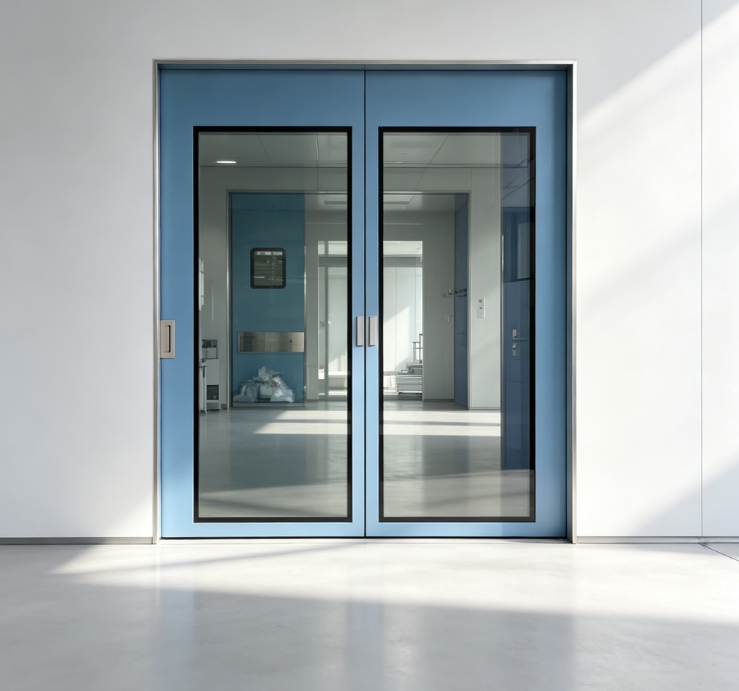
Cleanrooms are critical environments where precision, sterility, and contamination control are essential. These controlled spaces are used in a variety of industries, including pharmaceuticals, biotechnology, electronics manufacturing, and aerospace. One of the overlooked yet vital components of a cleanroom is the windows. Cleanroom windows play a significant role in maintaining the integrity of the space, as they must support cleanliness, visibility, and safety while meeting strict regulatory standards.
The materials used for windows must meet several criteria to ensure that they contribute to the overall performance of the space. These criteria include resistance to contamination, durability, ease of cleaning, and the ability to withstand the environmental conditions specific to the cleanroom. With various materials available, understanding which ones are suited for windows is crucial.
Content
What are the key factors to consider when choosing materials for cleanroom windows?
When you're picking out windows for a cleanroom—whether it's in pharma, electronics, or any ultra-clean setup—there are a few critical factors that really guide the decision. Getting these right helps keep the environment controlled and avoids headaches down the line.
Won't Add Any Contamination The material can't shed particles, outgas, or harbor anything that could float around and ruin sensitive processes. In places where even tiny specks are a big no-no, like semiconductor fabs or sterile manufacturing, this is non-negotiable.
Easy to Clean and Keep Spotless Windows need to wipe down quickly without leaving residue or allowing buildup of dust, microbes, or fingerprints. Go for smooth, non-porous surfaces that don't trap grime—makes routine cleaning fast and effective.
- Handles Chemicals and Temperature Swings Some cleanrooms involve aggressive cleaners, sterilants, or big temperature changes. The window material has to stand up to that without cracking, warping, yellowing, or losing integrity over years of use.
- Crystal-Clear Visibility Often, people need to see clearly through the window to monitor equipment or processes without opening doors and risking contamination. The material should stay transparent long-term, without fogging, scratching easily, or distorting the view.
With these considerations in mind, let's explore some of the commonly used materials for windows.
What are the commonly used materials for cleanroom windows?
1. Tempered Glass
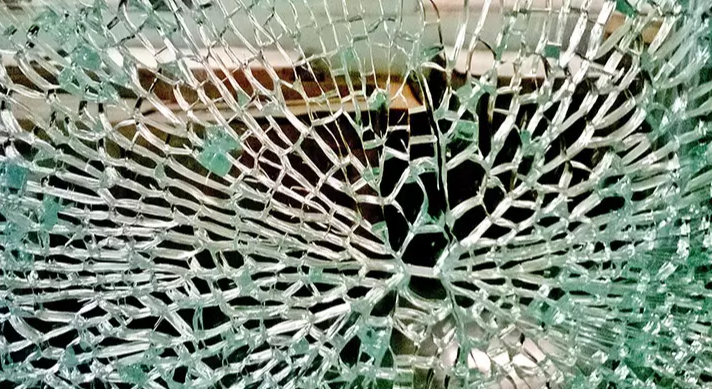
Tempered glass is one of the go-to choices for windows because it's tough, holds up well over time, and doesn't crack easily from heat changes. It's made by heating regular glass to a very high temperature and then cooling it quickly—this builds in extra strength and changes how it breaks if it ever does.
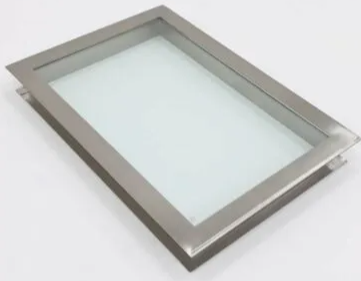
Why It's a Solid Pick for Cleanrooms:
- Built Tough It's several times stronger than ordinary glass, which is great for safety in busy or high-risk areas.
- Handles Temperature Swings Sudden hot-to-cold shifts (like during sterilization or process changes) won't cause it to crack.
- Simple to Keep Clean The flat, smooth surface wipes down easily without trapping dust or particles—perfect for maintaining strict contamination controls.
Downsides to Watch For:
Can Still Shatter If it takes a really hard hit or edge damage, it breaks into small, dull cubes rather than sharp shards (which is safer), but you'll still need to replace the whole panel.
2. Acrylic (PMMA)
Acrylic, or polymethyl methacrylate (PMMA), is another favorite—it's lighter than glass, super clear, and can be cut or shaped to fit custom window sizes without much hassle.
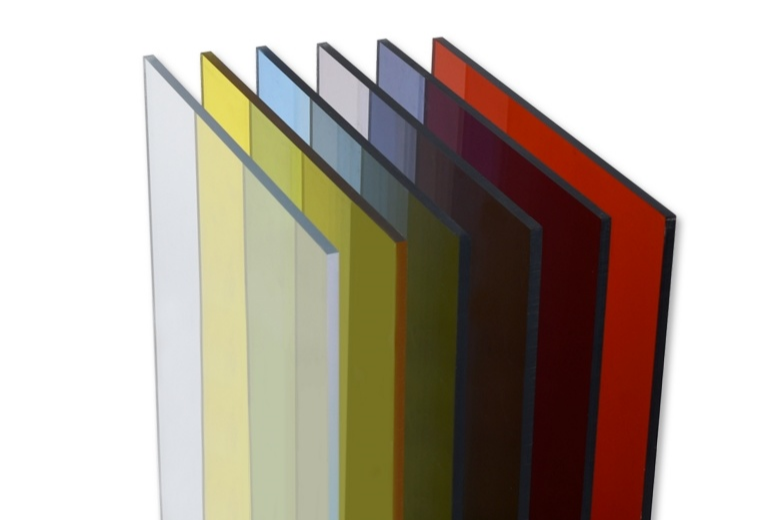
Why It's Often Used in Cleanrooms:
- Excellent Clarity It lets you see through perfectly, which is key when you need to keep an eye on processes without opening doors.
- Takes Impacts Well Much less likely to crack or shatter from bumps compared to glass—great for areas with equipment movement.
- Stands Up to Chemicals Resists a lot of the cleaners and agents used in cleanrooms, though strong solvents can sometimes cause issues.
Downsides to Consider:
- Prone to Scratches The surface scratches more easily, and those marks can collect contaminants if not polished out regularly.

- UV Can Wear It Down Over years, direct sunlight or strong UV exposure might cause yellowing or brittleness, so it's better for indoor setups without windows to the outside.
Both materials have their strengths depending on your cleanroom's specific needs—tempered glass for durability in demanding spots, and acrylic for lighter, impact-resistant options.
3. Polycarbonate
Polycarbonate is a tough plastic that's become a solid choice for windows, especially where you need something that won't shatter easily. It's incredibly strong while staying clear, often stepping in when glass or acrylic might not hold up as well in certain setups.
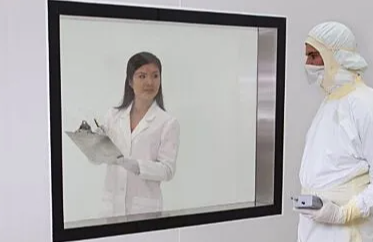
Why It's Great for Cleanrooms:
- Extreme Impact Resistance It's about 250 times tougher than regular glass—practically unbreakable under normal impacts, which is good for busy or equipment-heavy areas.
- Lightweight Design Even with all that strength, it's much lighter than glass, making installation easier and reducing strain on wall structures.
- Sharp, Clear View Offers transparency without warping the image, so monitoring through the window stays straightforward.
Downsides to Keep in Mind:
- Easily Scratched Similar to acrylic, the surface picks up scratches over time, which can cloud the view and create spots for contaminants to hide.
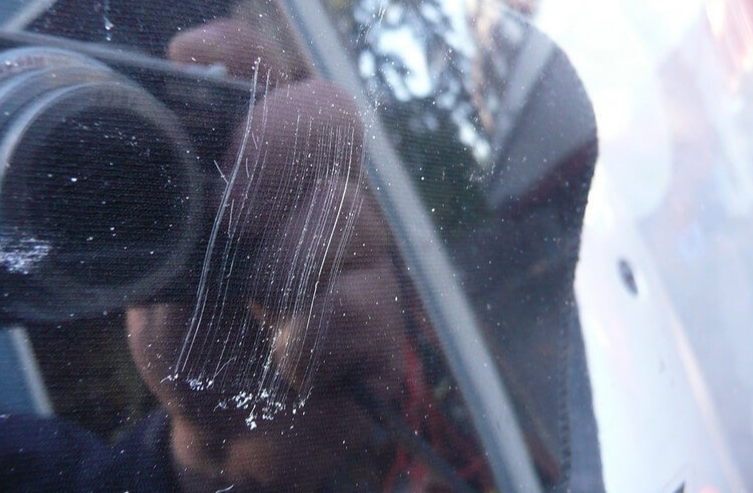
- Sensitive to Some Chemicals Handles many cleaners fine, but certain solvents or aggressive agents can cause crazing or damage.
4. Laminated Glass
Laminated glass brings an extra safety layer to windows—it's built with multiple glass sheets bonded together with a plastic interlayer (often PVB) that keeps everything in place even if it cracks.
Why It's a Strong Contender:
- Enhanced Safety If impacted, the interlayer holds the broken pieces together—no flying shards to cause injury or contaminate the space.

- Quieter Environment The layering dampens sound transmission, which helps in noisy facilities or where concentration is key.
- Built to Last Good resistance to impacts and added security, ideal for higher-risk or regulated cleanrooms.
Downsides to Consider:
- Heavier Build All those layers add weight compared to single-pane tempered glass or plastics, so framing and installation need to account for that.
- Higher Price Tag The extra manufacturing process makes it costlier than simpler options.
Each material fits different priorities—polycarbonate for unbreakable toughness, and laminated glass when safety and containment are top concerns.
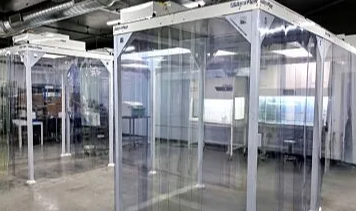
5. Ceramic Glass (Glass-Ceramic)
Ceramic glass—sometimes called glass-ceramic—is a unique material that's engineered for conditions, making it a go-to in cleanrooms where heat plays a big role or rapid temperature shifts are common.
Why It's Suited for Tough Cleanroom Environments:
- Outstanding Heat Tolerance It can handle very high temperatures without warping or weakening—perfect for processes involving ovens, sterilization, or hot equipment nearby.
- Strong Against Chemicals Resists corrosion from aggressive substances, cleaners, or vapors that might be present.
- Tough Overall Build Great at shrugging off thermal shock (quick heating/cooling) and holds up well to everyday knocks.
Potential Drawbacks:
- Can Be Brittle Under Force While it excels in heat, sharp mechanical impacts or bending stress might cause cracks more readily than some alternatives.
- Not the Clearest View Visibility is good but often not quite as crystal-clear as standard tempered glass, which matters if precise monitoring is key.
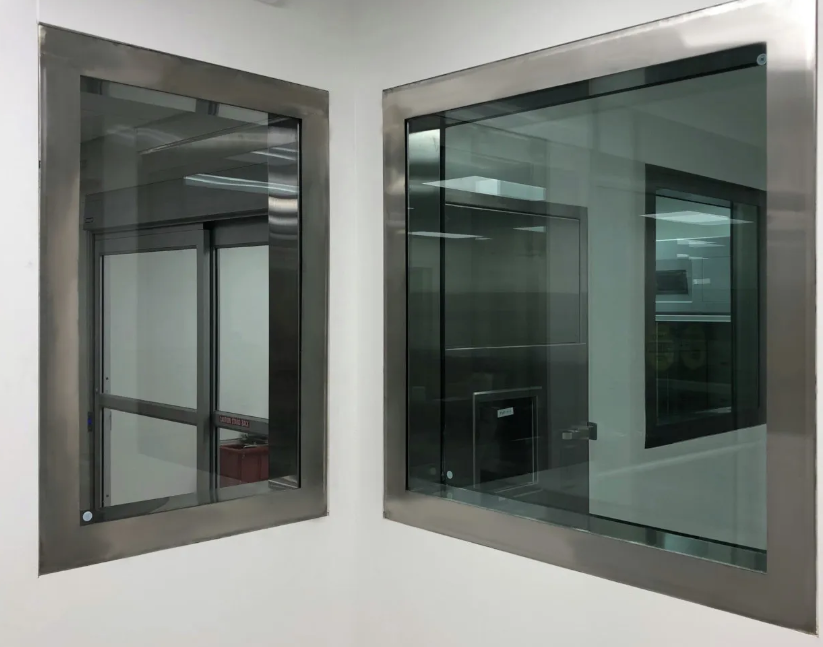
6. Stainless Steel Frames with Glass Inserts
Many windows combine sturdy stainless steel frames with clear glass panels inserted flush or sealed in. The metal provides the structure and longevity, while the glass gives you the see-through access.
Why This Combo Works So Well:
- Built to Last in Harsh Conditions Stainless steel fights off rust and corrosion, even with moisture, chemicals, or frequent wipe-downs.
- Super Easy to Clean Smooth metal surfaces don't trap particles or bacteria—quick wipes keep everything hygienic.
- Rock-Solid Support The frames add serious strength to hold larger windows or maintain seals under pressure differences.
Things to Weigh:
- Higher Upfront Cost Quality stainless steel isn't cheap, especially for custom sizes or thicker grades.
- Look and Feel The industrial metallic appearance fits labs perfectly, but might not blend in if your setup has specific design needs.
These choices round out the options nicely—ceramic glass for heat-intensive spots, and stainless-framed setups when you want durability and cleanability around the edges.
Choosing the Right Material for Cleanroom Windows
Selecting the material for windows ultimately depends on the specific needs of the cleanroom environment. Factors such as the type of work being performed, the chemicals being used, the required level of visibility, and the potential for physical impact should all be considered when choosing the appropriate material.
| Material | Benefits | Limitations |
|---|---|---|
| Tempered Glass | Strong, resistant to thermal shock, easy to clean | Can shatter under impact |
| Acrylic (PMMA) | Lightweight, impact-resistant, clear visibility | Scratch-prone, UV degradation |
| Polycarbonate | Highly impact-resistant, lightweight, clear visibility | Scratch-prone, susceptible to some chemicals |
| Laminated Glass | Safety features, noise reduction, durable | Heavier, more expensive |
| Ceramic Glass | High temperature and chemical resistance, durable | Limited optical clarity, fragile under mechanical stress |
| Stainless Steel Frames | Corrosion-resistant, durable, easy to clean | Expensive, may not fit aesthetic preferences |
The ideal material will depend on the specific conditions of the cleanroom, including its environmental factors and contamination control requirements. When selecting materials for cleanroom windows, it is important to balance durability, ease of maintenance, and functionality to ensure that the cleanroom remains a safe and controlled environment.