English
 русский
 Español
Content
Introduction to GMP Modular Clean Room Installation and Validation
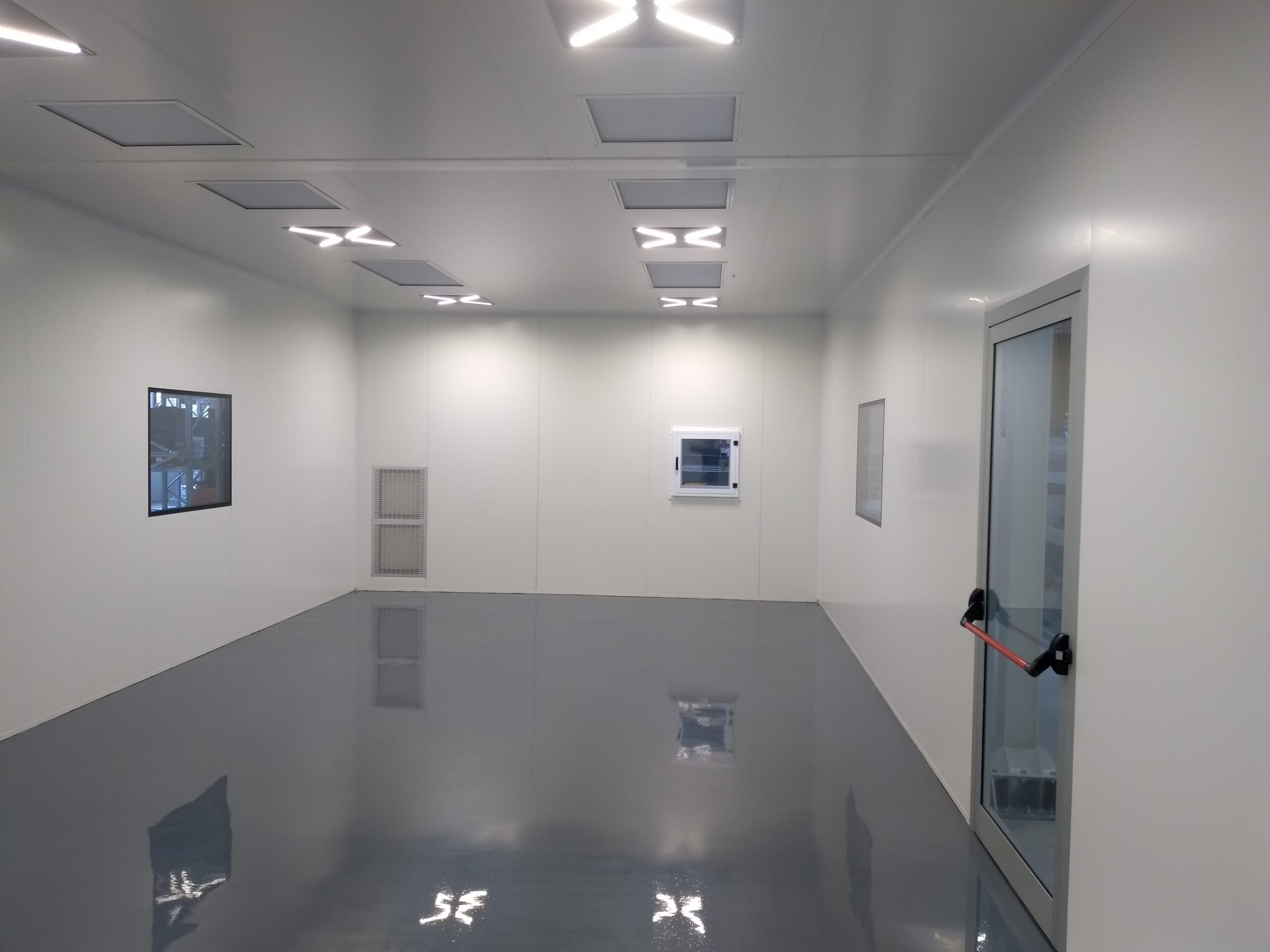
The installation and validation of GMP modular clean rooms are critical steps in ensuring compliance with Good Manufacturing Practice standards. These processes guarantee that the controlled environment meets regulatory requirements for air quality, pressure, temperature, humidity, and cleanliness levels. Proper installation and thorough validation reduce contamination risks and support consistent product quality in pharmaceutical, biotechnology, and medical device facilities.
Planning and Pre-Installation Preparation
Successful clean room installation begins with detailed planning and preparation. Facility managers must assess the available space, define clean room classifications, and coordinate with engineering, HVAC, and utility teams. Pre-installation preparation also involves reviewing regulatory requirements, material selection, and modular component specifications to ensure a seamless assembly process.
Site Assessment and Layout Design
Site evaluation includes measuring the installation area, identifying utility connections, and ensuring proper drainage and access routes. Layout design addresses workflow optimization, zoning, personnel entry points, and equipment placement. The modular design approach allows flexibility, enabling future expansion or reconfiguration without major structural changes.
Material and Component Preparation
All modular panels, ceilings, doors, and HVAC components must be inspected for defects before installation. Pre-fabricated units should meet cleanliness and material standards, such as smooth, non-porous surfaces resistant to microbial growth. Electrical and lighting fixtures must be compatible with clean room environments to prevent particle accumulation or contamination risks.
Installation Process for Modular Clean Rooms
Installation of GMP modular clean rooms is a stepwise process that ensures structural integrity, airtightness, and proper integration of systems. Skilled technicians assemble prefabricated panels, install ceilings, doors, and windows, and integrate HVAC, electrical, and filtration systems according to design specifications.
Modular Panel Assembly
Walls and ceiling panels are installed sequentially, ensuring alignment and airtight seals between joints. Fastening methods and sealing materials are chosen to maintain structural stability and minimize gaps that could compromise clean room performance. This stage sets the foundation for the subsequent installation of utilities and equipment.
HVAC, Filtration, and Utility Integration
High-efficiency particulate air (HEPA) or ultra-low particulate air (ULPA) filters are installed, along with ductwork and fans to provide controlled airflow. Utility lines for power, water, and gases are routed carefully to maintain cleanliness standards. Temperature, humidity, and pressure control systems are integrated and pre-tested before validation.
Lighting, Doors, and Equipment Installation
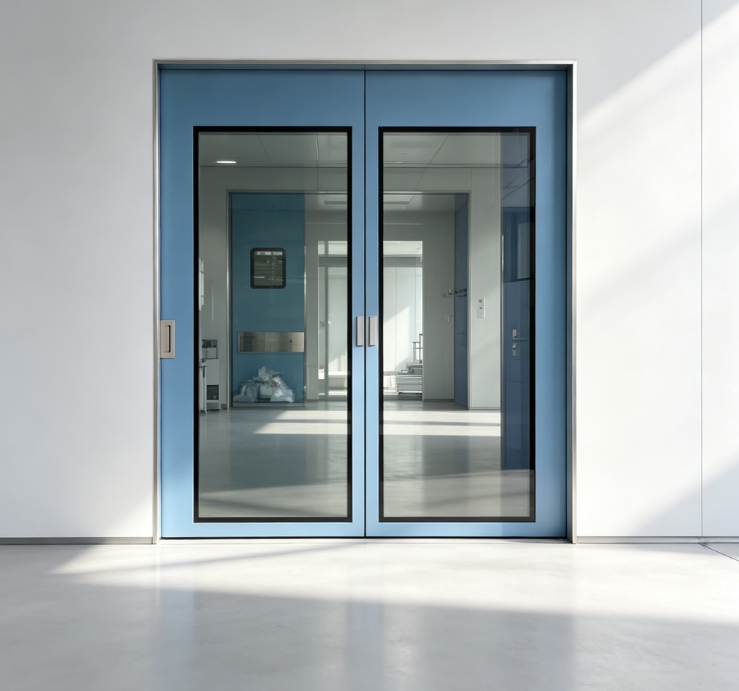
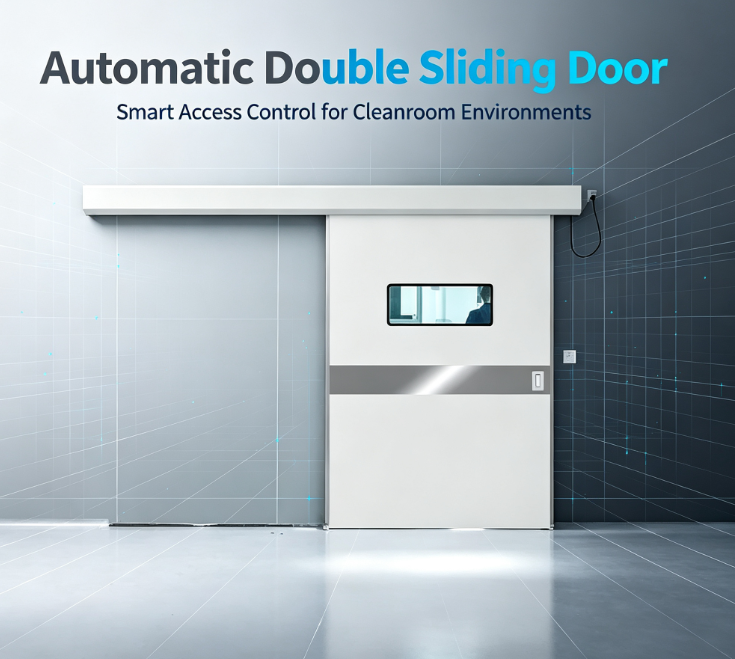
Lighting fixtures are installed in recessed or flush-mounted configurations to minimize particle accumulation. Doors, windows, and access hatches are sealed properly to preserve positive pressure and airflow integrity. Production and laboratory equipment are installed according to validated layouts to ensure proper workflow and compliance.
Validation Process for GMP Modular Clean Rooms
Validation ensures that the modular clean room operates according to specified standards and meets regulatory requirements. The process involves systematic testing and documentation of environmental parameters, equipment performance, and operational protocols. Validation is typically divided into Installation Qualification (IQ), Operational Qualification (OQ), and Performance Qualification (PQ) stages.
Installation Qualification (IQ)
IQ confirms that all modular components, utilities, and equipment are installed according to design specifications. Documentation includes verification of panel alignment, sealing integrity, HVAC installation, electrical connections, and material certifications. Any deviations must be corrected before proceeding to operational testing.
Operational Qualification (OQ)
OQ assesses the performance of the clean room under controlled operating conditions. Parameters such as airflow velocity, pressure differentials, temperature, humidity, and filter efficiency are tested. Alarms, monitoring systems, and interlocks are verified for proper functionality. Data collected during OQ ensures that the clean room meets the required classification.
Performance Qualification (PQ)
PQ verifies that the clean room performs consistently under actual production conditions. Particle counts, microbial monitoring, and environmental stability are evaluated over time. This stage confirms that the clean room maintains GMP compliance during routine operation and supports reliable production outcomes.
Documentation and Regulatory Compliance
Accurate documentation is essential throughout the installation and validation process. Records include installation checklists, test results, calibration certificates, deviation reports, and final validation summaries. Regulatory bodies such as the FDA and EMA require that these documents be retained and readily available for inspection, demonstrating that the facility meets GMP standards.
Key Documentation Elements
| Documentation Item | Purpose | Description |
| Installation Checklists | Verify proper installation | Details of panel alignment, sealing, HVAC, and utility installation |
| Validation Protocols | Guide testing procedures | Step-by-step instructions for IQ, OQ, PQ |
| Test Reports | Document results | Airflow, particle count, temperature, humidity, and filter performance data |
Conclusion
The installation and validation of GMP modular clean rooms are complex but essential processes to ensure regulatory compliance and reliable production conditions. By following structured planning, precise installation, and thorough validation procedures, manufacturers can maintain controlled environments, minimize contamination risks, and guarantee consistent product quality. Proper documentation and adherence to GMP standards provide a solid foundation for inspection readiness and long-term operational success.