English
 русский
 Español
Content
Introduction to Aluminum Doors in Biotechnology and Laboratory Clean Rooms
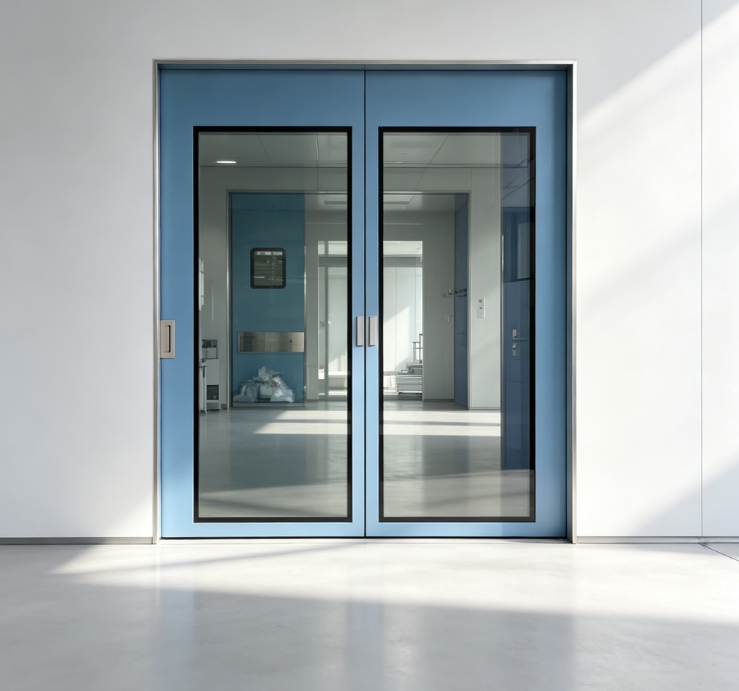
Aluminum doors are a critical component in biotechnology and laboratory clean rooms, providing both structural integrity and contamination control. These doors are designed to meet strict industry standards, ensuring a sterile and controlled environment while maintaining durability and operational efficiency. Their lightweight, corrosion-resistant properties make them ideal for sensitive laboratory applications where precision and cleanliness are essential.
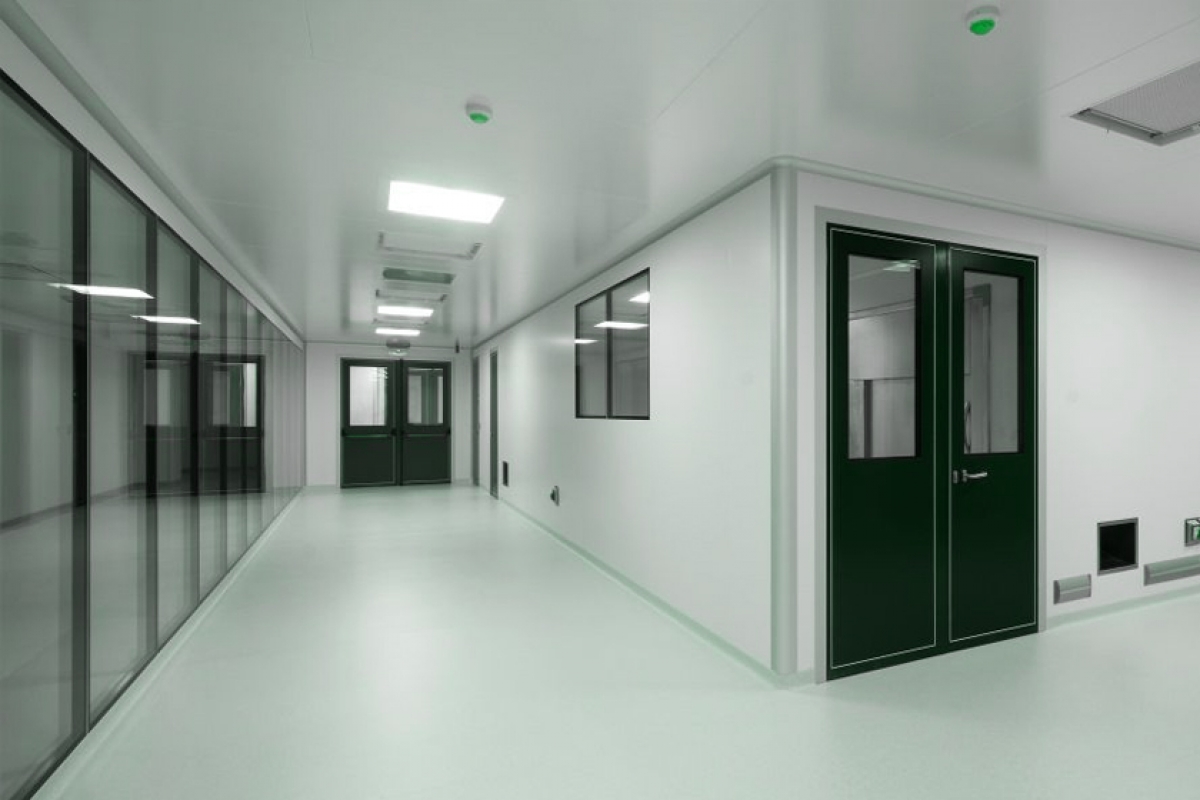
Key Features of Aluminum Clean Room Doors
Aluminum clean room doors are engineered with several key features that make them suitable for biotechnology and laboratory environments. They combine robust construction with smooth surfaces and precision sealing to prevent contamination and maintain controlled airflow.
Material Composition and Corrosion Resistance
These doors are typically constructed from high-quality anodized or powder-coated aluminum, which provides excellent corrosion resistance against chemical exposure, humidity, and frequent cleaning. This ensures a long service life even in laboratories with aggressive cleaning protocols or high moisture environments.
Smooth Surfaces and Cleanability
Smooth aluminum surfaces reduce particle accumulation and microbial growth. They are easy to clean and disinfect with standard laboratory cleaning agents, supporting compliance with GMP and ISO clean room standards. Rounded edges and concealed fasteners further enhance cleanability.
Sealing and Airflow Control
Aluminum doors incorporate high-quality seals and gaskets to maintain positive or negative pressure within clean room zones. Proper sealing prevents infiltration of contaminants and ensures consistent airflow, which is critical in biotechnology and laboratory processes such as sterile cell culture, reagent preparation, and analytical testing.
Design and Installation Considerations
The performance of aluminum clean room doors depends on careful design and installation. Engineers must consider door type, opening mechanisms, integration with walls and panels, and compatibility with automation or access control systems to optimize clean room operations.
Door Types and Mechanisms
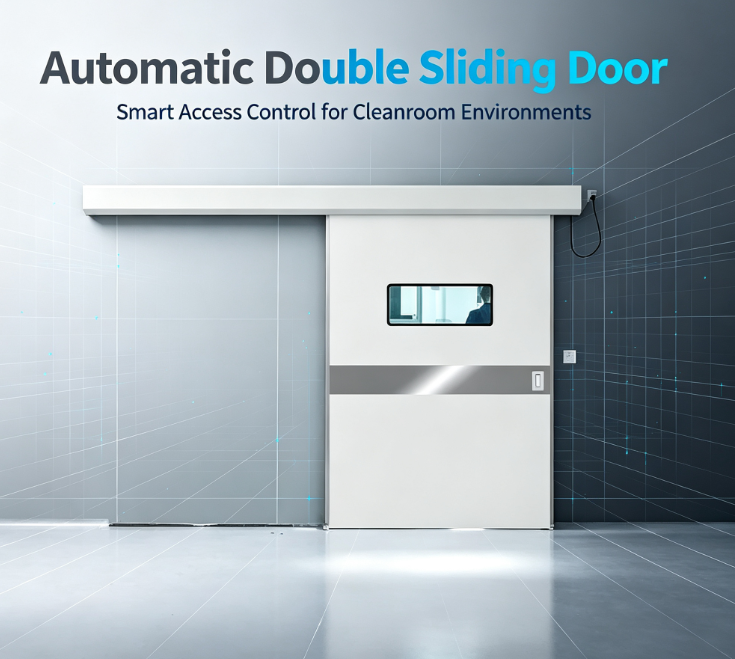
Common types include swing doors, sliding doors, and hermetically sealed doors. Swing doors are ideal for small entryways, sliding doors save space in narrow corridors, and hermetic doors are used in high-class clean rooms where strict pressure control is required. Selection depends on workflow, space constraints, and contamination control requirements.
Integration with Clean Room Panels
Aluminum doors are designed to seamlessly integrate with modular or fixed clean room panels. Precision alignment ensures airtight sealing, while modular designs allow for future expansions or reconfiguration. The door frame and panels must be compatible to maintain ISO classification levels and regulatory compliance.
Automation and Access Control
Doors can be equipped with automatic opening systems, sensors, or access control devices to minimize manual contact and reduce contamination risks. Integration with laboratory monitoring systems enables logging of personnel entry and exit, enhancing security and compliance.
Maintenance and Longevity
Routine maintenance ensures aluminum clean room doors continue to operate effectively while maintaining clean room integrity. Regular inspection, cleaning, and replacement of seals or gaskets are essential to prevent wear and maintain airtightness.
Cleaning Protocols
Doors should be cleaned with approved disinfectants that do not damage the aluminum surface. Smooth finishes allow for rapid removal of contaminants and reduce microbial growth. Cleaning frequency should align with clean room classification requirements.
Inspection and Repairs
Periodic inspections of hinges, seals, and hardware ensure optimal functionality. Damaged or worn components should be replaced promptly to maintain pressure integrity and prevent contamination. Proper lubrication and alignment checks prolong door lifespan and operational efficiency.
Applications in Biotechnology and Laboratory Settings
Aluminum clean room doors are widely used in areas where contamination control and regulatory compliance are critical. Their applications span multiple laboratory and biotechnology environments.
- Sterile pharmaceutical production zones, including aseptic filling and compounding areas
- Cell culture laboratories and tissue engineering facilities
- Analytical and quality control laboratories requiring strict clean room classifications
- Research and development laboratories in biotechnology and life sciences
Conclusion
Aluminum doors play a crucial role in maintaining the integrity, safety, and compliance of biotechnology and laboratory clean rooms. Their material properties, design features, and integration with clean room systems ensure contamination control, durability, and operational efficiency. By selecting the right door type, adhering to proper installation practices, and maintaining regular inspections, laboratories can achieve optimal performance and regulatory compliance while supporting high-quality research and production.