English
 русский
 Español
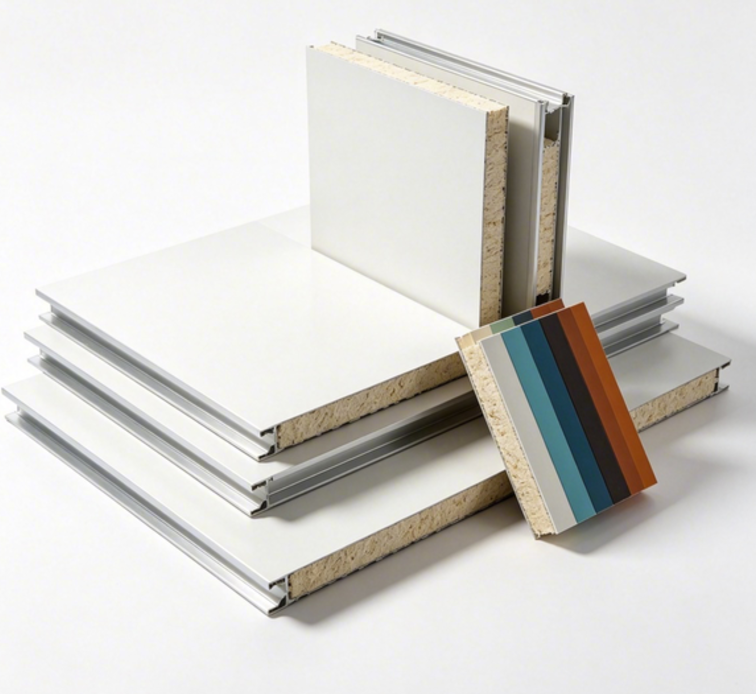
PCGI sandwich panels, often used in industrial, commercial, and residential buildings, provide efficient insulation, durability, and aesthetic appeal. However, proper maintenance is essential to preserve their performance, appearance, and structural integrity over time. Understanding how to maintain these panels helps building owners reduce long-term costs and ensures that the panels continue to perform as intended.
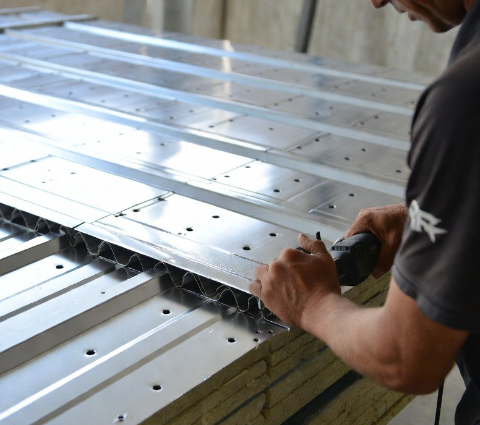
Maintenance involves cleaning, inspection, minor repairs, and environmental management. The tips discussed here provide practical guidance without delving into technical jargon or brand-specific instructions. The focus is on strategies that any building manager or facility operator can apply to maintain sandwich panels effectively.
Content
- 1 How Should PCGI Sandwich Panels Be Cleaned?
- 2 How Often Should Panels Be Inspected?
- 3 What Are the Best Practices for Fastener and Joint Maintenance?
- 4 How Can Panels Be Protected from Corrosion?
- 5 How Should Minor Damage Be Repaired?
- 6 How Can Environmental Factors Be Managed?
- 7 Are There Special Considerations for Roof and Wall Panels?
- 8 How Important Is Documentation and Record-Keeping?
How Should PCGI Sandwich Panels Be Cleaned?
Cleaning is the simplest yet effective form of maintenance. Dust, debris, and pollutants can accumulate on panel surfaces, reducing aesthetics and potentially causing corrosion over time.
- Use a soft brush or low-pressure water to remove loose dirt.
- Avoid abrasive tools that may scratch the panel's surface coating.
- Mild detergents or non-corrosive cleaning solutions can be used for stains.
Regular cleaning helps maintain the panel's protective coating and prevents the accumulation of materials that could compromise its lifespan.
Recommended Cleaning Practices
| Cleaning Method | Notes |
|---|---|
| Soft brush | Remove dust and loose particles |
| Low-pressure water | Wash away dirt without damaging coating |
| Mild detergent | For stubborn stains; non-corrosive |
How Often Should Panels Be Inspected?
Routine inspections are one of the simplest and effective ways to catch small problems before they grow into major structural, functional, or cosmetic issues with panels. Waiting until something is obviously wrong often means more expensive repairs or even replacement, so consistent checks help preserve both performance and longevity.
- Panels should be examined at regular intervals for these common early warning signs:
- Surface scratches, chips, fading, or any damage to protective coatings that could expose the underlying material to weathering, UV degradation, or moisture.
- Loose, missing, or corroded fasteners, screws, bolts, clips, or joints that might allow movement, vibration, or separation over time.
Evidence of water intrusion—such as staining, discoloration, rust spots, efflorescence, bubbling, or visible corrosion—around seams, edges, penetrations, or drainage points.
A good general practice is to perform a thorough visual and hands-on inspection at least twice a year—once in spring after winter weather has passed and once in fall before colder months set in—plus an additional quick check after any severe storm, high winds, hail, or prolonged heavy rain. For panels in harsh climates (coastal areas with salt air, regions with frequent freeze-thaw cycles, or high industrial pollution), increasing to quarterly inspections can be worthwhile.
Regular, proactive checks like these let you spot and address minor issues—tightening a loose fastener, sealing a small scratch, or cleaning debris from drainage channels—long before they compromise the panel's strength, weather resistance, watertight integrity, or overall appearance. This simple habit extends the service life of the panels, helps avoid unexpected failures, and keeps maintenance costs predictable and low.
What Are the Best Practices for Fastener and Joint Maintenance?
Fasteners and the joints they secure are essential for holding panels firmly in place and distributing loads evenly across the entire assembly. When they loosen, corrode, or lose their seal, even minor gaps can invite water infiltration, allow vibration-induced wear, or to gradual misalignment that shortens the life of the whole system. Regular, attentive maintenance on these small but critical elements is one of the effective ways to protect against water damage and preserve long-term structural reliability and appearance.
Follow these practical, hands-on practices during every inspection:
- Systematically check and snug up any fasteners that have loosened—screws, bolts, clips, rivets, or specialized hardware. Always use the proper driver bit or wrench and apply the manufacturer-recommended torque value; too much force risks stripping threads or damaging the panel material, while too little leaves play that accelerates fatigue and loosening over time.
- Carefully examine all joint sealing materials—continuous caulk beads, silicone seals, butyl rubber strips, foam compression gaskets, or pre-applied weatherproof tape—for cracking, shrinkage, hardening, brittleness, separation from the surface, or UV discoloration. Reapply fresh sealant or replace degraded sections as soon as issues appear to restore a continuous, flexible barrier against moisture.
- Inspect compressible gaskets, washers, O-rings, or sealing collars at each fastener penetration and joint interface. Look for flattening, cracking, permanent compression set, tearing, or missing pieces. Swap out any that no longer provide reliable compression and sealing to stop water from wicking along the fastener shaft or pooling in hidden areas.
- Watch for corrosion on metal fasteners—rust stains, pitting, white powdery oxidation on aluminum, or signs of galvanic action where different metals contact each other. Clean light surface corrosion, apply compatible anti-corrosion paste or protective coating during reassembly, and replace any fastener that shows significant pitting or section loss.
- Confirm that no fasteners are missing, sheared, or displaced and that all clips, brackets, interlocking joints, or alignment features remain fully engaged and properly positioned. A single overlooked missing piece can shift stress to adjacent fasteners and begin a chain of progressive failure.
Performing these checks and corrections during scheduled inspections (at spring and fall, plus after major weather events) closes off the primary routes for water entry, eliminates sources of unwanted movement or rattling, and keeps the entire panel system tight, watertight, and structurally sound. This focused attention on fasteners and joints often prevents the much larger problems—leaks, panel distortion, hidden rot, or early replacement—that arise when small issues are left unaddressed.
How Can Panels Be Protected from Corrosion?
Sandwich panels arrive with durable factory coatings—usually a layer of zinc galvanization topped by specialized polymer finishes—that form a reliable shield against rust and environmental degradation. Over years of exposure, however, these coatings can suffer scratches, chipping, abrasion, UV breakdown, or accidental damage that opens pathways for moisture and oxygen to reach the steel core and initiate corrosion. Simple, ongoing preventive measures make a big difference in extending the protective life of these coatings, preserving the panels'clean look and dependable structural performance.
Practical steps to maximize corrosion resistance include:
- Steer clear of any contact with aggressive chemicals or corrosive agents, including strong acids or bases, agricultural fertilizers, livestock manure, de-icing road salts, industrial cleaners or degreasers, runoff from fresh concrete, and certain household or pressure-washing detergents. Short-term exposure alone can break down or penetrate the polymer layers, leaving the zinc and steel vulnerable to rapid rusting.
- Prevent water from standing or ponding anywhere on the panels—particularly on flat or low-slope sections, along seams, around flashings, or in valleys and gutters. Prolonged wetness softens coatings, encourages mold/algae growth that holds moisture against the surface, and speeds up hidden under-film corrosion. Good initial design with adequate drainage slopes, routine clearing of leaves/debris from drainage paths, and allowing surfaces to dry quickly after storms or cleaning all help eliminate these risky wet conditions.
- Routinely inspect—and immediately protect—any cut edges, punched or drilled holes, field-trimmed areas, or spots where the original coating has been scraped, gouged, or worn away during handling, installation, or later modifications. Bare steel or even thinly galvanized edges corrode very quickly once exposed. Touch up these vulnerable zones right away with a matching touch-up paint, a high-zinc primer, or a specialized edge-seal product to re-establish a solid, continuous protective barrier.
Consistently applying these habits—blocking chemical exposure, keeping surfaces free of standing water, and repairing coating damage the moment it's spotted—dramatically lowers the odds of both spot corrosion and broader rust issues. The panels retain their smooth, professional appearance much longer, the weatherproof integrity of joints and seams stays strong, and the overall system avoids the early deterioration, leaks, or replacement costs that often follow neglected corrosion problems.
How Should Minor Damage Be Repaired?
During handling, installation, or normal day-to-day use, panels can pick up light scratches, shallow dents, or small spots where the protective coating has been disturbed. Taking care of these right away keeps minor issues from growing into serious problems.
Here's the practical approach:
- Apply touch-up paint that exactly matches the panel's original coating type and formulation. Doing this carefully covers scratches, seals bare spots, and brings back the protective layer.
- For shallow dents, select and use a filler that the panel manufacturer recommends or one confirmed compatible with the material. Smooth it out to restore an even surface.
- Check all sealing strips, gaskets, and weather seals regularly. If you find any that are torn, cracked, pulled loose, or missing entirely, replace them without delay to stop water, dust, or air from sneaking in.
Handling these small fixes as soon as you notice them keeps the panels completely weatherproof, structurally solid, and looking sharp and well-maintained for a long time.
How Can Environmental Factors Be Managed?
Panels face ongoing challenges from weather elements like rain, strong winds, blowing dust, sand, and intense UV sunlight. Taking proactive steps to manage these conditions helps preserve the panels'long-term performance, appearance, and durability.
Key protective measures include:
- Position and install panels with sufficient overhangs, eaves, or extended rooflines wherever possible. This helps shield the surfaces from direct rainfall, reducing water pooling, streaking, and edge erosion.
- In locations with very high UV exposure (intense sunlight year-round) or in coastal/salt-laden environments, apply additional protective films, clear overcoatings, or specialized UV-resistant topcoats designed for the panel material. These extra layers add defense against fading, chalking, and surface breakdown.
- Verify that effective drainage is built into the surrounding structure—proper slopes, gutters, flashings, and weep holes—so water flows away from the panels quickly and does not sit against joints, edges, or lower sections.
By thoughtfully controlling environmental impact through smart design and occasional added protection, you significantly lower the stress on the panels, slow material fatigue, and extend their reliable service life while keeping them looking good.
Are There Special Considerations for Roof and Wall Panels?
Roof and wall panels have different exposure levels and maintenance needs.
- Roof panels are more exposed to rainfall, debris, and UV light. Inspect for water pooling and clear gutters regularly.
- Wall panels may encounter wind-driven debris and need inspection for scratches or impact damage.
Tailoring maintenance practices to panel location ensures that both roof and wall installations remain in condition.
Maintenance Focus by Panel Location
| Panel Location | Key Maintenance Task |
|---|---|
| Roof | Check water drainage and UV exposure |
| Wall | Inspect for scratches, impact damage, and debris accumulation |
How Important Is Documentation and Record-Keeping?
One of the smartest habits you can develop for caring for your panels is to keep accurate, ongoing records of every inspection, cleaning session, and repair. A well-kept log acts like a health journal for the panels—it reveals trends, flags potential trouble before it escalates, and guides better choices for upkeep down the road.
Make sure to capture these essential details each time:
- Date of every inspection and a straightforward description of your findings: how the panel surfaces look, the state of seals and gaskets, condition of fasteners, levels of dirt or grime, any early wear, scratches, or other small issues noticed.
- Cleaning records: note the date of each cleaning, plus exactly what you did—frequency, tools or equipment used, cleaning agents or solutions applied (such as low-pressure washing, pH-neutral cleaners, or gentle brushes), and any observations about how the panels responded.
- Complete repair history: for every fix or part replacement, record what specifically was addressed or swapped out, the date it happened, the name of the person or company who carried it out, the exact materials or products used, and brief notes on the panel's condition right before and right after the work.
Store this information in whatever format works for you—a straightforward notebook, a basic spreadsheet on your computer or phone, or a purpose-built maintenance tracking app—so it stays easy to update and review. Over time, this simple practice gives you a clear, chronological picture of the panels'care. That record becomes invaluable for anticipating needs, supporting any warranty discussions, recognizing repeat problems early, and making sure critical details never slip through the cracks as the years go by.
PCGI sandwich panels offer reliable performance, but consistent maintenance is key to extending their service life and preserving their functionality. Cleaning, inspection, fastener management, corrosion prevention, minor repairs, environmental care, and record-keeping together create a proactive maintenance strategy. Proper attention ensures that these panels continue to provide insulation, aesthetic value, and structural stability for years to come.