English
 русский
 Español
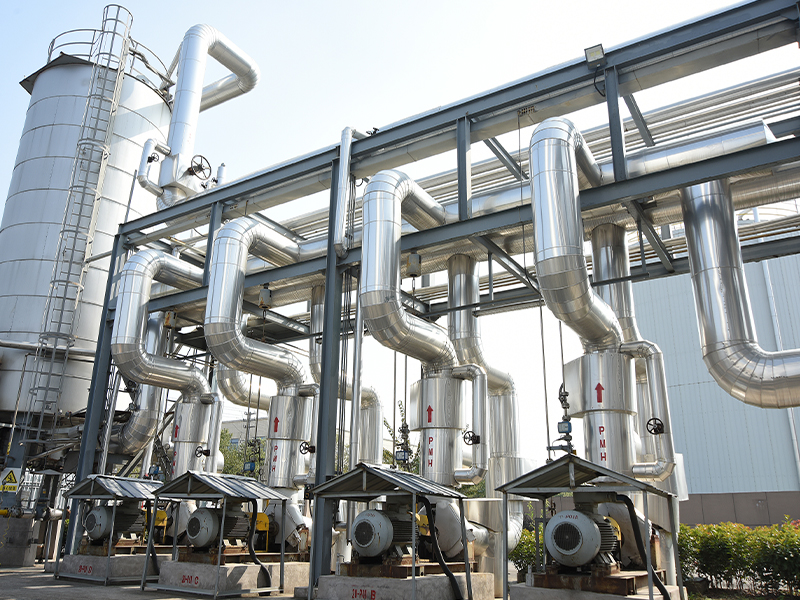
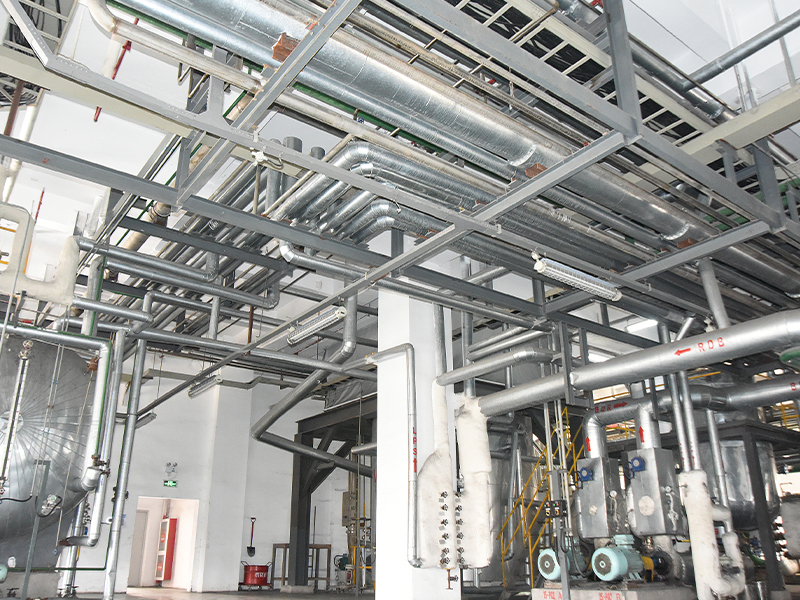
In Utilities for Clean Room Factory , production equipment often receives of the attention. Large systems, automated lines, and controlled workspaces are easy to notice. Utilities, on the other hand, tend to stay in the background until something stops working properly.
Yet the daily condition of a clean room depends heavily on utility management. Air movement, water supply, temperature control, pressure balance, and power stability all connect to the production environment in quiet but constant ways.
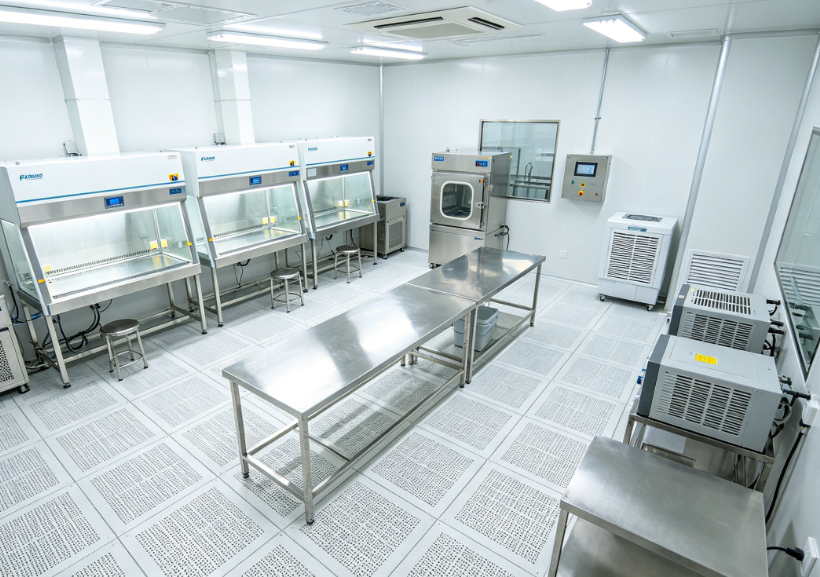
When these systems operate smoothly, people rarely discuss them. When they drift out of balance, the entire workflow can become difficult to manage.
Content
- 1 Why is utility management so important in clean room factories?
- 2 Why does airflow control become difficult over time?
- 3 How does temperature and humidity create management pressure?
- 4 Why do pressure differences require constant attention?
- 5 How does utility maintenance become a long-term challenge?
- 6 Why does energy usage become difficult to manage?
- 7 How do water systems create hidden complications?
- 8 Why is coordination between systems often difficult?
- 9 How does equipment growth affect utility planning?
- 10 Why does contamination prevention complicate maintenance work?
- 11 How does monitoring become difficult in large facilities?
- 12 Why are utility interruptions especially sensitive in clean rooms?
- 13 How do human activities influence utility stability?
- 14 Why does long-term consistency remain difficult?
Why is utility management so important in clean room factories?
A clean room is not simply a closed space with filtered air. It is a controlled environment where multiple systems work together continuously.
Utilities support that environment behind the scenes.
They help maintain:
- stable air conditions
- controlled humidity levels
- consistent room pressure
- equipment operation
- cleaning and processing routines
In many factories, utility systems run without interruption for long periods. Because of this, even small inconsistencies can gradually affect production conditions.
The challenge is not only building these systems, but keeping them stable every day.
Why does airflow control become difficult over time?
Air management is usually one of the sensitive parts of a clean room environment. At the beginning of operation, airflow patterns may appear balanced and predictable. Over time, conditions can change.
Small shifts in equipment placement, maintenance activity, or room usage may influence how air moves through the space.
In practical situations, common difficulties include:
- uneven airflow between work areas
- blocked circulation around equipment
- changes caused by door movement
- buildup near filters or vents
These changes are not always dramatic. Sometimes they develop slowly and only become noticeable after workflow efficiency starts changing.
| Airflow issue | Possible effect |
|---|---|
| Uneven circulation | Inconsistent room conditions |
| Restricted movement | Localized buildup risk |
| Pressure fluctuation | Disrupted separation areas |
| Vent obstruction | Reduced airflow stability |
Because air systems operate continuously, small problems can spread through the environment quietly.
How does temperature and humidity create management pressure?
Temperature and humidity control sounds straightforward on paper. In real operation, it becomes more complicated because conditions rarely stay constant throughout the day.
People moving through rooms, operating equipment, and changing production schedules all influence the environment.
One area may become warmer due to equipment activity while another remains stable. Moisture conditions can also shift depending on workflow intensity or cleaning routines.
This creates several management concerns:
- balancing room comfort with production needs
- avoiding sudden environmental shifts
- maintaining stable conditions during long operating periods
- adjusting systems without affecting nearby areas
The difficulty often comes from maintaining consistency rather than reaching a single target condition.
Why do pressure differences require constant attention?
Many clean room layouts rely on controlled pressure differences between spaces. These pressure relationships help guide airflow direction and reduce unwanted movement between areas.
In theory, the setup seems simple. In practice, pressure balance changes easily.
Opening doors, changing equipment layout, or adjusting airflow systems can all influence room pressure.
Facilities often deal with situations such as:
- temporary pressure drops during movement
- imbalance between connected spaces
- airflow competition between rooms
- unstable transitions between production zones
Pressure problems may not always be visible immediately, but they can influence contamination control and workflow reliability over time.
How does utility maintenance become a long-term challenge?
One of the less discussed aspects of clean room management is the difficulty of maintaining utility systems without interrupting production.
Unlike office buildings, clean room environments often cannot stop operating for long periods. Maintenance must therefore fit around ongoing activity.
This creates pressure in several ways:
- systems require inspection while remaining operational
- repairs may affect nearby controlled spaces
- access to utility areas can be limited
- routine servicing must avoid introducing contamination risks
Over time, maintenance planning becomes almost as important as the equipment itself.
Why does energy usage become difficult to manage?
Clean room utilities operate continuously. Air systems, cooling units, filtration equipment, and monitoring devices often run throughout the day and night.
As a result, energy management becomes a major operational concern.
The challenge is balancing environmental stability with practical energy use.
Factories often face questions such as:
- how to reduce unnecessary energy consumption
- how to keep systems stable during lower activity periods
- how to adjust utilities without affecting room balance
- how to coordinate multiple systems efficiently
In many situations, reducing energy use too aggressively can create new environmental instability.
Water systems in clean room factories are easy to underestimate because much of the infrastructure remains out of sight.
Still, water-related utilities support cleaning processes, equipment operation, and controlled production activities.
Common concerns include:
- maintaining stable supply conditions
- preventing interruptions during operation
- managing drainage safely
- avoiding unwanted moisture accumulation
Even minor water-related issues can affect surrounding environmental conditions if not handled carefully.
Why is coordination between systems often difficult?
One challenge in utility management is that systems rarely operate independently.
Air control affects temperature. Temperature changes influence humidity. Pressure conditions depend on airflow stability. Equipment activity changes heat distribution.
Because everything is connected, adjustments in one area may unintentionally affect another.
For example:
| Utility adjustment | Possible secondary effect |
|---|---|
| Increased airflow | Temperature variation |
| Humidity reduction | Static buildup concerns |
| Pressure adjustment | Air movement changes |
| Cooling modification | Condensation risk |
This interconnected behavior makes utility management more complex than simple system operation.
How does equipment growth affect utility planning?
Many clean room factories expand gradually. Additional production lines, new equipment, or layout adjustments are introduced over time.
The original utility design may not always match these later changes.
As factories evolve, management teams may face:
- uneven utility distribution
- overloaded support systems
- limited installation space
- difficulties integrating old and new infrastructure
In some facilities, utility systems become layered over time rather than redesigned completely. This can make troubleshooting more difficult later.
Why does contamination prevention complicate maintenance work?
Maintenance activity itself can become a contamination concern in clean room environments.
Opening access panels, replacing components, or inspecting systems may introduce particles or disturb controlled airflow patterns.
Because of this, maintenance work often requires extra planning.
Teams may need to consider:
- temporary isolation of work zones
- controlled movement of tools and materials
- scheduling during lower activity periods
- additional cleaning after servicing
The work is not only about fixing equipment. It is also about protecting the surrounding environment during the process.
How does monitoring become difficult in large facilities?
As facilities grow, monitoring utility performance becomes more complicated.
Large clean room operations may contain multiple controlled spaces operating under slightly different conditions. Watching all systems at the same time requires coordination and careful observation.
Challenges often include:
- identifying small environmental changes early
- comparing conditions between areas
- responding quickly to irregular readings
- avoiding information overload for operators
Sometimes the hardest part is not collecting information, but deciding which changes actually require action.
Why are utility interruptions especially sensitive in clean rooms?
In ordinary buildings, temporary utility interruptions may create inconvenience. In clean room environments, even short disruptions can affect production conditions.
A brief change in airflow or pressure balance may require additional inspection before work continues normally.
This sensitivity creates pressure around:
- backup planning
- response procedures
- communication between departments
- recovery after interruptions
Because utilities support the environment itself, their stability directly affects operational continuity.
How do human activities influence utility stability?
Even advanced systems are influenced by daily human activity.
Door movement, equipment handling, maintenance access, and changes in production pace all interact with utility conditions.
In practice, this means environmental control is never fully static.
Operators may notice:
- airflow changes during busy periods
- temperature shifts around active equipment
- pressure fluctuation during frequent movement
- humidity variation after cleaning procedures
The environment responds continuously to what people are doing inside the facility.
Why does long-term consistency remain difficult?
The largest challenge in clean room utility management is often consistency over time.
A system may work well for weeks or months, then slowly drift due to wear, layout changes, maintenance differences, or production adjustments.
The difficulty is that these changes are usually gradual rather than sudden.
Managers therefore spend much of their effort on:
- observing trends before problems become visible
- balancing efficiency with environmental stability
- coordinating maintenance with production demands
- keeping systems aligned as facilities evolve
Utility management in clean room factories is less about one-time setup and more about continuous adjustment inside an environment that rarely stays completely unchanged.