English
 русский
 Español
Cleanrooms play a crucial role in modern manufacturing. As the industrialization process continues, the application of cleanrooms is becoming increasingly widespread, especially in industries such as pharmaceuticals, electronics, semiconductors, and food production. Maintaining a clean environment is vital to product quality and the safety of the production process. The effective design and management of cleanroom facilities not only relate to controlling environmental pollution but also directly impact the final product's quality and safety. In this article, we will explore the basic facilities of cleanrooms, challenges faced during their operation, how these facilities affect product quality and production safety, and provide an outlook on the future development of cleanroom facilities.
Content
- 1 What are the basic facilities of a cleanroom?
- 2 What are the challenges in maintaining the proper functioning of cleanroom facilities? How can these challenges be addressed?
- 3 How Cleanroom Facilities Affect Product Quality and Safety
- 4 Optimization and Innovation of Cleanroom Facilities
- 5 Future Outlook for Cleanroom Facilities
- 6 Why Choose YD-Purification's Utilities for Clean Room?
What are the basic facilities of a cleanroom?
The facilities required in a cleanroom are precise and diverse. Below is a detailed description of its basic facilities:
1. Air Purification System
The air purification system of a cleanroom is critical as it filters out particles, microorganisms, and other contaminants from the air to maintain a clean environment.
HEPA and ULPA Filters: These high-efficiency air filters effectively remove suspended particles and microorganisms from the air.
Airflow Design: Cleanrooms usually employ laminar airflow design to ensure that air flows from clean areas to contaminated areas, thus preventing the spread of pollutants.
| Air Purification System Function | Technical Requirements | Purpose |
|---|---|---|
| HEPA Filters | Minimum 99.97% filtration efficiency | Removes particles and bacteria |
| ULPA Filters | Minimum 99.9995% filtration efficiency | High-efficiency particle removal |
| Laminar Flow Design | Low-speed laminar airflow, even distribution | Ensures cleanliness, prevents contamination spread |
2. Temperature and Humidity Control System
The temperature and humidity control system is designed to maintain stable temperature and humidity levels within the cleanroom. This is crucial to prevent equipment damage and product quality variation.
Temperature Control: Maintains the environment temperature within a specified range to avoid fluctuations that could affect products or the production process.
Humidity Control: Keeps relative humidity within an appropriate range to prevent material property changes or microorganism growth due to humidity fluctuations.
| Temperature and Humidity Control System Function | Technical Requirements | Purpose |
|---|---|---|
| Temperature Control | Stable within ±1°C | Maintains product stability, prevents thermal stress |
| Humidity Control | Stability between 40%-60% | Controls humidity, prevents moisture-related issues |
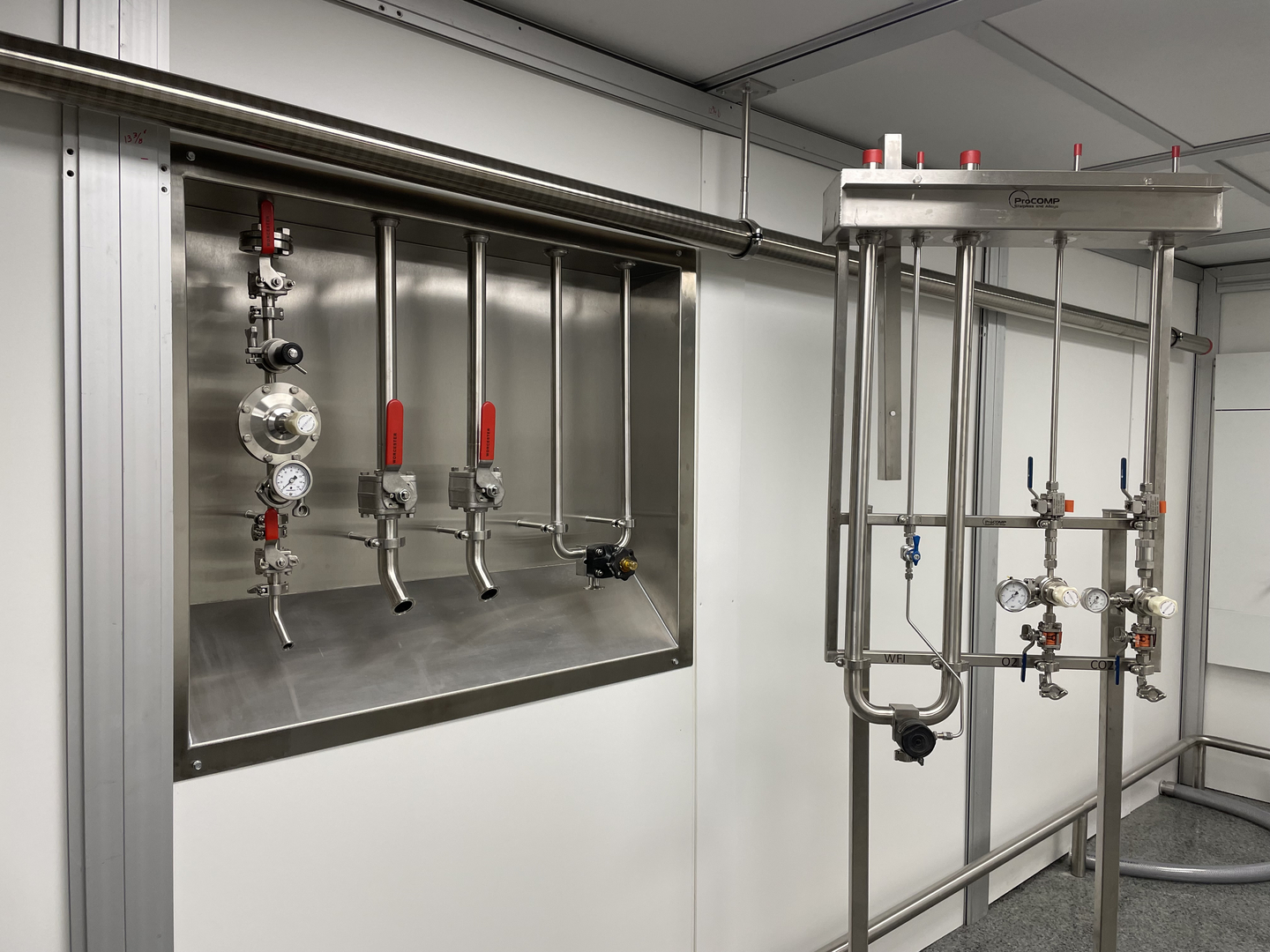
3. Water and Gas Supply System
Cleanrooms require the use of high-purity water and gases to ensure that contaminants do not enter during the production process, affecting product quality.
Ultrapure Water System: Provides ultrapure water, widely used in pharmaceuticals and semiconductor manufacturing.
Gas Supply System: Provides high-purity gases (such as nitrogen, oxygen) to ensure production safety and prevent contamination.
| Water and Gas Supply System Function | Technical Requirements | Purpose |
|---|---|---|
| Ultrapure Water System | Conductivity less than 0.1 μS/cm | Ensures no contamination from water impurities |
| High-Purity Gas System | Gas purity ≥99.99% | Provides contaminant-free gases to maintain the production environment |
4. Power and Lighting System
The power system within a cleanroom must be highly stable. Any power outage or fluctuations can to production interruptions or equipment damage.
Stable Power Supply: Cleanrooms are equipped with backup power systems to ensure that equipment continues to run even during power outages.
Cleanroom Lighting: Cleanroom-specific lighting is used that does not produce contaminants, ensuring a bright environment without interfering with cleanliness.
| Power and Lighting System Function | Technical Requirements | Purpose |
|---|---|---|
| Stable Power Supply | Backup power systems | Prevent production downtime due to power failure |
| Dedicated Lighting System | Non-contaminating light sources | Provides adequate lighting without causing contamination |
5. Monitoring and Alarm System
To ensure the stable operation of cleanroom facilities, real-time monitoring of environmental parameters is necessary.
Environmental Monitoring: Includes real-time monitoring of temperature, humidity, airflow speed, and contaminant concentration.
Alarm System: When environmental parameters deviate, the alarm system can promptly alert and prevent potential production accidents.
| Monitoring and Alarm System Function | Technical Requirements | Purpose |
|---|---|---|
| Environmental Parameter Monitoring | Real-time data collection and recording | Ensures environmental stability, detects issues promptly |
| Abnormal Alarm System | Automatic alarm, linked emergency response | Safeguards production and prevents disasters |
What are the challenges in maintaining the proper functioning of cleanroom facilities? How can these challenges be addressed?
Although cleanroom facilities play a crucial role in product quality control, their maintenance and management face numerous challenges. Here are the key challenges and the corresponding solutions:
1. Equipment Aging and Wear
Challenge
Critical cleanroom equipment such as air purification systems (HEPA/ULPA filters), air conditioning systems, pumps, and pipelines tend to age and wear over time. The decrease in the efficiency of these devices can result in unstable cleanroom environmental parameters, which in turn impacts product quality.
Solutions
- Regular Inspection and Replacement: Key equipment should be regularly inspected, with particular attention to air filters, air conditioning units, and pumps. Filters typically need replacement every 6 to 12 months depending on usage.
- Equipment Upgrades: Choose high-quality, durable equipment, and upgrade outdated equipment when necessary. For instance, upgrading to more efficient HEPA or ULPA filters can significantly improve air purification efficiency.
- Preventive Maintenance: Establish a preventive maintenance program to regularly maintain and service equipment, reducing the occurrence of equipment failures.
2. Contamination and Cross-Contamination Risks
Challenge
Contamination sources include particles in the air, workers'clothing, and the surfaces of production equipment. The introduction of any external contaminants can disrupt the cleanroom environment and even to product contamination. This problem becomes more prominent in cleanrooms with concurrent processes, increasing the risk of cross-contamination.
Solutions
- Strict Cleanroom Management Protocols: Develop rigorous operational protocols requiring workers to wear appropriate cleanroom clothing, regularly disinfect, and undergo training to reduce human-induced contamination.
- Airflow Control: Design an effective airflow system to ensure air flows from clean areas to contaminated areas, preventing pollutants from spreading. Laminar flow ventilation systems are commonly used to effectively control air movement and reduce cross-contamination.
- Regular Cleaning and Disinfection: Cleanroom equipment, floors, and walls should be regularly cleaned and disinfected with approved agents to eliminate potential contamination sources.
3. System Failures and Downtime Risks
Challenge
Critical systems like air conditioning, humidity control, and water supply in the cleanroom must remain operational at all times. Any failure or downtime in these systems can cause production delays and environmental instability, impacting product quality and production efficiency.
Solutions
- Backup Systems and Emergency Measures: Equip key systems with backup systems such as backup generators, air conditioning units, and water sources to immediately switch to backup systems in case of main system failures, reducing downtime.
- Real-time Monitoring and Alarm Systems: Use intelligent monitoring systems to continuously monitor cleanroom parameters (such as temperature, humidity, airflow, and air quality). When anomalies are detected, the system automatically issues an alert, allowing for timely intervention.
- Regular Testing and Drills: Conduct regular tests and drills on emergency response plans to ensure quick response in case of system failures, minimizing downtime and its impact.
4. Maintenance Costs and Operational Complexity
Challenge
The maintenance requirements for cleanroom facilities are high, and the complexity of operation and maintenance increases, especially in high-standard cleanrooms. Additionally, maintenance costs are continually rising, putting financial pressure on businesses.
Solutions
- Efficient Equipment: Choose energy-efficient and low-maintenance equipment to reduce energy consumption and maintenance costs. For example, using low-energy air conditioning systems and long-lasting filters can help reduce long-term operating costs.
- Automation and Intelligence: Implement automated management systems and intelligent monitoring devices to reduce manual intervention and increase maintenance efficiency. Smart management can provide real-time feedback on equipment performance, prevent failures, and reduce operational complexity.
- Outsource Maintenance Services: For high-tech equipment, consider outsourcing maintenance services to specialized companies. This reduces internal staff training and management costs while ensuring the equipment operates at peak performance.
5. Environmental Fluctuations and Climate Change Impact
Challenge
Changes in temperature, humidity, and airflow, as well as external environmental shifts, can impact the stability of the cleanroom environment. For example, external temperature changes might affect the stability of the air conditioning system, and humidity variations might to condensation on equipment or microbial growth.
Solutions
- Precise Temperature and Humidity Control: Install precise temperature and humidity control equipment to maintain a stable internal environment. High-efficiency air conditioning systems and humidity control devices can help ensure that temperature and humidity remain within the specified range.
- Optimized Airflow Design: Properly design airflow paths and airspeed within the cleanroom to ensure air circulates efficiently, preventing the negative impact of temperature and humidity fluctuations.
- Environmental Monitoring and Adjustment: Use environmental monitoring systems to track changes in temperature, humidity, and airflow in real time. Automated adjustment systems can compensate for changes and ensure the cleanroom environment remains stable.
6. Personnel Management and Operating Procedures
Challenge
Personnel management is a significant challenge in cleanroom operations. Improper operations, improper wearing of cleanroom clothing, and other factors can allow external contaminants to enter the cleanroom, affecting product cleanliness.
Solutions
- Strict Personnel Training and Management: All personnel entering the cleanroom must undergo thorough training to ensure they understand cleanroom operational procedures and minimize contamination risks.
- Standardized Use of Cleanroom Clothing: Establish clear guidelines for the use of cleanroom clothing and regularly check the condition of these garments. Ensure that personnel do not bring external contaminants into the cleanroom.
- Entry Control and Disinfection: Cleanroom entrances should be equipped with washing and disinfection facilities. Personnel must undergo thorough cleaning and disinfection before entering the cleanroom to prevent contamination.
How Cleanroom Facilities Affect Product Quality and Safety
Cleanroom facilities play a crucial role in ensuring product quality and safety across various high-precision manufacturing industries. The effects of cleanroom facilities on product quality are multifaceted, impacting the entire production process. Below are key aspects of how cleanroom facilities affect product quality and safety:
1. Ensuring Product Cleanliness
One of the core functions of a cleanroom is to maintain the cleanliness of the environment, which directly impacts product quality, especially in industries like pharmaceuticals, semiconductors, and electronics.
Air Quality Control: Cleanroom air purification systems (such as HEPA/ULPA filters) effectively remove particles, microorganisms, and other contaminants from the air. If air quality is not strictly controlled, pollutants may adhere to the surface of products or enter them, defects or contamination.
Particulate Control: The design and operation of cleanrooms aim to minimize the number of particles in the air. For example, in the pharmaceutical industry, even the smallest particle contamination can compromise the purity of drugs, posing health risks to patients. In semiconductor manufacturing, airborne dust particles can affect chip manufacturing precision, product defects.
Contamination SourcePotential ImpactSolution
| Contamination Source | Potential Impact | Solution |
|---|---|---|
| Airborne particles | Affects the purity and performance of drugs or chips | Use high-efficiency filtration systems (HEPA, ULPA) |
| Microbial contamination | Causes biological product contamination or drug failure | Regular air monitoring and surface disinfection |
| Environmental static | Affects sensitive electronic components, equipment damage | Anti-static design and material selection |
2. Controlling Temperature and Humidity for Product Stability
Temperature and humidity control is another critical aspect of cleanroom environments. Excessively high or low temperature and humidity levels can negatively affect product quality and performance.
Temperature Fluctuations: In high-precision manufacturing processes, temperature changes can to thermal expansion or contraction of materials, affecting product appearance or functionality. For instance, in the pharmaceutical industry, temperature fluctuations can compromise the chemical stability of drugs.
Humidity Control: Both excessive humidity and low humidity can affect product quality. In semiconductor manufacturing, excessive humidity can to condensation on product surfaces, affecting process precision. In some pharmaceutical processes, excessively low humidity can to undesirable reactions on drug surfaces.
| Temperature & Humidity Fluctuation | Potential Impact | Solution |
|---|---|---|
| Temperature fluctuations | Material expansion or contraction, affecting product size and quality | Install efficient temperature control systems, regularly monitor and adjust |
| Humidity fluctuations | Affects the chemical stability of products, causing failure | Use precise humidity control devices to maintain a stable environment |
3. Maintaining Stability of the Production Environment
The design and management of cleanroom facilities ensure the stability of the production environment, which is crucial for manufacturing sensitive products. Any fluctuations in the production environment can to a significant decline in product quality.
Airflow Control: Cleanrooms typically use laminar flow ventilation systems to ensure air flows from clean areas to contaminated areas, effectively controlling the spread of pollutants. If the airflow system is improperly designed or malfunctions, airborne contaminants could pollute products or disrupt the manufacturing process.
Environmental Monitoring Systems: Real-time monitoring systems track environmental parameters such as temperature, humidity, airflow speed, and air quality. If any abnormality is detected, the system can immediately trigger an alarm and initiate emergency measures to prevent production disruptions.
| Environmental Parameter | Potential Impact | Solution |
|---|---|---|
| Improper airflow direction | Cross-contamination, affecting product cleanliness | Use laminar flow systems to precisely control air direction |
| Unstable environmental temperature and humidity | Impacts process precision, defective products | Equip real-time monitoring systems to ensure environmental stability |
4. Compliance with Certification Standards
Cleanroom facilities are not only critical to product quality and safety but also influence whether businesses can pass stringent quality certifications and regulatory audits. Many industries, including pharmaceuticals, food production, and electronics, require production processes to meet international standards and regulations (e.g., ISO 14644, GMP). Cleanroom facilities help companies meet these standards, ensuring product compliance.
Certification Standards: For example, the pharmaceutical industry mandates that cleanrooms meet Good Manufacturing Practices (GMP), which include strict requirements for air quality, temperature, humidity, and cleanliness. Drugs manufactured in cleanrooms that meet these standards are eligible for market approval.
Standardized Management: By using high-standard cleanroom facilities, businesses can produce products under a controlled environment that ensures every batch meets quality and safety standards.
| Certification Standard | Potential Impact | Solution |
|---|---|---|
| GMP | Non-compliance could to non-compliant products that cannot be sold | Establish a comprehensive cleanroom management system to ensure standards are met |
| ISO 14644 | Impacts the classification of the cleanroom, products being unable to leave the facility | Ensure cleanroom facilities meet international standards and conduct regular validations |
5. Preventing the Introduction of External Contaminants
Cleanroom facilities not only control the internal environment but also need to effectively prevent the introduction of external contaminants. Cleanrooms often have multiple access control systems to ensure that any material entering the cleanroom does not introduce pollutants.
Personnel Management: Personnel entering the cleanroom must wear approved cleanroom garments and undergo necessary disinfection procedures to prevent carrying contaminants. Any lapse in this process could to the introduction of pollutants.
Material Management: All materials and equipment entering the cleanroom must undergo rigorous cleaning and disinfection to prevent contamination. Special transfer windows and cleaning zones are used to ensure this process is seamless.
| Contamination Control Method | Potential Impact | Solution |
|---|---|---|
| Personnel management | Personnel bringing in contaminants, affecting product quality | Strict cleaning and disinfection requirements, use of cleanroom clothing |
| Material management | Contamination of raw materials or equipment, product defects | Cleaning and disinfection procedures for materials and equipment before entering the cleanroom |
Optimization and Innovation of Cleanroom Facilities
With the continuous advancement of technology, cleanroom facilities are constantly being optimized and innovated to improve efficiency, sustainability, and adaptability to the evolving needs of modern manufacturing industries. Below are some key areas of innovation and optimization in cleanroom facilities:
1. Intelligent Monitoring and Automation
In recent years, the application of intelligent monitoring systems and automation technology has significantly enhanced the management of cleanrooms. By leveraging real-time data monitoring and analysis, operators can gain insights into the cleanroom's environmental conditions and make adjustments based on the data.
- Real-time Data Monitoring: Advanced sensors and monitoring systems allow for continuous tracking of key parameters such as air quality, temperature, humidity, and airflow speed. This enables operators to identify issues early and take corrective action to maintain conditions.
- Automated Control Systems: Automation technology can adjust environmental parameters automatically based on pre-set criteria, reducing the need for manual intervention and improving operational efficiency. For example, automated systems can adjust airflow speeds or activate additional filtration as needed.
- Predictive Maintenance: By analyzing data from cleanroom equipment, predictive maintenance systems can forecast potential failures before they occur, enabling timely repairs and minimizing downtime. This enhances equipment reliability and extends its operational life.
2. Energy Efficiency and Sustainable Design
Energy efficiency and environmental sustainability have become increasingly important goals in cleanroom design and operation. By integrating energy-saving technologies, cleanroom facilities can lower operational costs and reduce their environmental impact.
- Efficient Filtration Systems: Newer, more energy-efficient filters, such as high-efficiency particulate air (HEPA) and ultra-low penetration air (ULPA) filters, not only provide air purification but also consume less energy, reducing overall energy costs.
- Low Energy Consumption for HVAC and Lighting: Advanced HVAC (heating, ventilation, and air conditioning) systems and LED lighting solutions can significantly reduce energy consumption. These systems are designed to maintain the required cleanroom conditions while minimizing energy use.
- Sustainable Materials: The use of sustainable materials in the construction of cleanroom walls, floors, and ceilings helps reduce environmental impact while maintaining high levels of cleanliness and stability. Moreover, efficient water usage and waste management systems help minimize resource consumption.
3. Modular and Flexible Layouts
The modular design of cleanroom facilities enables greater flexibility and scalability, allowing cleanrooms to adapt to changing production needs. As industries demand more agile production systems, cleanrooms are increasingly being designed for easy reconfiguration and expansion.
- Scalable Design: Modular cleanrooms allow for easy expansion or downsizing based on production needs, making them ideal for industries with fluctuating production volumes. This flexibility reduces the cost and effort associated with building new facilities from scratch.
- Customizable Layouts: The layout of a modular cleanroom can be adjusted to accommodate specific production processes, such as adding additional airlocks or adjusting the size of the cleanroom spaces to better suit the flow of materials and personnel.
- Quick Setup: Modular cleanroom systems can be assembled quickly and efficiently, reducing times for setting up production lines. This is particularly beneficial for companies that need to rapidly scale production or implement new manufacturing processes.
Future Outlook for Cleanroom Facilities
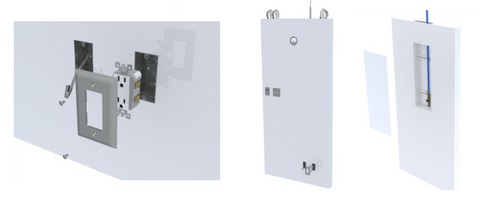
The role of cleanroom facilities in modern manufacturing is becoming increasingly important as industries continue to advance in terms of technology, quality standards, and regulatory requirements. From air purification and temperature/humidity control to water and gas supply systems and electrical support, these facilities work together to maintain stable environments and ensure high-quality products.
As technology progresses and management methods evolve, cleanroom facilities will become even more intelligent, efficient, and sustainable, providing more reliable and stable production environments for industries across the board. The future of cleanroom facilities will likely include:
- Increased Integration of AI and IoT: Artificial intelligence (AI) and the Internet of Things (IoT) will be used to further optimize cleanroom operations, from real-time monitoring and control to predictive maintenance and process optimization.
- Green Cleanrooms: As environmental sustainability becomes a central concern for industries, future cleanrooms will likely be designed to be even more eco-friendly, with further advancements in energy efficiency, water conservation, and waste management.
- Advanced Air Purification Technology: Continued research and development in air filtration and purification will further improve the efficiency and effectiveness of cleanroom environments, particularly in industries like pharmaceuticals, semiconductor manufacturing, and biotechnology, where the level of cleanliness required is extremely high.
The ongoing optimization and innovation in cleanroom facilities will enhance operational efficiency, reduce environmental impact, and ensure compliance with stringent industry standards. As manufacturing demands evolve, cleanrooms will continue to play a critical role in maintaining the quality and safety of products across various industries.
Why Choose YD-Purification's Utilities for Clean Room?
- Efficient Air Purification: Utilizes advanced HEPA and ULPA filters to ensure high air quality within the cleanroom.
- Precise Temperature and Humidity Control: Maintains environmental stability to ensure product quality.
- High-Purity Water and Gas Supply: Guarantees the purity of water and gases to avoid contamination.
- Intelligent Monitoring and Management: Real-time monitoring of environmental parameters, with timely alerts and preventive maintenance.
- Compliance Assurance: Meets international standards such as ISO 14644 and GMP, ensuring production compliance.
- Modular Design: Flexible adjustment and expansion of cleanroom facilities to adapt to changing production needs.
- Energy Efficiency and Environmental Friendliness: Uses energy-efficient equipment to lower operational costs and reduce environmental impact.
- Professional After-Sales Service: Provides comprehensive technical support and maintenance services to ensure stable operation of equipment.