English
 русский
 Español
Noise management has become an essential consideration in modern architecture, industrial facilities, and urban development. Sound pollution affects comfort, productivity, and safety. Materials that reduce sound transmission are increasingly in demand. Polyphen, a type of sandwich panel material, has emerged as a candidate for effective sound insulation. Its structure and composition promise not only thermal performance but also acoustic control.
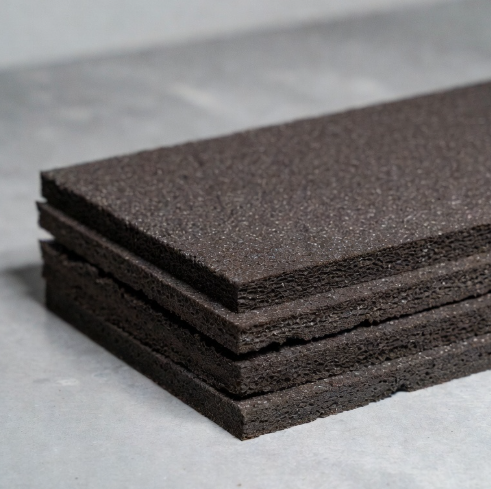
Understanding its effectiveness requires looking at both material properties and application methods. Polyphen panels are used in walls, ceilings, partitions, and industrial enclosures. They can influence the way sound travels, reflects, and dissipates in enclosed and open spaces.
Content
- 1 What Makes Polyphen Material Suitable for Acoustic Applications?
- 2 How Does Polyphen Compare to Traditional Sound Insulation?
- 3 Can Polyphen Panels Reduce Noise in Industrial Settings?
- 4 How Do Installation Methods Affect Sound Insulation?
- 5 Are Polyphen Panels Effective Across Different Noise Frequencies?
- 6 Can Polyphen Be Used in Residential and Commercial Buildings?
- 7 How Do Polyphen Panels Support Sustainable Construction?
- 8 What Limitations Should Be Considered?
What Makes Polyphen Material Suitable for Acoustic Applications?
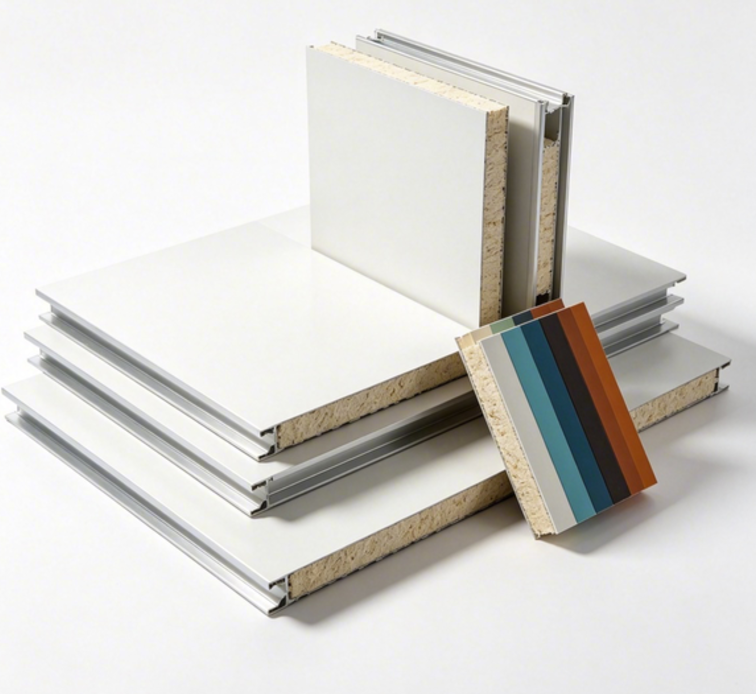
Polyphen materials combine layers of polymers and fillers arranged in a sandwich structure. This design inherently provides mass and density variations that are key to reducing sound transmission.
Acoustic performance depends on several factors:
- Material density and stiffness.
- Thickness of the panel.
- Presence of air gaps or cavities.
- Surface finish and porosity.
The combination of polymer cores and rigid facings creates a structure that can absorb, reflect, and dampen sound waves. Panels are designed to reduce both airborne noise, such as speech or machinery hum, and impact noise, such as footsteps or mechanical vibrations.
Factors Affecting Acoustic Performance
| Factor | Influence on Sound Insulation |
|---|---|
| Panel thickness | Thicker panels reduce higher frequency transmission |
| Material density | Denser materials absorb more energy |
| Core structure | Honeycomb or foam cores enhance damping |
| Surface finish | Textured surfaces can scatter sound waves |
The inherent combination of mass, rigidity, and structural damping makes Polyphen a candidate for multi-purpose applications, from industrial walls to building partitions.
How Does Polyphen Compare to Traditional Sound Insulation?
Traditional sound insulation options like mineral wool, fiberglass, and standard concrete blocks provide dependable acoustic performance based on mass and thickness. Polyphen stands out by combining very low weight with solid structural strength—qualities that bulkier conventional materials often cannot match.
Main benefits of Polyphen include:
- Much lighter weight — Panels place far less load on floors, walls, ceilings, and framing, which is especially useful in tall buildings, renovations, modular projects, and weight-critical designs.
- Quicker, easier installation — Larger panel sizes cover more surface area per piece, reduce the number of seams, cut labor hours, and accelerate overall construction schedules.
- Built-in dual performance — Polyphen delivers effective sound control plus useful thermal insulation within the same panel, often removing the need for separate thermal blankets, vapor retarders, or extra acoustic layers.
While classic insulation materials absorb sound well through density and depth, they usually require additional framing, mechanical bracing, fire-rated coverings, or multi-layer builds to stay stable, manage heat, and resist moisture. Polyphen integrates these functions into one slim, self-supporting panel—simplifying the system, reducing total thickness, and lowering the chance of gaps or errors during installation.
This approach makes Polyphen a strong fit for projects that demand high acoustic quality alongside reduced weight, faster builds, and less complexity.
Can Polyphen Panels Reduce Noise in Industrial Settings?
Industrial facilities generate high, persistent noise from large machinery, electric motors, pumps, conveyors, presses, and automated lines. Controlling this noise effectively calls for materials capable of absorbing vibration energy at the source while blocking the spread of airborne sound.
Polyphen panels deliver a lightweight, practical approach to industrial noise management and are commonly deployed in these ways:
- Machine enclosures — building full surrounds or lining protective guards around noisy equipment to contain sound right at its origin.
- Production zone dividers — erecting as partitions or walls between separate manufacturing lines or work areas to prevent noise crossover in open layouts.
- Acoustic screening — installing along walkways, corridors, operator platforms, or near break rooms and control stations to protect quieter zones.
The panels reduce facility-wide ambient noise levels without consuming additional floor space, imposing heavy structural loads, or forcing extensive modifications to existing buildings or equipment layouts. Their engineered density combined with a specialized layered core efficiently reflects, absorbs, and disrupts sound propagation—handling the broad frequency spectrum typical in industry, from deep low-frequency motor hums to sharp high-frequency mechanical squeals and impacts.
Implementing Polyphen panels lowers employees'daily noise exposure, improves clear communication between workers, enhances situational awareness and safety, helps facilities meet occupational noise exposure standards, and boosts overall comfort. All of this is achieved with a material that installs quickly and cleanly, sidestepping the added weight, thickness, and multi-layer complexity often required by traditional dense acoustic solutions.
How Do Installation Methods Affect Sound Insulation?
Even the material can underperform if installed incorrectly. Polyphen panels rely on proper sealing, mounting, and overlap to function acoustically.
- Gaps between panels can allow sound leakage.
- Fastening methods influence vibration transmission.
- Wall or ceiling integration should consider adjoining materials.
Sealing joints, using resilient mounts, and ensuring full coverage can maximize the panels'sound reduction capabilities. Some designs incorporate staggered or offset panels to further break transmission paths.
Installation Considerations
| Installation Factor | Acoustic Impact |
|---|---|
| Joint sealing | Prevents noise leakage |
| Mounting system | Reduces vibration transmission |
| Panel overlap | Limits direct sound paths |
| Integration with other materials | Enhances overall insulation |
The effectiveness is a combination of intrinsic material properties and the way panels are applied within a system.
Are Polyphen Panels Effective Across Different Noise Frequencies?
Noise environments contain sounds across a wide frequency range. Low-frequency noises—such as the heavy, rumbling hum from large motors, compressors, chillers, or industrial presses—are much tougher to block or dampen than mid- and high-frequency sounds like conversations, sirens, high-speed bearings, or sharp mechanical strikes.
Polyphen panels show strong performance in the mid-to-high frequency zone. Their rigid surface layers reflect these shorter wavelengths well, and the internal core structure delivers effective damping that dissipates vibrational energy as heat, lowering both sound transmission and surface resonance in this range.
Low-frequency performance is more limited when using Polyphen panels alone, as longer wavelengths penetrate lighter, thinner barriers more easily. For spaces where low frequencies dominate, the effective approach usually combines Polyphen with additional measures, for example:
- Creating decoupled air gaps or using resilient isolation mounts
- Adding heavy mass-loaded sheets or flexible barriers
- Increasing panel thickness or building multi-layer composite systems
Engineers can customize Polyphen panels to better match the noise signature of a specific location by varying thickness, core density, layer arrangement, or facing composition. This targeted tuning focuses the panel's acoustic behavior on the troublesome frequencies—whether it's conversational mid-range in open-plan offices, piercing high-frequency equipment noise in workshops, or blended low-to-mid industrial drone—resulting in more precise and impactful noise reduction.
Can Polyphen Be Used in Residential and Commercial Buildings?
In homes, apartments, offices, hotels, schools, and other occupied buildings, common noise sources include outside traffic, neighbors (footsteps, conversations, TVs), and internal systems (HVAC ducts, plumbing, elevators). Polyphen panels work well as interior partition walls, ceiling systems, full-height dividers, or suspended acoustic elements to significantly boost privacy, reduce disturbance, and improve living or working comfort.
Main benefits for these settings:
- Easy integration with interior design — Panels readily accept paint, wallpaper, fabric coverings, wood veneers, or decorative laminates, so they blend smoothly into residential or commercial aesthetics without appearing utilitarian.
- Ideal for retrofits and renovations — Their light weight simplifies transport, handling, and installation in existing structures—no need for heavy structural upgrades, floor reinforcement, or disruptive modifications.
- Acoustic + thermal dual function — The panels provide effective sound blocking and absorption together with useful thermal insulation, often replacing multiple separate layers and helping stabilize indoor temperatures.
Polyphen also supports sleek, contemporary looks. With proper edge detailing and joint finishing, they create clean, seamless wall or ceiling surfaces with minimal visible seams, enhancing modern interior styles.
In high-rise residential towers, office buildings, and mixed-use developments, the reduced weight is particularly advantageous—cutting dead loads on floors and foundations, easing construction logistics, and improving overall building performance while delivering dependable sound separation between units or spaces.
Polyphen suits both new construction and upgrades where quiet, comfortable interiors are a priority without the added bulk, weight, or installation complexity of conventional acoustic systems.
How Do Polyphen Panels Support Sustainable Construction?
Sustainability is now a key priority in building design and construction, and Polyphen panels support these goals with several direct, practical advantages.
Their long-term durability, combined with the potential for recyclable or lower-impact raw materials, helps extend product lifecycles and minimize waste generation.
Main sustainability contributions include:
- Reduced transportation impact — Being significantly lighter than traditional heavy acoustic or insulation products, Polyphen panels enable higher load quantities per truck or container, which lowers fuel consumption and cuts CO₂ emissions during delivery to construction sites.
- Streamlined, material-efficient assemblies — The panels integrate effective sound reduction and useful thermal insulation into one component, frequently eliminating separate thermal batts, vapor retarders, or additional acoustic layers—thereby decreasing overall material consumption, manufacturing energy demand, and on-site waste.
- Extended durability and reduced lifecycle waste — Excellent resistance to moisture, mechanical wear, and environmental degradation results in fewer maintenance interventions, longer intervals between replacements, and less demolition or construction debris over the building's service life.
Through this single-panel, multi-functional approach—providing reliable acoustic performance and thermal benefits in a lightweight, durable format—Polyphen reduces embodied carbon, aids compliance with green building certifications and regulations, and promotes more resource-conscious construction methods without compromising acoustic quality or long-term reliability.
What Limitations Should Be Considered?
Every acoustic material has boundaries, and Polyphen panels are no exception. Designers and installers should account for these practical constraints to achieve the outcomes.
Important limitations include:
- Weaker standalone control of very low frequencies — Extreme low-frequency noise (e.g., powerful structural vibrations, large-scale machinery rumble, or deep HVAC drone) often needs extra help, such as added mass layers, decoupled air gaps, resilient channels, or combined hybrid systems for sufficient reduction.
- Installation precision is non-negotiable — Even small gaps, imperfect joints, unsealed penetrations, or misaligned edges can allow sound leakage that undermines the entire system's performance. Careful sealing, proper gasketing, and accurate fitting are required every time.
- Routine checks advised in demanding environments — In aggressive industrial conditions (intense vibration, temperature extremes, chemical exposure, or abrasive dust), periodic visual inspections and integrity testing help confirm the panels remain intact, bonded, and free of surface damage over time.
Awareness of these points allows engineers to use Polyphen effectively—pairing it with supplementary elements when necessary, specifying tight installation protocols, and planning appropriate maintenance—so the final acoustic solution reliably hits the required noise reduction targets without unrealistic expectations of any single material.
Polyphen material demonstrates a combination of thermal and acoustic performance, lightweight construction, and ease of installation. Its sound insulation effectiveness depends on material choice, panel design, and proper application. From industrial facilities to residential and commercial buildings, Polyphen panels provide an integrated solution to manage noise while maintaining structural and thermal performance.