English
 русский
 Español
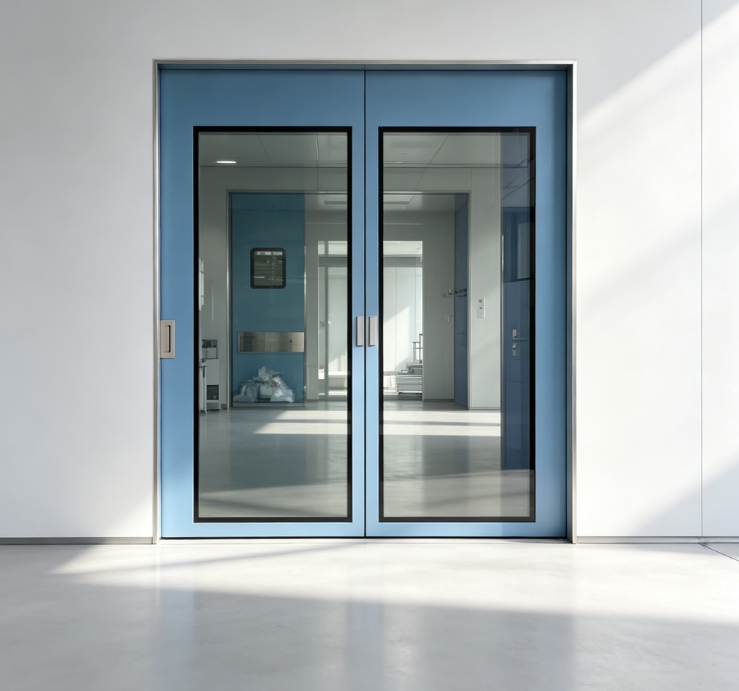
Cleanrooms are a crucial component of modern high-tech industries, including pharmaceuticals, electronics manufacturing, and biotechnology. In these highly controlled environments, clean room window serve not only basic functions such as light transmission, observation, and ventilation but also play a vital role in fire safety and security. To ensure personnel safety and comply with building regulations, the design of windows must meet stringent fire and safety standards.

Content
- 1 Safety Design Requirements for Clean room Window
- 2 Fire Safety Standards and Testing Methods for Clean room Windows
- 3 Clean room Window Safety and Evacuation Design
- 4 Impact Resistance and Explosion-Proof Design of Clean room Window
- 5 Why Choose YD-Purification's Clean room Window?
- 6 Fire and Safety Performance of Clean room Window
Safety Design Requirements for Clean room Window
The safety design of clean room window primarily involves the following aspects:
1. Fire Resistance Performance
Window must meet specific fire resistance standards. Fire resistance is a core requirement in the design of windows, especially in high-risk environments like pharmaceutical factories, laboratories, and other sensitive areas where fire hazards are more prevalent. Fire-rated windows effectively prevent the spread of fire, protecting the lives of personnel.
Fire-resistant windows typically use heat-resistant materials such as tempered glass or composite fireproof glass, which can withstand fire for a certain period, usually between 30 minutes and 2 hours. In high-risk environments, the fire resistance rating of windows must meet industry standards to ensure adequate time for personnel to evacuate during a fire.
Fire resistance design includes not only the selection of window materials but also the design of the window frame and seals. The frame needs to be made of fire-resistant metal materials, and the sealant should be made of heat-resistant adhesive materials, ensuring that it does not deform or melt during a fire, which could compromise the window's fire resistance capabilities.
2. Emergency Safety and Evacuation
In the event of an emergency, the design of windows must facilitate rapid evacuation of personnel. The materials, opening mechanisms, and dimensions of the windows must comply with regulations to ensure that personnel can safely exit through the window in case of an emergency.
Window Opening and Dimensions:
The opening size of windows must meet emergency evacuation requirements, ensuring enough width for personnel to pass through. According to various regulations, the window opening size is usually no smaller than 60x90 cm, which allows for quick evacuation of adults. Furthermore, the design should avoid sharp angles or excessive framing interference to prevent obstructions during evacuation.
Window Opening Mechanism:
The window opening mechanism must be simple and reliable. In an emergency evacuation, the window should be easy to open quickly. Windows may be designed with manual or automatic opening mechanisms to facilitate fast operation during emergencies. For windows that are intended to be used as escape routes, the opening mechanism must be user-friendly to avoid complex steps that could delay evacuation.
Transparency and Visibility Design:
Windows should have sufficient transparency to allow personnel to see the external environment and evacuation paths during an emergency. Additionally, the windows should not be obstructed by unnecessary objects to ensure clear visibility. This feature is crucial for ensuring that personnel can quickly identify the nearest safe exit during fires or other emergency situations.
3. Impact Resistance and Explosion-Proof Design
Windows must also be designed to prevent breakage during accidents, protecting personnel from injury caused by shattered glass. Additionally, explosion-proof windows are essential for protecting against the damaging effects of explosions, minimizing risks to personnel.
Impact Resistance:
Clean room window typically use tempered glass or laminated glass, which effectively reduces breakage from impacts, wind pressure, or other external forces. Tempered glass, when broken, forms small, blunt particles rather than sharp fragments, significantly reducing the risk of injury to personnel. Laminated glass features a polymer layer between the glass layers, enhancing impact resistance. Even if the glass breaks, the polymer layer keeps the fragments together, reducing injury risks.
Explosion-Proof Design:
Explosion-proof windows use multi-layered glass or specialized glass film designs to resist the impact of explosions and prevent glass from shattering or flying apart. In high-risk environments, explosion-proof windows protect the cleanroom from external blast forces, preventing the spread of fire or leakage of toxic gases due to shattered windows. These windows are typically designed with an outer layer of reinforced glass, an inner layer of tempered glass, and a central explosion-proof film layer, which absorbs shockwaves and reduces the damage caused by explosions.
Explosion-Proof Film Technology:
In recent years, explosion-proof film technology has been widely used in windows, especially in high-demand laboratories or production facilities. The explosion-proof film not only increases the strength of the window but also helps reduce the dispersion of shards from explosions or impacts, thereby lowering safety risks.
Fire Safety Standards and Testing Methods for Clean room Windows
The fire safety performance of windows must meet national and regional building safety standards and undergo several stringent tests. These tests include fire simulation, heat conduction testing, smoke leakage testing, and more, ensuring that the windows can effectively isolate the fire source and toxic gases during a fire, preventing the spread of flames.
Clean room Window Fire Safety Standards and Testing Methods
| Test Item | Test Standard | Description |
|---|---|---|
| Fire Durability Test | ISO 1182, EN 1364, and other international standards | Tests the fire resistance time of window materials in a fire. |
| Heat Conduction Test | ASTM E119, EN 1363 | Measures the rate at which heat is transferred through the window during a fire. |
| Smoke Leakage Test | ISO 14520, NFPA 2001 | Ensures that the window effectively isolates toxic smoke during a fire. |
| Break Strength Test | ISO 12543, ASTM E330 | Measures the window's resistance to breakage under pressure or impact. |
| Explosion Resistance Test | ISO 16933, EN 13501-2 | Tests the window's ability to maintain structural integrity during an explosion. |
Clean room Window Safety and Evacuation Design
In addition to fire performance, windows must also consider the ability to facilitate emergency evacuation. Typically, the design of windows should meet the following requirements:
1.Ease of Opening
The window should be designed to open quickly, especially during emergency evacuations. It must be able to open in a short time to allow personnel to evacuate rapidly.
2.Preventing Trapping of Personnel
The design should avoid any flaws that could to personnel being trapped. For example, the window frame design should consider the width and height of the passage to ensure unobstructed evacuation.
3.Ensuring Safe Visibility for Personnel
When designing, the size of the window opening and visibility should be taken into account to ensure that personnel can quickly identify the escape route during an emergency.
Key Design Points for Clean room Window Safety and Evacuation
| Design Element | Design Requirements | Purpose |
|---|---|---|
| Window Opening Mechanism | The window should have manual or automatic opening functions. | Ensures that the window can open quickly in an emergency, allowing for smooth evacuation. |
| Opening Size | The window opening must meet the evacuation standard, such as at least 60x90 cm. | Ensures that personnel can pass through the window without obstruction during evacuation. |
| Visibility Design | The window visibility should be free of excessive obstructions to ensure the escape route is visible. | Ensures personnel can clearly see the escape route during emergencies. |
Impact Resistance and Explosion-Proof Design of Clean room Window
The safety design of windows not only focuses on their fire resistance and impact resistance but also considers the ability to facilitate personnel evacuation in emergencies. In urgent situations, efficient evacuation is crucial, especially during fires, explosions, or other unforeseen events. Windows must be designed to meet evacuation requirements while ensuring they do not obstruct personnel from escaping.
1. Easy to Open
In emergencies, the window opening mechanism must be simple and quick. windows should be equipped with either manual or automatic opening functions, allowing personnel to open the window swiftly during an evacuation. The opening methods typically include manual rotation, sliding, or automatic opening via electric devices.
- Manual Opening:
Manual windows should be equipped with easy-to-operate handles, pull rings, or knobs. This ensures that, even in an emergency, personnel can quickly recognize and operate the window.
- Automatic Opening:
Automatic windows can work with sensors and control systems that automatically unlock and open the window in the event of an emergency, further enhancing evacuation efficiency. This design is particularly important for cleanroom staff, especially during catastrophic events like fires, where automatic or manual quick opening can help avoid crowding or panic that may hinder evacuation.
2. Preventing Personnel from Getting Trapped
The window design should avoid risks of trapping personnel. In high-risk environments, the design of windows must ensure that personnel can evacuate quickly and without obstruction. Here are some key considerations for the design:
- Window Frame Width and Height:
The window frame size and structure should ensure there is enough space for personnel to pass through. Especially during rapid evacuations, the frame should not have complex structures or obstacles. The design must ensure the width and height of the window meet the evacuation standard, typically not smaller than 60x90 cm, ensuring that even in emergencies, personnel can pass through easily.
- Window Opening Mechanism:
The window's opening mechanism must avoid design flaws that prevent the window from fully opening. This ensures that there will be no obstruction due to jams or structural limitations. For example, the frame and glass parts should not be designed too tightly or have any parts that could cause blockage.
- Considering Body Size and Evacuation Speed:
During the design process, the height difference and width of the window opening must consider the body size of personnel and their potential speed of evacuation. In high-altitude or narrow spaces, ensuring the window opens unobstructedly and is large enough is key to preventing personnel from being trapped.
3. Ensuring Safe Visibility for Personnel
In emergency evacuations, the window opening design should consider providing sufficient visibility to ensure personnel can see the external environment and escape routes. This is especially important in enclosed spaces, where fire, smoke, or other obstructions could impair vision. The transparency and visibility design of the window can guide and assist escapees.
- Visibility Design:
Cleanroom windows should avoid being obstructed by frames, barriers, or structural designs that impede visibility. The window opening should be designed as a sufficiently large viewing window to ensure personnel can clearly see the external environment in emergencies. An ideal design would use large transparent glass or design wide observation windows, ensuring no obstacles interfere with the view.
- Clear Visibility of Escape Routes:
The window's visibility design is not only meant to allow personnel to see the outside world but also to ensure that escape routes outside are clearly visible. Especially during smoke-filled situations or fires, a clean window view can help personnel assess the escape route and reduce confusion.
Key Design Points for Clean room Window Safety and Evacuation
To further standardize the safety evacuation design of windows, the following table summarizes the key design elements and specific requirements:
| Design Element | Design Requirements | Purpose |
|---|---|---|
| Window Opening Mechanism | The window should have manual or automatic opening functions. | Ensures that the window can be opened quickly in an emergency, enabling rapid evacuation. |
| Opening Size | The window opening should meet the evacuation standard, such as at least 60x90 cm. | Ensures enough width and height for personnel to pass through without being trapped. |
| Visibility Design | The window visibility should avoid being obstructed by excessive barriers, ensuring the escape route is visible. | Ensures personnel can clearly see the escape route during emergencies, facilitating smooth evacuation. |
| Frame Design | The window frame should not be overly complex, avoiding design flaws that may obstruct personnel passage. | Prevents personnel from getting caught in the window frame, ensuring fast and smooth evacuation. |
| Window Position | The window location should be rationally positioned, avoiding locations that are too high or too low, which could hinder evacuation. | Ensures personnel can pass through the window easily, avoiding difficulties in emergency situations. |
Why Choose YD-Purification's Clean room Window?
When you choose YD-Purification's window, you benefit from several key advantages that ensure the levels of safety, performance, and reliability:
1. Exceptional Fire Resistance
Our windows are made from tempered glass and composite fire-resistant glass, which effectively prevent the spread of fire and provide ample evacuation time. This ensures safety during a fire, protecting personnel and minimizing risk.
2. Enhanced Impact Resistance
Using tempered glass and laminated glass, our windows reduce the risk of injury from glass shards. Even under conditions, the windows remain intact, offering continuous protection and safety for personnel.
3. Explosion-Proof Design
YD windows feature advanced explosion-proof capabilities, with multiple layers of glass and protective films. These windows effectively withstand explosive shocks and prevent the glass from shattering, minimizing potential harm to individuals.
4. Efficient Safety Evacuation
The design of our windows is streamlined for ease of use, ensuring that they can be quickly opened in emergency situations. The opening sizes and barrier-free design comply with evacuation standards, facilitating smooth and swift personnel evacuation.
5. Compliance with International Safety Standards
Our windows are manufactured to meet stringent industry standards, ensuring exceptional performance and meeting all necessary safety and quality certifications for your peace of mind.
6. Customizable Designs
We offer tailored window designs to meet the unique requirements of different cleanroom environments. Our products are adaptable, ensuring that they perfectly fit your operational needs and environmental specifications.
7. Durability and Low Maintenance
YD windows are made from high-quality materials, ensuring performance over the long term. Their durability minimizes maintenance requirements and associated costs, helping you maintain operational efficiency.
8. Professional After-Sales Service
We provide comprehensive after-sales support, ensuring smooth installation, commissioning, and long-term stability of our windows. Our team is dedicated to ensuring your satisfaction and the ongoing efficiency of your cleanroom.
Fire and Safety Performance of Clean room Window
The fire resistance and safety performance of windows are not only crucial for building compliance but also essential for personnel safety. When designing and installing windows, several safety factors must be considered, including fire resistance, impact resistance, and explosion-proof capabilities, to ensure rapid evacuation and the protection of personnel during emergencies.
To achieve this, the industry must continuously optimize window designs, enhancing fire resistance, and ensuring that windows can effectively protect against fire, explosions, and other disaster events. The design for safety evacuation is equally important and must ensure that windows can be quickly opened, providing a safe evacuation route for personnel.
As technology advances and building safety standards become more stringent, windows will continue to evolve, further enhancing both the safety and efficiency of cleanroom environments. This ensures that businesses and research institutions can operate in a safer and more stable environment.