English
 русский
 Español
Clean room technology has increasingly become an indispensable part of various industries, especially in pharmaceuticals, electronics manufacturing, and biotechnology. The maintenance of a clean room environment directly affects product quality, production efficiency, and environmental safety. Therefore, clean room doors and windows, as an integral part of these high-purity environments, play a crucial role. Their design and performance not only impact environmental control but also affect the overall stability of the clean room system. When designing and selecting doors and windows, five key characteristics—air tightness, flatness, ease of cleaning, durability, and safety—are the core standards for evaluating their performance.
Content
- 1 What are Clean Room Doors and Windows?
- 2 What Materials Are Used for Clean Room Doors and Windows?
- 3 1. Air Tightness: The First Line of Defense Against External Contaminants
- 4 2. Flatness: Maintaining Environmental Stability
- 5 3. Ease of Cleaning: Reducing Maintenance Difficulty and Risk
- 6 4. Durability: Ensuring Long-Term Stability and Reliability
- 7 5. Safety: Fire and Explosion Protection to Safeguard Personnel and Equipment
- 8 The Importance of Clean Room Doors and Windows in High-Standard Environments
- 9 Why Choose YD-Purification Clean Room Doors and Windows?
What are Clean Room Doors and Windows?
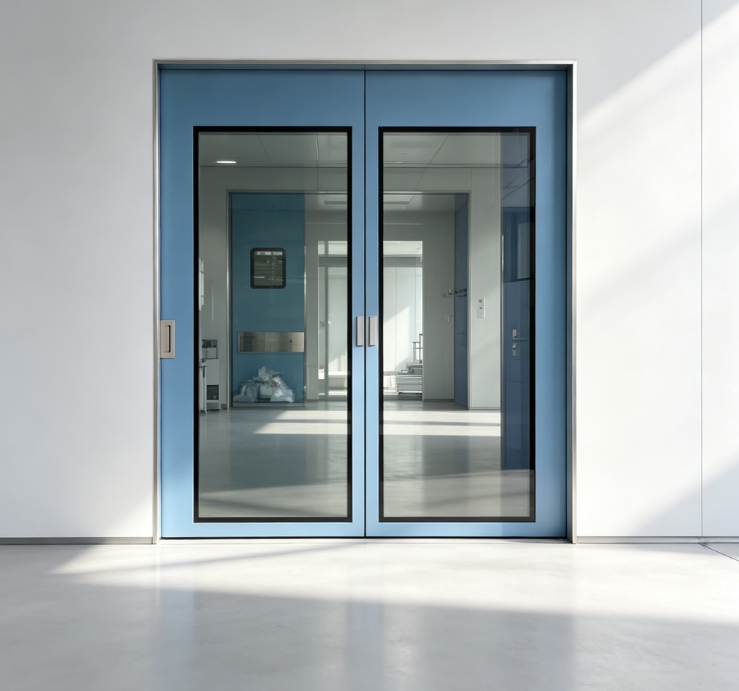
Clean room doors and windows are specially designed structures for clean room environments. Their primary function is to isolate external contaminants such as dust, particles, and microorganisms, ensuring the cleanliness and stability of indoor air. These doors and windows must meet the stringent standards of high-grade clean rooms while being compatible with factors such as temperature, humidity, and airflow.
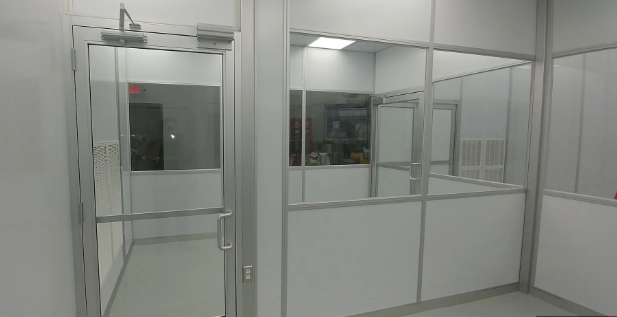
When designing doors and windows, the following aspects are typically considered:
- Air tightness: Ensures no air leakage around the door or window, maintaining airflow and cleanliness.
- Flatness: Smooth surfaces to prevent accumulation of contaminants.
- Ease of cleaning: Smooth, seamless surfaces for convenient cleaning and disinfection.
- Durability: Ability to withstand long-term use while maintaining structural stability.
- Safety: Features such as fire resistance, explosion resistance, and impact resistance to protect personnel and equipment.
Doors and windows are essential components for the efficient and continuous operation of clean room environments, and their importance is self-evident.
What Materials Are Used for Clean Room Doors and Windows?
The materials for doors and windows are typically selected based on performance requirements, such as air tightness, durability, ease of cleaning, and safety. Different materials are suitable for different clean room grades and industry environments. Common materials are as follows:
1.Frame Materials
| Material | Characteristics and Applications |
|---|---|
| Stainless Steel | High strength, corrosion-resistant, heat-resistant; suitable for pharmaceuticals, food, and high-grade clean rooms. Smooth surface for easy cleaning. |
| Aluminum Alloy | Lightweight, corrosion-resistant, easy to process; suitable for electronics and semiconductor clean rooms. Usually anodized for enhanced wear resistance. |
| Powder-Coated Carbon Steel | Relatively low cost, surface treated with powder coating for corrosion and dust protection; slightly lower corrosion resistance than stainless steel. |
2. Panel Materials
| Material | Characteristics and Applications |
|---|---|
| Tempered Glass | High strength, impact-resistant, heat-resistant; used for observation windows and safety windows. Smooth surface for easy cleaning. |
| Laminated Fire-Rated Glass | Fire-resistant and impact-resistant; ensures personnel safety and fire protection requirements. |
| Polycarbonate (PC) | High transparency, impact-resistant, chemically resistant; suitable for safety observation windows. |
| Aluminum Composite Panel | Lightweight, smooth surface, easy to clean; commonly used for door panels or interior window frames. |
3. Sealing Materials
| Material | Characteristics and Applications |
|---|---|
| Silicone Gasket | Heat-resistant, chemically resistant, flexible; used for sealing door and window edges to ensure airtightness. |
| EPDM Gasket | Aging-resistant, weather-resistant; commonly used for long-term sealing around doors and windows. |
| PVC Gasket | Low cost, water-resistant; suitable for low-grade clean rooms or auxiliary doors/windows. |
In general, doors and windows are composed of high-strength frame materials (such as stainless steel or aluminum alloy) + smooth panel materials (such as tempered glass or composite panels) + high-performance sealing materials (such as silicone or EPDM) to meet requirements for air tightness, flatness, ease of cleaning, durability, and safety. Different combinations of materials are chosen depending on clean room grade or industry application to achieve performance.
1. Air Tightness: The First Line of Defense Against External Contaminants
In a clean room, controlling airflow is critical. Particles, bacteria, dust, and other contaminants in the air must be effectively isolated to maintain the clean room's environmental quality. The air tightness of doors and windows is the key factor in preventing external pollutants from entering and compromising cleanliness.
Factors Affecting Air Tightness
| Factor | Description |
|---|---|
| Sealing Materials | High-performance materials such as silicone and EPDM ensure airtightness around doors and windows to prevent air leakage. |
| Installation Accuracy | Precise installation ensures no gaps or looseness at seams, avoiding airflow leakage. |
| Design and Structure | Air-tight structures and specially designed seals and glass enhance overall sealing performance. |
Every seam, door frame, and window frame must meet strict sealing standards to prevent any air leakage. Poor sealing can disrupt airflow, compromise the clean room's ventilation system, and allow external contaminants to enter, affecting product and equipment safety.
2. Flatness: Maintaining Environmental Stability
Even minor cracks or uneven surfaces in a clean room can become sources of contamination. The flatness of doors and windows directly impacts cleaning efficiency and particle control. Designers must consider surface flatness and smoothness to prevent accumulation of dust and contaminants.
Importance of Flatness
| Feature | Impact |
|---|---|
| Surface Flatness | Uneven surfaces can trap dirt and are difficult to clean. |
| Surface Smoothness | Smooth surfaces reduce particle accumulation and facilitate cleaning. |
Flat and seamless door and window designs are essential to prevent debris buildup, ensure the clean room remains consistently clean, and reduce cleaning difficulty.
3. Ease of Cleaning: Reducing Maintenance Difficulty and Risk
Clean rooms require regular cleaning and disinfection. As key entry points, doors and windows directly affect cleaning efficiency and safety. Doors and windows should feature surfaces and structures that are easy to clean to remove microbes, dust, and contaminants.
Key Factors for Ease of Cleaning
| Feature | Description |
|---|---|
| Seamless Design | Reduces the likelihood of dirt accumulation, simplifying the cleaning process. |
| Cleaning-Resistant Materials | Materials resistant to chemical cleaning agents and high-temperature sterilization extend service life. |
| Smooth Surfaces | Facilitate wiping and prevent contamination buildup. |
Avoiding hard-to-clean components, such as gaps and seams, is crucial. Seamless and smooth surfaces reduce cleaning difficulty and minimize contamination risks during cleaning. High chemical and heat resistance of materials is also vital to meet the frequent and stringent cleaning requirements of clean rooms.
4. Durability: Ensuring Long-Term Stability and Reliability
Clean room doors and windows must maintain high levels of sealing and cleanliness while providing long-term stability. Durability is essential for performance in conditions such as high temperature, humidity, and chemical exposure. Durable doors reduce maintenance frequency and operating costs.
Key Features of Durability
| Feature | Impact |
|---|---|
| Corrosion Resistance | Materials such as stainless steel or aluminum alloy extend service life. |
| Structural Strength | High-strength doors and windows withstand external pressure and wear over time. |
| Aging Resistance | Materials must resist degradation from UV exposure and environmental factors. |
High-quality materials, including tempered glass, stainless steel, and aluminum alloys, ensure long-term performance. Materials that resist high temperature, humidity, and UV exposure maintain reliability even under conditions.
5. Safety: Fire and Explosion Protection to Safeguard Personnel and Equipment
Safety in clean rooms is critical, and the safety of doors and windows directly impacts personnel, equipment, and environmental protection. Fire resistance, explosion resistance, and impact resistance are essential features.
Safety Considerations
| Feature | Impact |
|---|---|
| Fire Resistance | Fire-rated doors and windows effectively prevent fire spread, protecting personnel and equipment. |
| Explosion Resistance | Explosion-proof designs ensure safety in special environments and mitigate explosion risks. |
| Impact Resistance | High-strength doors and windows withstand external impacts, protecting the internal environment. |
For clean rooms requiring high safety standards, fire and explosion protection is crucial. Using tempered glass or specially engineered composite materials with fire and explosion resistance ensures the safety of personnel and the secure operation of equipment.
The Importance of Clean Room Doors and Windows in High-Standard Environments
Doors and windows are not only structural components of a clean room but also key facilities that maintain the stability and safety of high-standard environments. In high-grade clean rooms, such as those in pharmaceuticals, biotechnology, semiconductors, or high-precision manufacturing, the performance of doors and windows directly impacts the overall operation of the clean room.
1. Maintaining Clean Room Environmental Stability
Airflow within a clean room is tightly controlled to ensure that particle levels, temperature, humidity, and pressure meet specified standards. The sealing and structural integrity of doors and windows determine the stability of airflow. High-quality doors and windows with good air tightness prevent external contaminated air from entering, while ensuring that the internal airflow is uniform, preserving the cleanliness level. Conversely, poor sealing in doors and windows can to air leakage, resulting in increased particle concentration and unstable air pressure, which could adversely affect sensitive experiments or high-precision manufacturing processes.
2. Ensuring Product and Process Safety
High-standard clean environments often involve processes that are highly sensitive to product quality, such as sterile operations in pharmaceuticals or intricate processes in semiconductor manufacturing. The flatness and ease of cleaning of doors and windows are directly related to the potential for contaminant accumulation. Smooth, flat surfaces not only facilitate daily cleaning but also reduce the buildup of dust, particles, and microorganisms, thereby minimizing potential risks to products and processes. Even the smallest contamination can to product batch failure or deviations in experimental results, making the quality and design of doors and windows indispensable in high-standard environments.
3. Enhancing Personnel Safety
Doors and windows also play a crucial role in ensuring personnel safety. In certain high-standard environments, doors and windows need to have fire resistance, explosion protection, and impact resistance. For example, in laboratories or clean areas containing flammable or explosive materials, tempered glass, fire-rated glass, and strong frame structures can protect personnel from harm in the event of an accident. Additionally, the design of observation windows in doors allows operators to monitor the interior without opening the door, further reducing operational risks and the likelihood of contamination.
4. Reducing Operational and Maintenance Costs
In high-standard environments, the durability and ease of cleaning of doors and windows not only affect environmental quality but also influence the long-term operational costs of the clean room. Durable materials reduce the frequency of replacements and repairs, while easy-to-clean designs can shorten cleaning time, thereby reducing labor and material costs. By choosing well-structured, high-quality doors and windows, clean rooms can maintain stable operations while minimizing maintenance expenses, ensuring that production or research activities proceed smoothly and continuously.
5. Supporting Overall System Performance
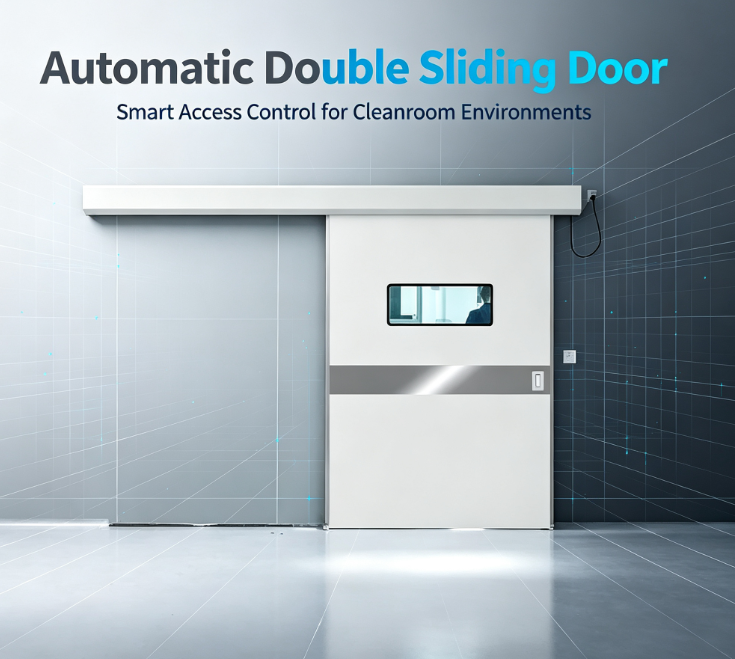
The design and material selection of doors and windows are not isolated; they must work in synergy with the entire clean room system, including walls, ceilings, air purification systems, and pressure control systems. High-performance doors and windows ensure that air pressure, airflow paths, and cleanliness levels meet the required specifications. Whether automatic doors, sliding doors, or air-tight doors, each type must closely integrate with the air handling system and clean room layout to guarantee the overall stability of the high-standard environment.
Why Choose YD-Purification Clean Room Doors and Windows?
Professional Experience and Industry Expertise
Products are manufactured using specialized clean room door and window processes, meeting strict requirements for sealing, durability, flatness, and ease of cleaning.
High-Performance Materials
Doors and windows use stainless steel, aluminum alloy, tempered glass, and composite panels, offering corrosion and wear resistance while remaining easy to clean and maintain.
Optimized Clean Room Environment
Designs consider airflow control and particle isolation, ensuring the clean room maintains a consistently high cleanliness level.
Multi-Industry Applicability and Flexibility
Suitable for pharmaceuticals, electronics, biomedicine, food, laboratories, and other clean environments, meeting diverse needs.
System Integration Capability
Can be integrated with clean room walls, air purification, and ventilation systems to form an efficient, one-stop solution.
Reduced Long-Term Operating and Maintenance Costs
Durable and easy-to-clean designs minimize maintenance and replacement, improve operational stability, and safeguard both personnel and products.