English
 русский
 Español
Cleanrooms are designed to be controlled environments that protect sensitive processes, products, and experiments from contamination. The design of cleanrooms includes numerous components, but the safety and functionality of clean room doors and windows are among the important considerations. These features not only ensure the cleanliness and sterility of the space but also provide secure access and prevent contamination from entering or leaving the cleanroom.
When designing or installing doors and windows, safety must be a top priority. The materials, construction, and features of these elements must meet rigorous standards to ensure they do not contribute to contamination, allow leaks, or pose any risk to personnel working in these controlled environments.
Content
What are the important safety factors for clean room doors and windows?
When setting up or maintaining doors and windows in a cleanroom, safety and contamination control go hand in hand. These openings are potential weak points, so choosing the right materials and ensuring tight seals is crucial to keep particles out and maintain the controlled environment.
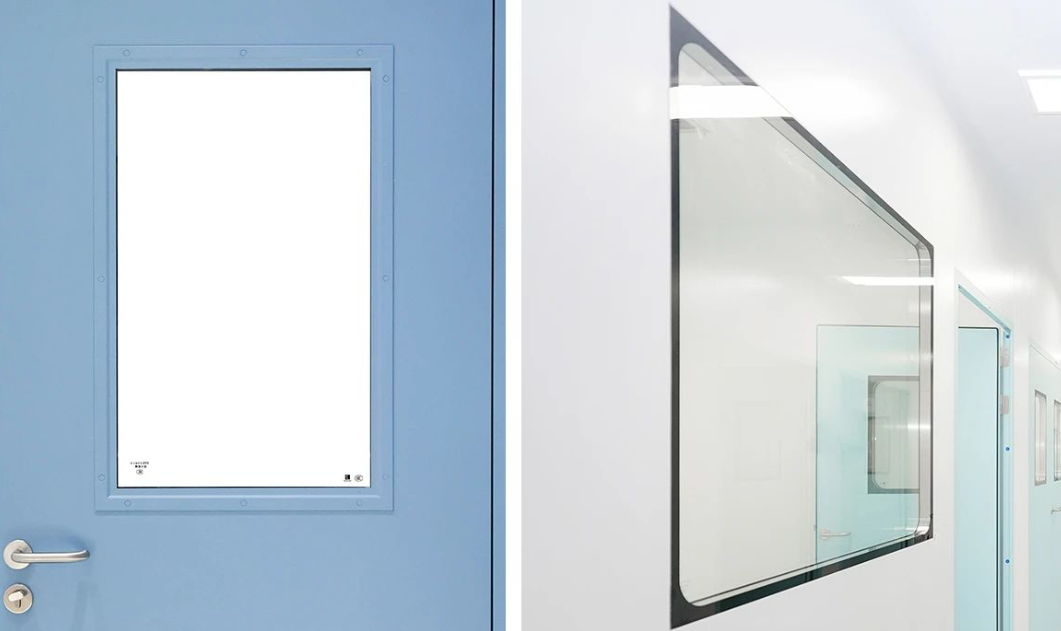
1. Choosing the Right Materials
Surfaces need to be completely smooth and non-porous so nothing sticks or gets released—no particle shedding, easy wipe-downs, and resistance to chemicals, heat changes, and knocks.
- Stainless Steel Hands-down favorite for doors and frames. It's tough as nails, shrugs off corrosion in wet or aggressive environments, and cleans up perfectly without hiding microbes.
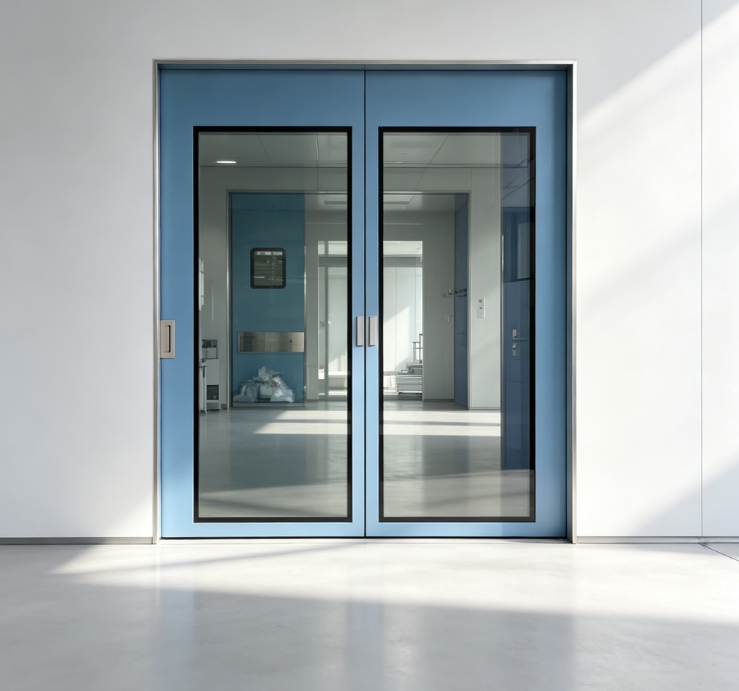
- Glass Tempered or laminated types are the norm for view panels—they break safely (if at all) and give crystal-clear sightlines for monitoring without breaching the space.
- Advanced Polymers Polycarbonate or acrylic for windows where weight matters or impacts are a concern—they're lighter, super resistant to breaking, and usually coated to minimize scratches over time.
Match the material to your cleanroom's ISO rating, exposure risks, and how much you need to see or withstand.
2. Ensuring Seals Stay Airtight
A seal is what keeps outside air—and everything in it—from mixing in. Weak spots here can undo all your other efforts.
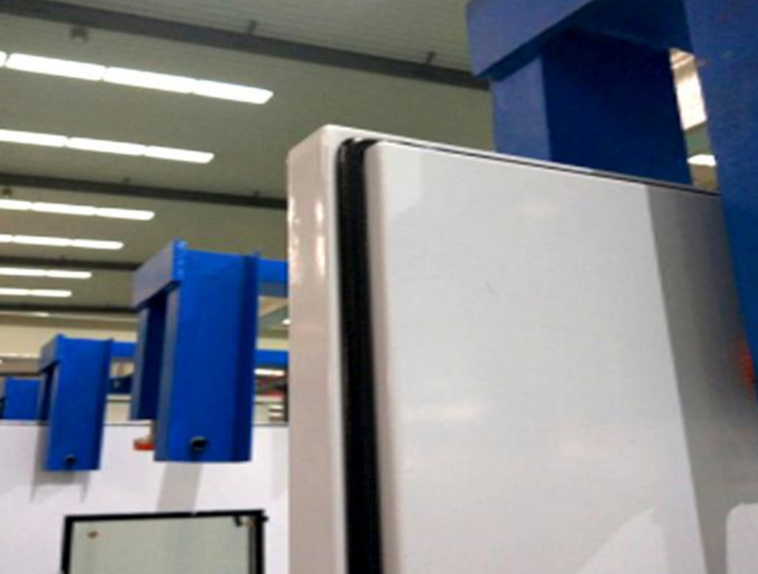
- Reliable Gasket Choices Go for durable stuff like silicone or EPDM—they compress repeatedly and survive harsh cleaners without degrading.
- Routine Inspections Check often for wear, tears, or loss of shape. Even small damage can open the door (literally) to contamination issues.
- Maintaining Pressure Control Solid seals support the room's positive or negative pressure setup, directing airflow the right way and blocking any crossover risks.
Build these checks into your regular protocol—it pays off in staying compliant, safe, and trouble-free for years.
3. Impact Resistance and Safety Glass
In a cleanroom, windows and doors aren't just about keeping things clean—they have to protect people too. High-traffic spots or areas near machinery mean there's always a chance of bumps or accidents, so materials need to handle impacts without turning into hazards.
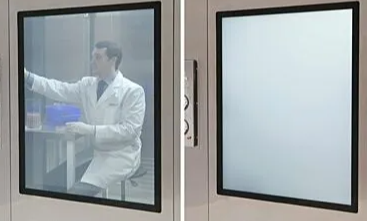
- Tempered Glass Much tougher than standard glass, and if it does break, it crumbles into small, rounded pieces instead of sharp shards—way safer for everyone inside.
- Polycarbonate This stuff is incredibly hard to shatter (great for impact-heavy zones), but pick versions with scratch-resistant coatings to keep it clear and avoid any particle issues from surface damage.
Prioritize these in busy or equipment-filled areas to balance safety with contamination control.
4. Smart Design and Practical Functionality
Doors and windows should work smoothly for daily use—easy access for people and materials—while cutting down on contamination risks and holding the room's pressure steady.
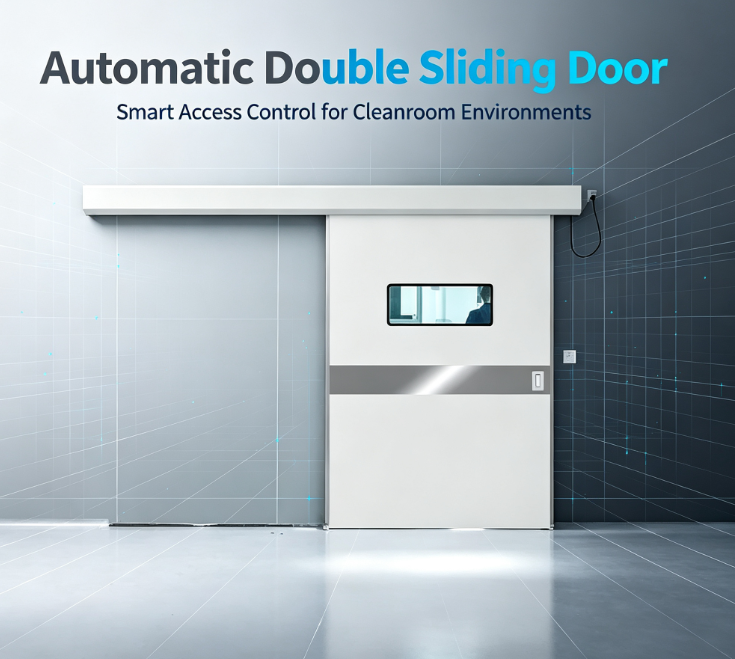
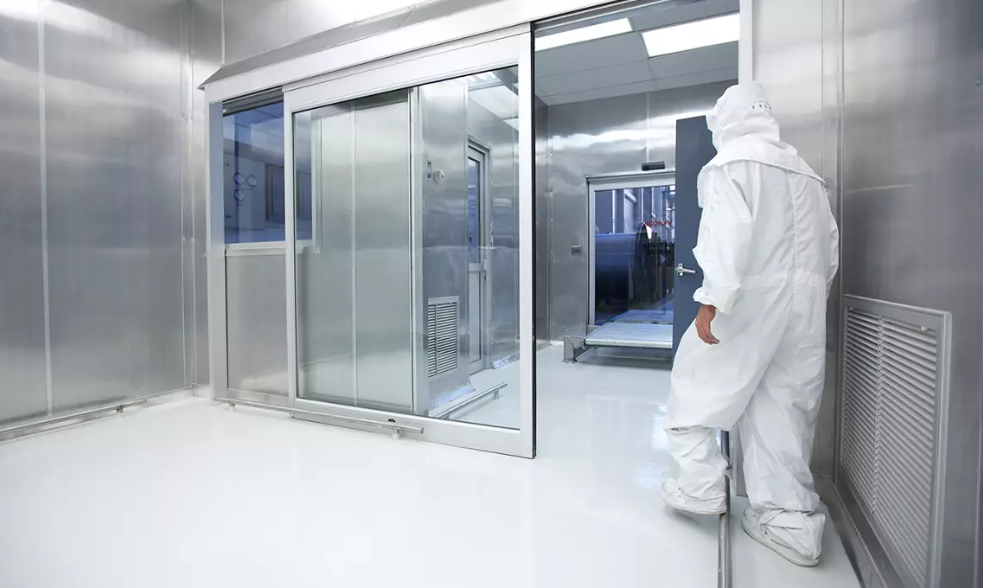
- Automatic Doors These reduce touches on surfaces (fewer germs transferred) and open/close quickly without stirring up air currents too much.
- Swinging vs. Sliding Doors Swing doors fit quieter, low-traffic spots, while sliding ones are better for busy hallways to avoid swinging into paths or blocking flow.
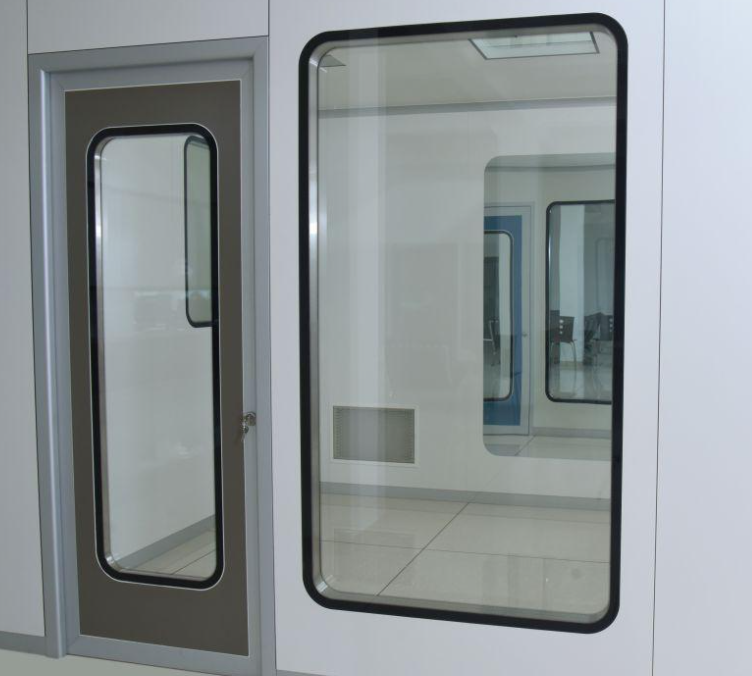
- Built-In Visibility View panels in doors let you check inside safely, but they need flush designs that don't collect dust or moisture and wipe clean easily.
For extra protection, some setups add an airlock or vestibule—a small buffer room that helps stabilize pressure and block outside pollutants before entering the main space.
Thoughtful design like this keeps operations efficient, safe, and truly contamination-free.
5. Pressure Control and Airflow Management
Cleanrooms depend on precise airflow patterns to keep the environment sterile—doors and windows must never disrupt this system or compromise the carefully balanced pressure zones.
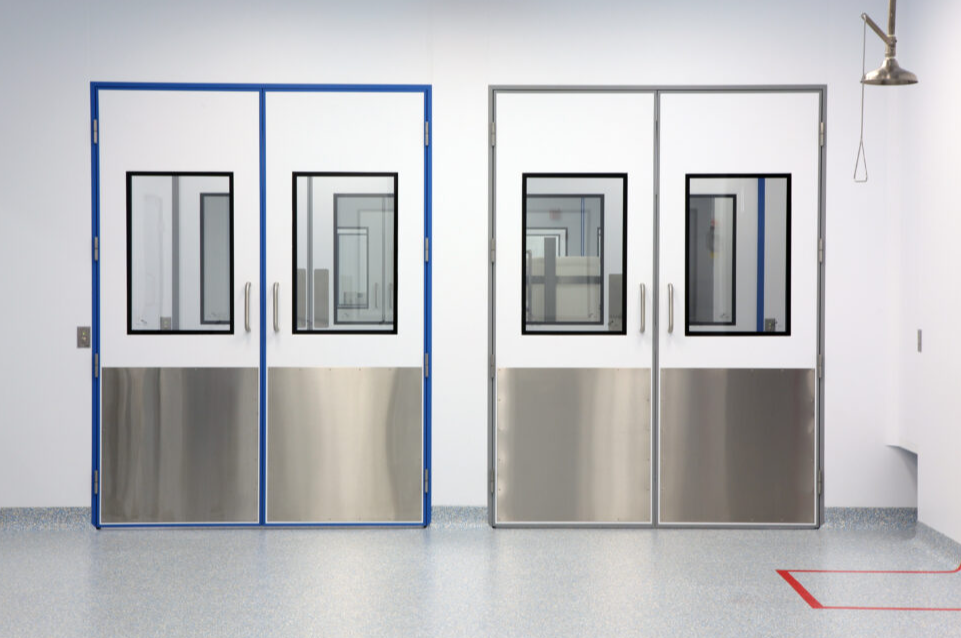
- Supporting Proper Airflow Direction The design should guide air the right way—usually from cleaner to less clean zones—so outside contaminants can't sneak in. Even small leaks or poor fit can pull dirty air into critical areas.
- Maintaining Pressure Differentials Whether the room runs at positive pressure (keeping contaminants out) or negative pressure (keeping hazards in), doors and windows need to hold that difference without leaking. A single weak point can throw off the whole system.
High-quality, airtight seals, properly installed frames, and regular checks are non-negotiable to keep pressure stable and airflow under control.
6. Durability and Long-Term Performance
Doors and windows in cleanrooms get constant use—opening/closing, heavy cleaning, equipment moving through—so they have to be built to last without failing or degrading.
- Withstanding Frequent Cleaning and Disinfection Materials must handle daily exposure to strong cleaners, sterilants, and disinfectants without corroding, discoloring, or breaking down.
- Resisting Mechanical Wear Hinges, handles, tracks, and automatic mechanisms take a beating over time. Regular checks catch wear early—loose parts or sticking doors can create gaps that let contaminants in.
Make routine inspections and preventive maintenance standard practice. A little upkeep keeps everything reliable and avoids costly downtime or contamination risks.
7. Meeting Industry Standards and Regulations
In fields like pharmaceuticals, biotech, semiconductors, or aerospace, doors and windows aren't optional—they must follow strict rules to stay compliant and pass audits.
- Adhering to Key Standards ISO 14644-1 and other relevant guidelines set exact requirements for materials, sealing, airflow performance, and safety. Everything installed must meet the cleanliness class your operation needs.
- Keeping Proper Records Maintain detailed documentation—installation certificates, material specs, maintenance logs, and inspection reports. Auditors will want to see proof that everything was done right and is being kept up.
Staying on top of compliance isn't just about avoiding fines; it ensures your cleanroom performs safely and reliably day after day.
| Consideration | Why It Matters | Impact on Cleanroom |
|---|---|---|
| Material Selection | Ensures durability, contamination resistance, and easy cleaning | Affects cleanliness, safety, and long-term reliability |
| Sealing and Gasket Integrity | Maintains airtight seals to prevent contamination breaches | Ensures proper pressure control and prevents contamination |
| Safety Glass and Impact Resistance | Prevents breakage and injury in the event of impact | Ensures personnel safety and reduces contamination risks |
| Design and Functionality | Supports efficient operation and maintains cleanroom integrity | Prevents contamination and improves ease of use |
| Pressure Control and Airflow Management | Maintains cleanliness and prevents cross-contamination | Protects cleanroom integrity by managing airflow and pressure |
| Durability and Longevity | Ensures consistent performance over time | Reduces maintenance costs and ensures operational reliability |
| Compliance with Industry Standards | Ensures adherence to safety regulations and standards | Prevents non-compliance issues and ensures regulatory approval |
Why Choose Yuanda Clean room Doors and Windows?
Yuanda designs their doors and windows with real-world demands in mind—focusing on tough performance, tight controls, and ease of use in sensitive spaces. Here's what makes them a standout option:
Built with Reliable, High-End Materials
From stainless steel frames to tempered glass and sturdy polymers, everything resists chemicals, temperature changes, and impacts—holding up strong for years in busy environments.
Superior Airtight Sealing
Their advanced gasket systems create a solid, leak-free barrier that blocks contaminants and keeps precise air pressure steady—no compromises on cleanliness.
Made-to-Order Customization
Yuanda adapts to your exact setup—custom dimensions, materials, or extras—so everything fits seamlessly and works right from the start.
Full Compliance Assurance
Designed to meet standards like ISO 14644 and GMP head-on, helping you sail through audits and keep operations running smoothly.
1.Safety Built In
Impact-proof glass, robust locks, and reinforced construction protect your people and processes in high-activity zones.
2.Minimal Upkeep Required
Flat, seamless surfaces clean up fast with no hidden spots for dirt—saving time and keeping risks low day after day.
3.Great Value Over Time
The solid build and easy maintenance cut down on repairs or replacements, delivering real savings in the long run.
When selecting and maintaining doors and windows, safety is a crucial consideration. Materials must be chosen for their resistance to contamination, durability, and ability to withstand regular cleaning. Effective seals, impact resistance, proper design, and compliance with industry standards all play essential roles in ensuring a cleanroom remains secure, functional, and compliant with health and safety regulations. Regular inspections, maintenance, and adherence to guidelines are essential to preserve the integrity of the cleanroom and protect both personnel and processes within the controlled environment.