English
 русский
 Español
Energy efficiency continues to influence how buildings are planned, constructed, and operated. Across the construction sector, attention is shifting toward materials that support stable indoor environments while reducing long-term energy demand. Polystyrene sandwich panels are increasingly discussed in this context, not as a novelty, but as a practical component within modern building envelopes.
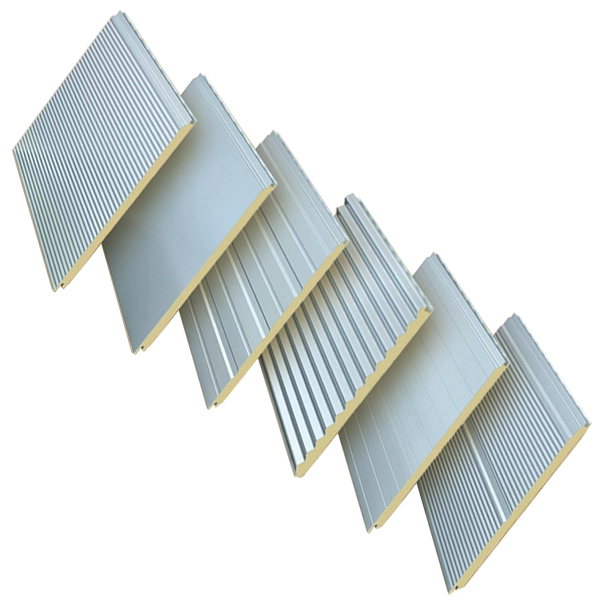
Their contribution to energy efficiency is not defined by dramatic claims. Instead, it appears in daily performance, steady indoor conditions, and predictable energy behavior. These panels shape how buildings interact with their surroundings in quiet but measurable ways.
Content
- 1 How Does Panel Structure Influence Energy Performance?
- 2 How Do These Panels Form an Effective Thermal Barrier?
- 3 How Do Wall Applications Enhance Building Efficiency?
- 4 How Do Roof Uses Support Energy Savings?
- 5 What Role Does Lightweight Design Play?
- 6 How Do Seamless Joints Help Maintain Efficiency?
- 7 How Versatile Are These Panels Across Climates?
- 8 How Does Durability Contribute Over Time?
- 9 How Do These Panels Fit With Other Building Elements?
- 10 What Challenges Arise in Using These Panels?
How Does Panel Structure Influence Energy Performance?
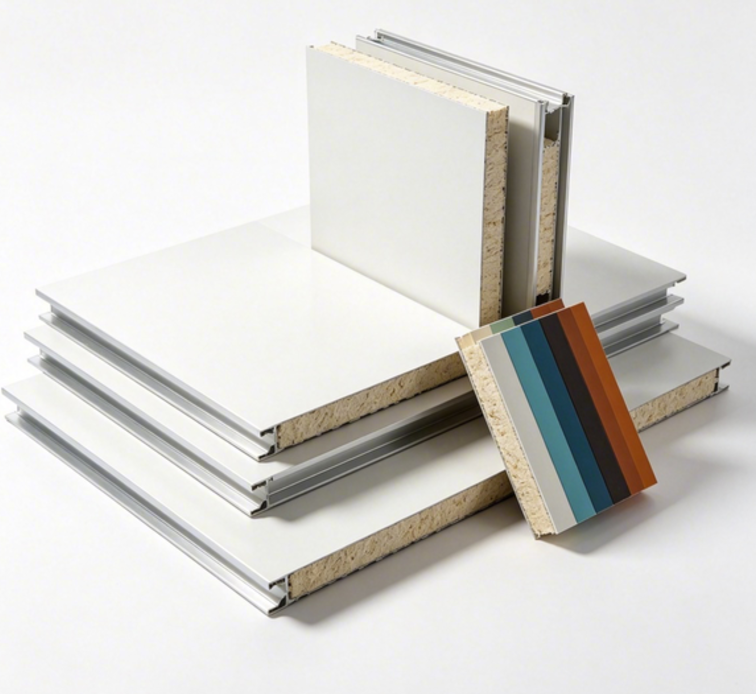
The structure of polystyrene sandwich panels plays a central role in their energy-related impact. An insulating core is enclosed between rigid outer layers, forming a stable unit that limits heat movement and supports enclosure integrity.
This arrangement allows the panel to manage thermal exchange without relying on additional components. The result is a building envelope that behaves more predictably across changing outdoor conditions.
| Panel Feature | Functional Role | Energy-Related Impact |
|---|---|---|
| Integrated core | Limits heat movement | Supports indoor temperature stability |
| Rigid outer layers | Protect insulation | Preserves long-term performance |
| Unified structure | Reduces gaps | Minimizes energy loss |
How Do These Panels Form an Effective Thermal Barrier?
The core creates strong resistance to heat flow. Air trapped in the foam cells moves heat slowly. External conditions influence interiors minimally. Buildings react less dramatically to weather changes.
Systems run in shorter bursts. Energy peaks flatten out. Rooms feel even throughout. The uniform insulation layer covers surfaces fully.
Traditional walls might conduct heat faster. Additional materials could be added for control. Sandwich panels build insulation in. Efficiency starts from the foundation.
The foam disrupts multiple heat paths. Conduction slows. Convection diminishes. Radiation reduces. Losses narrow across the board.
| Heat Transfer Path | How the Panel Responds | Effect on Energy Use |
|---|---|---|
| Conduction | Foam cells block direct flow | Keeps conditioned air inside longer |
| Convection | Trapped air limits movement | Reduces internal drafts |
| Radiation | Surface layers reflect energy | Minimizes heat gain from sun |
How Do Wall Applications Enhance Building Efficiency?
Walls built with these panels cover areas swiftly. They wrap the structure in a continuous layer. Potential air leaks shrink. The envelope shields against unwanted exchanges.
Temperatures inside hold steady. Climate systems activate less. Operations smooth out.
In homes, walls create cozy living spaces. Families enjoy consistent room conditions. Kitchens and bedrooms stay pleasant.
Commercial walls span large facades. Offices maintain even floors. Workers stay focused.
Warehouses line interiors for controlled storage. Goods remain stable. Machinery functions optimally.
| Wall Aspect | Role in Efficiency | Daily Impact |
|---|---|---|
| Continuous Coverage | Eliminates gaps | Stable interior climate |
| Air Leak Reduction | Seals envelope | Lower system demands |
| Quick Installation | Speeds construction | Early efficiency gains |
How Do Roof Uses Support Energy Savings?
Roofs with these panels stop heat escape upward. In hot weather, they push sunlight away. Insulation handles extremes well.
Spaces below avoid buildup. Attics stay manageable. Living or working areas benefit directly.
Residential roofs cap homes effectively. Heat does not seep down. Garages match the performance.
Industrial roofs cover wide spans. Processes below run cooler. Overhead costs ease.
| Roof Feature | Efficiency Contribution | Practical Outcome |
|---|---|---|
| Heat Escape Prevention | Traps warmth below | Reduced heating needs |
| Sun Reflection | Limits gain | Cooler interiors in summer |
| Weather Resistance | Maintains barrier | Consistent performance year-round |
What Role Does Lightweight Design Play?
Panels feel light compared to heavier options. Moving them requires less effort. Sites handle them easily.
Foundations can stay simpler. Overall build uses fewer resources.
Transport simplifies. Crews position pieces quickly.
Lighter structures settle well. Energy embedded in creation drops.
| Design Trait | Efficiency Link | On-Site Benefit |
|---|---|---|
| Reduced Weight | Easier handling | Faster assembly |
| Simpler Foundations | Less material | Lower initial energy |
| Transport Ease | Efficient logistics | Reduced fuel use |
How Do Seamless Joints Help Maintain Efficiency?
Connections lock tightly. Infiltration paths close off. The envelope stays whole.
No weak links allow escape. Comfort holds without extra input.
Installers align edges precisely. Seals form naturally.
Over time, joints endure. Performance remains reliable.
| Joint Characteristic | Efficiency Role | Long-Term Effect |
|---|---|---|
| Tight Seals | Blocks air leaks | Even temperature distribution |
| Precise Alignment | Uniform envelope | Minimal energy loss |
| Enduring Connections | Sustained integrity | Rare maintenance |
How Versatile Are These Panels Across Climates?
They adapt to varied conditions. Dry heat gets managed. Humid areas resist moisture.
Regions with swings find balance. Insulation works both ways.
Coastal or inland, panels fit. Local weather challenges lessen.
| Climate Type | Panel Adaptation | Energy Outcome |
|---|---|---|
| Hot and Dry | Heat buildup control | Less cooling required |
| Cold and Wet | Warmth retention | Lower heating demands |
| Variable Seasons | Dual-direction insulation | Year-round stability |
How Does Durability Contribute Over Time?
Materials resist daily wear. Properties hold steady. Buildings keep performing.
Inspections stay simple. Repairs happen rarely.
Long life means ongoing savings. Initial choice pays forward.
| Durability Aspect | Efficiency Tie | Building Lifespan Impact |
|---|---|---|
| Wear Resistance | Consistent insulation | Steady energy profile |
| Low Maintenance | Fewer interventions | Uninterrupted savings |
| Material Longevity | Enduring barrier | Sustained comfort |
How Do These Panels Fit With Other Building Elements?
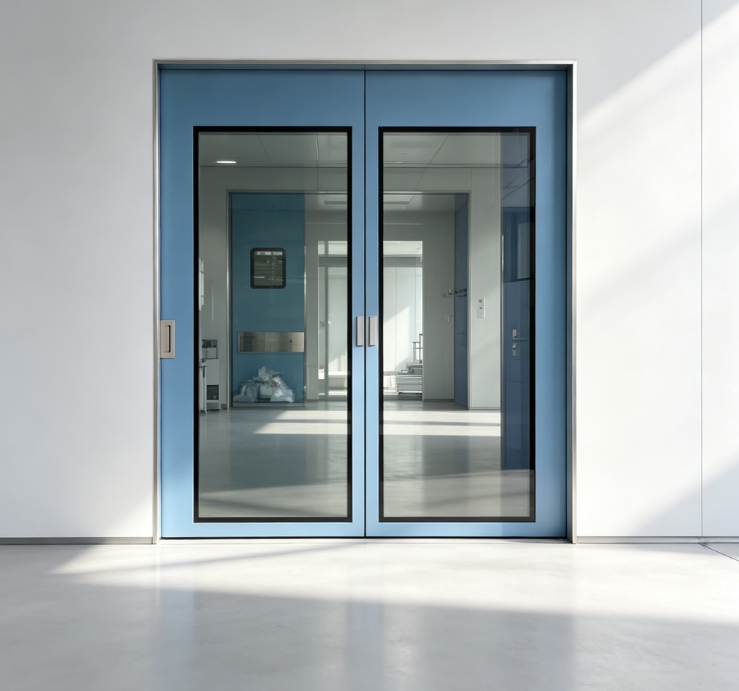
They pair with windows and doors. Seals around frames tighten the whole.
Ventilation flows controlled. Unwanted air stays out.
Solar setups mount easily. Generation adds to savings.
Smart controls integrate smoothly. Monitoring enhances use.
| Combined Element | Efficiency Boost | Overall Gain |
|---|---|---|
| Windows/Doors | Complete envelope | No weak points |
| Ventilation | Managed exchanges | Fresh air without loss |
| Solar Additions | Active plus passive | Dual energy benefits |
What Challenges Arise in Using These Panels?
Sites sometimes need tweaks. Curves or angles require planning.
Handling demands care. Protection during storage matters.
Teams learn fitting techniques. Training smooths adoption.
Feedback loops improve methods. Builders refine approaches.
| Challenge Area | Common Issue | Practical Solution |
|---|---|---|
| Site Variations | Non-standard shapes | Advance planning |
| Material Care | Potential damage | Proper storage |
| Installation Skill | Learning curve | Crew guidance |
Polyphen Sandwich Panel as a highly efficient building envelope material, significantly improve energy efficiency in building walls and roofs through their unique structure combining a foam core with outer metal panels. This material effectively blocks heat conduction, convection, and radiation, reduces air leakage, and forms a continuous thermal insulation envelope, resulting in more stable indoor temperatures and reduced energy consumption for heating and cooling systems. Its lightweight design, seamless connections, durability, and adaptability to different climates further contribute to achieving energy-saving goals during both the construction and long-term use phases of buildings. Polystyrene sandwich panels are widely used in residential, commercial buildings, warehouses, and industrial plants, and their energy efficiency performance is even better when combined with systems such as doors, windows, ventilation, and solar energy. They have become an important material choice for modern buildings striving for sustainable development and low energy consumption.