English
 русский
 Español
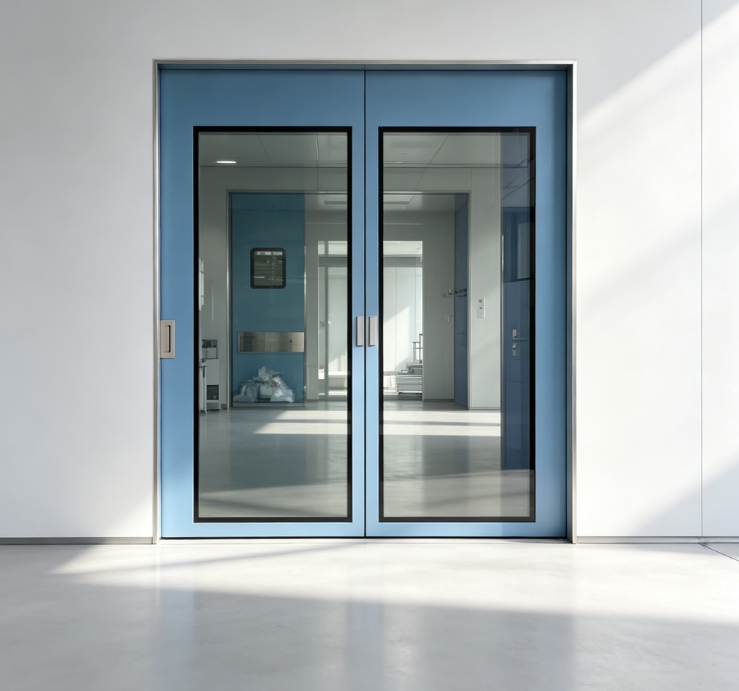
Clean room double doors often look simple. Two panels. One opening. A clean surface. Yet behind that simple appearance sits a system that carries daily pressure from people, equipment, airflow, and cleaning routines. Over time, even well-installed doors begin to show signs of change.
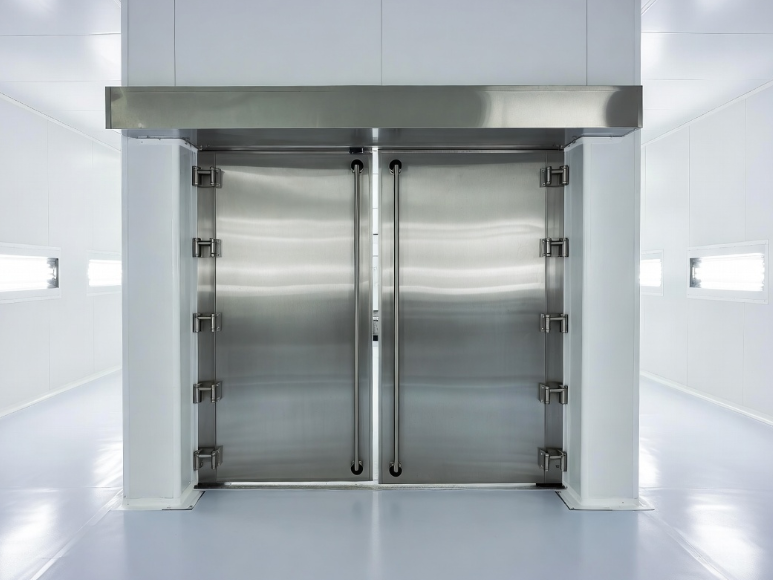
Facility teams notice it during inspections. Operators feel it during shifts. Maintenance staff hear it when hinges move differently. These changes rarely appear overnight. They build slowly, shaped by use, environment, and cleaning habits.
Across controlled spaces, double doors play a quiet role. They guide movement. They help separate zones. They support hygiene routines. When small problems appear, they can influence workflow and comfort long before they affect compliance.Industry conversations increasingly focus on what happens after installation. Not how doors arrive. But how they age.
Content
- 1 Why Do Clean Room Double Doors Wear Differently From Standard Doors?
- 2 How Does Daily Traffic Affect Double Door Alignment?
- 3 What Happens to Door Seals Over Time?
- 4 Can Surface Changes Affect Clean Room Operations?
- 5 Why Do Hinges and Hardware Require Ongoing Attention?
- 6 How Do Pressure Zones Influence Door Behavior?
- 7 What Role Does Cleaning Play in Long-Term Door Condition?
- 8 Are Visibility Panels Affected by Daily Use?
- 9 How Do Carts and Equipment Contribute to Door Damage?
- 10 What Inspection Patterns Help Catch Issues Early?
- 11 Why Do Some Double Doors Age Faster Than Others?
- 12 Can Installation Choices Affect Long-Term Performance?
- 13 How Do Staff Habits Influence Door Lifespan?
- 14 What Common Complaints Do Facility Teams Hear?
- 15 How Do Double Door Issues Influence Workflow?
- 16 Are Replacement Cycles Becoming More Planned?
- 17 What Signs Suggest It Is Time for Professional Adjustment?
- 18 How Are Clean Room Double Door Challenges Shaping Design Conversations?
- 19 What Maintenance Practices Are Becoming More Common?
Why Do Clean Room Double Doors Wear Differently From Standard Doors?
Clean rooms ask more from doors than typical buildings do.
Every opening changes air balance. Every touch adds surface contact. Every cleaning cycle exposes materials to moisture and wiping pressure. Double doors experience this twice as much because they include more panels, joints, and moving parts.
Standard doors open a few times per hour. Clean room doors open again and again throughout the day.
They also face:
- Repeated sanitation
- Controlled pressure zones
- Equipment movement
- Gowning traffic
- Carts and containers
Over time, this creates a unique wear pattern.Frames shift slightly. Surfaces lose their original smooth feel. Seals compress. Handles loosen. Alignment drifts.None of this means failure. It means the doors are doing their job.
How Does Daily Traffic Affect Double Door Alignment?
Traffic patterns tell a story.
Some doors serve staff movement. Others see carts and equipment. Many experience both. Each opening pulls on hinges. Each close presses against seals.
Gradual alignment changes are common.
Panels that once met evenly may start to sit lower on one side. Gaps may appear near the top or bottom. Latches may require more effort.
These shifts often come from:
- Uneven pressure during closing
- Repeated contact with carts
- Floor settling
- Building movement
- Hinge fatigue
Operators usually notice alignment issues when doors feel heavier or when one panel touches the frame earlier than expected.Small adjustments can restore balance. Ignoring early signs allows strain to spread across hinges and frames.
What Happens to Door Seals Over Time?
Seals are quiet protectors. They sit between moving panels and fixed frames. Their job is simple. Fill gaps. Reduce air exchange. Support zone separation.
Over time, seals compress.They flatten. They harden. They lose flexibility.Cleaning chemicals and moisture speed up this process. So does temperature variation.
When seals age, facilities may notice:
- Drafts near door edges
- Increased sound transfer
- Subtle air movement
- Light visible through gaps
These signs rarely appear all at once.They grow slowly, often during routine inspections rather than daily operation.Replacing worn seals is usually straightforward, yet delays are common because seals do not always look damaged at glance.
Can Surface Changes Affect Clean Room Operations?
Yes, even when they seem minor.Door panels face constant contact. Gloves brush against them. Equipment bumps them. Cleaning cloths wipe them many times a day.
Over time, surfaces may show:
- Fine scratches
- Dull areas
- Cloudy patches
- Faint marks from repeated contact
These changes do not always impact function. But they can affect appearance and cleaning ease.Rougher surfaces collect residue more easily. They also take longer to wipe clean.In controlled environments, visual cleanliness matters. Staff often feel more confident when surfaces look smooth and uniform.Surface wear rarely demands immediate replacement. But it does influence maintenance routines and inspection results.
Why Do Hinges and Hardware Require Ongoing Attention?
Every door relies on moving parts.Double doors double that responsibility.Hinges carry weight. Handles absorb force. Closers manage speed. Locks control access.
Over time, these components may develop:
- Looseness
- Noise
- Resistance
- Slower closing
- Uneven movement
Moisture from cleaning can enter joints. Dust from adjacent areas may settle into hardware. Frequent use adds mechanical stress.Without regular checks, small hardware issues grow larger.A hinge that squeaks today may misalign a panel tomorrow.Many facilities now include door hardware in routine walk-throughs rather than waiting for complaints.
How Do Pressure Zones Influence Door Behavior?
Clean rooms often operate with controlled pressure differences between spaces.Double doors sit directly in this transition.Pressure affects how doors close. It influences how seals compress. It can even change how much force staff need to apply.
When pressure changes slightly over time, doors may:
- Close more slowly
- Bounce back after closing
- Feel heavier in one direction
- Drift open if not latched
These behaviors are not always linked to door faults. They often reflect broader airflow adjustments inside the facility.Still, doors become the visible indicator.Staff usually notice pressure changes through door movement long before monitors raise alerts.
What Role Does Cleaning Play in Long-Term Door Condition?
Cleaning keeps clean rooms functional. It also shapes how doors age.Frequent wiping introduces moisture. Repeated motion creates friction. Some cloths leave fine fibers behind.
Over months and years, this leads to:
- Edge wear near handles
- Fading around high-touch areas
- Minor swelling in less protected joints
- Residue buildup near frames
Double doors receive twice the cleaning attention compared to single panels.Consistency matters. Gentle techniques reduce wear. Uneven cleaning creates uneven aging.Facilities that rotate cleaning staff often see varied patterns on door surfaces.
Are Visibility Panels Affected by Daily Use?
Many double doors include viewing panels.These help staff see across zones without opening doors.
Over time, these panels may develop:
- Fogging
- Fine scratches
- Slight haze
- Edge discoloration
Cleaning tools sometimes reach these panels more aggressively. Equipment carts occasionally bump them. Light exposure changes their appearance gradually.While visibility usually remains acceptable, clarity may reduce.Operators often mention this during audits, especially when panels no longer offer a crisp view.
How Do Carts and Equipment Contribute to Door Damage?
Clean rooms move materials constantly.Carts pass through doors. Containers roll across thresholds. Equipment travels between zones.Even careful handling leaves traces.
Common signs include:
- Small dents near lower panels
- Scuffed frames
- Marks along swing paths
- Wear near kick zones
Double doors face this twice as much due to their wider openings.Facilities with heavy internal transport usually add protective strips or adjust traffic flow to reduce impact.
What Inspection Patterns Help Catch Issues Early?
Many problems appear gradually.Visual checks often catch surface changes. Manual testing reveals alignment shifts. Listening helps identify hardware wear.Some facilities follow informal routines. Others use structured checklists.
Typical inspection points include:
| Inspection Area | What Teams Often Look For |
|---|---|
| Door alignment | Even gaps, smooth closing |
| Seals | Compression, cracks, flexibility |
| Hinges | Noise, looseness |
| Handles | Stability |
| Panels | Scratches, dull spots |
| Viewing areas | Clarity |
| Frames | Marks, movement |
Short inspections done regularly prevent small issues from becoming operational concerns.
Why Do Some Double Doors Age Faster Than Others?
Not all doors experience the same workload.
Factors that influence aging include:
- Traffic volume
- Cleaning frequency
- Nearby equipment
- Pressure differences
- Staff behavior
- Cart movement patterns
Doors near gowning areas age differently from doors near storage zones.Doors in high-traffic corridors see more alignment changes. Doors in quieter areas mainly show surface wear.Understanding these patterns helps facilities prioritize maintenance.
Can Installation Choices Affect Long-Term Performance?
Yes.Even when materials are similar, installation quality shapes how doors behave later.Proper leveling reduces hinge stress. Balanced panels close more evenly. Well-seated frames resist movement.Small deviations during installation may not show immediately. They surface months later as uneven wear or persistent adjustments.That is why many facilities document initial alignment and revisit it during routine checks.
How Do Staff Habits Influence Door Lifespan?
People shape equipment longevity more than realize.Holding doors open with carts. Pushing panels instead of handles. Allowing doors to swing freely. All add stress.
- Simple habits make a difference:
- Using handles instead of panels
- Guiding carts carefully
- Allowing doors to close fully
- Reporting early changes
Training programs often include door use guidelines as part of broader clean room behavior education.
What Common Complaints Do Facility Teams Hear?
Across different environments, maintenance teams report similar feedback:
- Doors feel heavier
- Panels no longer meet evenly
- Handles move slightly
- Seals appear flattened
- Viewing areas look cloudy
- Frames show marks
These complaints usually arrive one by one.Rarely do all issues appear together.Listening to early feedback prevents larger service interruptions later.
How Do Double Door Issues Influence Workflow?
Small door problems affect daily rhythm.Slower closing delays movement. Misalignment increases effort. Reduced visibility changes how staff approach crossings.Operators adapt quietly at first.They push harder. They wait longer. They take alternate routes.Over time, these adjustments influence efficiency and comfort.Facilities that respond early keep workflows smoother.
Are Replacement Cycles Becoming More Planned?
Yes.Rather than waiting for failure, many facilities now plan door component replacement as part of regular upkeep.Seals follow one schedule. Hardware another. Panels receive surface checks.This approach reduces surprise repairs and supports steady operation.Double doors benefit from this structured care more than almost any other entry system in controlled spaces.
What Signs Suggest It Is Time for Professional Adjustment?
Some changes need trained hands.
Facilities often seek professional support when they notice:
- Persistent misalignment
- Repeated seal replacement
- Hardware loosening despite tightening
- Panels rubbing frames
- Doors not staying closed
These signals indicate deeper balance or installation issues.Early service usually costs less than delayed correction.
How Are Clean Room Double Door Challenges Shaping Design Conversations?
Industry discussions now focus on durability rather than appearance alone.
Design teams consider traffic flow earlier. Maintenance access becomes part of planning. Door placement reflects operational patterns.
Double doors are no longer treated as simple openings.
They are seen as working components that influence movement, hygiene, and comfort.
This shift changes how facilities approach future projects.
What Maintenance Practices Are Becoming More Common?
Facilities increasingly rely on:
- Routine visual checks
- Simple alignment tests
- Scheduled seal reviews
- Hardware inspections
- Surface condition tracking
Some teams use basic logs. Others include doors in digital maintenance systems.The goal is the same.Catch small changes before they shape daily operations.