English
 русский
 Español
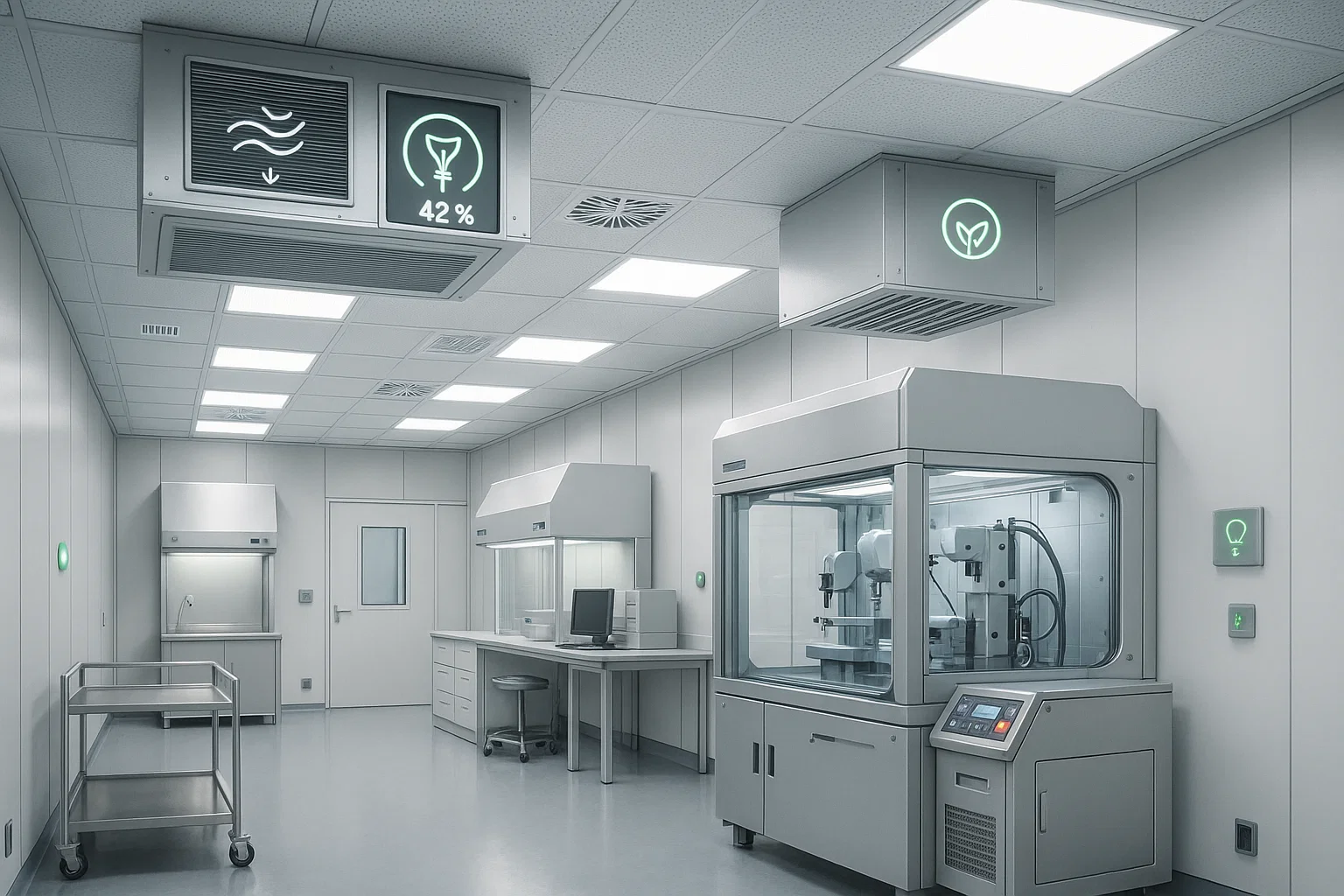
Energy consumption is one of the largest operational expenses in clean room facilities. Implementing energy-efficient clean room solutions is critical not only for reducing costs but also for supporting sustainable manufacturing practices. By optimizing airflow, lighting, insulation, and equipment performance, businesses can achieve lower utility bills while maintaining strict contamination control standards. This article explores practical strategies, design considerations, and technological solutions that enable energy-efficient operations in clean room environments.
Content
- 1 Optimizing air handling systems for energy efficiency
- 2 Lighting and electrical efficiency in clean rooms
- 3 Insulation and envelope design for reduced energy loss
- 4 Energy-efficient equipment selection and maintenance
- 5 Comparative analysis of energy-saving measures
- 6 Implementing sustainable and cost-effective clean room solutions
Optimizing air handling systems for energy efficiency
Air handling units (AHUs) and high-efficiency particulate air (HEPA) filters are essential for maintaining clean room standards but also represent a significant portion of energy use. Modern energy-efficient clean room solutions focus on variable air volume (VAV) systems, demand-controlled ventilation, and high-performance fan motors to reduce energy consumption without compromising air cleanliness. Proper balancing of supply and exhaust airflows ensures that conditioned air is delivered where needed and avoids unnecessary over-conditioning of low-traffic areas.
Advanced airflow control strategies
- Use sensors to detect occupancy and adjust airflow dynamically.
- Implement pressure differentials between clean zones to minimize leakage and reduce fan load.
- Regularly maintain and clean filters to sustain low resistance and efficient airflow.
Lighting and electrical efficiency in clean rooms
Lighting accounts for a significant fraction of electricity usage in clean room operations. Replacing traditional fluorescent or incandescent fixtures with LED systems can reduce power consumption while providing high-quality illumination that meets clean room standards. Integration of occupancy sensors, daylight harvesting, and programmable lighting schedules further minimizes energy use in unoccupied areas.
Electrical system optimization
- Install energy-efficient motors and variable frequency drives on critical equipment.
- Use smart power distribution systems to monitor and reduce standby power consumption.
- Integrate building management systems (BMS) to optimize energy use across HVAC, lighting, and other critical systems.
Insulation and envelope design for reduced energy loss
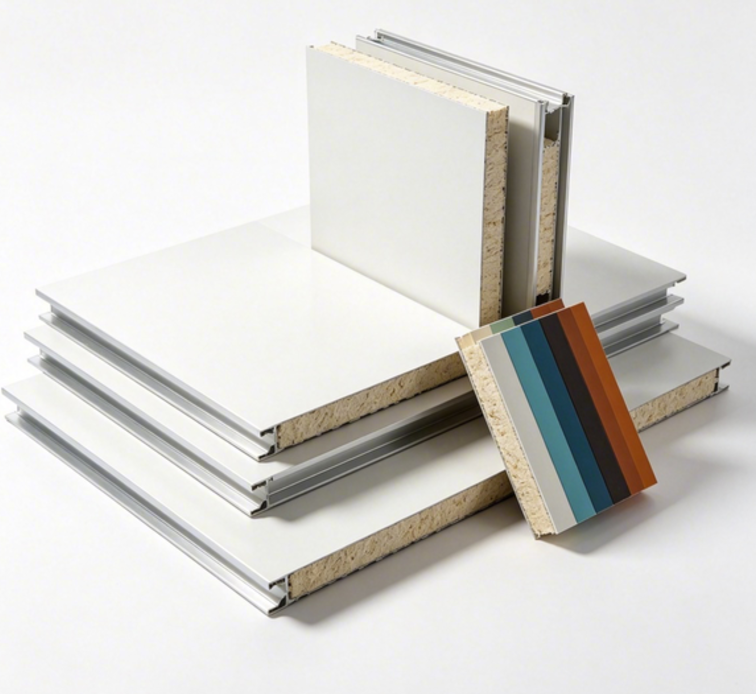
The structural design of a clean room can significantly influence energy efficiency. High-quality insulation in walls, ceilings, and floors reduces heat transfer, lowering the load on HVAC systems. Airtight construction and properly sealed access points prevent air leakage, which is a major source of wasted energy in pressurized clean rooms. Materials with high thermal performance and low thermal bridging are preferred in modern energy-efficient designs.
Best practices in envelope optimization
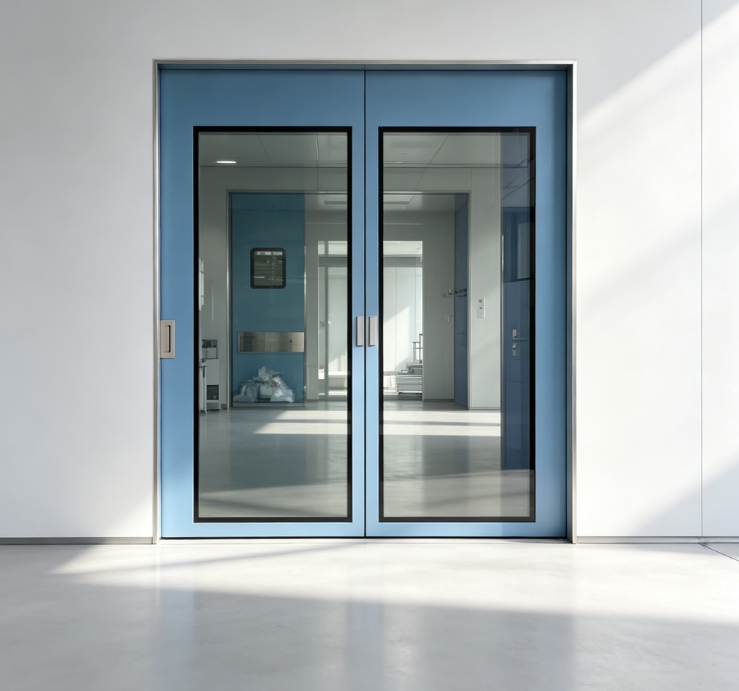
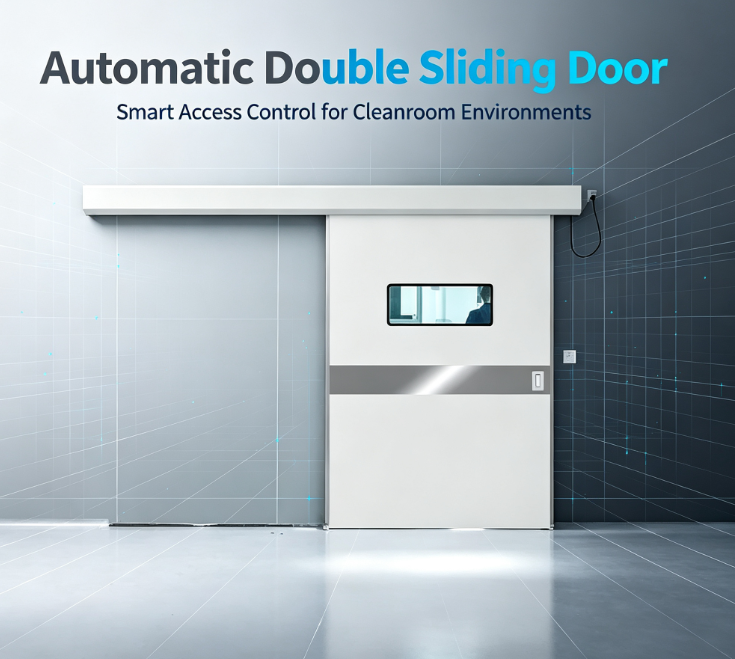
- Seal gaps around doors, windows, and wall panels to prevent conditioned air loss.
- Use insulated panels with low U-values for walls and ceilings.
- Implement double-door entry systems or airlocks to minimize contamination and airflow loss.
Energy-efficient equipment selection and maintenance
Equipment used in clean rooms, such as autoclaves, sterilizers, and production machinery, can consume large amounts of energy. Selecting energy-efficient models with programmable operation cycles and low standby consumption contributes to reduced operational costs. Regular preventive maintenance ensures that equipment operates at peak efficiency, avoiding unnecessary energy waste.
Equipment management strategies
- Schedule high-energy processes during off-peak hours where possible.
- Implement predictive maintenance to reduce unplanned energy spikes.
- Use energy monitoring devices to track consumption and identify improvement opportunities.
Comparative analysis of energy-saving measures
|
Measure |
Estimated Energy Savings |
Impact on Operational Cost |
|
Variable air volume HVAC |
15–30% |
High reduction in electricity bills |
|
LED lighting with sensors |
20–40% |
Significant annual savings |
|
High-performance insulation |
10–20% |
Moderate reduction in heating/cooling costs |
|
Energy-efficient equipment |
5–15% |
Lower utility bills and maintenance costs |
Implementing sustainable and cost-effective clean room solutions
By combining optimized air handling, efficient lighting, well-insulated construction, and energy-conscious equipment management, clean rooms can significantly reduce operational costs without compromising contamination control standards. Adopting these energy-efficient measures not only lowers utility bills but also supports sustainability initiatives and regulatory compliance, providing a long-term competitive advantage for manufacturers and laboratories.