English
 русский
 Español
PCGI sandwich panels have rapidly gained popularity in modern construction due to their durability, energy efficiency, and overall versatility. As buildings are increasingly exposed to weather conditions, the importance of using materials that can withstand high temperatures, cold climates, strong winds, and moisture becomes critical. We are into how panels perform in weather and why they are a preferred choice for construction projects in such environments.
Content
- 1 What Are PCGI Sandwich Panels and How Are They Structured?
- 2 How Do PCGI Sandwich Panels Perform in Hot Climates?
- 3 How Do PCGI Sandwich Panels Perform in Cold Environments?
- 4 How Do PCGI Sandwich Panels Handle Wind and Storms?
- 5 How Do PCGI Sandwich Panels Perform in Humid and Moist Environments?
- 6 How Long Do PCGI Sandwich Panels Last in Extreme Weather Conditions?
What Are PCGI Sandwich Panels and How Are They Structured?
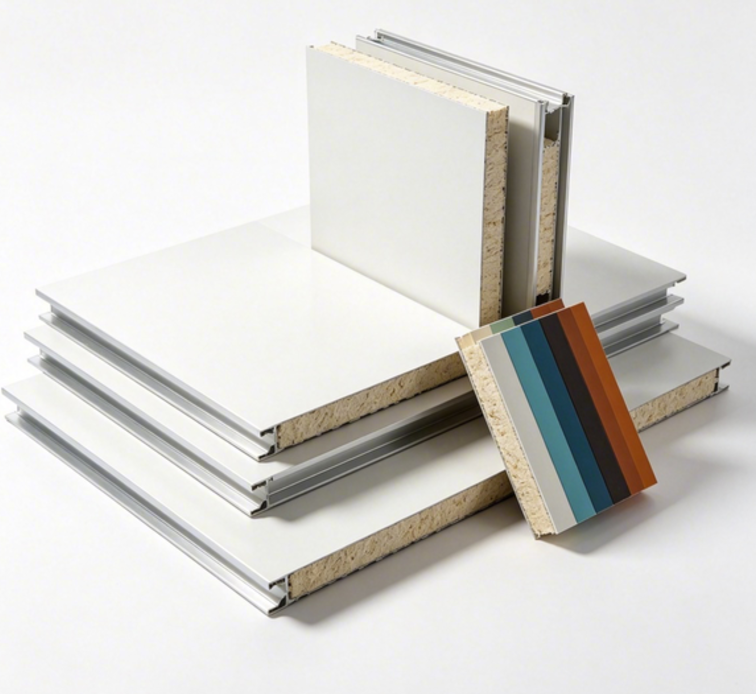
PCGI panels form a practical building material used in many construction projects. They feature a straightforward layered setup that combines protection with insulation.
These panels include three main parts working together. The middle section consists of a firm insulating fill. The two sides cover this fill with sturdy sheets.
Think of the core as the heart of the panel. It often uses polyurethane foam. This material traps air in tiny pockets, slowing heat movement. Indoors stay cooler in warm weather or warmer in cool spells. Energy use drops because less heating or cooling is needed.
The outer coverings, or skins, handle the tough parts. They typically come from pre-coated galvanized iron sheets. A zinc layer guards against rust. A paint finish adds color and further shields from weather. These sheets give the panel its shape and strength. They resist bends, impacts, and daily wear.
One skin faces outside, meeting rain, wind, or sun. The other faces inside, often in a plain or matching finish. Both bond tightly to the core during making. This bond keeps everything solid.
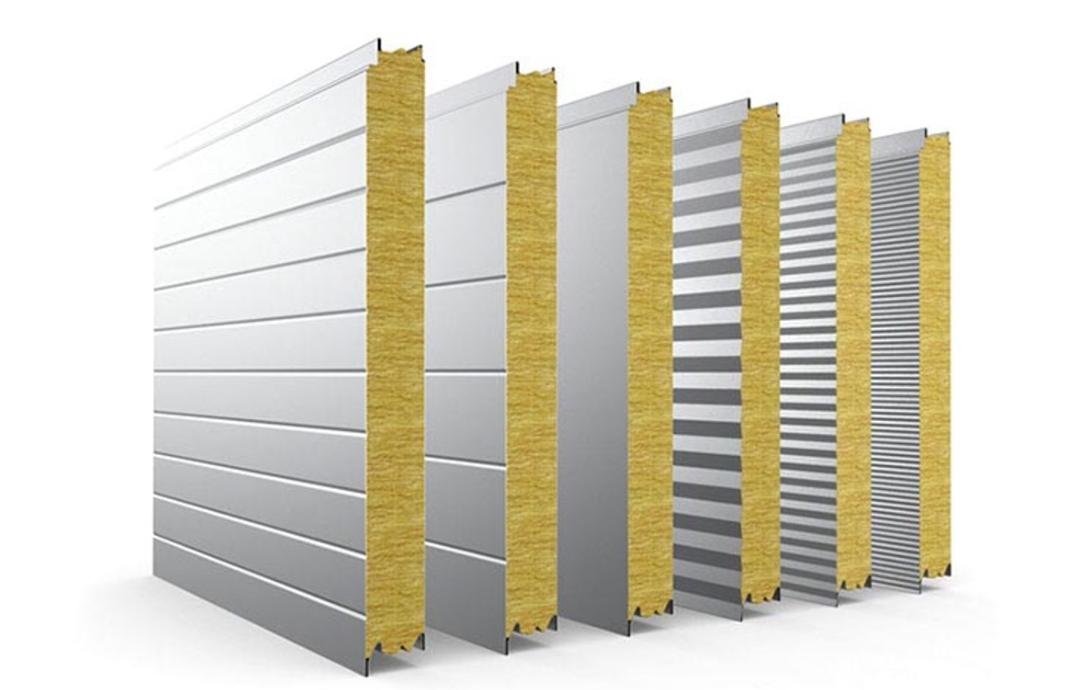
Here are some cross-section views showing the layers:
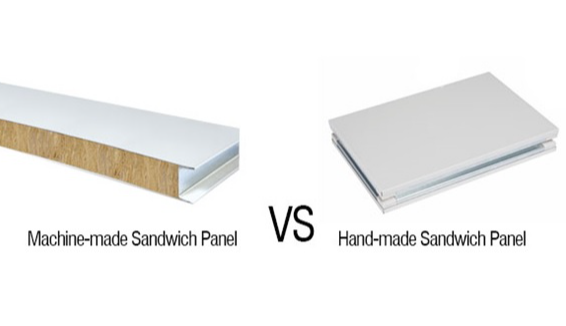
This design lets the panels manage temperature shifts well. Heat struggles to pass through the core. Exteriors fend off moisture and corrosion.
Builders cut and join panels easily on site. Edges fit together snugly, often with tongue-and-groove shapes. Seals at joints keep air and water out.
In use, the combination means steady indoor conditions. Structures like warehouses or storage units benefit from this balance. The panels hold up over time in varied settings.
The core provides the cushion against temperature changes. Skins offer the barrier and support. Together, they create a lightweight yet rigid unit.
Variations exist in thickness or finish, but the basic three-layer approach stays the same. This setup supports reliable performance across different climates.
How Do PCGI Sandwich Panels Perform in Hot Climates?
PCGI panels handle hot climates well, where the sun beats down relentlessly and temperatures climb high. Buildings in such areas need materials that keep interiors manageable without constant cooling.
The core plays a big role here. Made from polyurethane foam, it slows heat from moving in. Outside air stays hot, but inside feels noticeably cooler. This setup cuts down on the need for fans or air units running all day. Energy stays lower, and comfort holds steady.
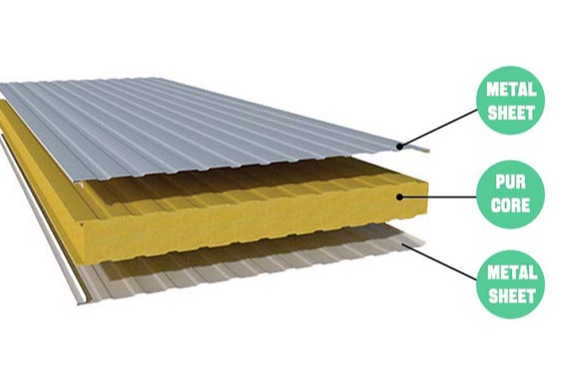
These cross-sections show the layered build, with the thick foam middle sandwiched between metal faces.
Outer skins take the direct hit from sunlight. Pre-coated galvanized iron reflects some rays and resists fading. The coating shields against UV damage, so colors and surfaces hold up over seasons. No peeling or cracking shows up easily.
In scorching days, materials can swell with heat. These panels manage that shift. They expand a bit without twisting or buckling. Joints stay tight, and the overall shape remains solid.
Warehouses and factories in sunny regions often use them for walls and roofs. Interiors protect goods or workers from the blaze outside.

Pictures like these capture panels in place on structures under bright skies, from desert storage to rooftop installs.
Humidity sometimes pairs with heat. The design keeps moisture from building up inside layers. Dry conditions prevail, avoiding any soft spots.Roofs made this way shed heat faster in evenings. Cool nights help reset, ready for the next day.People inside notice the difference. Work continues smoothly, without sweat soaking through. Storage items stay at even temperatures.
How Do PCGI Sandwich Panels Perform in Cold Environments?
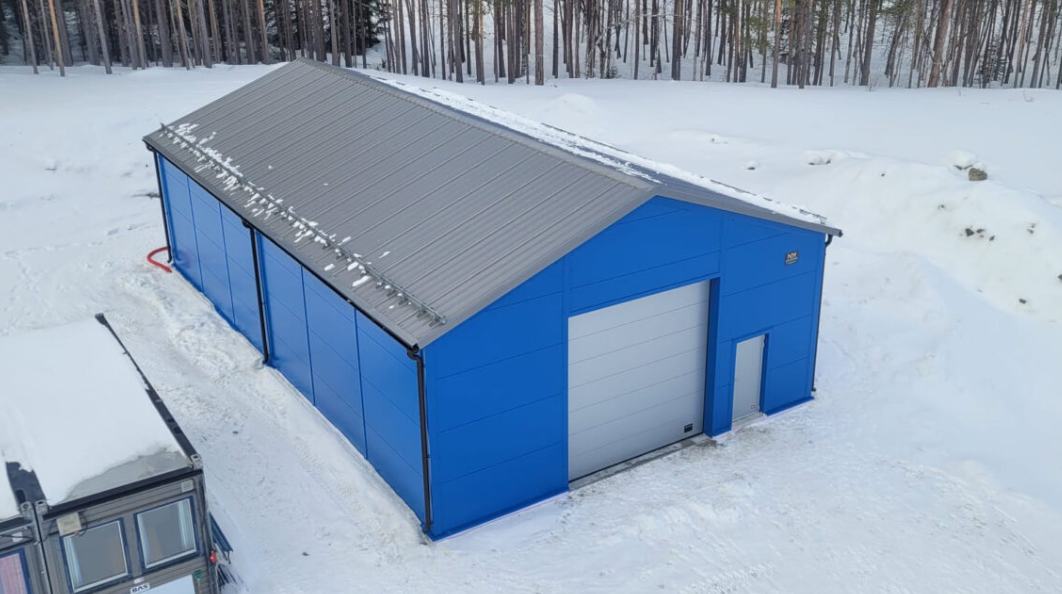
PCGI panels are equally effective in cold environments. Their ability to retain heat inside buildings is essential for reducing energy consumption and maintaining comfort. Here's why they are effective in cold conditions:
- Preventing Heat Loss: The polyurethane core prevents heat from escaping the building, keeping internal temperatures stable even in freezing conditions. This is crucial for reducing heating costs in colder climates.
- Resistance to Brittle Damage: Unlike some materials that become brittle in cold weather, PCGI panels are designed to remain flexible and durable, preventing cracks and other forms of damage that might occur due to cold.
- Energy Efficiency: With their high insulation capacity, these panels reduce the need for constant heating, thereby lowering energy usage and costs.
Effectiveness of Insulation in Cold Climates
| Insulation Type | Heat Retention | Durability in Cold Weather | Energy Efficiency |
|---|---|---|---|
| PCGI Sandwich Panels | High | High | Excellent |
| Fiberglass Insulation | Moderate | Moderate | Moderate |
| Expanded Polystyrene Panels | Low | Low | Low |
How Do PCGI Sandwich Panels Handle Wind and Storms?
PCGI panels stand up well to wind and storms, where gusts whip fiercely and conditions turn chaotic quickly. Buildings in exposed or coastal spots face these forces often, and the right materials make a real difference in holding everything together.
The layered build gives them strength against pressure. The polyurethane core bonds tightly to the outer pre-coated galvanized iron skins. This connection turns the panel into a single rigid unit. Wind pushes hard, but the force spreads out across the surface and into the supporting frame. No single spot takes the full brunt.
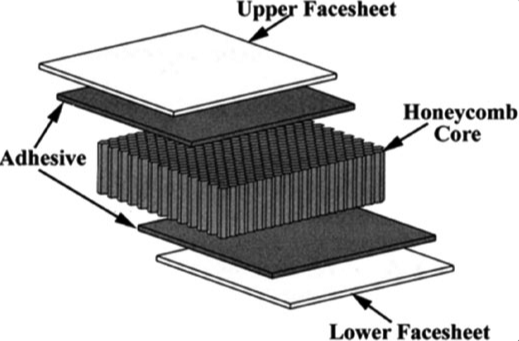
Close-up sections like these illustrate the firm adhesion between foam core and metal faces.
Fasteners and joints play their part too. Panels lock together with overlapping edges or profiles that seal snugly. Screws or clips anchor them securely to the structure. In high gusts, they resist lifting or peeling away.
Storms often bring driving rain. Wind forces water sideways against walls and roofs. The smooth outer surfaces and tight seals deflect of it. Water runs down instead of finding gaps. Interiors stay dry, avoiding leaks that could weaken things over time.
Debris flies in strong winds. Branches or objects strike surfaces. The metal skins absorb impacts with minor dents at worst. The core cushions the blow, preventing deeper harm.
Coastal areas mix wind with salt spray. The galvanized coating and pre-paint finish fight corrosion. Moisture from storms doesn't eat away quickly. Panels keep their integrity through repeated exposures.
Installations on roofs and walls show how panels cover large areas smoothly, ready for tough weather.Warehouses, farms, or industrial units in windy zones rely on this setup. Roofs span wide without extra supports, yet handle uplift forces.Lightweight nature helps during assembly, but once fixed, they act solidly.
Tropical or hurricane-prone regions see them used for quick, resilient builds. Structures endure seasons of storms.
Post-event checks often reveal little need for fixes. Surfaces clean up easily.The combination of rigid bonding, sealed joints, and protective coatings equips them for blustery challenges.
How Do PCGI Sandwich Panels Perform in Humid and Moist Environments?
In regions prone to heavy rainfall or high humidity, moisture resistance is a crucial factor in ensuring the longevity of building materials. Panels excel in this regard:
- Moisture Resistance: The core material of PCGI panels does not absorb water, unlike some traditional insulation materials. This prevents mold, mildew, and other moisture-related issues from affecting the building.
- Protective Outer Layers: The metal or glass fiber skins act as a barrier to water, preventing moisture from penetrating the panels and ensuring long-term durability.
- Resistance to Saltwater: In coastal areas, salt from sea air can cause corrosion in many materials. However, Panels are often treated to resist saltwater corrosion, making them ideal for coastal construction projects.
Moisture and Saltwater Resistance of Building Materials
| Material Type | Moisture Resistance | Saltwater Resistance | Durability in Humid Environments |
|---|---|---|---|
| PCGI Sandwich Panels | High | High | High |
| Concrete Panels | Moderate | Low | Moderate |
| Wood Panels | Low | Low | Low |
How Long Do PCGI Sandwich Panels Last in Extreme Weather Conditions?
PCGI hold up over long periods in weather conditions, where constant exposure to sun, frost, storms, or humidity could wear down lesser materials. Structures in tough climates often stay solid and functional for many seasons.
The protective features build this lasting quality. Pre-coated galvanized iron skins resist rust and fading from ongoing weather assaults. Coatings shield against UV rays in hot areas or salt in coastal spots. Colors stay vibrant, and surfaces avoid peeling or chalking easily.
The polyurethane core adds to endurance. It doesn't break down from temperature swings or moisture. Bonds between layers remain strong, preventing delamination even after repeated cycles of heat and cold.
In windy or stormy regions, the rigid setup distributes stresses without fatigue. Fasteners and seals hold tight, reducing chances of loose parts over time.
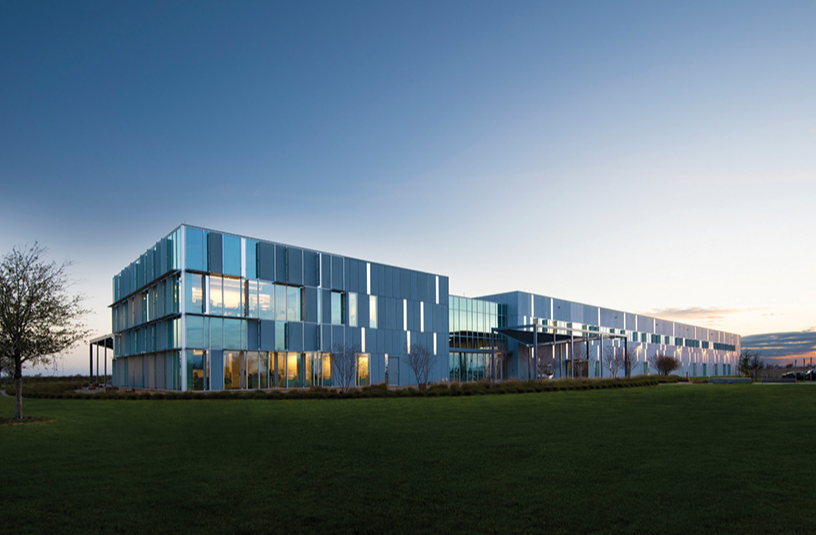
Views of industrial buildings with insulated metal panels show large-scale applications that endure daily demands.
Maintenance stays minimal. Occasional cleaning removes dirt or debris. No frequent painting or major fixes needed. This keeps costs low and buildings operational.
Warehouses in harsh deserts or cold storage units in freezing zones often feature these panels for years of service. Interiors maintain controlled conditions without panel failure.
Coastal facilities face salt and humidity daily. The anti-corrosion layers keep edges and surfaces intact.
Roofs span wide areas, handling snow loads or heavy rain without sagging.
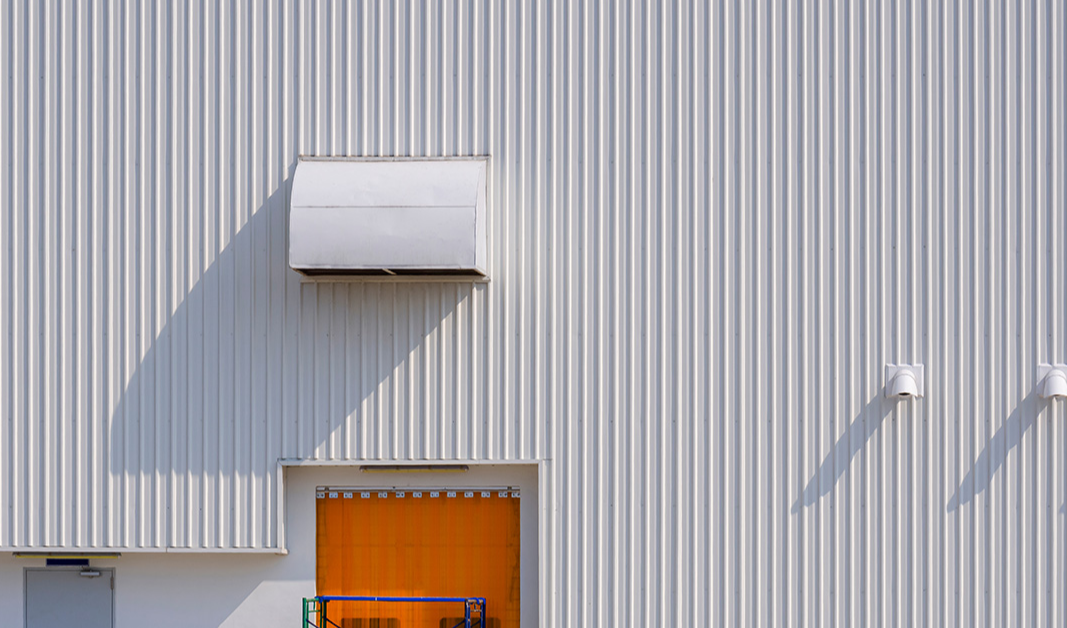
Examples from cold storage and similar setups highlight panels in place on structures built to last.
Farms or factories in variable climates rely on this reliability. Equipment and stock stay protected season after season.
Lightweight design means less strain on supports, contributing to overall longevity.
Proper installation sets the foundation. Sealed joints and secure fixing prevent early issues that could shorten life.
Regular checks catch minor wear early, though problems arise rarely.
PCGI sandwich panels suit projects needing materials that stand the test of time in heat, cold, wind, or dampness. Their balanced handling of temperature, moisture, and forces keeps spaces reliable and efficient over the long haul.