English
 русский
 Español
In the world of controlled environments, cleanrooms stand as vital hubs where precision meets purity. These spaces host delicate processes that demand strict oversight. Windows in such setups play a quiet yet crucial role. They allow observation without disrupting the inner calm. As industries evolve, the design of these windows adapts to meet varied needs.Below, we delve into the essential features of cleanroom windows for different environments.
Content
- 1 Why Material Choice Matters for Cleanroom Windows?
- 2 How Does Frame Construction Affect Cleanroom Window Performance?
- 3 What Role Do Seals and Gaskets Play in Cleanroom Windows?
- 4 How Important is Visibility and Light Transmission in Cleanroom Windows?
- 5 Why Are Easy Cleaning and Maintenance Essential?
- 6 How Does Pressure Resistance Impact Cleanroom Windows?
- 7 What Are the Anti-Static Features of Cleanroom Windows?
- 8 Can Cleanroom Windows Be Customized for Specific Environments?
Why Material Choice Matters for Cleanroom Windows?
In controlled spaces like cleanrooms, every detail counts. Windows do more than let in light or offer a view. They help maintain strict standards while allowing teams to observe processes safely. The materials used in these windows directly affect how well they perform over time.
Pick the right material, and the window stays clear, resists wear, and helps keep contaminants out. Choose poorly, and issues like fogging, scratches, or breaks can disrupt operations. Durability ties into daily use. Clarity ensures sharp visibility for monitoring. Resistance to particles and chemicals protects the inner environment.
Different settings call for different strengths. Some areas face harsh cleaning agents. Others deal with impacts or weight limits. Materials adapt to these needs.
| Material | Main Advantages | Typical Settings |
|---|---|---|
| Glass | Tough against scratches, simple to wipe down, holds up well | Spaces in medicine production and study areas |
| Acrylic | Easy to handle due to lower weight, clear sight, budget-friendly | Zones with minimal risk of bumps or knocks |
| Polycarbonate | Strong against hits, built to last longer | Areas needing added safety and toughness |
Glass often fits where teams need unobstructed views. It handles routine sanitizing without clouding. In labs or production lines, this reliability supports ongoing oversight.
Acrylic brings lightness into play. It suits setups where reducing load matters. Transparency stays high, and costs remain manageable. This makes it practical for larger installations or temporary walls.
Polycarbonate steps in for rugged demands. It absorbs shocks that might shatter other types. In busy or high-risk zones, this resilience prevents downtime from damage.
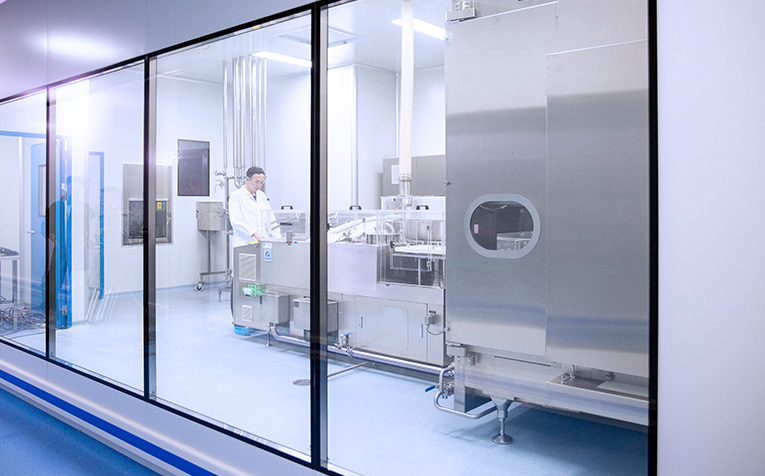
Each choice aligns with specific priorities. Visibility drives many decisions. All these materials allow clear lines of sight, but their responses to wear differ. Cleaning frequency influences picks too. Smooth, non-porous surfaces matter across the board.
Weight considerations arise in modular builds. Lighter options ease installation and adjustments. Impact risks guide toward tougher builds in active environments.
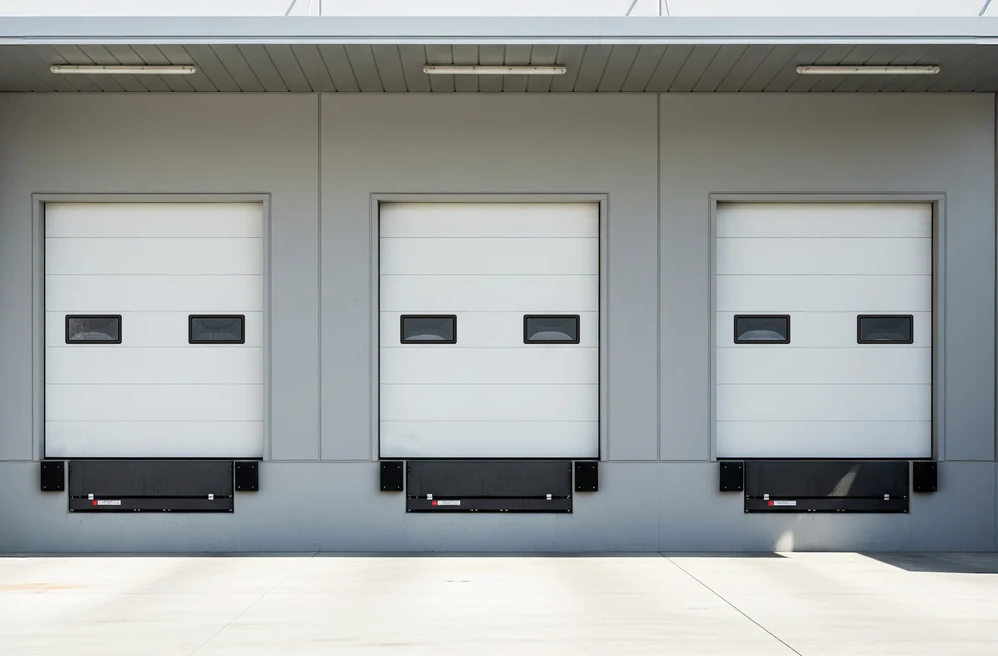
Think about long-term upkeep. Materials that resist yellowing or hazing keep views sharp. Those tolerant of strong wipes cut maintenance efforts.
In essence, material selection shapes how windows contribute to the cleanroom's goals. It balances strength, clarity, and fit for the task at hand. Matching the material to the space ensures smooth operations and lasting performance.
How Does Frame Construction Affect Cleanroom Window Performance?
The design and material of the window frame are just as important as the window itself. Frames must be durable, easy to clean, and seamlessly integrate into the cleanroom structure.
Key Characteristics of Cleanroom Window Frames:
- Smooth surfaces: Reduces the accumulation of dust and particles, making the windows easier to maintain.
- Material options: Stainless steel and aluminum are popular due to their resistance to corrosion and ease of maintenance.
- Seamless fit: The frame must ensure tight seals to prevent contamination from entering the cleanroom.
A well-designed frame enhances the overall cleanliness of the environment by preventing gaps and crevices where dirt could accumulate.
What Role Do Seals and Gaskets Play in Cleanroom Windows?
In cleanroom setups, windows must do more than provide a view. They help hold the line against unwanted particles and air leaks. Seals and gaskets around the edges play a key part here. They create tight barriers that maintain pressure differences and block contaminants from slipping through.
Good seals keep the controlled space intact. They stop air from mixing between inside and out. This supports the overall purity and stability needed for sensitive work.
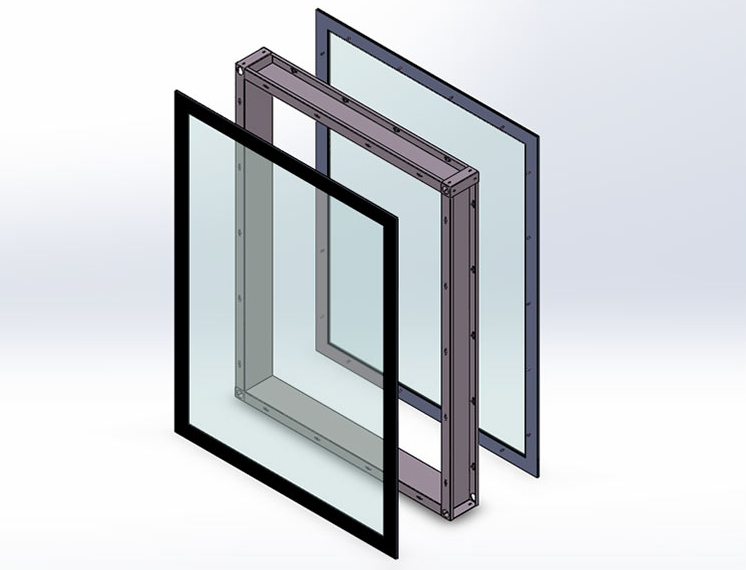
These components handle daily challenges. They flex with temperature changes, resist chemicals from cleaning, and endure physical stress. This resilience ensures windows stay reliable in tough conditions.
Common types bring specific strengths to the task
| Seal Type | Material | Main Role |
|---|---|---|
| Silicone Seals | Silicone Rubber | Provides good flexibility and strong sealing |
| EPDM Seals | EPDM Rubber | Resists heat and environmental wear for lasting performance |
| Pressure-sensitive Seals | Adhesive-based | Forms tight, adaptable barriers under shifting pressures |
Silicone options bend easily while holding firm. EPDM stands up well over time in varying settings. Pressure-sensitive kinds adjust to keep air locked out.
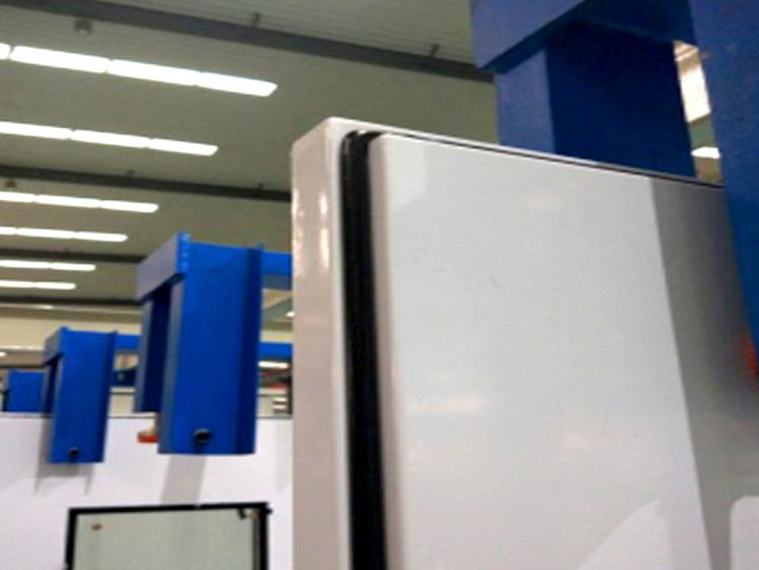
Seals and gaskets tie into the window's ability to protect the environment. They support clear observation without compromising control. Matching the right type to the space helps operations run smoothly.
How Important is Visibility and Light Transmission in Cleanroom Windows?
Clear visibility is essential for monitoring processes in a cleanroom. Windows must allow for unobstructed views while maintaining contamination control.
Key Considerations for Cleanroom Windows:
- Clarity: Glass and acrylic windows provide the clarity for viewing activities within the cleanroom.
- UV Protection: Some windows come with UV-resistant coatings to protect sensitive materials or prevent degradation from UV exposure.
- Light transmission: High light transmission is important in environments where natural light is limited.
For specific cleanrooms, such as those in the semiconductor or biotechnology fields, UV protection and specialized coatings may be necessary to safeguard sensitive materials.
Why Are Easy Cleaning and Maintenance Essential?
In cleanrooms, maintaining cleanliness is paramount. The windows must be designed for easy cleaning and regular maintenance to ensure a consistent, contaminant-free environment.
| Feature | Benefit |
|---|---|
| Smooth, flat surfaces | Prevents dust and contaminants from accumulating |
| Removable windows | Allows for easier access to clean the frames and glass |
| Coatings for chemical resistance | Ensures the window remains intact even with harsh cleaning agents |
Windows should also be designed to facilitate easy inspection, ensuring any defects or potential contamination issues can be spotted quickly.
How Does Pressure Resistance Impact Cleanroom Windows?
Cleanrooms often run with intentional air pressure variances. Some spaces keep higher pressure inside to push air out. Others maintain lower pressure to draw air in. These setups direct airflow and block unwanted particles. Windows face the brunt of these forces. They must hold steady without bending or leaking.
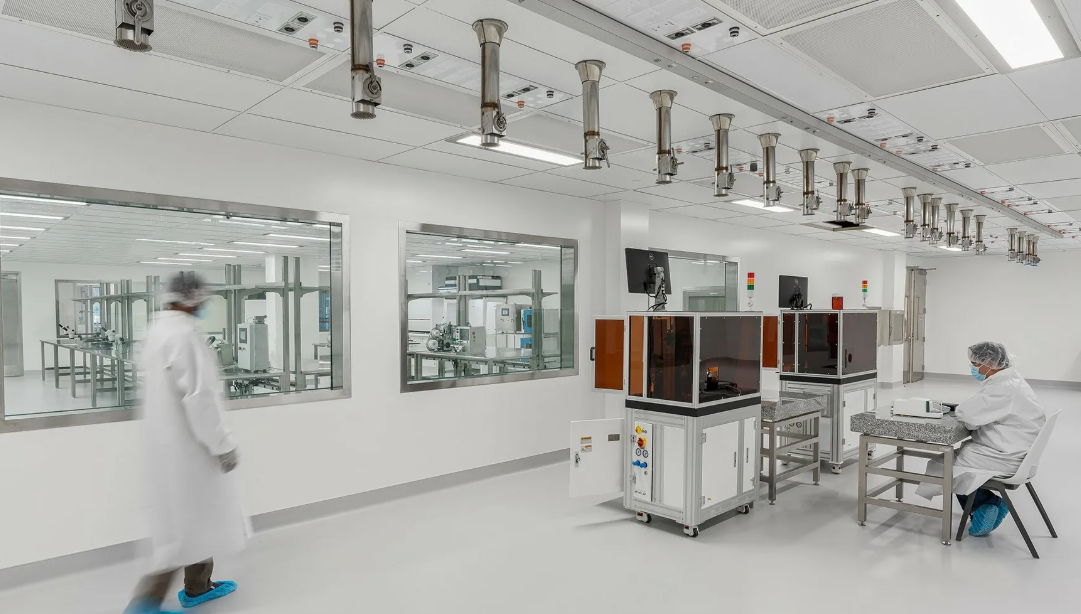
Strong pressure resistance keeps the system balanced. Weak spots to air escapes or inflows. This risks contamination and disrupts control. Windows built for these loads ensure reliable barriers.
Spaces with strict positive or negative pressure rely on rated designs. These windows tolerate the push and pull without compromise.
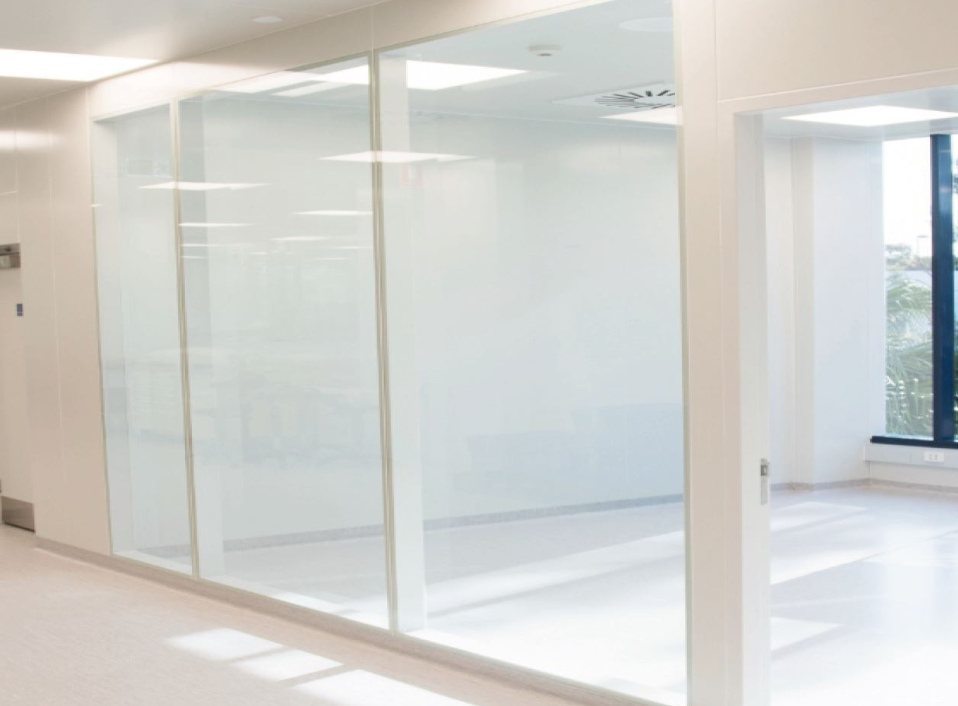
Sturdy frames play a big role. Reinforced builds prevent flexing or gaps under stress. This maintains containment over time.
Key elements boost this capability
| Feature | Primary Role | Benefit in Use |
|---|---|---|
| Double-sealed frames | Improves airtight closure | Manages shifts in pressure without leaks |
| Reinforced materials | Adds strength to glass or alternatives | Holds form in demanding setups |
Tougher options like thick glass or polycarbonate endure differentials better. They resist deformation in high-stakes areas.These traits work together for solid performance. Windows stay flush and secure. Observation continues uninterrupted. Pressure management supports the cleanroom's core function of purity and safety.
What Are the Anti-Static Features of Cleanroom Windows?
Certain cleanrooms, especially those in electronics manufacturing, require anti-static windows to protect sensitive equipment. Anti-static coatings on windows help to prevent static build-up, reducing the risk of electrostatic discharge (ESD).
Anti-Static Cleanroom Window Features:
- Coatings: Specialized anti-static coatings are applied to the surface of the window.
- Material choice: Windows made from non-conductive materials help prevent the accumulation of static charge.
- Easy cleaning: Anti-static windows are designed to be cleaned with minimal effort, ensuring they remain free from dust and static buildup.
Can Cleanroom Windows Be Customized for Specific Environments?
Custom windows are available for environments with unique requirements. These windows can be tailored in terms of size, shape, material, and additional features such as viewing ports or special coatings. Customization ensures that the window fits seamlessly into the cleanroom and performs as needed.
Customization Options for Cleanroom Windows:
- Shape and size: Tailored to fit non-standard spaces or specific cleanroom designs.
- Material specifications: Windows can be made with specific coatings or thicknesses depending on environmental needs.
- Integrated features: Additional elements like viewing hatches or ports can be incorporated for specialized tasks.
By selecting windows that match the unique needs of the cleanroom, manufacturers and researchers can ensure that they maintain both functionality and efficiency.
Windows are designed with specific features to ensure that contamination is minimized, pressure is maintained, and the environment remains stable. Whether it's selecting the right material, ensuring visibility, or designing for energy efficiency, each element of windows contributes to the overall success of maintaining a controlled environment. As industries evolve, the customization of windows will continue to play a crucial role in meeting the demands of specialized environments.