English
 русский
 Español
Content
- 1 Why Stainless Steel Products Are Critical for Purification Environments
- 2 Corrosion Resistance That Protects Product Integrity
- 3 High Strength for Demanding Industrial Applications
- 4 Processing Versatility Across Manufacturing Methods
- 5 Surface Quality and Cleanability Standards
- 6 Industry-Specific Applications of Stainless Steel Products
- 7 Choosing the Right Stainless Steel Products for Your Facility
Why Stainless Steel Products Are Critical for Purification Environments
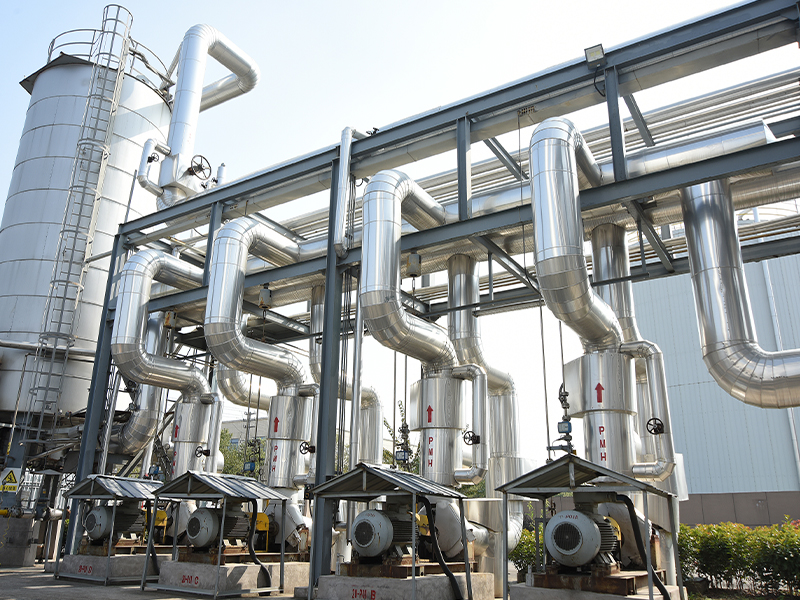
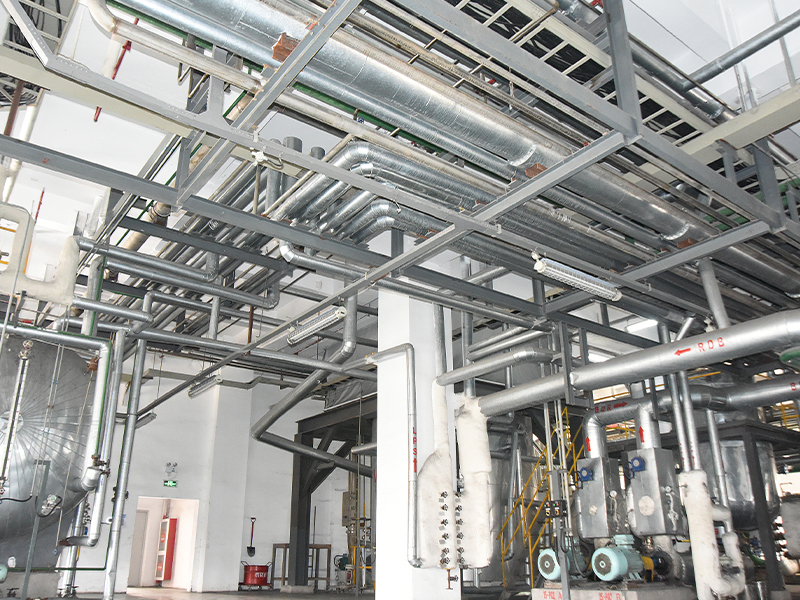
Stainless steel products have become the material of choice for industries that depend on purification workshops, including biopharmaceutical manufacturing, cosmetics production, food processing, electronics assembly, hospital environments, and new energy technology development. These industries share a common requirement: strict control over contamination, chemical exposure, and environmental cleanliness. Stainless steel meets these demands through a unique combination of physical and chemical properties that make it uniquely suited to environments where hygiene, durability, and long-term reliability cannot be compromised.
Unlike alternative materials that may degrade, corrode, or harbor contaminants over time, stainless steel maintains its structural and surface integrity even under repeated exposure to harsh cleaning agents, fluctuating temperatures, and constant handling. This reliability is precisely why purification workshops across so many industries continue to specify stainless steel for equipment, fixtures, and structural components.
Corrosion Resistance That Protects Product Integrity
One of the defining characteristics of stainless steel is its exceptional resistance to corrosion from acids, alkalis, salts, gases, and water exposure. This property is particularly valuable in purification workshops, where equipment surfaces are regularly exposed to cleaning chemicals, disinfectants, and various process materials that would rapidly degrade less resistant metals.
Chemical Exposure in Pharmaceutical Settings
Biopharmaceutical facilities routinely use strong disinfectants and sterilization chemicals to maintain sterile production environments. Stainless steel surfaces withstand this repeated chemical exposure without pitting, staining, or breaking down, ensuring that equipment continues to meet stringent cleanliness standards required for drug manufacturing.
Moisture Resistance in Food Processing
Food processing environments involve constant washdown procedures and exposure to moisture, acidic food products, and cleaning solutions. Stainless steel's resistance to rust and corrosion ensures equipment remains sanitary and structurally sound despite this constant moisture exposure, preventing the bacterial growth that can occur on corroded or pitted surfaces.
High Strength for Demanding Industrial Applications
Stainless steel products offer substantial tensile and compressive strength, allowing them to withstand significant external forces without deforming or failing. This strength is essential in purification workshops where equipment must support heavy loads, endure mechanical stress, or maintain structural stability under continuous operational demands.
| Industry | Structural Demand |
| Biopharmaceutical | Support for heavy processing tanks and vessels |
| Electronics | Precision framework for cleanroom workstations |
| Hospitals | Durable fixtures for high-traffic sterile areas |
| New Energy | Structural support for battery and cell production lines |
This combination of strength and durability means stainless steel components can be relied upon for structural applications within purification workshops without frequent replacement or reinforcement, reducing long-term maintenance costs and downtime.
Processing Versatility Across Manufacturing Methods
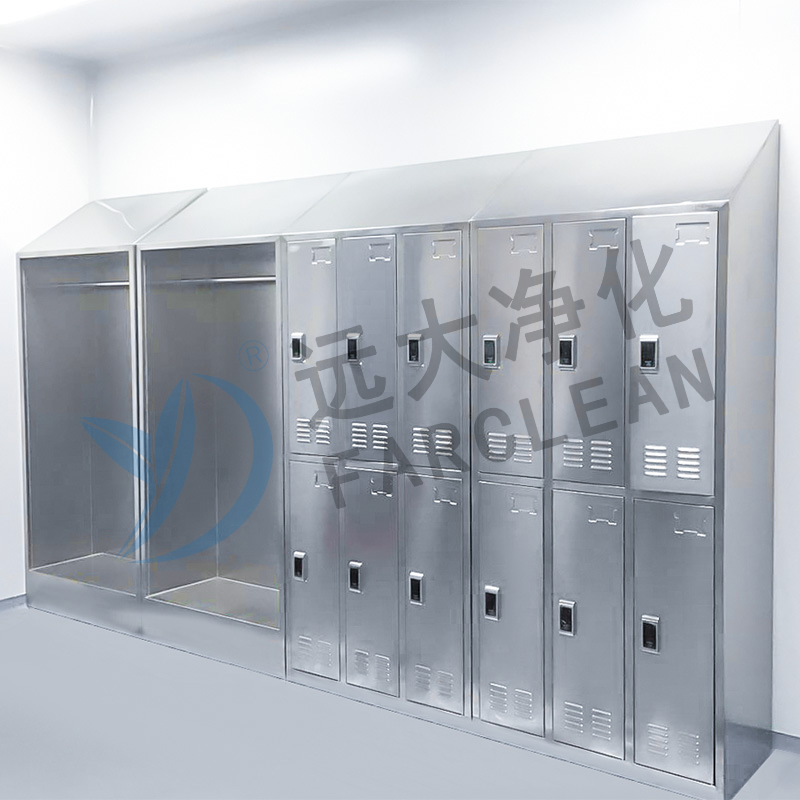
Stainless steel's adaptability to multiple processing methods, including cold work, hot work, and plastic processing, makes it a highly versatile material for manufacturing the diverse range of products required in purification environments. This processing flexibility allows manufacturers to produce everything from simple structural panels to complex, precisely shaped components using the same base material.
- Cold working processes allow for precise shaping without compromising material strength
- Hot working techniques enable the production of larger structural components
- Plastic processing methods support the creation of complex geometries for specialized equipment
- Welding and joining processes allow for custom fabrication of workshop fixtures and enclosures
This manufacturing flexibility means stainless steel products can be tailored precisely to the specific dimensional and functional requirements of different purification workshop applications, from cleanroom wall panels to specialized laboratory fixtures.
Surface Quality and Cleanability Standards
Purification workshops demand surfaces that are not only aesthetically smooth but also easy to clean and maintain over extended periods. Stainless steel delivers on both fronts, offering a naturally smooth, glossy surface finish that resists dirt accumulation and simplifies routine sanitation procedures.
Long-Term Surface Retention
Unlike materials that dull, scratch, or discolor with repeated cleaning, stainless steel retains its surface gloss and smoothness over years of use. This durability reduces the frequency of surface refinishing or replacement, providing long-term cost savings for facilities operating purification workshops continuously.
Reduced Contamination Risk
Smooth stainless steel surfaces provide fewer opportunities for dust, bacteria, or particulate matter to accumulate compared to rougher or more porous materials. This characteristic is especially important in cleanroom settings where even microscopic contamination can compromise product quality or regulatory compliance.
Industry-Specific Applications of Stainless Steel Products
Different industries rely on stainless steel products for distinct purification workshop applications, each leveraging the material's properties to address specific operational challenges.
- Biopharmaceutical facilities use stainless steel for processing tanks, piping, and cleanroom partitions
- Cosmetics manufacturers rely on stainless steel mixing vessels and filling equipment
- Food processors use stainless steel tables, conveyors, and storage containers for hygiene compliance
- Electronics manufacturers depend on stainless steel cleanroom enclosures to prevent static and particulate contamination
- Hospitals utilize stainless steel fixtures in sterile processing departments and surgical suites
- New energy companies use stainless steel components in battery production cleanrooms
Across all these applications, the consistent thread is the need for materials that combine strength, cleanliness, and long-term reliability under demanding operational conditions.
Choosing the Right Stainless Steel Products for Your Facility
Selecting appropriate stainless steel products for a purification workshop requires careful consideration of the specific grade of stainless steel, surface finish requirements, and structural specifications needed for the intended application. Facilities handling highly corrosive chemicals may require higher-grade alloys, while those prioritizing aesthetic appearance alongside functionality may focus more heavily on surface polish quality.
Working with experienced manufacturers who understand the specific regulatory and operational requirements of biopharmaceutical, food, electronics, hospital, and new energy purification workshops ensures that the stainless steel products selected will perform reliably over the long term, supporting both operational efficiency and regulatory compliance across these demanding industries.