English
 русский
 Español
Walk into any busy space and look down for a moment. The floor carries more than weight. It carries movement, noise, habits, and time. Over the years, expectations for flooring have shifted. It is no longer just about holding up. It is about lasting quietly while everything else changes.

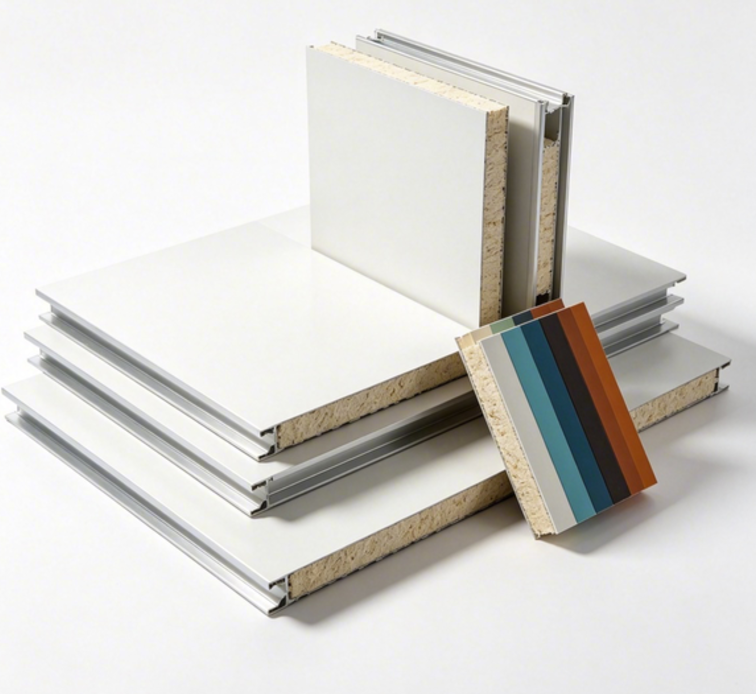
Floor sandwich panel have slowly become part of this shift. They are not loud in design. They sit beneath daily life, doing their job without drawing attention. What makes them interesting is not complexity, but how simple layers work together in a steady way.
A single material often reacts in one direction. It may be strong but rigid. Or soft but short-lived. Layered panels approach things differently. They balance behavior. That balance is where durability begins.
Content
- 1 Why do designers lean toward layered floor systems?
- 2 What makes a floor panel last longer in real use?
- 3 How can design choices shape long-term performance?
- 4 How do different environments influence panel design?
- 5 Does installation affect how long the floor lasts?
- 6 How does surface design influence daily experience?
- 7 Can smart design reduce ongoing maintenance?
- 8 What patterns are shaping current design thinking?
- 9 What challenges appear during the design process?
- 10 How can design decisions quietly extend floor lifespan?
Why do designers lean toward layered floor systems?
Spaces today rarely stay the same for long. A room may change purpose without warning. Furniture moves. Foot traffic shifts. What worked last month may not work now.
Layered flooring systems respond better to this kind of uncertainty. They allow adjustment without full replacement. That alone changes how people think about long-term use.
There is also a quiet comfort factor. Hard surfaces can feel cold and unforgiving. When layers are combined thoughtfully, the floor feels more stable underfoot. Not soft in a weak sense, but less harsh.
Installation also plays a part. Panels prepared ahead of time reduce on-site effort. This leads to fewer interruptions and a more predictable outcome.
What makes a floor panel last longer in real use?
Durability is not only about strength. It is about how a surface reacts day after day. Small stresses repeat. Tiny movements add up.
In a sandwich panel, each layer handles a different kind of pressure. The top surface faces direct contact. Shoes, furniture, and daily friction all meet here. If this layer wears unevenly, the whole floor begins to show age.
The inner section works more quietly. It spreads weight. It keeps the panel from bending too much in one spot. Without that support, even a strong surface can fail over time.
Then there is the connection between layers. If they move apart, even slightly, the panel loses its balance. Good design keeps everything working together, almost as if it were a single piece.
How can design choices shape long-term performance?
Some design ideas sound simple on paper but make a clear difference in use. They are often based on observation rather than theory.
Even distribution of stress
When layers share the load, no single part wears too fast. This helps the floor age in a more uniform way.
Adaptable surface feel
Not every area needs the same finish. Some zones demand more resistance. Others benefit from a softer touch. Adjusting the surface layer helps match real use.
Stronger panel edges
Edges take more impact than expected. Reinforcing them prevents early lifting or visible gaps.
Replaceable sections
Instead of thinking about the whole floor, designers break it into parts. If one section wears out, it can be swapped without disturbing the rest.
Controlled flexibility
A floor that never moves can crack. A floor that moves too much feels unstable. The goal sits somewhere in between.
These ideas are not complicated. They come from paying attention to how people actually use a space.
How do different environments influence panel design?
A quiet office does not place the same demands on a floor as a busy shared area. Design must respond to these differences.
In work settings, repeated movement is common. Chairs roll. People walk in patterns. The floor needs to handle this without showing wear too quickly.
In living spaces, comfort becomes more noticeable. People may walk barefoot. They may sit or lie close to the floor. The surface should feel balanced, not overly hard.
Public areas bring another layer of challenge. Movement is less predictable. The design must support safety while keeping the surface stable.
Sandwich panels allow these adjustments without changing the entire system. That flexibility is part of their appeal.
Does installation affect how long the floor lasts?
Even a well-designed panel can underperform if installed poorly. The way panels meet each other matters more than it seems at first glance.
Alignment is one detail that often gets overlooked. If panels are slightly uneven, stress builds up in certain spots. Over time, those spots begin to show signs of strain.
Connections should feel natural, not forced. When panels are pushed too tightly together, pressure builds. When they are too loose, movement increases.
Small spacing adjustments can help the floor adapt to changes in its surroundings. Temperature shifts, moisture, and daily use all create movement. A bit of breathing room helps manage that.
Installation is not just a final step. It is part of the design itself.
How does surface design influence daily experience?
People notice the surface more than anything else. It is the part they see and feel every day.
A smooth finish often feels calm and easy to maintain. It suits spaces where a clean look matters. At the same time, it should not become slippery.
A slightly textured surface adds grip. It also hides small marks better. Over time, this can keep the floor looking more consistent.
Color plays a subtle role. Light shades can open up a space. Darker tones create a grounded feeling. Neither is better. It depends on how the space is used.
Designers also think about how the surface will change. No floor stays the same forever. A finish that ages evenly tends to feel more natural.
Can smart design reduce ongoing maintenance?
Maintenance cannot be avoided, but it can be simplified. Design decisions early on often determine how much effort is needed later.
Some surfaces hide everyday wear better than others. This reduces the need for frequent attention.
Modular layouts allow quick fixes. Instead of dealing with large areas, smaller sections can be handled as needed.
The internal structure also matters. When the core stays stable, the surface remains more consistent. This reduces unexpected issues.
Below is a simple view of how design choices connect to maintenance:
| Design Aspect | Practical Effect |
|---|---|
| Surface texture | Changes how wear is visible |
| Panel layout | Affects repair convenience |
| Inner structure | Supports long-term stability |
| Edge detailing | Limits early damage points |
| Section design | Makes replacement easier |
These factors do not remove maintenance, but they make it more manageable.
What patterns are shaping current design thinking?
There has been a quiet move toward simplicity. Not minimal in appearance alone, but in how systems behave.
Large open areas are more common now. Floors must handle mixed use without constant adjustment. Consistency becomes important.
There is also less interest in drawing attention to the floor itself. It supports the space rather than defines it. Subtle finishes fit this direction.
Another shift is toward longer use cycles. Instead of frequent replacement, there is more focus on keeping systems in place and adapting them when needed.
User experience has also gained attention. A floor should feel steady, not distracting. When people do not notice it, that often means it is doing its job well.
What challenges appear during the design process?
Working with layered panels requires balance. Too much focus on one layer can create problems elsewhere.
Compatibility is another concern. The floor must work with surrounding structures. If there is a mismatch, issues may appear over time.
There is also the question of how the floor behaves after installation. Design does not end when the panels are placed. Real use begins then.
Designers often rely on observation. Watching how spaces are used provides clues that no plan alone can offer.
How can design decisions quietly extend floor lifespan?
Longevity is rarely about one big choice. It is built from many small decisions.
Understanding how a space will be used helps guide those decisions. Areas with heavier movement may need different treatment than quieter zones.
Planning for change also matters. A floor that can adapt avoids full replacement later. This reduces both effort and disruption.
Consistency helps as well. When the floor behaves in a predictable way, it is easier to maintain.
In the end, durable flooring is not about resisting everything. It is about working with daily use instead of against it. Sandwich panel design, when handled with care, supports that idea in a quiet and steady manner.