English
 русский
 Español
Content
Overview of GMP Modular Clean Rooms
A GMP modular clean room is a controlled environment specifically designed to meet Good Manufacturing Practice (GMP) standards for industries such as pharmaceuticals, biotechnology, medical devices, and high-precision electronics. Unlike traditional clean rooms, modular clean rooms are constructed using prefabricated panels and components, allowing for faster installation, flexible layouts, and scalability. These rooms maintain strict control over particle counts, temperature, humidity, and pressure, ensuring that products are manufactured in a contamination-free environment.
Key Components of a GMP Modular Clean Room
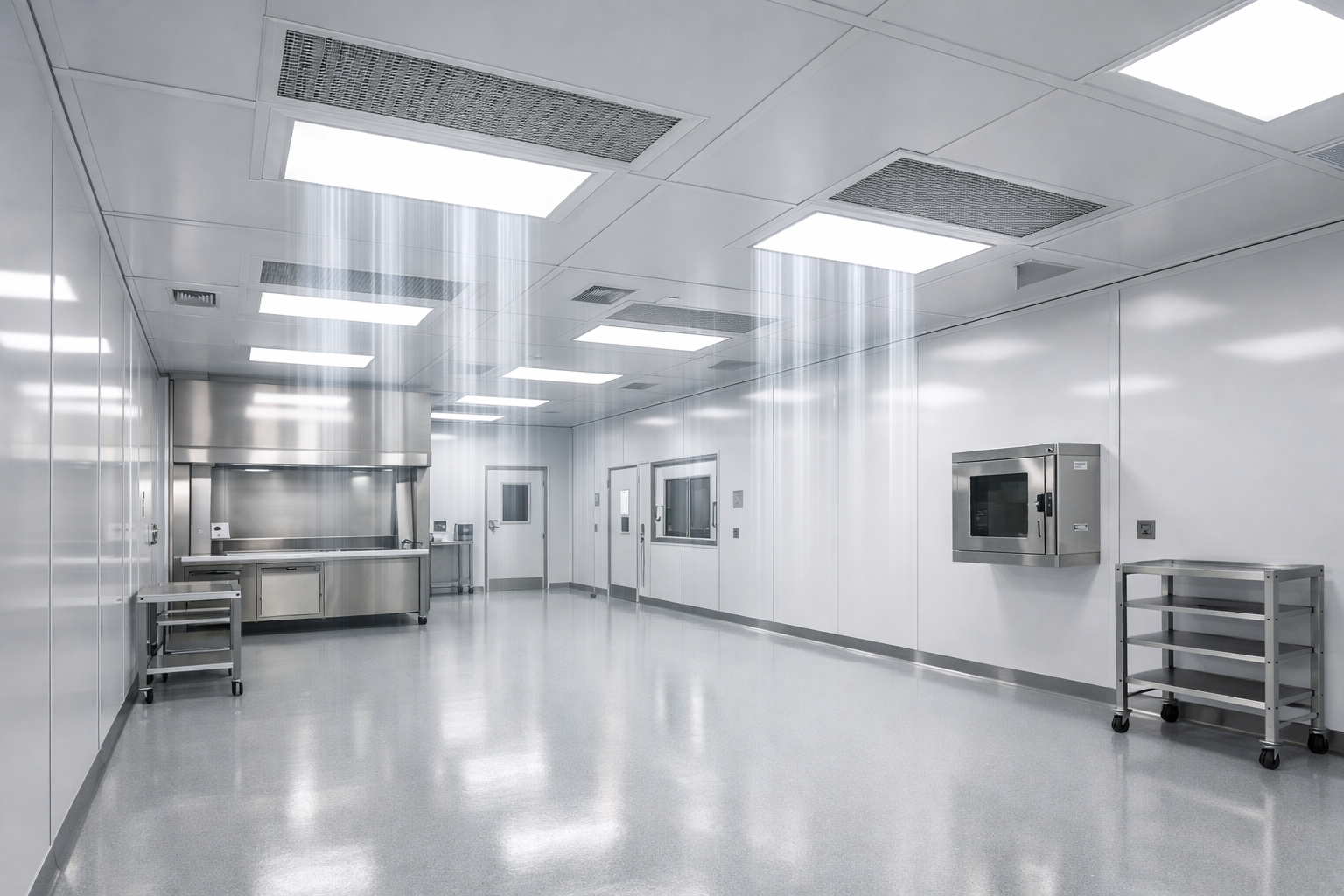
GMP modular clean rooms are composed of multiple critical components that work together to maintain a clean and controlled environment. Understanding these components helps in designing and operating a compliant facility.
Modular Wall and Ceiling Panels
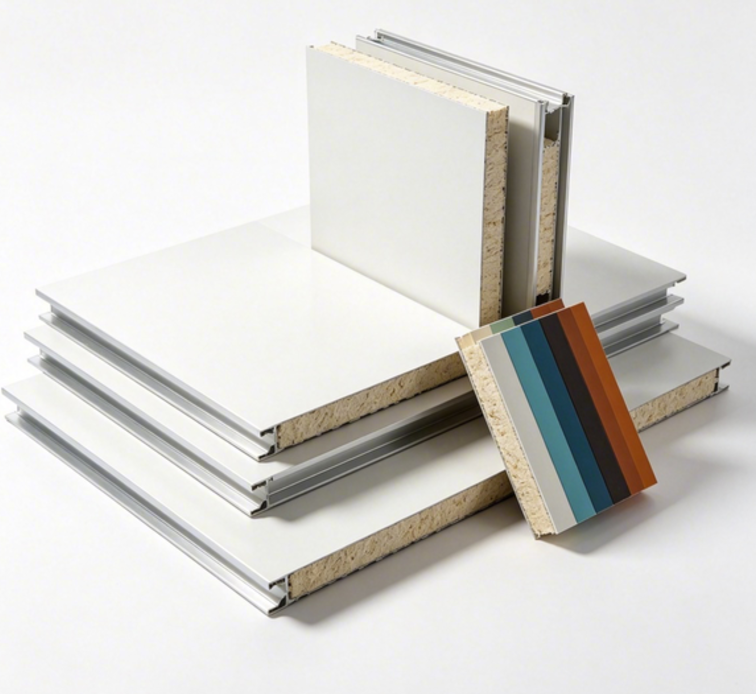
Walls and ceilings are constructed using prefabricated panels, typically made of steel or aluminum with insulated cores. These panels provide airtight and smooth surfaces that are easy to clean and resistant to microbial growth. They can be assembled in various configurations, making it simple to expand or modify the clean room layout.
HVAC and Air Filtration Systems
Air handling is crucial for GMP compliance. High-efficiency particulate air (HEPA) filters or ultra-low particulate air (ULPA) filters are installed to remove airborne particles. The HVAC system maintains positive pressure, controlled temperature, and humidity, reducing contamination risks. Laminar airflow is often applied to critical zones to ensure uniform air distribution.
Lighting and Electrical Systems
Lighting in GMP modular clean rooms is typically recessed or flush-mounted to avoid dust accumulation. All electrical conduits are concealed, and fixtures are sealed or rated for clean environments. Power distribution, emergency lighting, and backup systems are integrated to maintain uninterrupted operation.
How GMP Modular Clean Rooms Work
The operation of a GMP modular clean room is based on controlling environmental parameters to prevent contamination during production. These rooms rely on coordinated air circulation, surface management, and personnel protocols to maintain the required cleanliness class. Continuous monitoring and validation ensure that the environment meets regulatory standards.
Airflow Management
Airflow patterns are carefully designed to minimize particle accumulation. Laminar flow systems direct filtered air in parallel streams across critical work areas, while turbulent flow systems may be used in less sensitive zones. Positive pressure ensures that air flows outward from the clean room, preventing ingress of contaminated air from surrounding areas.
Contamination Control
Surface materials, gowning procedures, and cleaning schedules are all part of contamination control. Smooth, non-porous surfaces reduce microbial growth, while strict personnel protocols—including cleanroom suits, gloves, and masks—limit particle introduction. Regular cleaning using approved disinfectants further maintains compliance with GMP standards.
Monitoring and Validation
GMP modular clean rooms use monitoring systems to track particle counts, airflow, temperature, humidity, and pressure differentials. Periodic validation and requalification ensure that the clean room continues to meet the required classification. Data from these systems help operators identify deviations and implement corrective actions promptly.
Benefits of Modular Construction in GMP Clean Rooms
Modular construction offers several advantages over traditional stick-built clean rooms. Prefabrication reduces construction time, minimizes disruption to existing facilities, and allows for more precise quality control. Modules can be disassembled, relocated, or expanded with minimal effort. The modular approach also simplifies maintenance and retrofitting, which is essential for evolving production requirements.
Scalability and Flexibility
Modular clean rooms can be scaled to match production needs. Additional modules can be added to create larger clean zones or specialized rooms without major construction. The flexibility of layout adjustments ensures efficient workflow and adaptability to new processes.
Cost and Time Efficiency
Prefabrication and simplified installation reduce both labor and material costs. Construction timelines are shorter, allowing facilities to become operational faster. Reduced downtime during installation also minimizes the impact on ongoing operations in adjacent areas.
Common Applications of GMP Modular Clean Rooms
GMP modular clean rooms are applied across industries where contamination control is critical. They support both production and research activities in controlled environments.
- Pharmaceutical manufacturing, including sterile drug production and oral solid dosage forms
- Biotechnology laboratories and cell culture facilities
- Medical device assembly under controlled particulate conditions
- Vaccine production and other sterile processing environments
Conclusion
GMP modular clean rooms combine advanced environmental control, modular construction, and regulatory compliance to provide efficient, scalable, and flexible clean environments. By understanding their components, operational principles, and applications, manufacturers and facility planners can ensure consistent product quality, maintain compliance, and adapt quickly to evolving production needs.