English
 русский
 Español
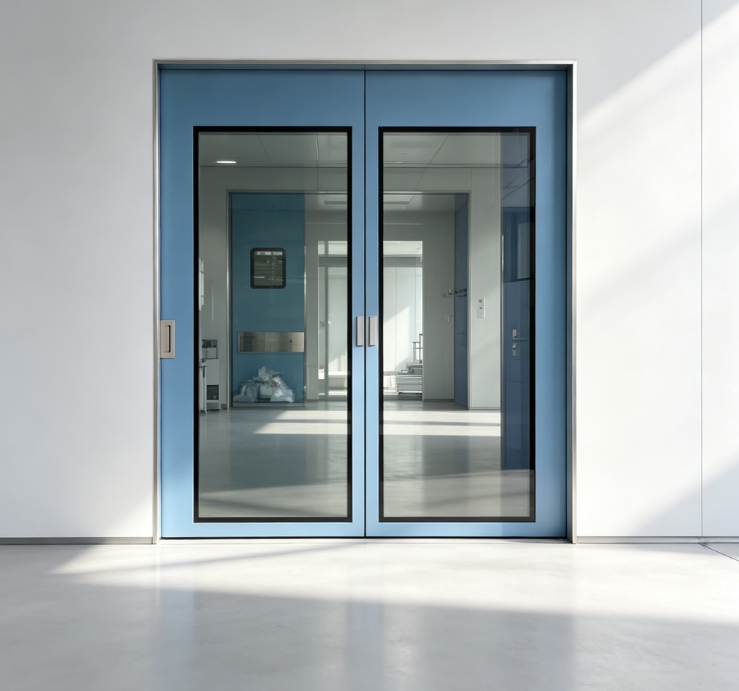
In modern industries and research fields, cleanrooms play a crucial role in controlling particles, bacteria, and sources of contamination. As such, the design and construction standards for cleanrooms are becoming increasingly important. Among the critical components of a cleanroom, cleanroom windows serve as essential elements for environmental monitoring, light regulation, and operational observation, playing a key role in the overall performance of the cleanroom. This article comprehensively explores the industry characteristics and application trends of windows, focusing on materials, sealing, durability, safety, and functionality.
Content
Scientific Material Selection
The choice of materials for windows directly impacts their durability, ease of cleaning, and compatibility with the environment. Cleanrooms have very strict requirements for controlling contaminants, and windows, as a vital component, must meet multiple requirements such as transparency, ease of cleaning, corrosion resistance, and impact resistance. Additionally, the windows need to meet safety and structural strength standards to ensure long-term stable use.
The materials selected for windows must consider their adaptability to the external environment and their inherent functional requirements. Below are some common cleanroom window materials and their comparative advantages:
| Material Type | Characteristics | Application Advantages |
|---|---|---|
| Tempered Glass | High strength, impact-resistant | Small fragments when broken, maintaining safety; suitable for standard cleanrooms; provides good light transmittance. |
| Laminated Glass | Multi-layer structure, with an interlayer of polymer film | Break-resistant, prevents penetration, enhances safety and sound insulation, ideal for high-security cleanrooms. |
| Polycarbonate | Lightweight, high toughness, resistant to chemical corrosion | Impact-resistant, suitable for areas with frequent operations, For high-frequency operation or special environments. |
| Surface Treatment | Smooth polishing, anti-static | Easy to clean, reduces dust and microbial attachment, enhances long-term cleanliness and usability. |
1. Tempered Glass: Strength and Safety Combined
Tempered glass is a commonly used material for windows, known for its high impact resistance. Compared to ordinary glass, tempered glass undergoes heat treatment, greatly increasing its strength. Even when subjected to external impact, it breaks into small pieces rather than sharp shards, significantly reducing the risk of injury to personnel. Tempered glass is typically used in standard cleanrooms, as it provides sufficient strength and transparency to meet both observational and operational needs.
Another advantage of tempered glass is its cleaning performance. The smooth surface makes it easy to wipe clean without being damaged by chemical substances during the cleaning process. Additionally, due to its high transparency, tempered glass allows for good visual monitoring without compromising the cleanroom's environmental requirements.
2. Laminated Glass: Safety and Sound Insulation
Laminated glass is composed of two layers of glass with a polymer interlayer. Even if the glass breaks, the inner film effectively holds the glass together, preventing shards from scattering and reducing the risk of injury. This characteristic makes laminated glass widely used in high-security cleanrooms, particularly in industries where additional attention is required for both environmental and personnel safety, such as pharmaceuticals and semiconductor production.
Apart from safety, laminated glass also has sound insulation properties, effectively reducing external noise interference in the cleanroom. Due to its enhanced acoustic performance, laminated glass is commonly used in cleanrooms that require high levels of sound control to maintain acceptable noise levels during operations.
3. Polycarbonate: Lightweight and Impact-Resistant
Polycarbonate is a highly durable material with remarkable impact resistance. It is tougher than glass, making it less likely to break even under substantial impact, which makes polycarbonate windows ideal for areas with frequent operations and personnel movement in and out of the cleanroom. Polycarbonate windows not only withstand physical impacts but also offer high chemical corrosion resistance, making them suitable for environments where chemicals or corrosive gases are present.
However, polycarbonate has relatively lower transparency compared to glass, which may limit its use in environments that require high light transmittance. Nevertheless, polycarbonate remains an ideal choice in terms of impact resistance and long-term durability.
4. Surface Treatment: Foundation for Long-Term Cleanliness
Regardless of the material selected, surface treatment technology is crucial to ensuring long-term cleanliness and stability of the windows. By using smooth polishing and anti-static treatments, the attachment of dust, microorganisms, and bacteria to the window surface is significantly reduced, lowering maintenance costs. The smooth surface makes cleaning easier and minimizes the risk of contamination buildup. Anti-static treatment further reduces dust attachment due to static electricity, enhancing the efficiency of maintaining a clean environment.
In high-grade cleanrooms, window surface treatment not only addresses contamination resistance but also needs to integrate with other cleanroom features, such as airflow design and pressure control, to ensure that windows do not interfere with air quality or cleanliness standards over time.
The Role of Sealing in Maintaining Cleanroom Environments
The sealing of windows is one of the key factors in ensuring the quality of the cleanroom environment. In cleanroom design, controlling airflow and pressure differences is essential for maintaining effective microbial and contaminant control. As a critical component of the cleanroom, the sealing performance of the windows directly impacts the stability of the environment and the effectiveness of contamination control.
The sealing design of windows not only affects particle isolation and airflow regulation but also influences temperature and humidity control, airflow management, and energy consumption. A well-designed seal effectively isolates external contaminants, reduces interference from external airflow, and ensures that the air quality within the cleanroom stays within standard ranges.
Below is a comparison of common sealing methods, their characteristics, and application scenarios:
| Sealing Method | Characteristics | Application Scenario |
|---|---|---|
| Single Sealing | Precise integration of window frame and wall with silicone or polyurethane sealing strips | Suitable for general or lower-level cleanrooms with moderate sealing requirements. |
| Double Sealing | Air gap between inner and outer panes, providing extra thermal insulation and soundproofing | High-grade cleanrooms, especially environments with strict temperature and humidity control. |
| Sealing Performance Testing | Wind speed measurement, airtightness testing to ensure sealing quality | Required for all cleanroom windows to ensure long-term air-tight performance. |
1. Single Sealing Design: Suitable for General Cleanrooms
Single sealing design is typically used in general cleanrooms or lower-grade environments. It works by precisely integrating the window frame with the wall and using silicone or polyurethane sealing strips to create a seal. This design is simple and cost-effective, meeting the needs of environments that do not require extremely high sealing standards. Single sealing effectively prevents contaminants from entering the room while maintaining stable airflow and ventilation. However, in more demanding conditions, single sealing may not provide adequate soundproofing or temperature and humidity control.
2. Double Sealing Design: Enhanced Air Gap Performance and Soundproofing
Double sealing design is typically used in high-grade cleanrooms, particularly those where strict control of temperature, humidity, and airflow is required. This design creates an air gap between the inner and outer panes, improving the window's thermal insulation and soundproofing. Double sealing effectively mitigates external temperature changes, airflow disruptions, and noise, maintaining stable airflow and pressure differences within the cleanroom. As a result, it is ideal for environments that require precise control of air quality, temperature, humidity, and cleanliness, such as pharmaceutical, semiconductor manufacturing, and high-end research facilities.
3. Sealing Performance Testing: Ensuring Long-Term Stable Operation
Regardless of whether a single or double sealing design is used, strict sealing performance testing is essential after installation. Common sealing tests include wind speed measurement and airtightness testing. These tests evaluate whether the windows experience air leakage, unstable airflow, or temperature and humidity fluctuations during long-term operation. Sealing performance testing ensures that the windows meet the required specifications, providing long-term stability for the cleanroom environment. In high-grade cleanrooms, sealing performance testing is a necessary step to ensure the air quality and contaminant control effectiveness.
4. Impact of Sealing on Cleanroom Environments
The importance of sealing design in windows cannot be overstated. Below are several key impacts of sealing on cleanroom environments:
- Stable Airflow and Pressure Differences: Windows with sealing performance ensure stable airflow within the cleanroom, maintaining the necessary pressure difference between the inside and outside. By controlling airflow and pressure, external contaminants are prevented from entering, maintaining a dynamic air balance within the cleanroom.
- Particle Isolation and Contaminant Control: Effective sealing prevents external particles and contaminants from entering the cleanroom, thereby maintaining the clean environment's particle control. In high-grade cleanrooms, the sealing performance of windows directly impacts the air quality and microbial contamination levels.
- Improved Energy Efficiency: By utilizing double sealing designs or other high-efficiency sealing measures, windows can better isolate indoor and outdoor temperature differences, reducing energy consumption. Optimized sealing performance helps reduce the load on HVAC and heating systems, improving the overall energy efficiency of the cleanroom.
Durability and Maintenance Performance
Cleanroom windows are subjected to daily operations and cleaning, as well as environmental changes, such as temperature and humidity fluctuations, and exposure to cleaning chemicals. The durability and maintenance performance of the windows are critical factors in determining their overall quality, directly affecting the stable operation and maintenance costs of the cleanroom.
Good durability extends the lifespan of the windows, while ease of maintenance greatly improves the efficiency of daily cleaning and management. The materials used for windows must withstand external environmental influences while being designed for easy cleaning, repair, and maintenance to minimize unnecessary upkeep costs due to damage or contamination.
Below are some key performance indicators for the durability and maintenance of windows, along with their effects:
| Performance Indicator | Description | Impact |
|---|---|---|
| Corrosion Resistance | Resistance of materials to cleaning agents and disinfectants | Extends window lifespan, reduces frequency of replacements due to material corrosion. |
| Impact Resistance | Ability to withstand collisions and operational impacts | Prevents breakage, improves safety, and ensures cleanroom operations are not disrupted. |
| Ease of Maintenance | Smooth surface design, no grooves or dust-catching areas | Improves cleaning and disinfection efficiency, reduces maintenance time and costs, and decreases labor intensity. |
1. Corrosion Resistance: Extending Lifespan and Reducing Replacement Frequency
In cleanroom environments, chemical cleaning agents and disinfectants are frequently used to control microbes and contaminants. These chemicals may corrode window materials over time, impacting the structure and appearance of the windows. Therefore, the corrosion resistance of window materials is crucial. Materials with high corrosion resistance, such as treated tempered glass or corrosion-resistant polycarbonate, can significantly extend the lifespan of the windows and reduce the frequency of replacements due to corrosion.
For example, using polyurethane or silicone sealing strips effectively prevents aging or damage caused by long-term exposure to cleaning agents or disinfectants, ensuring the integrity and sealing performance of the windows. Additionally, corrosion-resistant surface treatments, such as waterproof or chemical-resistant coatings, further enhance the durability of windows, especially in high-frequency cleaning environments.
2. Impact Resistance: Ensuring Safety and Preventing Breakage
During daily operations, windows may be subjected to various collisions and impacts, especially in high-traffic areas where personnel frequently enter and exit or when equipment is in operation. To prevent breakage or damage from impacts, the impact resistance of the windows is crucial. High-strength materials like tempered glass and polycarbonate, which have impact resistance, are widely used in cleanroom windows.
Tempered glass, when subjected to strong impact, may break, but the fragments are blunt and not sharp, reducing safety risks. Polycarbonate, on the other hand, offers impact resistance, making it less likely to break under substantial force, effectively avoiding breakage accidents. Therefore, selecting impact-resistant materials is vital in cleanroom designs, particularly in environments with higher safety requirements.
3. Ease of Maintenance: Enhancing Cleaning Efficiency and Saving Labor Costs
The cleaning of windows directly affects the cleanliness and particle control of the environment. To improve cleaning efficiency and reduce maintenance costs, the window design should avoid complex structures and areas that are difficult to clean, such as grooves or corners. Smooth, flat surfaces reduce dust, contaminants, and microorganism buildup, thus making cleaning easier.
For example, windows with polished surfaces can quickly remove dirt and bacteria during cleaning, reducing the need for chemical cleaners. Avoiding excessive grooves, seams, or complex structures also reduces labor intensity and cleaning difficulty, ensuring that the cleanroom remains at high cleanliness standards. Additionally, features such as anti-static treatment on windows can help reduce dust and particle adhesion, further lowering maintenance and cleaning frequency, ensuring the long-term stability of the cleanroom environment.
Safety Design of Cleanroom Windows
The safety design of windows not only concerns the safety of operators but also directly affects the overall stability and quality of the cleanroom environment. As a highly controlled environment, cleanrooms require windows with adequate safety features to ensure personnel safety during operations and prevent contamination issues that could arise from window breakage or functional failure. The safety design of windows includes features such as shatterproof design, fire resistance, high-temperature tolerance, and visual safety functionality. Let's discuss these aspects in detail.
1. Shatterproof Design: Ensuring Personnel Safety and Environmental Stability
The shatterproof design of windows is the primary consideration for safety. Due to the high airflow and pressure differences in cleanrooms, windows may face external impacts or unexpected internal pressure during prolonged use. If the window shatters, it can not only cause injury to personnel but also to the leakage of contaminants, compromising the stability of the cleanroom environment. Therefore, the shatterproof design of window materials is crucial.
Common materials with shatterproof designs include:
- Laminated Glass: Laminated glass consists of two layers of glass with a thin polymer film in between. Even if the glass breaks, the film inside holds the glass together, preventing shards from scattering. This design greatly reduces safety risks associated with glass breakage, especially in cleanroom environments that require stringent safety standards, such as pharmaceutical or semiconductor manufacturing facilities.
- Tempered Glass: Tempered glass is designed to break into small, blunt pieces rather than sharp fragments when subjected to impact. This significantly reduces the risk of injury caused by broken glass. Tempered glass has a higher strength than regular glass and is suitable for general cleanroom window designs, providing safety for both the environment and personnel.
- Polycarbonate: Polycarbonate is a highly impact-resistant material with toughness. Even under strong external force, polycarbonate is less likely to break, making it ideal for environments that require high impact resistance and safety. Polycarbonate windows help prevent safety risks caused by shattered windows.
These shatterproof materials ensure that even if a window breaks, the fragments will not scatter widely, ensuring the safety of the personnel and maintaining the stability of the cleanroom environment.
2. Fire Resistance and High-Temperature Tolerance: Ensuring Environmental Safety
The fire resistance and high-temperature tolerance of windows are critical safety features. Cleanrooms often involve high-temperature operations or the use of fire sources, such as sterilization or experimental procedures. Therefore, window materials must be able to withstand localized high temperatures and not release harmful substances in high-temperature environments, ensuring the safety of the indoor environment.
- Fire Resistance: Window materials must be able to withstand certain fire temperatures and should not easily catch fire or spread the flames. Common window materials such as tempered glass, laminated glass, and certain high-temperature plastics have inherent fire-resistant properties, effectively delaying the spread of fire during an emergency.
- High-Temperature Resistance: Cleanroom windows must maintain structural integrity in high-temperature environments. In such conditions, the materials should resist thermal expansion or deformation, ensuring the sealing properties and environmental stability of the cleanroom are not compromised. Materials that may release harmful substances when exposed to high temperatures should be avoided, particularly in industries like pharmaceuticals or food processing, where safety is paramount.
Using high-temperature-resistant, non-toxic, and non-harmful materials like high-temperature glass or polycarbonate ensures window safety while preventing potential hazards in high-heat environments.
3. Visual Safety: Improving Operational Visibility and Reducing Errors
Cleanroom windows not only serve as essential components for light and airflow management but also play a critical role in operational safety. Cleanroom operators need to observe the internal environment, equipment, and personnel's status during operations. The transparency and visual clarity of the windows directly affect the accuracy and safety of operations.
- Transparency: Window materials should offer transparency, ensuring that operators can clearly observe the internal situation. This is particularly important for remote operations or scenarios where observation from a distance is necessary. The transparency and clarity of the window are crucial for safe and efficient operations.
- Visual Clarity: Cleanroom window designs should avoid structures or coatings that affect visibility, such as reflective or foggy surfaces. Clear visual quality helps operators monitor the operational status in real-time and identify potential issues or abnormal operations, thereby reducing the risk of operational errors and accidents.
Additionally, the design of windows should consider ergonomics, enabling operators to observe from different angles and positions. Improving the visibility and operability of windows not only enhances operational efficiency but also reduces safety accidents caused by unclear observations.
Functionality and Application Value
Cleanroom windows serve not only as environmental barriers but also perform several critical functions that significantly impact the maintenance of a clean environment, improve operational efficiency, and ensure safety. The functional design of windows must align with the overall environmental control system to ensure smooth operations while meeting the specific requirements of different cleanroom grades and purposes.
1. Observation Function: Enhancing Operational Safety and Reducing Cross-Contamination Risks
One of the primary functions of windows is to provide observation pathways. Through windows, operators can monitor the operations, production, or experimental status inside the cleanroom without entering the controlled space. Traditional cleanroom designs required frequent entry and exit, which increased the risk of cross-contamination and disrupted the airflow and pressure difference inside the room. By providing external observation through windows, the need for personnel to enter and exit is reduced, lowering the likelihood of introducing contaminants and helping maintain the cleanroom environment's stability.
In many high-standard cleanrooms, observation windows are equipped with clear glass or plastic materials, ensuring a wide and clear field of view. This design is especially beneficial for environments that require remote monitoring, such as pharmaceutical manufacturing, semiconductor production, and laboratories.
2. Lighting and Visual Comfort: Improving the Work Environment and Reducing Visual Fatigue
Lighting significantly affects the operational environment of cleanrooms. Adequate lighting not only helps operators perform tasks more efficiently but also reduces visual fatigue and enhances work comfort. Cleanroom window designs should consider the introduction of natural light or the transmission of artificial light to provide appropriate light intensity and uniformity.
- Natural Light: Introducing natural light through windows improves the indoor lighting conditions and provides a more comfortable working environment. Natural light reduces the visual fatigue caused by artificial lighting, especially in environments where workers are engaged in long hours of operation, thus improving work efficiency.
- Artificial Lighting Design: For areas where natural light is insufficient, window designs can enhance the transmission of artificial light to ensure that the cleanroom's lighting meets operational needs.
Through careful design, windows can provide better light diffusion and reduce visual pressure, optimizing the comfort and efficiency of the working environment.
3. Soundproofing and Insulation: Enhancing Environmental Stability and Reducing External Disruptions
Cleanrooms have strict requirements for noise control and temperature/humidity stability. The soundproofing and insulation properties of windows are critical to maintaining environmental stability within the cleanroom. Double-glazed or laminated glass designs are commonly used to enhance the soundproofing and insulation performance of windows.
- Soundproofing: Double-glazed or laminated glass designs effectively block external noise and reduce noise pollution inside the cleanroom. This is particularly important in cleanrooms requiring a high degree of quietness, such as those in electronics manufacturing or pharmaceutical production.
- Insulation: The air gap in double-glazed windows can effectively isolate external temperature differences, maintaining the temperature stability inside the cleanroom. For environments with stringent temperature and humidity control requirements, the insulation performance of windows is crucial. By optimizing the thermal performance of the windows, the load on HVAC systems is reduced, improving energy efficiency while maintaining a stable indoor environment.
4. Assisting Environmental Control: Enhancing Airflow Stability with HVAC Systems
The internal environmental control of a cleanroom relies on an efficient HVAC (Heating, Ventilation, and Air Conditioning) system and pressure control systems. Window design plays a supplementary role in this process. Through coordination with the HVAC system, windows help optimize airflow and pressure distribution, ensuring the cleanroom maintains its cleanliness grade.
- Airflow Stability: Well-designed windows work with the HVAC system to evenly distribute airflow, preventing dead spots or areas with poor airflow. This helps the cleanroom achieve more efficient air exchanges and pollutant control, ensuring that indoor air quality remains within standard limits.
- Pressure Control: Cleanrooms often require the maintenance of a specific positive or negative pressure. The design of windows, through precise sealing and airflow control, helps maintain the pressure difference between the inside and outside, ensuring the air flows appropriately and meets cleanliness requirements.
Why Choose YD-Purification's Cleanroom Windows
Among the various cleanroom window solutions available, YD-Purification offers windows that meet industry standards in multiple key performance areas, ensuring a stable and reliable cleanroom environment. Below are several reasons why yuanda's windows are the preferred choice:
1. High-Quality Materials
YD's windows are made from durable materials such as tempered glass, laminated glass, and polycarbonate. These materials have outstanding features such as corrosion resistance, impact resistance, and ease of cleaning, ensuring long-term stability and safety during usage. With such high-quality materials, our windows are built to last, providing reliable performance in demanding cleanroom environments.
2. Superior Sealing Performance
Our window designs include both single-layer and double-layer sealing options to ensure effective airflow, temperature, humidity, and cleanliness control. The precision sealing prevents contaminants from entering the cleanroom, ensuring a stable environment for critical processes. The double-layer sealing design, in particular, provides additional insulation and soundproofing, making it ideal for high-standard cleanroom applications.
3. Durability and Low Maintenance
YD's windows are designed for durability, with corrosion-resistant materials and smooth surfaces that minimize the risk of damage and contamination. The simple, smooth surface design eliminates complex structures, making cleaning and maintenance easy and efficient. This low-maintenance design not only extends the lifespan of the windows but also reduces maintenance costs, offering long-term value for your cleanroom environment.
4. Outstanding Safety Features
Safety is a top priority for our windows. Our windows come equipped with shatterproof designs, high-temperature resistance, and impact resistance to ensure that the windows will not cause safety hazards in the event of an impact. The windows are engineered to reduce the risk of breakage and prevent glass shards from spreading, which minimizes the potential for injury. This ensures the safety of the personnel working within the cleanroom.
5. Functionality and Comfort
Our windows are designed not only for technical performance but also for improving the operational environment. The observation capabilities provided by YD-Purification's windows allow operators to monitor activities inside the cleanroom without the need for frequent entry, reducing the risk of cross-contamination. Additionally, our windows optimize lighting, improve insulation, and enhance soundproofing to create a comfortable, efficient working environment. The functionality of the windows, in conjunction with the cleanroom's overall environmental control systems, ensures effective air circulation and temperature control, enhancing the overall work experience.
YD-Purification's windows are crafted from high-quality materials such as tempered glass, laminated glass, and polycarbonate, offering corrosion resistance, impact resistance, and ease of cleaning. Our precision sealing design ensures environmental stability and cleanliness, while the durability and low-maintenance features help reduce long-term costs. The advanced safety design—including shatterproof features, high-temperature resistance, and impact resistance—ensures personnel safety. Furthermore, our windows provide functionality, including clear observation, comfortable lighting, soundproofing, and insulation, all of which enhance the cleanroom's environment and operational efficiency.
By choosing yuanda's cleanroom windows, you will receive a high-performance, low-maintenance, and reliable product that will help you establish a stable, efficient, and safe cleanroom environment that meets the industry standards.