English
 русский
 Español
Clean rooms exist to create environments where cleanliness, order, and process stability actually hold up under scrutiny. Every component plays a role in that — walls, doors, floors, ceilings, and yes, even windows.
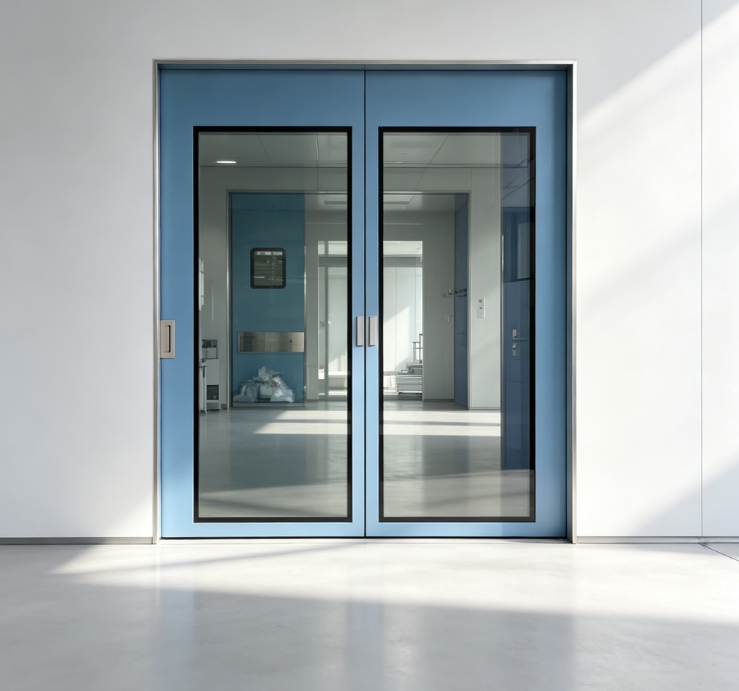
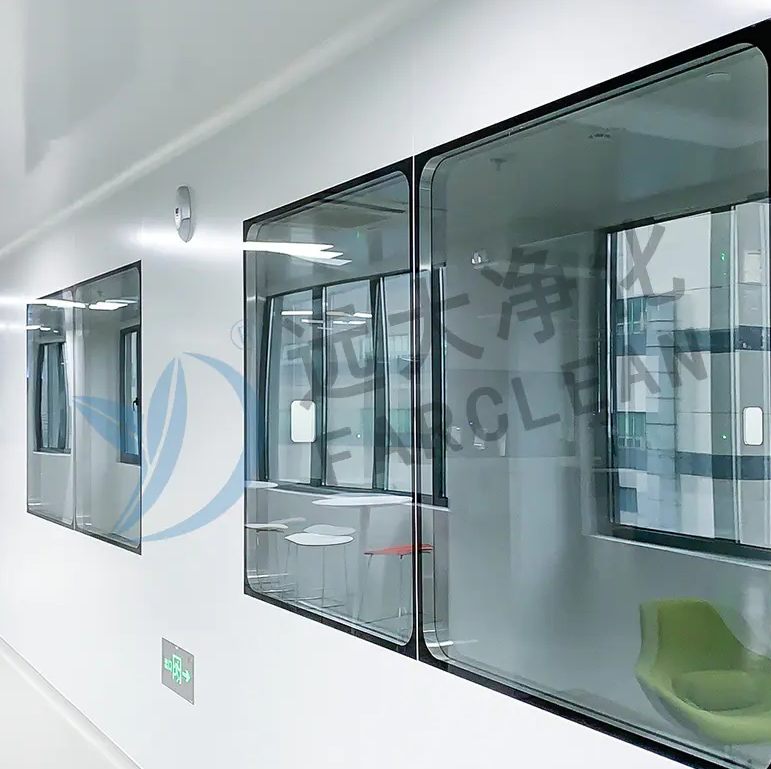
Clean room windows might look deceptively simple, but there's a surprising amount of detail packed into their design. A window in a controlled environment isn't just there for visibility. It has to work in genuine harmony with the room's overall structure, not sit as some afterthought bolted onto the wall.
Small design decisions here ripple outward — into cleaning routines, daily operations, long-term maintenance, all of it. That's exactly why clean room window details deserve real attention during planning and installation, not a rushed sign-off at the end.
As industries keep pushing for better production environments, clean room windows have started drawing a lot more scrutiny. A well-designed window system genuinely supports easier management and helps keep the whole workspace running in a more organized way.
Content
- 1 What Makes Clean Room Window Design Different From Standard Windows?
- 2 Why Are Clean Room Window Details Important for Cleanliness Control?
- 3 How Does Window Structure Affect Clean Room Performance?
- 4 Why Should Clean Room Windows Have Careful Sealing Design?
- 5 How Do Clean Room Window Materials Influence Design Choices?
- 6 Can Clean Room Window Details Improve Daily Operations?
- 7 What Problems Can Poor Clean Room Window Design Create?
- 8 How Should Clean Room Window Details Be Considered During Planning?
What Makes Clean Room Window Design Different From Standard Windows?
Ordinary windows exist mainly for light, ventilation, or a visual connection to the outside world. Clean room windows answer to a completely different set of demands because they're embedded in a controlled environment.
A clean room window has to integrate cleanly with the surrounding structure. The junction between window and wall needs real planning — any uneven surface or poorly thought-out design can turn into a genuine headache during cleaning and maintenance down the road.
Clean room window design tends to weigh:
| Design Consideration | Purpose |
|---|---|
| Smooth surfaces | Helps make cleaning easier |
| Proper sealing | Supports controlled environments |
| Clear visibility | Allows observation between areas |
| Suitable structure | Matches clean room requirements |
Unlike a standard window, a clean room window has to deliver on both function and cleanliness simultaneously. That dual responsibility shapes how easily staff can actually maintain the space day to day.
The frame, the glass surface, how it's installed, where it connects — all of it feeds into how well the window ultimately performs within the larger clean room system.
Why Are Clean Room Window Details Important for Cleanliness Control?
Clean rooms demand tight control over anything that could introduce contamination, and even the smallest overlooked area can turn into a genuine cleaning problem if it wasn't designed with that in mind.
Details like corners, edges, and connection points around a window can make or break cleaning efficiency. A simple, smooth design cuts down dramatically on the spots where dust or stray particles like to settle in and hide.
Thoughtful window design tends to deliver:
- Easier surface cleaning
- Smoother daily maintenance
- Fewer cleaning headaches overall
- Better-organized room management
The goal here isn't just a clear view through the glass. It's making sure that window earns its place as a genuinely practical part of the clean room environment, not just a visual feature.
A well-planned window structure makes cleaning tasks noticeably less of a chore for the people actually doing them.
How Does Window Structure Affect Clean Room Performance?
A clean room window is really several parts working in concert — the glass, the frame, the sealing area, and the connection to the wall all shape how the window performs as a whole.
A well-thought-out structure tends to support:
Better integration with walls — clean room windows are usually installed as part of a larger wall system, and that connection needs to be smooth and genuinely stable. A sloppy connection creates gaps or uneven surfaces that turn maintenance into a much bigger job than it needs to be.
Easier inspection — windows let staff keep an eye on activity without constantly walking between areas. That clear line of sight supports better communication and a smoother overall workflow.
Improved space management — a properly designed window maintains separation between areas while still allowing visual contact across that boundary.
The structure of a clean room window really isn't just about how it looks. It's tightly connected to how the space actually functions day in and day out.
Why Should Clean Room Windows Have Careful Sealing Design?
Sealing is one of the genuinely critical pieces of clean room window design. The window has to work in real sync with the environment around it, not just sit there as a separate piece.
A well-designed seal creates a much more stable connection between the window and the surrounding wall.
Poor sealing tends to open the door to real problems:
- Harder cleaning work
- Weaker control over the environment
- More maintenance demands
- A less organized overall appearance
Getting the sealing design right ensures the window keeps pulling its weight as a functional part of the clean room system, rather than becoming a weak point.
That sealing also needs to hold up over time. Clean rooms go through cleaning and maintenance constantly, so durable design choices here genuinely pay off in easier day-to-day operations.
How Do Clean Room Window Materials Influence Design Choices?
Material choice shapes a clean room window's appearance, usability, and how much upkeep it demands.
Different materials bring different strengths to the table, and the right pick really depends on the specific environment and facility needs.
A few material factors worth weighing:
Surface characteristics — smooth surfaces are simply easier to clean and maintain, and they contribute to a cleaner, more organized look overall.
Durability — clean room windows get handled and cleaned constantly, so materials need to hold up to that regular wear without degrading.
Visual requirements — the window still needs to deliver clear visibility while fitting naturally into the room's broader design.
Compatibility — materials need to play well with other clean room components, including walls and doors, rather than clashing with them structurally or aesthetically.
Getting the material right strikes a genuine balance between appearance, function, and how easy the thing is to maintain over its lifespan.
Can Clean Room Window Details Improve Daily Operations?
Clean room operations run on a lot of small details, and a well-designed window can genuinely smooth out communication and workflow across the board.
Observation windows let staff watch activity happening in adjacent areas, cutting down on unnecessary movement and helping teams stay on top of what's happening inside controlled spaces without constantly stepping in and out.
Clean room windows tend to support:
| Application Need | Window Design Support |
|---|---|
| Area observation | Provides clear visibility |
| Staff communication | Allows visual contact |
| Process management | Helps monitor activities |
| Space organization | Supports separated working areas |
A genuinely practical window design improves the day-to-day experience for anyone working in or around a clean room environment.
The value of a clean room window really isn't just about how it looks, either — its contribution to daily operations matters just as much, if not more.
What Problems Can Poor Clean Room Window Design Create?
Skipping over window details during clean room planning tends to create problems that surface later, often at the worst possible time. A window that doesn't fit its environment well can pile on maintenance difficulties that weren't part of the original plan.
Common issues that crop up:
Difficult cleaning areas — overly complex structures or uneven surfaces make cleaning genuinely harder than it needs to be.
Maintenance challenges — poorly planned connections demand a lot more attention during routine upkeep than a well-designed one would.
Reduced visual quality — unclear or mismatched window design can hurt visibility between areas that depend on it.
Integration issues — a window that clashes with the wall or overall room structure throws off the coherence of the entire design.
These are exactly the kinds of problems that make it worth thinking through clean room window details early, rather than treating them as an afterthought.
How Should Clean Room Window Details Be Considered During Planning?
Solid planning is what actually produces a cleaner, more practical environment. Clean room windows need to be considered alongside every other part of the facility, not designed in isolation.
Worth weighing during planning:
- What the clean room is actually meant to do
- Where the window needs to sit
- How it relates to surrounding walls and doors
- What cleaning and maintenance will realistically demand
- How daily workflow actually moves through the space
A window isn't some standalone piece bolted on after the fact. It has to work in concert with the entire clean room system to actually perform the way it's supposed to.
Thinking this through early saves a lot of costly changes down the road and makes for a much smoother installation process overall.
Clean room window details might seem minor next to bigger structural decisions, but they genuinely shape how usable the whole environment ends up being. Careful design here is what turns a window into something that actually supports cleanliness, visibility, maintenance, and the everyday flow of work — instead of quietly working against all of it.