English
 русский
 Español
When a construction project needs insulated panels, buyers often have a simple question: can one distributor sandwich panel supply both roof and wall panels?
In many cases, the answer is yes. Distributors commonly work with panel manufacturers and carry product ranges for different parts of a building envelope. Roof panels and wall panels can be supplied through the same distribution channel, although their applications are not exactly the same.
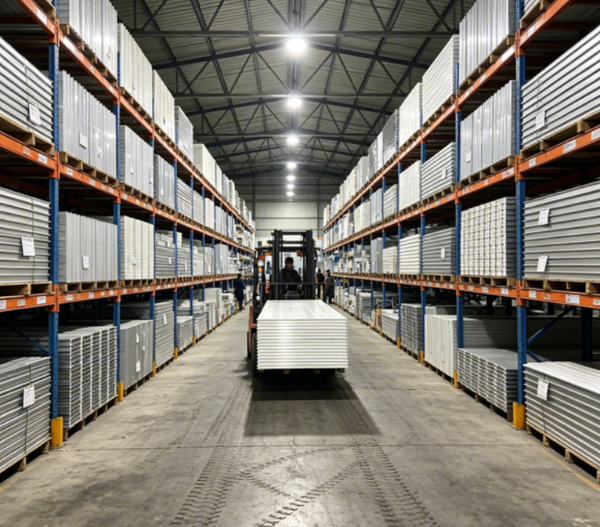
This approach can make material sourcing easier. Instead of contacting different suppliers for every part of a building, buyers may be able to discuss the roof and wall requirements with one distributor. This can also make it easier to coordinate related accessories, delivery arrangements, and product selection.
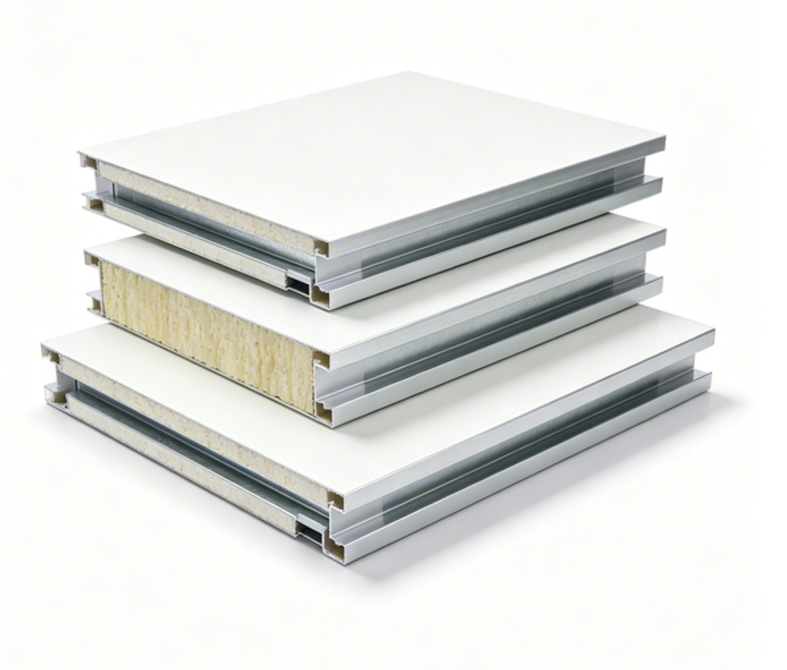
Industry product ranges show that insulated sandwich panels are available for both roof and wall applications. Distributors may also offer related items such as flashings, profiles, fasteners, and other building components.
Understanding what a distributor can supply is useful before placing an order. It helps buyers know which questions to ask and what information should be prepared.
Content
- 1 What Can a Sandwich Panel Distributor Supply?
- 2 Are Roof Panels and Wall Panels the Same?
- 3 Why Would Buyers Source Roof and Wall Panels From One Distributor?
- 4 How Does a Distributor Help Match Panels to a Building?
- 5 Can a Distributor Supply Matching Roof and Wall Panels?
- 6 What Accessories Can a Sandwich Panel Distributor Provide?
- 7 How Should Buyers Compare Sandwich Panel Distributors?
- 8 Can One Distributor Support a Complete Panel Requirement?
What Can a Sandwich Panel Distributor Supply?
A Sandwich Panel Distributor may supply a range of panel products rather than one single type of panel.
Roof panels and wall panels are two common categories. They are designed for different positions within a building. Roof panels form part of the upper building envelope, while wall panels are used for exterior walls, partitions, or enclosure systems.
Some distributors also handle panels for cold rooms, modular buildings, industrial facilities, and other specialized spaces. The exact product range depends on the distributor and its manufacturing partners.
The advantage of working with a distributor is that buyers can sometimes discuss several related requirements in one conversation. A project may need wall panels, roof panels, edge components, and connection accessories. A distributor that handles several product categories may be able to coordinate these needs.
This does not mean every distributor carries every type of panel. Buyers should confirm the available range before making assumptions.
| Product Category | Common Application | What Buyers May Need to Check |
|---|---|---|
| Roof Panels | Building roofs and covered structures | Roof design and weather exposure |
| Wall Panels | Exterior walls and internal partitions | Wall layout and appearance |
| Cold Room Panels | Temperature-controlled spaces | Environmental requirements |
| Insulated Panels | Buildings that need thermal separation | Insulation needs and building use |
| Flashings and Profiles | Panel edges and connections | Compatibility with the selected panels |
| Fasteners and Accessories | Panel installation | Suitability for the building system |
A distributor's role can therefore extend beyond simply selling panels. The available product combination may be particularly useful for projects where several parts of the building envelope need to work together.
Are Roof Panels and Wall Panels the Same?
Although roof and wall panels can look similar, they are not necessarily interchangeable.
The position of the panel changes the conditions it needs to handle. A roof is directly exposed to weather. It needs to work with the roof structure and manage conditions such as rain and surface exposure.
Wall panels have a different role. They form vertical surfaces and may be used for external enclosure or internal separation. Their appearance, joint arrangement, and connection to the surrounding structure can be important considerations.
Because of these differences, distributors often separate roof and wall panels into different product categories. Some suppliers specifically list roof panels and wall panels as separate ranges while offering them through the same sales channel.
This distinction is useful when speaking with a distributor. Saying that a project needs "sandwich panels" may not provide enough information. It is better to explain where the panels will be installed and what role they need to perform.
The distributor can then identify which product category is relevant.
For buyers, this also reduces the risk of treating every sandwich panel as the same product. The basic layered concept may be similar, but the design and intended use can vary.
Why Would Buyers Source Roof and Wall Panels From One Distributor?
Using one distributor for both roof and wall panels can simplify communication.
A building project usually involves more than one material. Roof and wall panels need to fit into the same overall design. Their colors, finishes, edges, connections, and supporting components may need to be coordinated.
When these materials come through one distribution channel, buyers have fewer separate contacts to manage. Questions about product availability, accessories, packaging, and delivery can often be discussed together.
There may also be a practical benefit when the roof and wall panels need to arrive around the same stage of construction. A coordinated supply plan can make site preparation easier.
This does not mean that one distributor is always the right choice. Buyers should still review the product range, communication process, available support, and ability to handle the specific project.
The important point is that a distributor can act as a connection between the buyer and panel manufacturers. This role can be useful when the project requires more than one type of panel.
Some distribution businesses specifically position themselves around supplying both roof and wall products, along with accessories for construction projects.
How Does a Distributor Help Match Panels to a Building?
A distributor may help buyers identify suitable panel categories based on the building application.
The conversation usually starts with the project itself. A warehouse, workshop, modular building, cold room, or commercial space may have different requirements. The location of the panels also matters.
For example, a project may require insulated wall panels for exterior walls and a separate roof panel system above the same building. The distributor needs to understand both applications rather than treating the order as a single generic panel request.
Other factors may include the building structure, local environmental conditions, desired appearance, installation approach, and applicable building requirements.
The distributor may then recommend a combination of roof and wall products that is compatible with the project.
This type of assistance can be useful for buyers who do not regularly purchase sandwich panels. It allows the discussion to focus on the building rather than forcing the buyer to understand every product category before making contact.
However, buyers should still review the information carefully. A distributor can provide product guidance, but project design and regulatory decisions may require qualified professionals.
A useful conversation can cover:
Building type - Explain whether the project is industrial, commercial, modular, agricultural, or another type.
Panel location - Clarify whether the panels are needed for roofs, exterior walls, partitions, or several areas.
Environmental conditions - Explain whether the building will face moisture, temperature differences, or other special conditions.
Surface requirements - Discuss the desired appearance and finish.
Installation approach - Explain how the building will be assembled and whether prefabricated components are involved.
Related materials - Ask whether matching profiles, flashings, fasteners, and other accessories are available.
This information gives the distributor a clearer picture of what the project actually needs.
Can a Distributor Supply Matching Roof and Wall Panels?
In many projects, buyers want the roof and walls to look and work as part of one building system.
A distributor may be able to supply panels from compatible product ranges. This can help with appearance and coordination. Matching does not necessarily mean that the roof and wall panels have exactly the same construction. Instead, the products can be selected to work together within the same building.
Color is one common consideration. A consistent exterior appearance can make the building look more organized. Surface finish can also affect the visual relationship between roof and wall areas.
The connection between the two areas is another consideration. Edge details and related components need to fit the overall building arrangement.
Some suppliers offer complete roof and wall packages with associated trims and accessories. This type of package can make procurement more straightforward for projects that need several building-envelope components.
However, buyers should ask whether the roof and wall products are actually designed to work together. A similar appearance alone does not guarantee compatibility.
A good distributor should be able to explain how the available products relate to one another.
What Accessories Can a Sandwich Panel Distributor Provide?
Roof and wall panels rarely work alone. The building may also need components that connect, protect, or finish the panel system.
A distributor may supply items such as flashings, profiles, fasteners, trims, and other accessories. These products can help complete panel joints and edges.
The availability of accessories can make a noticeable difference during installation. If a project team has to source every small component separately, procurement can become more complicated.
A distributor that supplies both panels and related accessories may provide a more coordinated purchasing process.
| Accessory | General Purpose |
|---|---|
| Flashings | Help finish panel edges and transitions |
| Profiles | Support panel connections and finishing details |
| Fasteners | Connect panels with the supporting structure |
| Trims | Provide finishing around edges and openings |
| Sealing Materials | Help manage joints and connections |
| Roof Accessories | Support details around roof panel areas |
| Wall Accessories | Support wall panel edges, corners, and openings |
The exact accessories required depend on the panel system and building design.
This is why buyers should avoid selecting accessories based only on appearance. They need to be suitable for the panel system being installed.
Some distributors specifically list roof and wall panels together with flashings, profiles, screws, and fixing products.
How Should Buyers Compare Sandwich Panel Distributors?
The ability to supply both roof and wall panels is useful, but it should not be the only consideration.
Buyers should look at the full supply process. A distributor may have a wide product range but limited project support. Another may offer fewer product categories but provide clearer communication and better coordination.
Product availability is also important. Buyers need to know whether the required panels can be supplied when the project needs them.
The distributor's relationship with manufacturers can also matter. A strong supply connection may make it easier to discuss different panel types, special requirements, or future orders.
Communication is another practical issue. A buyer should be able to explain the project clearly and receive understandable information in return.
A simple comparison can include:
| Buyer Consideration | Why It Matters |
|---|---|
| Roof and wall product range | Confirms whether both areas can be supplied |
| Product compatibility | Helps ensure the selected panels work together |
| Accessory availability | Reduces the need for separate sourcing |
| Product information | Helps buyers understand the available options |
| Delivery coordination | Supports smoother project planning |
| Manufacturer relationships | Can affect product access and communication |
| Project support | Helps address questions during procurement |
| After-sales communication | Provides a contact point for later concerns |
Price can naturally be part of a purchasing decision, but it should not be considered separately from the overall supply arrangement.
A lower initial price may not be useful if the buyer later needs to find missing accessories or source another panel type from a different supplier.
Can One Distributor Support a Complete Panel Requirement?
For many construction projects, using one Sandwich Panel Distributor for both roof and wall panels can make procurement more organized.
The distributor may provide different panel categories, related accessories, product information, and delivery coordination. This can reduce the number of separate purchasing conversations.
It can also help buyers think about the building envelope as a connected system. Roof and walls have different roles, but they meet within the same building. Their materials and accessories need to be considered together.
This approach is particularly relevant to projects involving industrial buildings, warehouses, modular structures, cold storage, and other prefabricated construction. Industry suppliers commonly group roof and wall panels within the same product offering for these types of applications.
Still, the suitability of one distributor depends on the actual project. Buyers should confirm the available panel types, compatible accessories, delivery arrangements, and project support before placing an order.
The key question is not simply whether a distributor sells roof panels and wall panels. It is whether the distributor can supply the right combination for the building and coordinate those products in a practical way.