English
 русский
 Español
Anyone who's had to redesign a lab layout or reconfigure a production floor knows the pain of dealing with permanent walls — tearing them down, rebuilding, waiting weeks for construction crews, all while operations grind to a halt. In controlled environments like healthcare facilities, electronics manufacturing, and research labs, that kind of rigidity just doesn't hold up well against how fast operational needs actually shift.
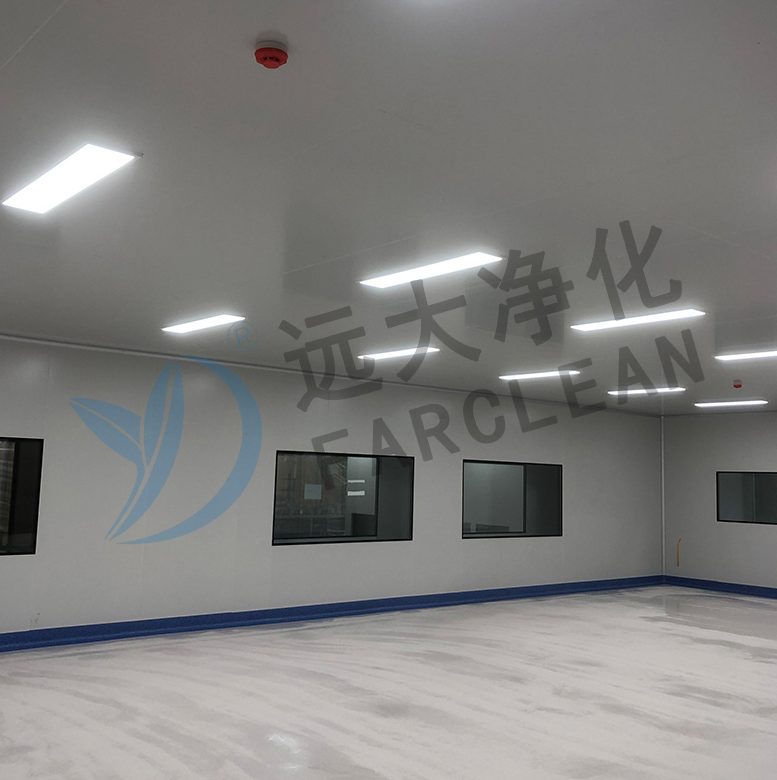
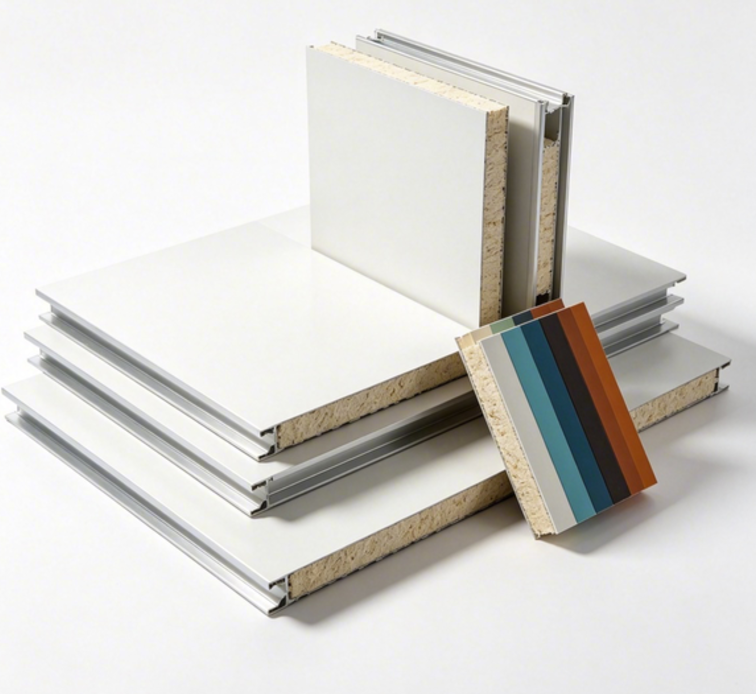
Clean room partition panels have become the practical answer to that problem. Instead of committing to fixed walls that lock a facility into one layout indefinitely, partition systems let organizations carve up space in ways that actually match how work happens day to day — and adjust that layout later without a full construction project.
That flexibility matters more than it might initially seem. As industries keep pushing toward tighter, more efficient facility management, the ability to reorganize a controlled space without massive disruption has turned partition panels from a nice convenience into something close to a necessity.
Content
- 1 Why Is Space Planning Important in Controlled Areas?
- 2 How Do Clean Room Partition Panels Support Better Space Organization?
- 3 What Features Make Clean Room Partition Panels Suitable for Controlled Environments?
- 4 How Do Clean Room Partition Panels Improve Workflow Efficiency?
- 5 Where Are Clean Room Partition Panels Commonly Used?
- 6 Can Clean Room Partition Panels Support Future Facility Changes?
- 7 How Should Businesses Choose Suitable Clean Room Partition Panels?
- 8 How Are Clean Room Partition Panels Influencing Modern Facility Design?
Why Is Space Planning Important in Controlled Areas?
A controlled environment lives or dies on its layout. A disorganized floor plan creates friction everywhere — awkward movement patterns, workflow bottlenecks, daily management headaches that shouldn't exist in the first place.
Most controlled spaces juggle several distinct activities at once — production, inspection, storage, prep work — and each of those often benefits from its own clearly defined zone rather than blending together into one undifferentiated space.
Solid space planning tends to deliver:
- Genuinely organized working zones
- Smoother movement between different areas
- Cleaner, less chaotic workflows
- Better use of whatever square footage is actually available
- Room to adjust the layout later without starting from scratch
Good space planning isn't really about drawing lines on a floor plan — it's about building a layout that actually supports the work happening inside it. Clean room partition panels make that possible without locking a facility into permanent construction the moment something needs to change.
How Do Clean Room Partition Panels Support Better Space Organization?
Partition panels take a big, undifferentiated open area and turn it into something with actual structure — distinct zones that map onto how the space is genuinely being used.
The advantage over fixed walls comes down almost entirely to flexibility. When operational needs shift, and they inevitably do, a partition-based layout can adapt without the disruption a full renovation would demand.
| Space Planning Need | How Partition Panels Help |
|---|---|
| Area separation | Creates clear boundaries between different sections |
| Workflow organization | Supports smoother movement and task arrangement |
| Space adjustment | Allows layouts to be modified when needed |
| Facility management | Helps create more structured environments |
In a controlled setting, organization and efficiency go hand in hand — workers move through a well-planned space with a lot more ease than through one that's confusing or poorly sectioned. Partition panels give facilities a genuinely practical tool for making that kind of organization happen without overcommitting to permanent construction.
What Features Make Clean Room Partition Panels Suitable for Controlled Environments?
Controlled environments come with real requirements that ordinary office space just doesn't have to worry about, and partition systems built for these settings need to actually reflect that.
Flexible installation options
Every facility's layout is a little different, and a genuinely flexible partition system can be configured to match whatever specific workflow a space needs to support.
Easy space adjustment
As operations evolve, being able to modify a layout without a major reconstruction project saves a huge amount of time, cost, and disruption.
Organized interior design
Clear sectioning makes it a lot easier to manage distinct activities happening within the same overall facility.
Suitable surface characteristics
Controlled environments demand materials that hold up to regular cleaning and maintenance without degrading — partition panels need to genuinely meet that bar, not just look the part.
Facilities that need both real organization and genuine flexibility tend to find these features aren't optional extras — they're the actual reason partition systems make sense over more permanent construction.
How Do Clean Room Partition Panels Improve Workflow Efficiency?
How well a space supports the people working in it comes down largely to layout. Properly arranged areas mean fewer interruptions and a lot less friction throughout the workday.
Partition panels help by carving out dedicated zones for different operations, rather than leaving everything crammed into one shared, undifferentiated space.
Better movement planning
Clear boundaries between areas cut down on unnecessary back-and-forth movement and generally tighten up overall organization.
Improved task arrangement
When sections are genuinely distinct, workers navigate the space more intuitively, and daily operations feel more structured as a result.
Reduced space conflicts
Keeping different activities physically separated helps prevent them from interfering with or slowing down one another.
Easier facility management
An organized layout simply makes it easier to keep track of equipment, materials, and where everything actually belongs.
The cumulative effect tends to be a noticeably better working experience for everyone inside the space — not dramatic, necessarily, but genuinely felt day to day.
Where Are Clean Room Partition Panels Commonly Used?
Controlled environments show up across a surprisingly wide range of industries, and each one tends to have its own specific space planning priorities.
| Industry Area | Space Planning Purpose |
|---|---|
| Medical facilities | Creating organized controlled spaces |
| Laboratory environments | Supporting separated work areas |
| Electronics manufacturing | Improving production area management |
| Pharmaceutical facilities | Helping arrange operational zones |
| Research centers | Providing adaptable workspace layouts |
The common thread across all of these is customization — partition panels let each of these very different facilities build a layout that actually reflects their own workflow, equipment arrangement, and management style, rather than forcing everyone into the same generic template.
Can Clean Room Partition Panels Support Future Facility Changes?
Operations rarely stay static for long. A layout that makes better sense today can start feeling constrictive a year or two down the line as workflows evolve or the business grows.
Partition panels are genuinely well-suited to that reality, since they make future layout changes a lot less painful to execute.
They tend to help facilities respond to things like:
- New or evolving workflow requirements
- Shifts in how production is organized
- Genuine expansion of working areas
- Changing needs around how space actually gets used
Traditional construction just can't match that kind of responsiveness — every layout change becomes a bigger, slower, more expensive project. Partition systems sidestep a lot of that friction, which matters enormously for industries where operational needs keep shifting rather than settling into something permanent.
How Should Businesses Choose Suitable Clean Room Partition Panels?
Picking the right partition system isn't a one-size-fits-all decision — it depends heavily on what a specific facility actually needs, day to day and down the line.
Application environment
Think through exactly where the panels will go and how that particular space is going to be used in practice.
Layout requirements
The partition system needs to genuinely support the workflow it's meant to organize, not just look reasonable on paper.
Maintenance needs
Consider how easily the panels can actually be kept clean and managed as part of routine daily operations.
Long-term flexibility
A good choice leaves room for future adjustments, rather than locking a facility into today's layout indefinitely.
Weighing these factors carefully tends to steer facilities toward partition solutions that genuinely support both their current operations and whatever changes come next.
How Are Clean Room Partition Panels Influencing Modern Facility Design?
Facility design overall has been drifting steadily toward flexibility and smarter space utilization, and controlled environments are very much part of that shift.
Panels fit right into this trend, giving facilities a genuinely practical way to manage complex, evolving space needs without constant reliance on permanent construction.
Modern facility planning increasingly leans toward:
- Layouts that can flex as needs change
- Smarter, more deliberate use of available space
- Maintenance-friendly designs that don't add unnecessary hassle
- Stronger overall workflow organization
As controlled environments keep growing more complex, thoughtful space planning is only going to matter more, not less. Clean room partition panels offer a genuinely useful path forward here — giving facilities the tools to build adaptable, well-organized spaces that support efficient management now and stay flexible enough to handle whatever comes next.