English
 русский
 Español
A building entrance is often treated as a simple transition between outside and inside. Yet the entrance does much more than mark a doorway. It guides movement, shapes the first impression of a space, and affects how people interact with the building.
As building design continues to focus on easier movement and more flexible use of space, Automatic Sliding Entrance Doors are becoming part of this wider change. Their influence is not limited to automatic opening. The sliding movement can affect how an entrance is planned, how nearby areas are arranged, and how people approach the building.
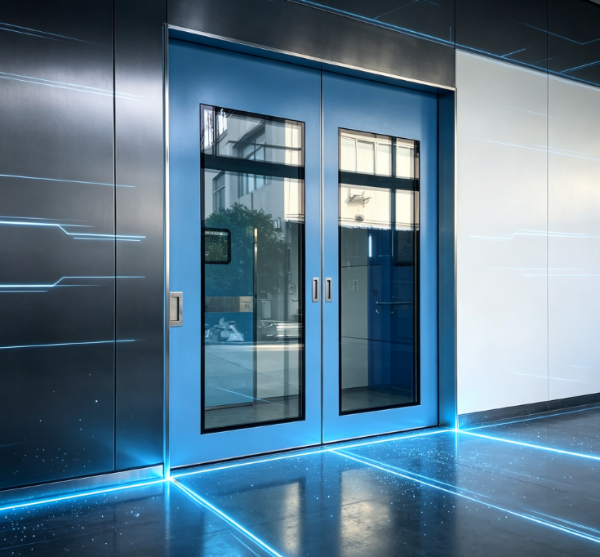
A traditional entrance often places the door at the center of the design. People need to understand how to open it, where it moves, and when they can pass through. An automatic sliding entrance can make this interaction less noticeable.
The change may seem small. Its effect on entrance planning can be much broader.
Content
- 1 Why Is Entrance Design Receiving More Attention?
- 2 How Do Automatic Sliding Entrance Doors Change the Way People Approach a Building?
- 3 Could Sliding Movement Influence the Use of Entrance Space?
- 4 Are Automatic Sliding Entrance Doors Changing the Visual Character of Entrances?
- 5 Can Automatic Sliding Entrance Doors Support More Accessible Entrance Planning?
- 6 How Could Automatic Sliding Entrance Doors Affect Different Building Types?
- 7 What Should Designers Look at Besides Appearance?
- 8 Why Are Buyers Looking More Closely at Entrance Door Selection?
Why Is Entrance Design Receiving More Attention?
People interact with building entrances every day. They may enter an office in the morning, visit a shopping space, walk into a public facility, or arrive at a hotel with luggage.
These situations have something in common. People want to move through the entrance without unnecessary interruption.
A door can influence this experience more than expected. A narrow passage, an awkward opening direction, or a crowded area near the doorway can make movement feel uncomfortable.
Modern entrance design is therefore looking beyond the appearance of the doorway. Designers are considering how people move before, during, and after entering a building.
This is where Automatic Sliding Entrance Doors can become relevant.
Their sideways opening movement creates a different relationship between the doorway and the surrounding space. The entrance can feel more open because the door does not need to swing into the path of a person approaching it.
This can also influence the layout of the entrance area.
A reception space, waiting area, walkway, or display area may be planned around a sliding entrance in a different way than around a traditional hinged door.
How Do Automatic Sliding Entrance Doors Change the Way People Approach a Building?
A good entrance should be easy to understand.
Visitors should be able to see where they need to go without stopping to study the door. This becomes particularly useful in buildings that receive people who are unfamiliar with the space.
Automatic operation can make the entrance feel more natural. A person approaches the doorway and the opening process becomes part of the movement.
There is no need to search for a handle or decide which way to push or pull the door.
This can be useful in many everyday situations.
- A visitor may be carrying a bag.
- A worker may be moving items between areas.
- A parent may be walking with a child.
- A customer may be using a shopping cart.
- A person with limited mobility may prefer an entrance that requires less physical interaction.
These small situations help explain why entrance design is increasingly connected with user experience.
The door itself becomes less of an object that people need to operate and more of a part of the building that responds to movement.
Could Sliding Movement Influence the Use of Entrance Space?
Space planning is one of the more visible differences between sliding and swinging doors.
A traditional door needs room to move through an arc. The area around it may need to remain clear. Furniture, displays, waiting areas, and other objects must be positioned with the door movement in mind.
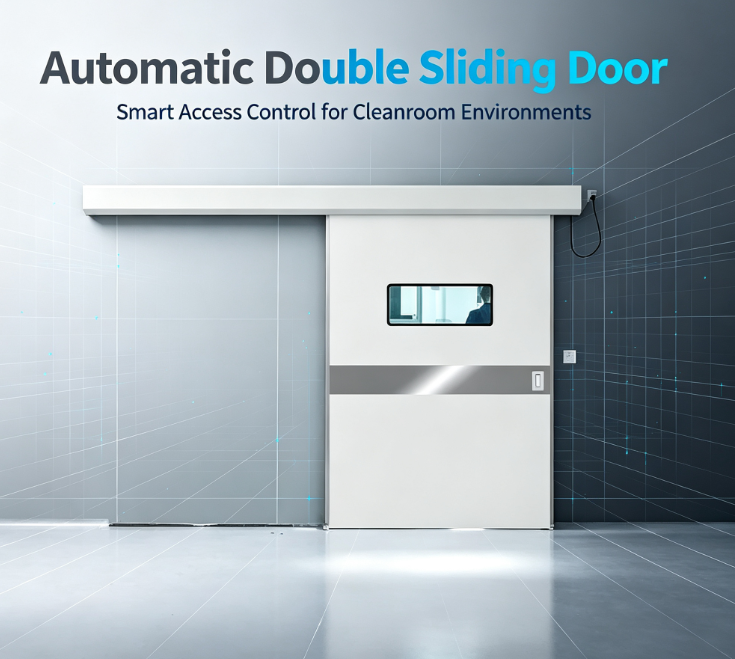
A sliding entrance works differently. The panels move sideways along the entrance rather than outward or inward.
This can change how the surrounding area is used.
| Entrance Design Area | Possible Influence of Sliding Doors |
|---|---|
| Walkway | Creates a more direct relationship between the path and entrance |
| Lobby | Can support a more open transition into the interior |
| Furniture placement | May provide more flexibility around the doorway |
| Waiting area | Reduces interaction with a swinging door panel |
| Commercial display area | Can allow different approaches to nearby space |
| Indoor-outdoor connection | Helps create a visually open entrance |
This does not mean every building will gain the same benefit. The available space and overall layout still matter.
The important point is that the door's movement becomes part of space planning.
Designers can consider the entrance from a wider perspective instead of treating the door as an isolated component.
Are Automatic Sliding Entrance Doors Changing the Visual Character of Entrances?
Entrance appearance has become increasingly connected with the overall architectural style of a building.
A door can influence how a facade feels. It can either create a strong visual boundary or support a more open relationship between the exterior and interior.
Sliding entrances can contribute to the latter approach.
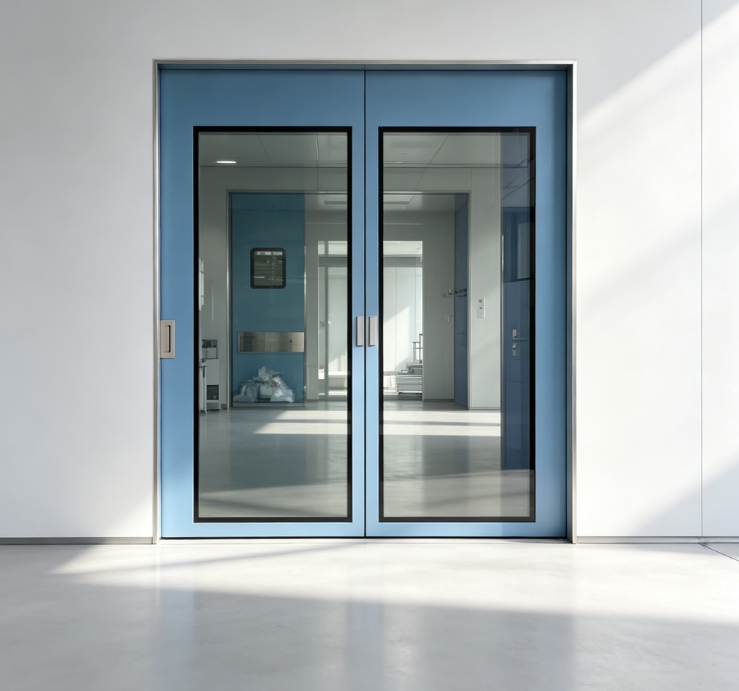
Large transparent surfaces are often associated with open commercial and public spaces. When combined with automatic movement, the entrance can appear less like a physical barrier.
People can see into the building before entering. At the same time, people inside can maintain a visual connection with the area outside.
This relationship can be useful for retail spaces, offices, hospitality buildings, and other public-facing environments.
The visual effect is not only about glass or door appearance. It also depends on the surrounding architecture.
Lighting, flooring, walls, signage, landscaping, and interior arrangement all contribute to the entrance experience.
For this reason, entrance doors are increasingly considered as part of the building's design language rather than simply functional equipment.
Can Automatic Sliding Entrance Doors Support More Accessible Entrance Planning?
Accessibility is another reason entrance design is changing.
Buildings are used by people with different physical abilities and different ways of moving. Some visitors walk quickly. Others may move slowly or use mobility equipment. Some may carry items that make manual door operation inconvenient.
A building entrance should account for these differences.
Automatic operation can reduce the need for physical interaction. This can make the entrance easier to approach for a wider range of users.
Accessibility is not only about the door itself. The complete route matters.
The path leading to the entrance should be clear. The area around the doorway should allow people to move naturally. The interior space should also provide a sensible continuation of the entrance route.
This means designers may need to consider several connected elements:
- Approach
Is the entrance easy to identify and reach?
- Movement
Can people move toward the doorway without unnecessary obstacles?
- Opening
Does the door create a natural transition into the building?
- Interior flow
What happens immediately after people enter?
- Shared use
Can different users pass through the entrance comfortably?
This wider view makes accessibility part of entrance planning rather than a separate consideration added later.
How Could Automatic Sliding Entrance Doors Affect Different Building Types?
Different buildings create different entrance demands.
A shopping environment may have continuous pedestrian movement. An office building may have repeated employee access throughout the day. A hotel may need to create a welcoming transition between the street and lobby. A public facility may receive visitors with very different needs.
Automatic sliding doors can fit these different situations because the basic idea of automatic access is adaptable.
Commercial Spaces
Commercial entrances often need to connect indoor and outdoor areas smoothly.
Customers may enter with shopping bags or carts. Others may pause near the entrance while deciding where to go.
A sliding entrance can help keep the movement area visually open while reducing the need for people to operate the door themselves.
Office Buildings
Office entrances are often used repeatedly by employees, visitors, and service staff.
The entrance can influence the daily rhythm of the building. Easy movement can be useful when people are arriving at different times or moving between indoor and outdoor areas.
Hospitality Buildings
Hotels and similar properties often place considerable attention on the arrival experience.
The entrance connects the outside environment with the lobby. Automatic sliding movement can support a smoother transition while allowing visitors to see into the interior.
Public Facilities
Public buildings may receive people with different mobility needs and different levels of familiarity with the space.
A straightforward entrance can reduce confusion and make the building easier to approach.
What Should Designers Look at Besides Appearance?
A visually attractive entrance may still be difficult to use if the surrounding layout is poorly planned.
For this reason, designers and buyers should look at the complete entrance environment.
Traffic flow is an important starting point. People may enter and leave from different directions, and the entrance should fit these movements.
Available space also matters. The door needs to work naturally with nearby walls, walkways, furniture, and other elements.
User behavior deserves attention as well. People do not always approach an entrance in the same way. Some may stop near the doorway. Others may move quickly through it.
Maintenance access is another practical consideration. Automatic doors need routine care, so the surrounding design should allow service work to take place without unnecessary disruption.
A simple comparison can help organize the decision:
| Consideration | What Designers Can Ask |
|---|---|
| User flow | How do people normally approach the entrance? |
| Space | How is the area around the doorway being used? |
| Accessibility | Can different users move through the entrance comfortably? |
| Appearance | Does the door fit the architectural style? |
| Maintenance | Can routine care be handled conveniently? |
| Daily use | Does the entrance support the building's normal activities? |
This approach keeps the focus on practical use rather than appearance alone.
Why Are Buyers Looking More Closely at Entrance Door Selection?
The entrance door is one part of a larger building system.
Choosing a product simply because it looks suitable may create problems later if it does not fit the actual environment.
Buyers can start by describing the building and its daily activities. A supplier can then better understand the intended use.
Useful points for discussion may include:
- the type of building
- expected user groups
- entrance location
- surrounding space
- preferred visual style
- indoor and outdoor relationships
- maintenance expectations
- installation conditions
- future changes to the space
This kind of communication can make product selection more practical.
It also encourages suppliers to think about the application rather than only the door itself.
For manufacturers, this shift may influence product development as well. Customers may want entrance solutions that fit different architectural concepts rather than a standard design that looks the same in every building.
The entrance is becoming part of a larger conversation about movement, space, accessibility, and architectural identity.
That is why Automatic Sliding Entrance Doors are attracting attention beyond their basic opening function. Their sliding movement, automatic operation, visual openness, and relationship with surrounding space can all influence how a modern entrance is planned and experienced.