English
 русский
 Español
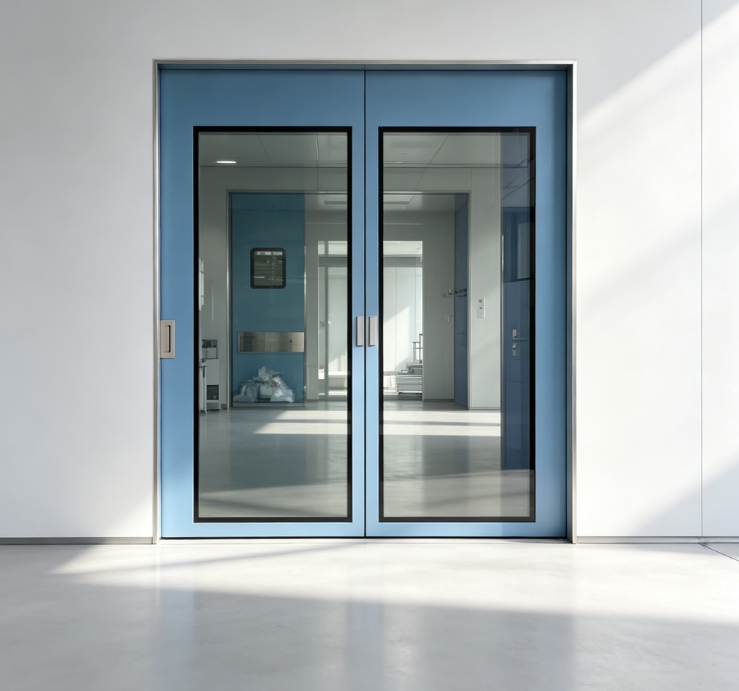
Cleanroom windows play a critical role in controlled environments. They offer clear visibility into the workspace, allow natural light to enter, and help preserve the overall integrity of sterile conditions.If not properly maintained, these windows can gradually lose their transparency, develop tiny cracks, or suffer from failing seals. Any of these issues can put contamination control at risk.By following consistent and systematic maintenance practices, you can significantly extend the service life of cleanroom windows, lower long-term operational costs, and keep cleanroom standards fully intact.
Content
- 1 Why Is Regular Cleaning Essential for Cleanroom Windows?
- 2 How Do Inspection Routines Extend Window Lifespan?
- 3 What Role Does Proper Ventilation Play in Maintenance?
- 4 How Does Seal Maintenance Prevent Premature Wear?
- 5 Why Is Frame Care Important for Longevity?
- 6 How Can Protective Measures Reduce Wear and Tear?
- 7 How Do Documentation and Training Support Maintenance Programs?
- 8 What Role Does Material Choice Play in Maintenance?
- 9 How Can Scheduling Prevent Unexpected Downtime?
Why Is Regular Cleaning Essential for Cleanroom Windows?
Regular cleaning of cleanroom windows is far more important than just keeping them looking nice. In these highly sensitive controlled environments, windows gradually collect airborne particles, chemical residues, and moisture. Even a small buildup can reduce visibility and create spots where bacteria may begin to grow.
Sticking to a consistent cleaning schedule keeps the windows clear and ensures they keep supporting the high hygiene standards the cleanroom demands.
When cleaning, always use soft lint-free cloths, microfiber wipes, or low-lint cleaning pads. Use mild, neutral cleaning solutions that won't etch the glass or damage the frame materials. Pre-moistened wipes designed specifically for cleanroom use are often ideal because they clean evenly and leave no residue behind.
| Cleaning Aspect | Recommended Approach | Avoid |
|---|---|---|
| Surface Material | Lint-free wipes or microfiber | Paper towels or abrasive cloths |
| Cleaning Solution | Mild detergents or neutral pH cleaners | Strong acids, alkalis, or solvent-based cleaners |
| Frequency | According to contamination risk and classification | Irregular or excessive cleaning |
Additional recommendations include:
- Clean from top to bottom to prevent streaks
- Rinse cloths regularly to avoid transferring debris
- Schedule cleaning around high-traffic times to minimize contamination during operation
Regular cleaning maintains both aesthetic clarity and functional performance, preventing long-term damage to seals or frames.
How Do Inspection Routines Extend Window Lifespan?
Scheduled inspections play a key role in extending the lifespan of cleanroom windows. They help spot early signs of wear, scratches, or seal degradation before these issues become serious. Catching problems early makes it possible to take preventive action, which reduces repair costs and minimizes unplanned downtime.
Key areas to check during inspections include:
- Glass: Look for scratches, micro-cracks, discoloration, or surface pitting.
- Seals: Examine for brittleness, tearing, or loss of elasticity.
- Frame: Check for corrosion, warping, paint degradation, or misalignment.
- Hinges and fasteners: Make sure screws are tight and all hardware moves smoothly.
Consistent inspection routines help keep cleanroom windows in good condition for much longer.
| Inspection Element | Check Points | Recommended Action |
|---|---|---|
| Glass | Scratches, cracks, or clouding | Clean, repair, or replace minor damage |
| Frame | Alignment, corrosion, warping | Adjust, treat, or replace compromised sections |
| Seals | Elasticity, cracks, gaps | Replace seals showing wear |
| Hardware | Hinges, screws | Lubricate or tighten |
Inspections should follow a consistent schedule. Monthly visual inspections, combined with quarterly in-depth evaluations, help maintain operational integrity and prevent unexpected failures.
What Role Does Proper Ventilation Play in Maintenance?
Cleanroom windows are directly influenced by the room's airflow, pressure, and humidity. When ventilation is inadequate, it can accelerate wear on the seals and frames. Excess moisture in the air frequently causes condensation, to corrosion or mold growth — issues that shorten the overall lifespan of the windows.
Keeping airflow balanced and humidity at the right levels prevents condensation from building up on the glass or within the seals. This is particularly critical in high-humidity cleanrooms, such as those involved in biological or pharmaceutical production, where effective moisture control plays a major role in preserving window condition and performance.
| Ventilation Factor | Potential Issue | Mitigation |
|---|---|---|
| Air Circulation | Stagnant areas to condensation | Ensure uniform airflow around windows |
| Humidity Levels | Mold, seal degradation | Monitor and regulate relative humidity |
| Pressure Control | Stress on frames and glass | Maintain balanced room pressure to reduce stress |
Linking window maintenance to HVAC and air filtration monitoring ensures windows are protected from environmental stresses while contributing to overall cleanroom efficiency.
How Does Seal Maintenance Prevent Premature Wear?
Seals are critical for maintaining the airtight seal of cleanroom windows and ensuring strong contamination control. As soon as seals begin to wear, they allow particles, moisture, or chemicals to pass through, which can damage the window and compromise the cleanliness of the whole cleanroom.
Proper seal maintenance includes these important steps:
- Cleaning: Remove dust, particles, or chemical residues that can slowly break down the seal material.
- Inspection: Closely check for any cracks, brittleness, or loss of elasticity.
- Lubrication: Apply suitable lubricant to rubber or synthetic seals to keep them flexible.
- Replacement: Replace seals that show clear signs of wear or have become permanently deformed.
Following these practices helps stop seals from failing too soon and keeps the windows working reliably for a longer time.
| Seal Maintenance Task | Purpose | Recommended Frequency |
|---|---|---|
| Cleaning | Prevents material degradation | Weekly or as needed |
| Inspection | Detects early wear | Monthly |
| Lubrication | Maintains flexibility | Quarterly |
| Replacement | Restores airtightness | As required |
Regular seal maintenance prevents leaks and extends both the operational life of the window and the safety of the controlled environment.
Why Is Frame Care Important for Longevity?
Frames give essential structural support to the glass and seals in cleanroom windows. They are constantly exposed to humidity, chemicals, and the physical stresses that come with regular cleaning and everyday operation. Over time, this exposure can to warping, corrosion, or weakening of the frames, which can affect the stability of the whole window.
To keep frames in good condition and help them last longer, follow these recommended practices:
- Surface Cleaning: Wipe the frames regularly to remove residues or dust.
- Structural Checks: Inspect for corrosion, cracks, paint degradation, or any bending.
- Fastener Inspection: Make sure screws, hinges, and brackets remain secure.
- Protective Coating: Apply compatible protective coatings when necessary to prevent corrosion.
Paying consistent attention to frame care helps preserve the strength and reliable performance of the windows over a longer period.
| Frame Factor | Recommended Care | Potential Issue if Neglected |
|---|---|---|
| Material Surface | Wipe with neutral cleaner | Corrosion, paint peeling |
| Structural Integrity | Visual inspection | Warping, misalignment |
| Fasteners | Tighten and lubricate | Loose panels, vibration damage |
A well-maintained frame reduces stress on glass and seals, directly extending the window's life.
How Can Protective Measures Reduce Wear and Tear?
Preventive strategies play a valuable role in cutting down long-term damage to cleanroom windows. A handful of simple protective measures can make a meaningful difference in preserving their condition.
Key protective measures include:
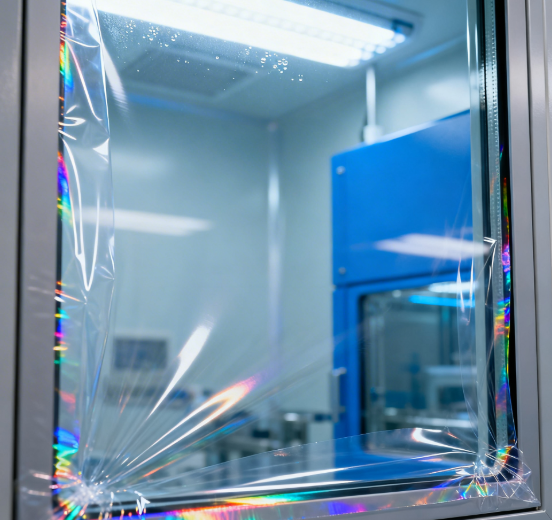
- Anti-scratch coatings or films: These shield the surfaces from scratches and abrasions that frequently occur while cleaning.
- UV filters or blinds: They reduce exposure to sunlight, helping prevent discoloration and weakening of the seals over time.
- Handling procedures: Train staff on careful techniques to avoid direct impacts or improper cleaning methods.
- Barrier controls: Install physical barriers to stop accidental contact with carts or equipment.
Putting these preventive measures into regular practice helps minimize wear and keeps the windows performing well for a much longer time.
| Protective Measure | Benefit | Implementation Tip |
|---|---|---|
| Anti-scratch film | Minimizes surface damage | Apply on both interior and exterior surfaces |
| UV protection | Reduces discoloration | Use UV-tinted coatings or blinds |
| Staff handling | Prevents accidental scratches | Training and signage |
| Barriers | Protects from equipment impact | Install low-profile guards |
Integrating these measures into standard operating procedures reduces long-term wear and extends functional life.
How Do Documentation and Training Support Maintenance Programs?
Maintenance programs perform when followed consistently and done correctly. Clear documentation keeps accurate records of cleaning schedules, inspections, and any repairs carried out. Training makes sure every team member knows and applies the right methods for cleaning, inspecting, and handling the windows.
Key components include:
- Maintenance Logs: Track cleaning frequency, inspection findings, and seal replacements.
- Training Modules: Teach staff proper wiping techniques, suitable cleaning solutions, and safe handling procedures.
- Review Processes: Regularly review activities and adjust procedures based on wear patterns or any reported incidents.
When documentation and training are handled well, they strengthen the overall maintenance program and help it remain reliable for the long term.
Cleanroom windows are essential components in controlled environments. They offer clear visibility, allow natural light to pass through, and help preserve the integrity of sterile conditions. Without proper maintenance, windows can lose their transparency, develop micro-cracks, or have weakened seals — any of which can risk contamination control. Following systematic maintenance practices extends the working life of the windows, lowers operating costs, and ensures cleanroom standards stay fully protected.
| Program Element | Function | Implementation Tip |
|---|---|---|
| Documentation | Tracks maintenance and repairs | Use digital logs for accessibility |
| Training | Ensures correct handling | Conduct annual refresher courses |
| Review | Updates procedures | Evaluate based on wear or failure data |
Consistent documentation and training minimize human error and ensure maintenance practices extend window life efficiently.
What Role Does Material Choice Play in Maintenance?
The materials chosen for cleanroom window panes and frames have a direct impact on how maintenance should be carried out. Different types of glass, seal materials, and frame coatings each come with their own specific care requirements.
Understanding these differences allows staff to select the appropriate cleaning agents, inspection methods, and protective measures for each component, to more effective and safer maintenance practices.
| Material | Recommended Maintenance | Notes |
|---|---|---|
| Glass | Soft cloth, mild detergent | Avoid abrasive cleaning |
| Rubber seals | Cleaning, lubrication | Replace if brittle |
| Metal frames | Neutral cleaner, inspect for corrosion | Apply anti-corrosion coating if needed |
Tailoring maintenance to materials ensures longer service life and reduces risk of damage during routine procedures.
How Can Scheduling Prevent Unexpected Downtime?
A well-planned maintenance schedule coordinates cleaning, inspection, and repair tasks with the cleanroom's operational cycles. This approach helps prevent disruptions during busy periods, keeps cleanroom standards consistent, and reduces the chance of expensive emergency repairs.
Recommended schedule:
- Daily: Perform a quick visual inspection and wipe surfaces if contamination levels are high.
- Weekly: Conduct moderate cleaning and check for minor scratches or debris in the seals.
- Monthly: Carry out a full inspection of the glass, seals, frames, and hardware.
- Quarterly: Lubricate movable parts and review the maintenance logs.
- Annual: Perform a comprehensive evaluation and replace any worn components.
Following this type of structured schedule keeps cleanroom windows in reliable condition while supporting smooth operations.
| Schedule | Task | Benefit |
|---|---|---|
| Daily | Quick wipe, visual check | Reduces contamination buildup |
| Weekly | Moderate cleaning, seal check | Early detection of minor issues |
| Monthly | Full inspection | Prevents structural failure |
| Quarterly | Lubrication, review logs | Maintains seal flexibility |
| Annual | Component replacement | Ensures long-term performance |
Following a structured schedule supports proactive maintenance and reduces the risk of sudden failure.