English
 русский
 Español
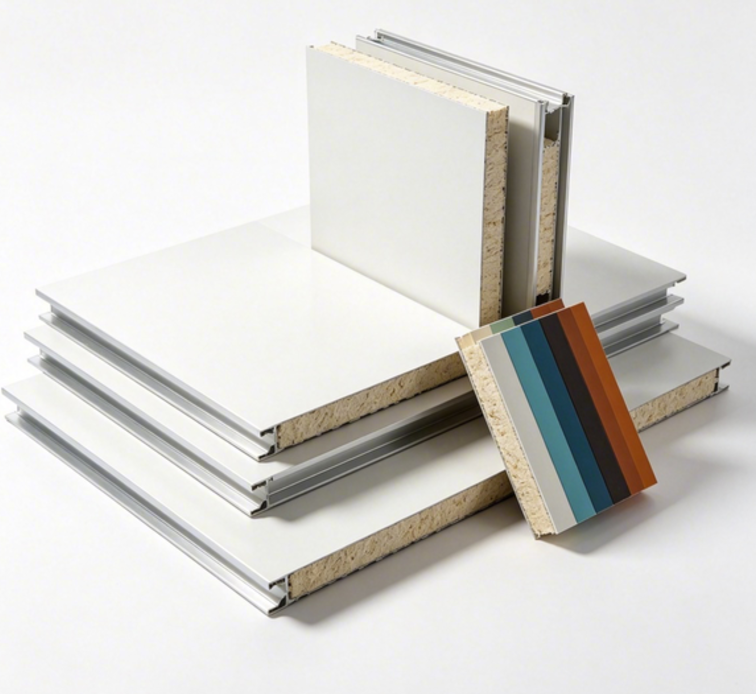
The surface looks calm. Smooth. Almost quiet. Behind that finish sits a structure designed to separate, protect, and contain. In many buildings, that structure does not draw attention. Yet it shapes how spaces function every day.
Stainless steel sandwich panels appear in places where surfaces matter. Not only for appearance, but for control. Control of moisture. Control of airflow. Control of what enters and what stays out.
Their use has spread across different industries. The reasons vary, but a pattern is easy to notice. Wherever environments demand consistency, these panels tend to show up.
Content
- 1 What Makes Stainless Steel Sandwich Panel Suitable For Controlled Spaces?
- 2 Where Are They Used In Food Processing Facilities?
- 3 How Are They Applied In Pharmaceutical And Healthcare Environments?
- 4 What Role Do They Play In Industrial Manufacturing Facilities?
- 5 Are They Common In Cold Storage And Refrigerated Warehouses?
- 6 How Are They Used In Cleanroom Construction?
- 7 What About Commercial Kitchens And Catering Spaces?
- 8 Are They Used In Transportation And Logistics Facilities?
- 9 How Do They Fit Into Modern Building Design Trends?
- 10 What Factors Influence Where They Are Installed?
- 11 A Closer Look At Installation Contexts
- 12 How Do Installation Methods Reflect Practical Needs?
- 13 Why Do These Panels Appear Across So Many Industries?
What Makes Stainless Steel Sandwich Panel Suitable For Controlled Spaces?
A wall is never just a wall in sensitive environments. It becomes part of a system. It supports cleaning routines. It responds to temperature changes. It stands up to daily contact.
Stainless steel surfaces offer a stable outer layer. They do not easily absorb moisture. They are often chosen when regular cleaning is part of the workflow. The inner layer, hidden from view, helps maintain separation between zones.
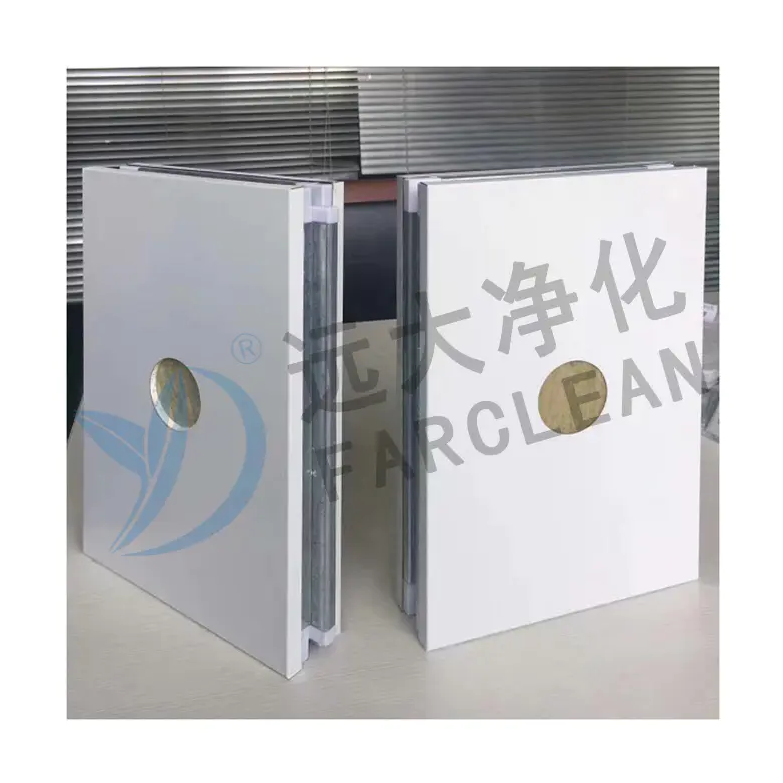
This combination creates a panel that does more than divide space. It supports how that space behaves.
In settings where routines repeat every hour, materials need to follow along without resistance. That is where these panels find their place.
Where Are They Used In Food Processing Facilities?
Walk into a food preparation area and you will notice the surfaces. Walls, ceilings, and partitions are designed to be easy to clean. Corners are simplified. Joints are reduced.
Stainless steel panels often form the backdrop of these environments.
They are commonly installed in:
- Raw material handling rooms
- Processing lines
- Packaging areas
- Cold storage zones
Each area has its own rhythm. Some are wet. Some are cold. Some require frequent washdowns. Panels used here need to handle all of that without changing shape or surface condition.
Below is a simple overview:
| Area Type | Why Panels Are Used |
|---|---|
| Processing Rooms | Easy surface cleaning and durability |
| Cold Storage | Stable performance in low temperatures |
| Packaging Areas | Clean appearance and controlled surfaces |
| Washing Zones | Resistance to moisture exposure |
The choice is less about style and more about daily use. Surfaces must support repeated cleaning without becoming a problem themselves.
How Are They Applied In Pharmaceutical And Healthcare Environments?
In healthcare and pharmaceutical settings, surfaces become part of contamination control. Walls are not passive. They help define zones of activity.
Stainless steel panels are often installed in:
- Cleanrooms
- Preparation areas
- Sterile storage rooms
- Laboratory corridors
These spaces depend on consistency. Airflow, cleanliness, and separation all rely on stable boundaries.
Panels here are selected for how they interact with cleaning processes. Smooth finishes reduce the chance of buildup. Sealed joints help maintain separation between areas.
Movement between rooms also plays a role. Doors, windows, and panels work together as a system. The wall must support that system without introducing weak points.
What Role Do They Play In Industrial Manufacturing Facilities?
Not all industrial spaces are the same. Some are open and rugged. Others are controlled and structured.
In manufacturing environments that require defined zones, stainless steel panels are used to create separation without heavy construction.
They are often seen in:
- Assembly areas with cleanliness requirements
- Equipment enclosures
- Partitioned production lines
- Storage rooms for sensitive components
These panels help divide space quickly. They can form temporary or long-term layouts. When production lines change, the structure can adapt.
This flexibility is one reason they appear in evolving facilities.
Are They Common In Cold Storage And Refrigerated Warehouses?
Temperature changes affect materials. Expansion, contraction, and condensation all play a role in how surfaces behave.
In cold storage environments, stainless steel sandwich panels are used for their ability to maintain structure under these conditions.
Typical installation areas include:
- Refrigerated warehouses
- Freezer rooms
- Chilled distribution centers
- Loading buffer zones
The outer layer resists moisture from condensation. The inner structure helps maintain temperature separation.
Workers moving in and out of these areas bring warm air with them. Doors open and close. Surfaces must handle these shifts without degradation.
Panels that remain stable under such cycles are often preferred.
How Are They Used In Cleanroom Construction?
Cleanrooms depend on boundaries. Every surface contributes to how air moves and how particles are controlled.
Stainless steel panels are widely used to form:
- Cleanroom walls
- Ceilings
- Airlock enclosures
- Service corridors
In these settings, details matter. Joints are designed to reduce gaps. Surfaces are chosen for ease of cleaning. The goal is not decoration. It is consistency.
Panels also support integration with other systems. Lighting, ventilation, and access points all connect to the wall structure.
A cleanroom is built as a whole. Panels are one part, but a critical one.
What About Commercial Kitchens And Catering Spaces?
Commercial kitchens operate under pressure. Heat, steam, and frequent cleaning shape the environment.
PCGI Sandwich Panel are often installed in:
- Cooking areas
- Preparation zones
- Dishwashing sections
- Storage rooms
These spaces see constant movement. Equipment runs for long hours. Surfaces are exposed to moisture and temperature shifts.
Panels help maintain a surface that can be cleaned quickly. They also support a layout that separates different tasks within the same kitchen.
In catering facilities, where scale increases, the same logic applies. Surfaces must keep up with pace.
Are They Used In Transportation And Logistics Facilities?
Movement of goods brings another layer of complexity. Materials pass through multiple environments before reaching their destination.
In logistics and transportation hubs, stainless steel panels are used in:
- Controlled storage rooms
- Inspection areas
- Transfer corridors
- Packaging and repacking zones
These areas often sit between different conditions. One side may be exposed to outdoor air. The other side may require a more controlled setting.
Panels help manage this transition. They create a buffer between environments.
In facilities handling sensitive goods, this separation becomes part of the workflow.
How Do They Fit Into Modern Building Design Trends?
Design has shifted. Not always toward complexity, but toward clarity. Materials are chosen for how they perform over time.
Stainless steel sandwich panels align with this approach. They offer a clean visual surface. They also reduce the need for additional finishing layers.
Architects and planners often use them in:
- Modular buildings
- Prefabricated structures
- Temporary facilities
- Renovation projects
Their installation can be straightforward. Panels arrive ready to be placed. This reduces on-site work and shortens project timelines.
In projects where speed matters, this becomes a practical advantage.
What Factors Influence Where They Are Installed?
The choice of material rarely depends on one factor. It is usually a combination of needs.
Common considerations include:
Cleaning Requirements
Spaces with frequent cleaning cycles tend to favor smooth, non-absorbent surfaces.
Environmental Conditions
Moisture, temperature, and air quality all influence material selection.
Operational Flow
Movement of people and goods shapes how spaces are divided.
Maintenance Expectations
Materials that reduce upkeep can simplify long-term use.
Design Flexibility
Facilities that change over time may prefer modular solutions.
These factors overlap. A food facility may share needs with a pharmaceutical site. A logistics hub may face similar challenges as a cold storage warehouse.
That overlap explains why stainless steel sandwich panels appear across different sectors.
A Closer Look At Installation Contexts
To bring these uses together, the following table outlines typical environments and their key concerns:
| Environment Type | Main Concern | Panel Role |
|---|---|---|
| Food Processing | Clean surfaces | Support hygiene routines |
| Healthcare | Controlled environments | Maintain separation |
| Manufacturing | Flexible layout | Create adaptable partitions |
| Cold Storage | Temperature stability | Resist moisture and thermal shifts |
| Cleanrooms | Air and particle control | Form sealed boundaries |
| Commercial Kitchens | Heat and cleaning cycles | Provide durable surfaces |
| Logistics Facilities | Environmental transitions | Act as buffer zones |
Each setting tells a different story. Yet the material choice often leads to the same direction.
How Do Installation Methods Reflect Practical Needs?
Installation is not only about placing panels. It reflects how a space will be used.
Some facilities require quick setup. Others need long-term stability. In both cases, the approach tends to focus on reducing disruption.
Panels are often installed in sections. This allows work to continue in nearby areas. In renovation projects, this becomes especially useful.
Connections between panels are designed to align with cleaning routines. Smooth transitions reduce areas where residue could collect.
Openings for doors and windows are planned early. They must fit into the panel system without breaking continuity.
This level of planning shows how material choice connects with daily operation.
Why Do These Panels Appear Across So Many Industries?
The answer is not tied to one feature. It comes from how the panels respond to different needs at once.
They provide a surface that is easy to manage. They support separation between areas. They adapt to different layouts.
Industries may differ in what they produce, but they often share similar environmental challenges.
When a material addresses those challenges in a consistent way, it tends to spread across sectors.
That is how stainless steel sandwich panels move from one application to another, becoming part of many environments without drawing much attention.