English
 русский
 Español
Content
- 1 What Is a Self-Cleaning Pass Through Box and Why It Matters
- 2 Core Mechanisms Behind Effective Sterilization
- 3 How Clean Cushioning Protects Sensitive Materials
- 4 Where This Equipment Is Applied Across Industries
- 5 Key Specifications to Evaluate Before Purchase
- 6 Installation and Maintenance Considerations
- 7 Common Mistakes That Reduce Effectiveness
- 8 Choosing a Supplier for Long-Term Reliability
What Is a Self-Cleaning Pass Through Box and Why It Matters
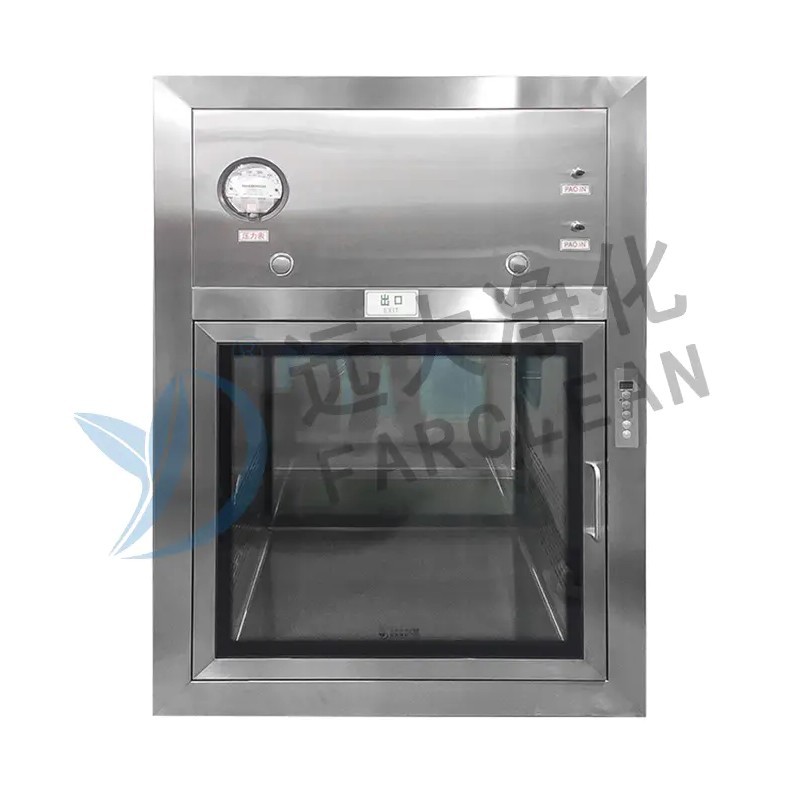
A self-cleaning pass through box is a transfer chamber installed between two areas of different cleanliness levels, allowing materials, tools, or samples to move across a boundary without forcing personnel to walk through the controlled space themselves. Unlike a standard static pass box, the self-cleaning version is equipped with an internal air circulation system, HEPA or ULPA filtration, and often UV sterilization lamps that actively remove particles and microorganisms from the chamber air after every use. This means the box does not just act as a physical barrier; it actively resets its internal environment before the next transfer takes place, which is critical in industries where cross-contamination between rooms can compromise product safety or research integrity.
In biopharmaceutical manufacturing, cosmetics production, food processing, electronics assembly, and hospital sterile supply units, the boundary between a clean room and a non-clean room is one of the most vulnerable points for contamination. Doors that open directly between these zones create pressure imbalances and allow unfiltered air to rush in. A self-cleaning pass through box solves this by maintaining interlocked doors so both sides are never open at the same time, while the internal cleaning cycle purges particulates generated during the transfer itself.
Core Mechanisms Behind Effective Sterilization
The sterilization performance of a pass through box depends on several coordinated systems working together rather than any single component. Understanding how these systems interact helps facility managers select equipment that matches their actual contamination control needs.
HEPA/ULPA Filtration and Air Circulation
Most self-cleaning units draw chamber air through a HEPA filter rated at 99.99% efficiency for 0.3-micron particles, or an ULPA filter for even finer filtration down to 0.12 microns. A built-in fan continuously recirculates air through the filter during idle periods and immediately after the doors close following a transfer, so particulates introduced by the item being passed through are captured before the opposite door can be opened.
UV-C Germicidal Lamps
Many models incorporate UV-C lamps mounted inside the chamber ceiling or side walls. Once the doors are sealed, the lamps activate for a preset exposure time, typically two to fifteen minutes depending on chamber volume and required log-reduction levels, to inactivate bacteria, viruses, and mold spores on exposed surfaces. Interlock sensors prevent the lamps from operating while either door is open, protecting operators from UV exposure.
Interlocking Door Systems
The mechanical or electromagnetic interlock is what physically prevents both doors from opening simultaneously. This single feature is often what separates a compliant transfer system from a simple pass-through opening, since it stops direct airflow between rooms of different pressure classifications and enforces the sterilization cycle before access is granted.
How Clean Cushioning Protects Sensitive Materials
Sterilization alone does not address every risk of moving items between rooms. Vibration, static discharge, and physical impact during transfer can damage sensitive products, especially in electronics assembly or pharmaceutical vial handling. Clean cushioning refers to interior linings, shelf padding, or anti-static mats built into the chamber that absorb shock and reduce particle generation from friction between the item and the box surface.
Materials used for cushioning are selected specifically because they do not shed fibers or generate static charge, which would otherwise defeat the purpose of the sterilization cycle. Common choices include closed-cell foam with a smooth, non-porous skin, stainless steel shelving with rounded edges, and conductive rubber mats for electrostatic discharge-sensitive components. This combination of active decontamination and passive physical protection is what makes the self-cleaning pass through box suitable for both microbiological and mechanical contamination control.
Where This Equipment Is Applied Across Industries
The specific configuration of a self-cleaning pass through box varies depending on the industry it serves, since contamination sources and regulatory expectations differ significantly between sectors.
- Biopharmaceutical facilities use these boxes to transfer raw materials, components, and finished vials between grade A/B clean rooms and lower-grade support areas, often pairing them with documented UV cycle logs for batch record compliance.
- Cosmetics manufacturers rely on pass through boxes to move raw ingredients and packaging materials into filling rooms without introducing dust or microbial load from warehouse areas.
- Food processing plants use stainless steel units with washdown-rated seals to transfer ingredients between preparation zones and packaging lines while limiting airborne contamination.
- Electronics manufacturers install ESD-safe versions to move semiconductor components and circuit boards into cleanroom assembly areas without static damage or particulate contamination.
- Hospitals use pass through boxes between central sterile supply departments and operating rooms to transfer instruments and supplies while maintaining pressure differentials required for infection control.
Key Specifications to Evaluate Before Purchase
Selecting the right unit requires matching technical specifications to the operational demands of the transfer point. The table below outlines the specification categories most facility engineers compare when evaluating equipment from different suppliers.
| Specification | What to Check |
| Filtration Grade | HEPA H13/H14 or ULPA U15, verified filter efficiency certificate |
| UV Cycle Duration | Adjustable timer range and validated log-reduction data |
| Interlock Type | Mechanical, electromagnetic, or software-controlled with override for emergencies |
| Chamber Material | 304 or 316L stainless steel, seamless welded corners for easy cleaning |
| Cushioning Type | Anti-static mats, foam padding, or adjustable shelving based on product fragility |
| Alarm and Monitoring | Door status indicators, cycle completion alarms, data logging for audits |
Installation and Maintenance Considerations
Proper installation directly affects long-term performance. The box must be sealed into the wall opening with gasket material that matches the pressure differential expected between the two rooms, and the surrounding wall panel should be flush to avoid dust traps. Electrical connections for the fan, UV lamps, and control panel typically require a dedicated circuit, and facilities should confirm whether the unit needs compressed air or only standard power.
Routine maintenance includes replacing HEPA filters on a schedule based on differential pressure readings rather than a fixed calendar date, since filter loading varies with usage frequency and particulate load. UV lamps degrade in output over time even if they still illuminate, so most manufacturers recommend replacement every 8,000 to 12,000 hours of operation, tracked through the control panel's runtime counter. Door gaskets and cushioning surfaces should be inspected quarterly for wear, cracking, or microbial growth, particularly in food and pharmaceutical settings where wash-down cleaning is frequent.
Common Mistakes That Reduce Effectiveness
Even well-built equipment underperforms when operational practices are inconsistent. The following issues are the ones most frequently identified during facility audits.
- Interrupting the UV cycle by opening a door before the timer completes, which resets sterilization without operators realizing it.
- Overloading the chamber with items that block airflow paths, leaving shadowed surfaces that UV light cannot reach.
- Neglecting filter differential pressure monitoring until airflow drops noticeably, by which point filtration efficiency has already declined.
- Using cleaning chemicals not compatible with the cushioning material, causing degradation and particle shedding over time.
Choosing a Supplier for Long-Term Reliability
Because a pass through box operates continuously at a critical control point, sourcing decisions should weigh manufacturing quality as heavily as price. Facilities should request documentation on filter integrity testing methods, UV intensity validation reports, and material certificates for the stainless steel chamber. Suppliers who can provide site-specific customization, such as chamber dimensions matched to product size or interlock logic matched to existing building management systems, tend to deliver equipment that integrates more smoothly into validated cleanroom protocols and requires fewer retrofits after installation.