English
 русский
 Español
Cleanroom environments are designed around controlled movement. People, materials, equipment, and air all need to move through designated areas in an organized way. Even a simple activity such as opening a door can become part of this process.
Traditional doors often require people to touch a handle, push a panel, or pull a door toward themselves. In a cleanroom, repeated contact can make routine movement less convenient. It can also create an additional point that needs regular attention.
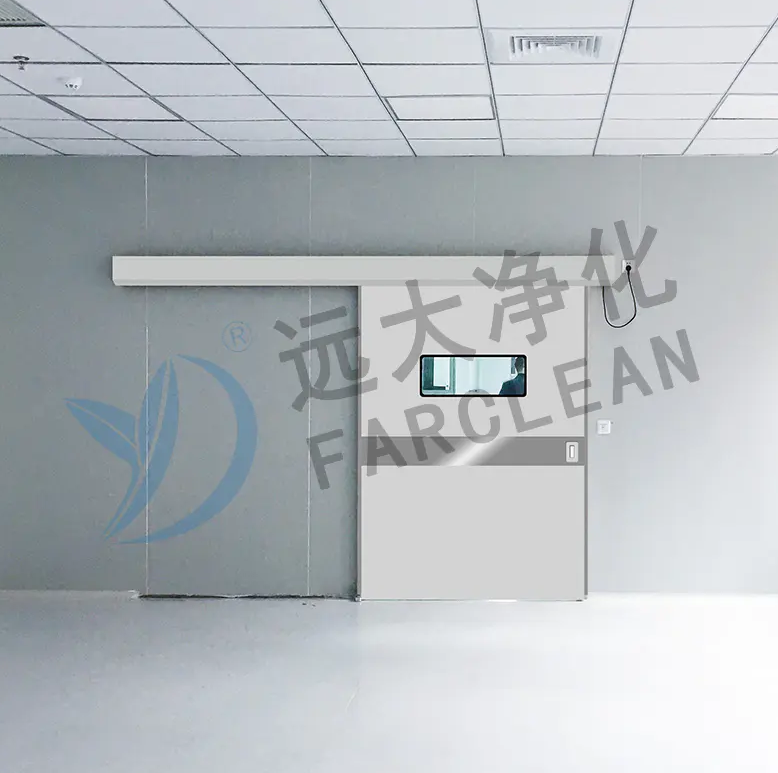
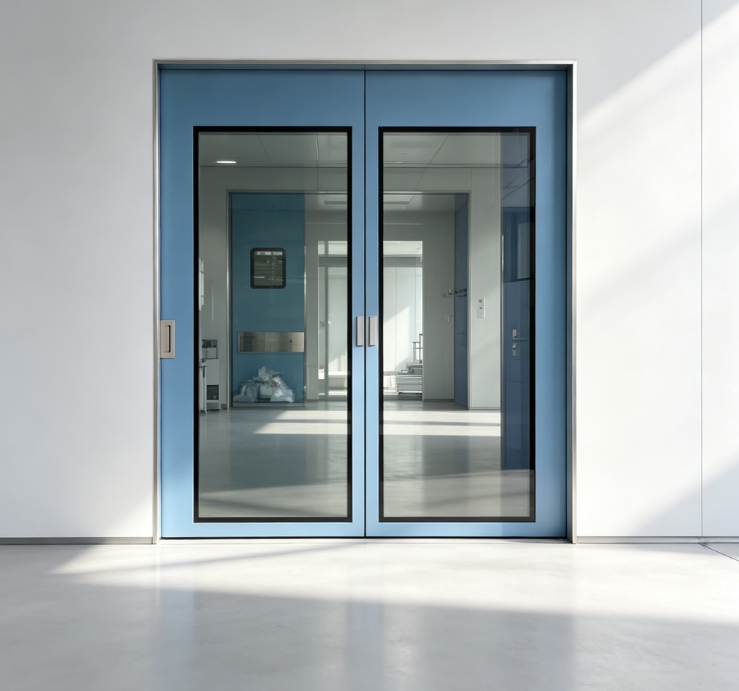
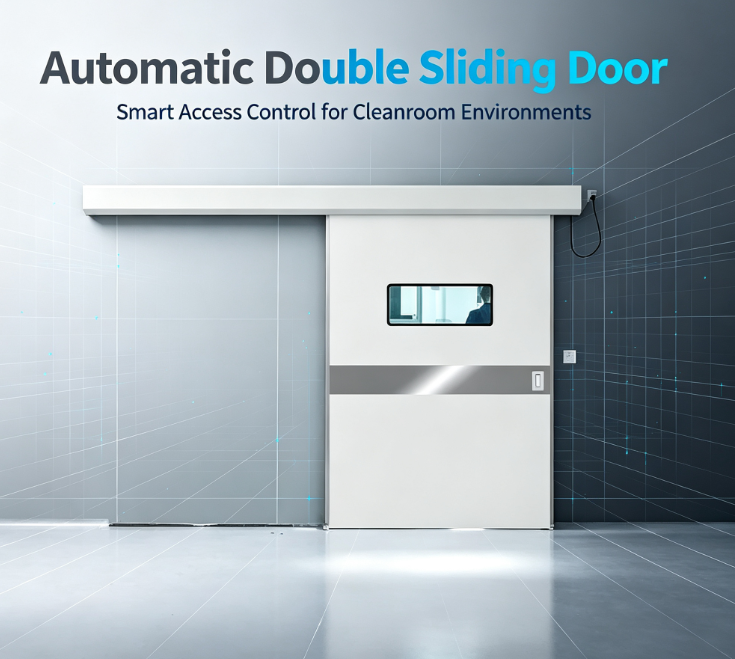
This is one reason clean room automatic doors are becoming part of modern controlled facility design. By allowing a door to open without routine hand contact, they can make movement between areas more convenient and organized.
Automatic operation does not replace cleanroom procedures. It works alongside them. The door still needs to suit the facility layout, access requirements, cleaning practices, and intended workflow.
The value comes from reducing unnecessary contact during ordinary movement.
Content
- 1 Why Does Door Contact Matter in a Cleanroom?
- 2 How Do Clean Room Automatic Doors Reduce Unnecessary Contact?
- 3 What Types of Cleanroom Movement Can Benefit?
- 4 How Can Automatic Doors Support Workers Carrying Materials?
- 5 Can Automatic Doors Help Reduce Contact with Shared Surfaces?
- 6 How Do Automatic Doors Fit into Controlled Access?
- 7 How Do Clean Room Automatic Doors Support Different Workflows?
- 8 What Features Should Be Considered When Choosing a Clean Room Automatic Door?
- 9 How Can Automatic Doors Support a More Organized Cleanroom Environment?
- 10 Why Is Hands-Free Access Becoming More Relevant to Cleanroom Design?
Why Does Door Contact Matter in a Cleanroom?
A door is more than a physical barrier between two spaces. It is also a point where people and materials pass from one area to another.
With a manually operated door, users may need to touch a handle or another surface. If many people use the same entrance throughout the day, that contact becomes part of the normal workflow.
Cleanrooms often involve controlled procedures. Workers may be wearing protective clothing or handling products that require careful treatment. Reaching for a handle can make movement less convenient.
An automatic door changes this interaction.
The user can approach the entrance and activate the opening system without needing to operate the door by hand. The door then closes after the passage, depending on its control arrangement.
| Door Operation | Typical User Interaction | Potential Benefit |
|---|---|---|
| Manual | Handle or panel contact | Simple but requires direct operation |
| Automatic | Sensor or access control | Reduces routine hand contact |
| Controlled automatic | Authorized activation | Supports organized access |
| Automatic with wider workflow integration | Hands-free movement | Can support people and material flow |
The specific operating method varies by door design.
The main idea is simple. Fewer routine touches can make movement more convenient and can reduce the number of surfaces people need to interact with during normal access.
How Do Clean Room Automatic Doors Reduce Unnecessary Contact?
The direct benefit comes from hands-free operation.
A worker approaching a doorway does not necessarily need to stop and touch a handle. The opening action can be triggered through the door's control system.
This creates a smoother transition between spaces.
Consider a worker carrying a container. Opening a manual door may require putting the container down or using another part of the body to operate the door. An automatic door can make the passage easier because the person does not need to perform that additional action.
The same principle applies when workers are moving equipment or supplies.
The door becomes an access point rather than another object that needs to be physically operated.
This can be particularly useful in areas where people move frequently between connected rooms.
The reduction in contact is not about eliminating every possible interaction. It is about removing unnecessary contact from a routine task.
What Types of Cleanroom Movement Can Benefit?
Cleanrooms are rarely static spaces.
Workers may move between preparation areas, production spaces, storage locations, inspection zones, and other controlled areas. Materials may follow separate routes.
The more frequently a doorway is used, the more noticeable its operating method can become.
Automatic doors can support several types of movement.
Personnel movement
Workers can move between designated areas without repeatedly reaching for a handle.
Material movement
People carrying trays, containers, tools, or supplies can pass through an entrance without needing to free a hand for door operation.
Equipment movement
Carts and other mobile equipment may be easier to move through a doorway when the door opens without direct manual contact.
Routine transfers
Repeated movement between connected areas can become more convenient when users do not need to operate the door manually each time.
These applications depend on the facility's design and operating procedures.
The automatic door is one part of the workflow. It does not determine how the entire cleanroom operates.
How Can Automatic Doors Support Workers Carrying Materials?
Material movement is an important part of many controlled environments.
Workers may need to transport packaged supplies, production materials, containers, or tools. A manual door can create an awkward moment when both hands are occupied.
A clean room automatic door can reduce this problem.
Instead of putting an item down to operate a handle, a worker can approach the doorway and use the available automatic activation method.
This can make the route more practical.
The benefit may be particularly noticeable when several doorways are located along the same material path.
| Movement Task | Challenge with Manual Operation | Automatic Door Advantage |
|---|---|---|
| Carrying containers | One hand may need to operate the door | Allows hands-free passage |
| Moving supplies | Items may need temporary placement | Reduces unnecessary interruption |
| Moving equipment | Door operation can interrupt movement | Supports a smoother route |
| Repeated transfers | Frequent contact with door hardware | Reduces routine contact |
| Controlled entry | Manual operation may add another step | Can connect with access arrangements |
The purpose is not simply convenience.
A more organized movement route can help workers focus on the materials they are carrying and the procedures they are following.
Door handles are shared surfaces.
In a busy facility, different workers may use the same door throughout a working period. A manual door therefore creates a common point of contact.
Automatic operation can reduce the need for that contact.
This does not mean the door becomes maintenance-free or that other surfaces no longer require attention. Cleanroom cleaning and hygiene procedures remain necessary.
The difference is that the handle may no longer be a routine part of every passage.
This can help simplify the interaction between people and the physical environment.
Other elements still matter. Users may touch walls, equipment, controls, carts, or other surfaces during normal work. The door is only one part of the overall environment.
Automatic operation should therefore be viewed as one practical measure within a broader facility management approach.
How Do Automatic Doors Fit into Controlled Access?
Reducing door contact is only one reason to consider automatic doors.
Controlled environments also need organized access.
Not every person should necessarily have the same access to every area. Different rooms may have different operating requirements.
Automatic doors can be incorporated into access arrangements where appropriate.
For example, an entrance may be connected to an authorized access system. A worker can use the approved method to request entry, and the door can respond without requiring the person to manually pull or push it.
This can combine two functions:
- Reducing routine manual contact.
- Supporting organized movement between designated areas.
The actual access system depends on the facility.
A cleanroom may use different arrangements for employees, visitors, materials, and equipment. The door should fit these requirements rather than creating an additional obstacle.
This is why door selection should be considered during facility planning.
How Do Clean Room Automatic Doors Support Different Workflows?
Not every cleanroom has the same layout.
Some facilities have compact work areas. Others contain several connected rooms with dedicated movement routes.
A door that works well in one environment may not suit another.
Manufacturers and facility planners can consider how people normally move through the space.
For example, a doorway between frequently used areas may benefit from automatic operation. An entrance used less often may have different requirements.
The same applies to material movement.
If a doorway sits along a regular supply route, hands-free operation may make the route easier to manage.
The workflow can be mapped around several basic questions:
- Who uses the doorway?
- How often is it used?
- What are users carrying?
- Which areas does it connect?
- Does the doorway form part of a controlled route?
- How should the door interact with the surrounding workflow?
These questions help determine whether an automatic door is suitable for a particular location.
What Features Should Be Considered When Choosing a Clean Room Automatic Door?
The ability to open without direct hand contact is useful, but it is not the only consideration.
A cleanroom door needs to fit its environment.
Manufacturers and facility planners may review the following areas.
Door surface
The surface should be appropriate for the intended environment and routine cleaning practices.
Opening method
The activation method should match the way people and materials move through the area.
Access arrangement
The door may need to work with the facility's access procedures.
Closing behavior
The door should fit the movement pattern of the space and support an organized route between areas.
Cleaning requirements
The door should be practical to maintain as part of the facility's normal cleaning process.
Space arrangement
The door should fit the available opening and surrounding workspace without creating unnecessary obstacles.
Product and material movement
If workers frequently carry items through the doorway, the door arrangement should accommodate that activity.
These factors help move the decision beyond the simple question of whether a door is automatic.
The goal is to select a door that works naturally within the cleanroom.
How Can Automatic Doors Support a More Organized Cleanroom Environment?
A cleanroom depends on many small operational decisions.
Personnel routes, material routes, cleaning procedures, equipment placement, and access points all contribute to the way the facility functions.
Automatic doors can become part of this wider arrangement.
They can help create clear movement points between rooms. They can reduce the need for repeated manual operation. They can also make material movement more practical when workers have occupied hands.
The effect is noticeable when the door is placed where movement occurs frequently.
Imagine a worker carrying a supply container between two connected areas. With a manual door, the worker may need to stop, place the container somewhere, operate the handle, retrieve the container, and continue.
With an automatic door, that extra sequence may not be necessary.
Small changes like this can make a working route feel more natural.
The same principle applies to carts and other mobile equipment.
The door becomes part of the movement system instead of an interruption within it.
Why Is Hands-Free Access Becoming More Relevant to Cleanroom Design?
Modern cleanroom design increasingly looks at how people interact with the working environment.
The physical room matters, but so does the movement that takes place inside it.
A door may seem like a small detail compared with production equipment or environmental systems. Yet workers interact with doors repeatedly throughout a working day.
Removing an unnecessary manual step can make the workflow more convenient.
Clean room automatic doors provide one way to achieve this. Their role can extend beyond convenience because reduced routine contact can also support a more controlled approach to shared surfaces.
At the same time, automatic operation should be matched with appropriate cleaning, maintenance, access, and facility procedures.
The door itself is not a complete solution for maintaining a controlled environment.
Its value comes from how it fits into the larger design.
As cleanroom facilities continue to pay attention to personnel movement, material handling, controlled access, and everyday workflow, automatic doors can provide a practical way to reduce unnecessary door contact while helping create clearer and more convenient routes between controlled areas.