English
 русский
 Español
When you first search for cleanroom wall panels cost, you will likely see quotes ranging from $15 to over $150 per square meter. That wide spread is not a sign of unreliable suppliers. It reflects genuine differences in core materials, steel quality, surface finishes, and the engineering services behind each bid. As a manufacturer that has produced sandwich panels since 2002, we find that most budget overruns come not from the panel price itself, but from missing cost items in the initial plan.
This guide breaks down the real cost structure of cleanroom wall panels. You will learn what drives the price per square meter, which hidden costs inflate your total budget, and how to request comparable quotes from suppliers. The goal is to give you a decision framework you can use before sending out your first inquiry.
Content
- 1 How Much Do Cleanroom Wall Panels Cost?
- 2 5 Key Factors That Determine Cleanroom Wall Panel Prices
- 3 The Hidden Costs Beyond the Panel Price
- 4 Cleanroom Wall Panels Cost by Industry: What to Expect
- 5 How to Get Accurate Quotes: Mistakes to Avoid
- 6 Why Buying from a Manufacturer Beats Multiple Middlemen
- 7 Conclusion: Build Your Cleanroom Within Budget
How Much Do Cleanroom Wall Panels Cost?
The most direct answer: a standard cleanroom wall panel system typically ranges between $20 and $100 per square meter for the panel material alone. However, this is a broad reference range. Your actual price depends on the core material, steel thickness and grade, surface coating, and the level of customization required. A budget-conscious food processing facility and a sterile pharmaceutical plant can spend dramatically different amounts on the same wall area.
To give you a quick reference point, here is how different core materials typically stack up in price. Treat these as approximations, because suppliers in different regions and with different production capabilities will quote differently.
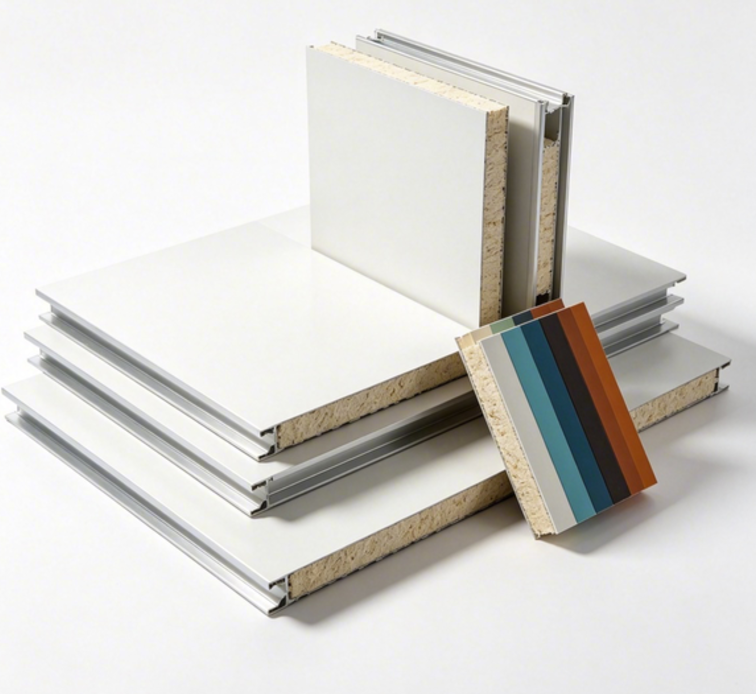
- EPS (Expanded Polystyrene / Polyphen): The most economical option. Provides basic insulation and is suitable for less stringent cleanroom environments in food or general industrial applications.
- Mineral Wool / Rock Wool: A moderate price increase over EPS. Offers superior fire resistance and acoustic performance, making it a frequent choice for pharmaceutical and electronics facilities with strict fire codes.
- PU / PIR (Polyurethane): Higher cost per square meter. Delivers excellent thermal insulation, often for facilities needing tight temperature and humidity control.
- Aluminum Honeycomb or Other Rigid Cores: Premium pricing. Used when high structural strength with lower weight is needed, or when the panel must withstand heavy loads or high air pressure differentials.
If you need a deeper understanding of how these panels are built and what options can be applied to your project, a review of our cleanroom sandwich panel options can clarify which range fits your technical requirements before you talk numbers with any vendor.
5 Key Factors That Determine Cleanroom Wall Panel Prices
Why do two suppliers quote $30 and $90 for what looks like the same wall? The answer is in the details. Comparing quotes without understanding these five factors is the most common budgeting mistake we see.
1. Core Material
The core is the heart of the panel, determining fire rating, insulation value, and structural rigidity. In our production line, this choice alone can push the price up by 200% to 400% when moving from EPS to a high-performance core like PIR or honeycomb. Do not only consider the upfront price per panel. A mineral wool core, for instance, might prevent costly fire-suppression upgrades in the long run.
2. Steel Gauge and Type
The surface sheets are not equal. Galvanized steel is the baseline, but you may need color-coated steel, stainless steel, or specialized cleanroom-grade finishes. A thicker steel gauge (e.g., 0.5mm vs. 0.4mm) resists dents and maintains flatness better during installation and long-term use. For wet areas or highly corrosive environments, stainless steel surfaces command a significant premium, often more than doubling the panel cost compared to standard painted steel.
3. Surface Finish and Cleanliness Class
Higher ISO cleanroom classes require the surface to shed particles, resist chemical cleaning, and avoid harboring microbes. This requirement translates to special coatings, such as anti-static or anti-bacterial finishes, which increase material costs. When you request a quote, always specify your target ISO class or GMP grade. A supplier cannot guess this critical variable.
4. Degree of Customization
Standard stock sizes are cheaper because they run continuously through the line. Custom lengths, cutouts for windows, and integrated door frames add labor and scrap costs. When planning your layout, standardizing room heights and panel widths can significantly reduce the per-square-meter cost. Complex corners and penetrations for ducts and pipes also increase fabrication time, so simpler layouts always cost less.
5. Purchase Volume and Scale
Manufacturers offer tiered pricing based on volume. Buy 1,000 square meters versus 10,000 square meters, and the unit price will drop due to setup efficiencies and material purchasing power. If your project is part of a larger phased build, it might be beneficial to negotiate a framework agreement with a single supplier to lock in lower prices for each phase.
Core Material vs. Price: Quick Comparison
The table below summarizes the relative cost position and typical application for each core material. Use this as a conversation starter with your supplier, not as a fixed price list.
| Core Material | Cost Level | Key Benefit | Typical Application |
|---|---|---|---|
| EPS (Polyphen) | $ | Lowest cost, good insulation | Food processing, general packaging, warehouses |
| Mineral Wool | $$ | High fire resistance, sound absorption | Pharmaceutical, electronics, public buildings |
| PIR / PU | $$$ | Superior thermal insulation | Precise temperature and humidity controlled rooms |
| Aluminum Honeycomb | $$$$ | High strength, lightweight, rigid | Cleanrooms with heavy equipment mounting, high air pressure |
As a general rule, do not let the unit price alone choose your core material. The correct choice balances the initial material cost against the cost of complying with building codes and maintaining your process environment.
The Hidden Costs Beyond the Panel Price
When we receive inquiries, we often see first-time cleanroom buyers compare only the panel price. However, the total installed wall system cost is always higher than the sum of panel sheets. Failing to include these factors in your budget is the quickest way to face a budget shortfall later.
Design and Engineering
You need drawings and a layout plan. Whether you work with an independent consultant or use the design service from your cleanroom supplier, expect to pay for this planning phase. A qualified design minimizes on-site adjustments and change orders, which are often more expensive than the design fee itself. For reference on how planning differs across industries, our cleanroom solutions for biopharmaceutical facilities heavily emphasize this upfront engineering to avoid contamination risks.
Partition Framework and Fixings
Wall panels are the visible skin, but they rely on a framework of aluminum extrusions or steel studs. These profiles, along with base channels, ceiling connections, and corner trims, add a substantial cost per square meter. Some quotes might omit this, so always clarify whether the "panel cost" includes the mounting framework.
Sealants and Gaskets
Cleanrooms are only as good as their seals. You will need special antimicrobial silicone, EPDM gaskets, and airtight strips to maintain the pressure differential. The materials are relatively cheap, but the application labor is meticulous and slow, adding to the installation bill.
Transportation and Logistics
A 20-foot container filled with panels is heavy. Shipping costs vary based on distance, fuel surcharges, and whether a crane is needed for offloading. For international clients, container sea freight and customs clearance need to be included. For example, we regularly ship to markets like Russia and the Congo, so we always provide quotes with clear FOB or CIF terms to avoid surprise logistics costs.
Installation Labor
This can be 30% to 50% of the total project cost for a fully installed wall. Installing a single panel requires careful leveling, sealing, and cleaning. The skill level of the crew directly affects the final cleanliness certification, which is why you should be cautious if someone offers rock-bottom installation rates. Specialist cleanroom assemblers are worth the premium.
Validation and Testing
If you are building to GMP or ISO standards, you will need to test that the room actually meets its classified clean level. This involves particle count testing, airflow visualization, and pressure difference tests. These are professional services and come with a price tag attached. Many buyers assume the room just works, but validation is a necessary cost, especially in the pharmaceutical and life sciences sector.
Maintenance and Spares
Wall panels are durable, but seals and gaskets wear out. Budget for having spare sealants, a few replacement panels in case of accidental damage, and the labor cost of periodic re-caulking. This is a recurring operational expense, not a one-time capital outlay.
Cleanroom Wall Panels Cost by Industry: What to Expect
The industry you operate in influences the final wall cost more than any other factor. Cleanliness standards, fire codes, and environmental resistance dictate the panel material and finish. If you are planning a facility, look at what your specific industry typically demands.
Pharmaceutical and Biotech
GMP regulations require a smooth, seamless, and non-shedding surface that can withstand aggressive disinfectants. Stainless steel or panels with special anti-bacterial coatings are common. The need for stringent validation means you should consider a supplier who pairs wall systems with doors and windows that can pass leak and pressure tests. This results in the highest cost per square meter.
Electronics and Semiconductor
Static control is critical. Panels often need anti-static coatings to prevent static discharge from damaging sensitive components. The manufacturing process demands a high level of flatness to prevent particle accumulation. The price is close to pharmaceutical-grade, driven by the surface coating technology, but the performance criteria are different.
Food and Beverage
These environments prioritize washdown resistance and moisture control. A core material that resists moisture absorption, like PIR or a special foam, prevents mildew and corrosion. The grade of steel needs to be strong enough for repeated cleaning. The panel price is moderate, but the installer needs to pay attention to creating tight, clean joints to prevent bacteria breeding grounds.
Hospitals and Healthcare
Isolation rooms and operating theaters demand a balance between fire safety and a hygienic surface. Mineral wool cores are often chosen for their fire-resistant properties, and the surface requires a seamless finish. The cost is comparable to electronics industry specifications.
Accessing specific technical application notes can help you understand why your industry needs a specific panel type. Looking at how your industry standard is applied in practice will prevent costly re-specification later. More details can be seen in our dedicated pharmaceutical cleanroom wall system solutions.
How to Get Accurate Quotes: Mistakes to Avoid
The quality of the quote you get depends almost entirely on the quality of the information you provide. Vague inquiries lead to vague quotes. Here is a checklist we recommend our clients follow.
- Specify your cleanroom standard without ambiguity. State the exact classification you need (e.g., ISO Class 7 or GMP Class D). Do not just say "cleanroom"; that could mean anything.
- Give the exact dimensions. Provide total wall area, floor-to-ceiling height, and the number of corners. If you have openings, list the size and count of doors and windows. This prevents per-square-meter cost from inflating due to unplanned cutouts.
- Demand a line-item quote. Ask the supplier to split the quote into materials, framework, installation, transportation, and taxes. This prevents a low unit price from hiding missing installation costs.
- Request a detailed technical datasheet. A credible manufacturer will have test reports for fire resistance, thermal insulation value, and mechanical strength. If the supplier cannot provide these, treat it as a red flag.
- Ask about the lead time. A rush order will cost more, and a delayed shipment can cost you more in downed production time than the panel's worth.
- Always request references or a tour. We routinely host clients at our manufacturing plant and equipment to verify our production capabilities. If you cannot visit, ask for a detailed factory video or client references in your region.
Why Buying from a Manufacturer Beats Multiple Middlemen
In the cleanroom wall panel market, the supply chain can include traders, distributors, and system integrators. Every layer adds a margin. By purchasing from the primary manufacturer, you directly remove the intermediary's markup for the panels themselves.
However, the savings are deeper than the unit price. A manufacturer with full engineering capabilities, like ours at Farclean, coordinates the supply of doors, windows, and wall panels. This integration reduces the risk of interface mismatches on site. If the door and the wall are from different suppliers, who is responsible for the installation gap? A manufacturer that produces both will give you a single point of accountability, reducing communication costs and rework.
Cost is not just about the catalog price. The total cost of ownership includes the hidden cost of delay. When you buy directly from the factory, your contract is with the entity that controls the production schedule. If issues arise, they are solved directly by the people who built the product. You can also audit the manufacturer's quality control process, which further reduces the risk of latent defects. To understand the scale of what to look for, you can review see our in-house manufacturing facilities for an example of what a dedicated cleanroom panel factory looks like.
Conclusion: Build Your Cleanroom Within Budget
Budgeting for a cleanroom is not about finding the lowest price per square meter. It is about understanding your industry's requirements, selecting the correct core material, and accounting for the hidden engineering and installation costs. The cheapest panel will not deliver a compliant facility if the seals are poor or the surface holds particles.
Start your planning with three clear actions. First, lock down your process requirements—the specific ISO/GMP class, temperature, humidity, and pressurization. Second, map your panel choice to these requirements, balancing fire safety and insulation performance against budget. Third, request a fully line-itemed quote from multiple suppliers and compare them not just on the panel price, but on the complete installed system cost.
After you have this framework, you are in a much better position to make a sensible buying decision. When you are ready to move from budget planning to specification, having a direct conversation with a manufacturer about your specific dimensions and requirements is the most effective way to get a figure you can rely on.