English
 русский
 Español
Material movement is part of almost every controlled production environment. Raw materials, finished goods, containers, carts, and pallets may need to move between areas with different cleanliness requirements. Keeping this movement organized can be more difficult when large loads are involved.
A Cargo Air Shower is designed around this type of material transfer. Unlike a personnel air shower, which is intended for people, a cargo model provides a space where larger objects can pass through an air cleaning process before entering a controlled area.
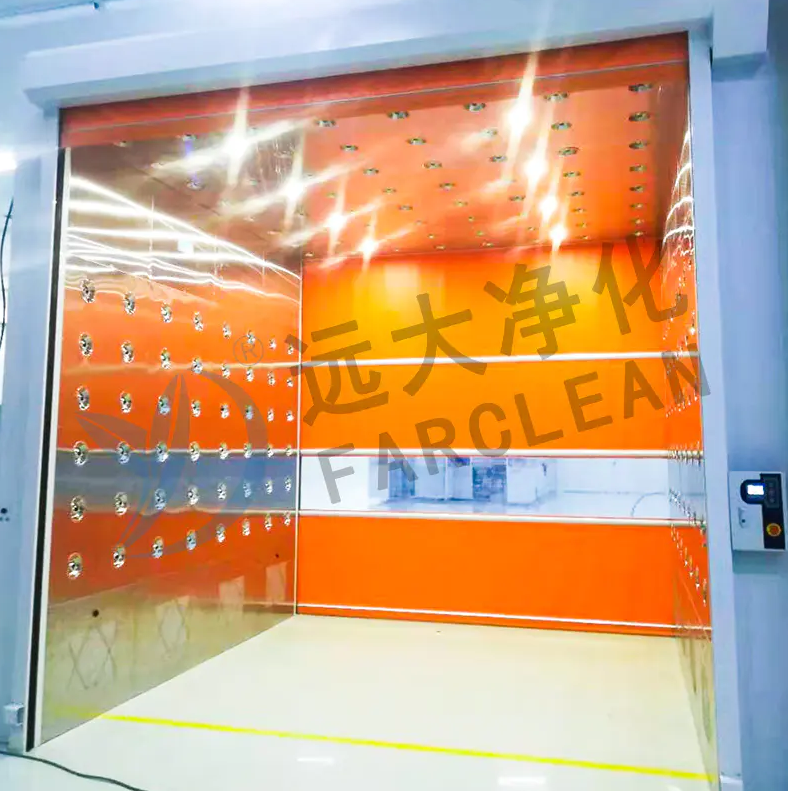
Pallets and carts are common examples. They can collect dust and loose particles while being stored, transported, or moved across working areas. If they enter a cleaner environment without suitable handling, those particles may become an unwanted source of contamination.
Whether a Cargo Air Shower is suitable depends on the size and shape of the load, the equipment layout, the required cleanliness process, and the way materials are moved through the facility. The goal is not simply to place a pallet inside a chamber. The complete transfer process needs to be considered.
Content
- 1 Why Would Pallets and Carts Need a Cargo Air Shower ?
- 2 How Does a Cargo Air Shower Handle Pallets?
- 3 Can a Cargo Air Shower Be Used for Carts?
- 4 What Makes Cargo Air Showers Different From Personnel Air Showers?
- 5 How Should Pallets and Carts Be Prepared Before Entering?
- 6 What Problems Can Affect Cargo Air Shower Use With Pallets and Carts?
- 7 How Can a Cargo Air Shower Fit Into a Material Transfer Workflow?
- 8 What Should Buyers Consider When Selecting a Cargo Air Shower?
Why Would Pallets and Carts Need a Cargo Air Shower ?
Pallets and carts spend much of their working life in active environments. They may move across warehouses, loading areas, production floors, and storage spaces. Along the way, their wheels, surfaces, corners, and undersides can collect dust and other loose particles.
A material transfer route can therefore create a challenge when a pallet or cart needs to enter a controlled area.
Air Shower can provide a designated transition space. Air is directed toward exposed surfaces while the load remains inside the chamber. The purpose is to help remove loose particles before the pallet or cart moves farther into the controlled environment.
This approach can make the transfer process easier to manage.
Instead of relying entirely on manual wiping, the facility can incorporate an air shower into its material movement route. The exact procedure still depends on the facility's cleanliness requirements and operating rules.
Several types of loads may be considered for this arrangement:
- Loaded pallets.
- Empty pallets.
- Material carts.
- Transport trolleys.
- Containers placed on carts.
- Larger equipment or movable items.
The suitability of each item depends on its physical design and the intended transfer process.
How Does a Cargo Air Shower Handle Pallets?
Pallets are different from people in both size and structure. They have broad surfaces, open spaces, corners, and areas that may be difficult to clean manually.
Air Shower provides an enclosed space where air can reach exposed areas of the load. When the pallet is positioned correctly, the process can address surfaces that may have collected loose particles during transport.
The arrangement of the chamber matters.
The pallet needs to enter without interfering with doors, air outlets, walls, or other internal components. The surrounding space should allow the cleaning process to work as intended.
A pallet may also carry boxes, containers, or other materials. These items can change the exposed surface area. The load arrangement therefore needs to be considered as part of the transfer procedure.
The facility may establish rules for how pallets should be positioned before entering the air shower. Loads that are packed too closely together may create areas that are shielded from the airflow.
A simple material preparation process can include:
- Inspecting the pallet before transfer.
- Removing loose debris where required.
- Arranging the load in a stable manner.
- Positioning the pallet correctly inside the chamber.
- Following the facility's established air shower procedure.
- Inspecting the load before it moves into the controlled area.
The air shower supports the process, but it does not remove the need for good material handling.
Can a Cargo Air Shower Be Used for Carts?
Carts are another practical application.
Unlike a pallet, a cart has wheels, handles, frames, shelves, and other structural areas. These surfaces may collect dust during routine movement. The wheels can be particularly important because they remain in contact with floors across different areas.
Air Shower can provide a controlled transition for the cart before it enters a cleaner space.
The design of the cart affects how easily it can pass through the chamber. A cart with a simple structure may expose more surfaces to the airflow. A cart carrying tightly packed items may require more careful positioning.
The wheels also deserve attention.
If the facility has strict cleanliness requirements, the transfer procedure may include additional wheel cleaning or other measures. An air shower should not automatically be viewed as a replacement for every cleaning activity.
| Item | Consideration Before Transfer |
|---|---|
| Pallet | Load arrangement and exposed surfaces |
| Cart | Wheels, frame, shelves, and handles |
| Loaded cart | Contents and areas hidden by the load |
| Empty cart | Overall surface condition |
| Large container | External surface and access for airflow |
The suitable approach depends on the facility's own procedures.
What Makes Cargo Air Showers Different From Personnel Air Showers?
The basic purpose is related, but the application is different.
A personnel air shower is built around the movement of people. Air Shower is intended for goods and equipment. This difference affects the chamber layout, door arrangement, internal space, and material transfer process.
A person can stand inside a relatively compact space and turn as instructed. A pallet or cart cannot move in the same way. It may require a wider entrance and a clear route for loading and unloading.
The chamber also needs to accommodate the shape of the material being transferred.
For example, a cart may have a tall handle or extended frame. A pallet may carry a large load that changes its overall profile. These factors influence how the air shower should be integrated into the facility.
| Personnel Air Shower | Cargo Air Shower |
|---|---|
| Designed around people | Designed around goods and equipment |
| Compact personal entry | Larger material transfer area |
| Human movement is considered | Pallet and cart movement is considered |
| Clothing and body surfaces are the focus | External load surfaces are the focus |
| Often connected to personnel access | Often connected to material access routes |
This distinction is useful when planning a cleanroom entrance or material transfer area. A personnel system should not simply be treated as a smaller version of a cargo system.
How Should Pallets and Carts Be Prepared Before Entering?
Preparation has a direct effect on the usefulness of the transfer process.
Air Shower Factory is not intended to deal with every type of dirt or material found on a pallet or cart. Large pieces of debris may need to be removed before the item enters the chamber.
Staff can inspect visible surfaces before transfer. If a pallet has loose packaging material or a cart has accumulated obvious debris, those issues can be addressed according to the facility's procedures.
Load arrangement is another consideration.
Boxes should not be placed in a way that blocks the entire external surface of a pallet. Carts should be arranged so that the airflow can reach the surfaces that need attention.
The condition of the load also matters.
Wet materials, leaking containers, damaged packages, or unsuitable items may require separate handling. The air shower should not be used as a substitute for correcting an obvious packaging or material problem.
A practical preparation checklist can include:
- Is the pallet or cart suitable for entry?
- Has visible loose debris been addressed?
- Is the load stable?
- Are external surfaces reasonably accessible?
- Are the wheels or contact areas suitable for the intended route?
- Is the item positioned correctly before the air shower process begins?
These checks can make material transfer more predictable.
What Problems Can Affect Cargo Air Shower Use With Pallets and Carts?
The biggest challenge is often the load itself.
A pallet may be heavily loaded. A cart may have multiple shelves. Containers can block surfaces and create sheltered areas. The airflow may not reach every part of a complex load equally.
This does not necessarily mean that the equipment is unsuitable. It means that the transfer procedure needs to reflect the actual load arrangement.
Another issue is chamber cleanliness.
The Air Shower itself needs regular cleaning and maintenance. If internal surfaces become dirty, the equipment may not support the intended cleanliness process.
Door operation can also affect workflow.
The material transfer route should be organized so that the pallet or cart moves through the designated areas in the correct sequence. Staff should understand how the doors are intended to operate and should avoid bypassing established procedures.
Common concerns include:
Incorrect load positioning.
The pallet or cart may be placed too close to internal surfaces or arranged in a way that blocks airflow.
Overloaded carts.
A large amount of material can create hidden surfaces and make the transfer process less effective.
Dirty wheels.
Wheels may bring material from less controlled floors into cleaner areas. Additional cleaning procedures may be required.
Poor chamber housekeeping.
Dust and debris inside the air shower can interfere with the cleanliness goals of the transfer area.
Inconsistent operating habits.
If different workers use different procedures, material transfer may become difficult to control.
How Can a Cargo Air Shower Fit Into a Material Transfer Workflow?
The air shower works most effectively when it is treated as part of the complete material route.
A facility may have a sequence that begins with receiving materials, followed by inspection, preparation, air shower transfer, and entry into a controlled area. The exact arrangement depends on the facility.
The physical location of the Air Shower matters.
If it is placed too far from the material entry point, staff may need to move the pallet or cart through additional areas before reaching the controlled zone. A suitable layout can help create a clearer transition between different cleanliness areas.
The doors are also part of the workflow.
Many air shower arrangements use controlled door operation to separate the different sides of the transfer area. Staff need to understand which side is used for incoming material and which side leads toward the cleaner area.
Clear movement rules can reduce confusion.
A material transfer workflow may look like this:
Receiving area → material inspection → preparation → Cargo Air Shower → controlled area → storage or production
The exact sequence may differ between facilities. What matters is that the air shower has a defined role rather than being treated as an isolated piece of equipment.
What Should Buyers Consider When Selecting a Cargo Air Shower?
Buyers should start with the materials that actually need to pass through the system.
A facility handling small carts will have different requirements from one moving large pallets. The dimensions, load arrangement, movement method, and available installation space all influence the choice.
The intended cleanliness process should also be clear.
Buyers can discuss how the equipment will be used with the supplier. This can include questions about pallet movement, cart access, door arrangement, cleaning, maintenance, and operator procedures.
| Selection Area | Question to Ask |
|---|---|
| Load type | What pallets, carts, or equipment will enter? |
| Load arrangement | Will the cargo be empty or loaded? |
| Access | Can materials enter and leave smoothly? |
| Internal layout | Can the load be positioned without blocking key areas? |
| Cleaning | How will the chamber and internal surfaces be maintained? |
| Workflow | Where will the air shower sit in the material route? |
| Operation | Can staff follow the procedure clearly? |
| Maintenance | Can routine inspection and servicing be managed easily? |
It is also useful to consider future material handling needs.
A facility may change the types of pallets, carts, or containers it uses. A system that only fits one narrow material arrangement may become less convenient when the workflow changes.
For that reason, buyers can look beyond the physical chamber itself. The relationship between the Cargo Air Shower, material handling equipment, personnel routes, storage areas, and controlled production spaces can have a direct effect on daily operation.