English
 русский
 Español
Content
- 1 What Is a Stainless Steel Traffic/Impact Door?
- 2 Why High-Traffic, Hygiene-Sensitive Areas Demand This Door Type
- 3 Core Structural Features That Enable Impact Resistance
- 4 Hygienic Design Elements That Support Sanitation Compliance
- 5 Comparing Stainless Steel Traffic Doors to Alternative Materials
- 6 Selecting the Right Door Specification for Your Facility
What Is a Stainless Steel Traffic/Impact Door?
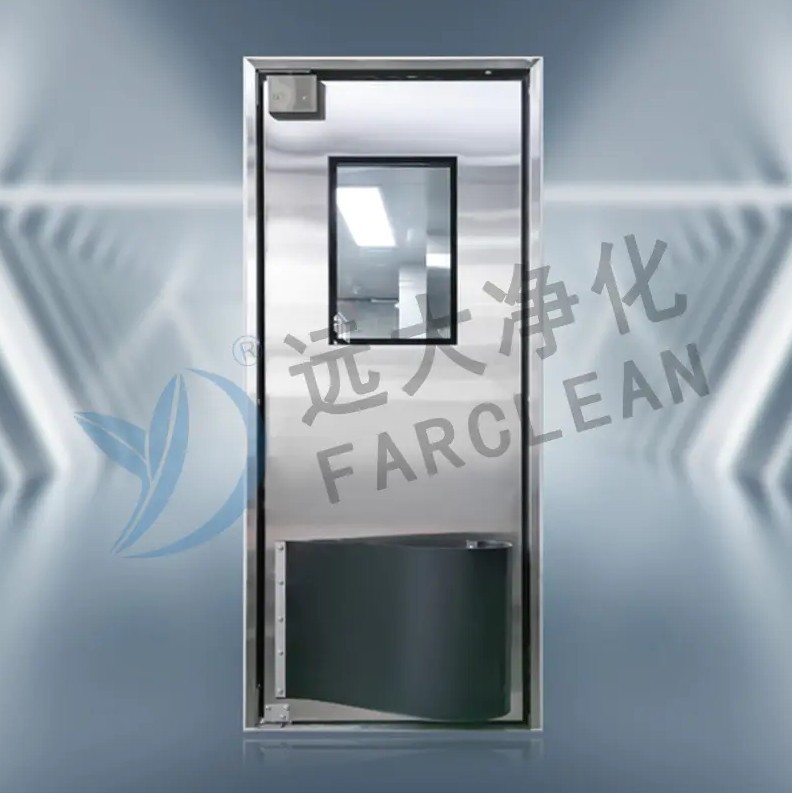
A stainless steel traffic/impact door is a swinging door system constructed from corrosion-resistant stainless steel panels mounted on a heavy-duty hinge or pivot mechanism that allows the door to swing freely in both directions and self-return to a closed position. Unlike standard hinged doors that open in a single direction, traffic/impact doors are engineered to withstand repeated, often forceful contact from forklifts, pallet jacks, carts, and personnel moving through the doorway without pausing to manually operate a handle or push plate. This design is essential in environments where continuous, hands-free movement through doorways is required throughout the working day.
The stainless steel construction distinguishes this door type from impact doors made of polyethylene, fiberglass, or coated steel. Stainless steel offers a combination of mechanical durability, chemical resistance, and surface hygiene that makes it the preferred material choice in facilities where both physical impact resistance and stringent sanitation standards must be satisfied simultaneously — a combination of requirements that few other door materials can meet at the same level of performance.
Why High-Traffic, Hygiene-Sensitive Areas Demand This Door Type
Facilities with high foot and vehicle traffic combined with strict sanitation requirements face a dual challenge that standard doors cannot adequately solve. A door that withstands constant physical impact but lacks hygienic surface properties becomes a contamination risk, while a door designed purely for cleanability often lacks the structural strength to survive thousands of daily impact cycles without warping, cracking, or hinge failure. Stainless steel traffic/impact doors are purpose-built to resolve this conflict by delivering both properties in a single integrated solution.
Typical Facility Types That Require These Doors
Food and beverage processing plants represent the largest application segment, where doors separating raw material receiving areas, processing rooms, packaging lines, and cold storage must endure constant forklift and cart traffic while meeting USDA, FDA, and HACCP sanitation requirements. Pharmaceutical and biotechnology manufacturing facilities require similarly robust doors between cleanroom zones, where both contamination control and frequent material transport intersect. Hospitals and healthcare facilities use these doors in central sterile processing departments, kitchens, and loading docks where infection control standards are non-negotiable. Commercial kitchens in large institutional settings — hospital cafeterias, hotel banquet kitchens, and correctional facility food services — also rely on this door type to manage constant staff and cart movement between prep, cooking, and dishwashing zones.
Core Structural Features That Enable Impact Resistance
The ability of a stainless steel traffic/impact door to survive years of continuous collision without structural failure depends on a combination of material selection, panel construction, and hardware engineering working together as an integrated system.
Panel Construction and Core Materials
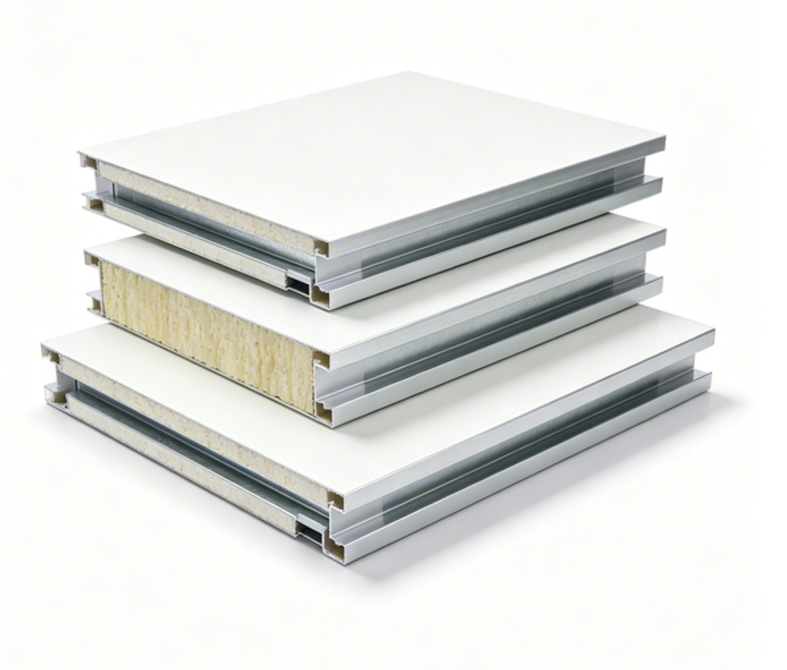
Most stainless steel traffic doors use a sandwich panel construction consisting of two stainless steel face sheets bonded to an internal core material. Common core options include rigid polyurethane foam, which provides thermal insulation valuable in temperature-controlled environments such as cold storage entries, and high-density polyethylene or honeycomb cores, which prioritize impact absorption and weight reduction over thermal performance. The face sheet gauge typically ranges from 18-gauge to 16-gauge stainless steel, with thicker gauges selected for the highest-impact applications such as forklift-heavy distribution centers.
Spring-Loaded Pivot and Hinge Systems
The hinge or pivot mechanism is arguably the most critical component determining a traffic door's long-term reliability. Heavy-duty spring-loaded pivot hardware, often rated for several million open-close cycles, allows the door to swing open under impact from either direction and automatically return to a centered, closed position without manual intervention. Premium pivot systems incorporate adjustable spring tension, allowing facility maintenance staff to fine-tune the closing force and speed based on door size, traffic volume, and the specific impact forces typical in that location. Cam-action closers, an alternative to coil spring designs, provide smoother, more controlled closing motion and are favored in applications where slamming noise or rapid door rebound must be minimized.
Impact-Resistant Vision Panels
Safety and operational visibility require most traffic doors to include a vision panel — a clear viewing window allowing personnel and equipment operators to see activity on the opposite side before passing through. These panels are typically constructed from impact-resistant polycarbonate or laminated safety glass rather than standard glass, set within a gasketed stainless steel frame that maintains the hygienic seal of the surrounding panel while withstanding the same impact forces as the door body itself.
Hygienic Design Elements That Support Sanitation Compliance
Beyond the inherent corrosion resistance of stainless steel itself, several specific design features distinguish a truly hygienic traffic door from a generic stainless-clad impact door.
- Seamless or Continuously Welded Seams: Joints between stainless panels and frame components are continuously welded and polished smooth rather than mechanically fastened, eliminating crevices where bacteria, moisture, and food residue could otherwise accumulate and resist standard cleaning procedures.
- Radiused Corners and Edges: All internal and external corners are rounded rather than sharp right angles, a design detail that both prevents injury from impact and removes the tight corners where cleaning brushes and sanitizing sprays cannot effectively reach.
- 304 or 316 Grade Stainless Steel: 304 stainless steel offers strong general corrosion resistance suitable for most food processing environments, while 316 grade — which contains added molybdenum — provides superior resistance to chloride exposure, making it the preferred choice for areas with frequent saltwater, brine, or aggressive chemical sanitizer use, such as seafood processing or pharmaceutical cleanrooms.
- Brush Finish Surface Treatment: A satin or brushed surface finish is generally preferred over a highly reflective mirror polish in food production environments, as it reduces glare under bright processing area lighting while still maintaining a smooth, easily wiped surface that does not harbor contaminants in microscopic surface irregularities.
- Bottom Sweep and Sealing Gaskets: Removable or replaceable rubber sweeps and door perimeter gaskets prevent pest entry and air infiltration between hygiene zones while remaining easy to remove for periodic deep cleaning or replacement when worn.
Comparing Stainless Steel Traffic Doors to Alternative Materials
Facility managers evaluating traffic door options often compare stainless steel against other commonly used impact door materials. The table below summarizes how these materials perform across the criteria most relevant to high-traffic, hygiene-sensitive installations.
| Material | Impact Resistance | Hygiene Rating | Chemical Resistance | Service Life |
| Stainless Steel (304/316) | Excellent | Excellent | Excellent | 15–25 years |
| High-Density Polyethylene | Good | Good | Good | 8–12 years |
| Fiberglass Reinforced Panel | Moderate | Moderate | Moderate | 6–10 years |
| Coated Mild Steel | Good | Poor (coating wears) | Poor | 5–8 years |
| Aluminum | Fair | Good | Good | 10–15 years |
Selecting the Right Door Specification for Your Facility
Choosing the correct stainless steel traffic/impact door specification requires matching the door's construction details to the actual operating conditions of the installation location. A door undersized for its traffic volume or impact forces will experience premature hinge failure, panel delamination, or warping, while an oversized specification represents unnecessary capital expense.
Assessing Traffic Volume and Impact Source
Facilities should quantify both the frequency of door passage and the type of traffic generating impact. A doorway used primarily by foot traffic with occasional hand cart passage requires a lighter-duty specification than a doorway subject to constant forklift traffic carrying loaded pallets. Suppliers typically categorize doors by cycle rating — the number of open-close cycles the hinge and panel assembly is engineered to withstand before requiring major maintenance — with standard-duty doors rated around 500,000 cycles and heavy-duty industrial models rated above 2 million cycles.
Matching Stainless Grade to Environmental Exposure
As outlined earlier, 304 stainless steel suffices for the majority of dry processing and general hygiene environments, but facilities exposed to chlorine-based sanitizers, brine solutions, or coastal humidity should specify 316 grade to prevent pitting corrosion over the door's service life. Specifying the wrong grade is one of the most common and costly mistakes in traffic door procurement, often only becoming apparent after several years of service when surface corrosion begins to compromise both appearance and the integrity of welded seams.
Insulation Requirements for Temperature-Controlled Transitions
Doorways separating spaces with significant temperature differentials — such as a doorway between ambient processing areas and a refrigerated cooler or freezer — require doors with insulated foam cores rated to the specific temperature differential involved. Insufficient insulation in these applications leads to condensation buildup on the door surface, which not only creates a slip hazard but also promotes microbial growth that directly undermines the hygienic purpose of the installation.
Maintenance Planning for Long-Term Performance
Even the most robust stainless steel traffic door requires a structured maintenance program to achieve its full rated service life. Facility maintenance teams should establish a routine inspection schedule covering hinge tension, gasket condition, vision panel integrity, and weld seam inspection for early signs of fatigue cracking under repeated impact stress.
- Inspect and lubricate pivot hinges on a monthly basis in high-cycle applications to maintain consistent closing force and prevent premature bearing wear.
- Replace bottom sweep gaskets and perimeter seals at the first sign of cracking or compression set, typically every 12 to 18 months in continuous-use installations.
- Conduct quarterly visual inspections of all welded seams and panel edges to identify stress cracking before it progresses to structural panel failure.
- Verify vision panel clarity and frame seal integrity regularly, replacing scratched or fogged panels promptly to maintain the visibility necessary for safe traffic flow.
Facilities that integrate these inspection routines into their existing preventive maintenance schedules consistently report longer door service life and fewer unplanned hardware failures, ensuring that the door continues to deliver both the impact resilience and sanitation compliance that high-traffic, hygiene-critical operations depend on every day.