English
 русский
 Español
Inside a clean room, even small design details can influence how the environment performs over time. Walls, doors, ceilings, lighting panels, and windows all contribute to how stable and manageable the space becomes during daily operation.
Among these elements, windows are often discussed in terms of visibility or lighting. Yet in controlled environments, surface structure matters just as much as transparency. This is why seamless surface designs have become closely associated with modern clean room window systems.
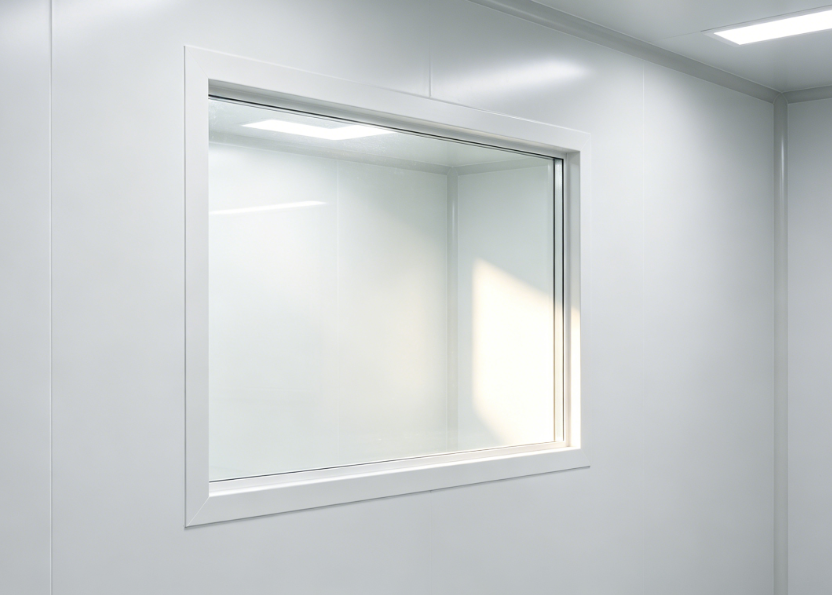
The idea sounds simple. A smoother surface leaves fewer interruptions. In practice, though, that simplicity affects cleaning routines, airflow behavior, maintenance work, and contamination control in ways that become noticeable over long periods of use.
Content
- 1 What does a seamless surface design actually mean?
- 2 Why do surface gaps become a concern in clean rooms?
- 3 How do seamless surfaces support cleaning routines?
- 4 Why does airflow stability relate to window design?
- 5 How do seamless designs affect long-term maintenance?
- 6 Why are surface transitions important around clean room windows?
- 7 How do seamless surfaces support contamination control?
- 8 Why do modern clean room projects prefer integrated window designs?
- 9 How does material finishing influence seamless performance?
- 10 Why does visual simplicity matter in controlled environments?
- 11 How do seamless Clean Room Window Manfuacturer support workflow efficiency?
- 12 Why are seamless surfaces becoming more common in clean room construction?
What does a seamless surface design actually mean?
In ordinary construction, small joints, edges, exposed frames, and uneven transitions are common. In a clean room, those same details can become difficult areas during cleaning or environmental control.
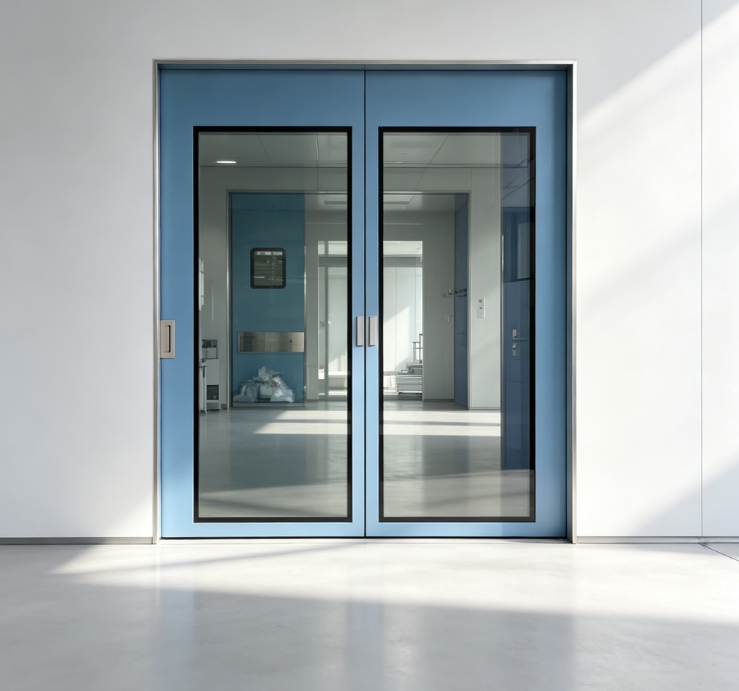
A seamless surface design generally refers to a window structure where visible gaps, uneven joints, and protruding sections are minimized as much as possible.
Instead of creating multiple interrupted surfaces, the design aims for a flatter and more continuous appearance.
In real facilities, this often means:
- smoother transitions between wall and window
- fewer exposed connection points
- reduced edge buildup areas
- cleaner surface alignment with surrounding panels
The purpose is not decorative styling. It is about making the surrounding environment easier to control and maintain.
Why do surface gaps become a concern in clean rooms?
In normal buildings, small surface gaps may not attract much attention. Inside a clean room, they become more noticeable because controlled environments depend heavily on consistency.
Tiny openings or uneven joints can create areas where particles, dust, or moisture gradually collect.
The problem is usually not dramatic at the beginning. It develops slowly through daily operation.
Common concerns include:
- buildup around exposed edges
- difficult-to-clean corners
- trapped particles near joints
- uneven airflow near surface interruptions
| Surface condition | Possible effect |
|---|---|
| Exposed joint | Dust accumulation |
| Uneven edge | Cleaning difficulty |
| Recessed section | Moisture retention |
| Protruding frame | Airflow disruption |
Over time, these small areas can increase cleaning workload and make environmental control more complicated.
How do seamless surfaces support cleaning routines?
Cleaning is one of the repetitive activities inside controlled environments. Surfaces are wiped, inspected, and maintained regularly, sometimes several times within the same working period.
When surfaces contain fewer interruptions, cleaning becomes more direct.
A seamless window structure supports cleaning by:
- reducing areas where particles may settle
- allowing smoother wiping motion
- minimizing hidden corners
- simplifying visual inspection after cleaning
In real use, operators often notice the difference during routine maintenance rather than during installation.
A smooth surface may only save a few seconds during one cleaning cycle, but across repeated daily routines, those small differences become more significant.
Why does airflow stability relate to window design?
Air movement inside a clean room is carefully controlled. Even though windows appear passive, their surface structure can still influence how air behaves around them.
Sharp edges, recessed frames, or uneven surfaces may interrupt airflow patterns near the wall area.
Seamless surface designs help reduce this disruption by creating flatter transitions between components.
This can support:
- smoother air movement across surfaces
- fewer turbulence points near windows
- more predictable airflow behavior
- reduced accumulation around interrupted areas
The effect may appear subtle, but controlled environments often depend on many small design decisions working together.
How do seamless designs affect long-term maintenance?
Maintenance teams in clean room facilities often deal with repetitive inspection and upkeep tasks. Surface condition becomes important because difficult areas usually require more attention over time.
When windows contain multiple exposed seams or uneven transitions, maintenance becomes slower and more detailed.
Seamless designs help reduce some of that pressure by creating surfaces that are easier to monitor visually and physically.
In practice, this may help with:
- faster routine inspections
- easier cleaning verification
- reduced surface wear around edges
- simpler maintenance procedures
The benefit is often connected to consistency rather than dramatic change.
Why are surface transitions important around clean room windows?
One detail frequently overlooked is the transition area between the window and the surrounding wall system.
In clean rooms, this connection point matters because it joins two major surfaces inside the controlled environment.
If the transition is uneven, several issues may appear:
- cleaning cloths catching along edges
- visible particle buildup near joints
- uneven pressure during maintenance
- difficulty maintaining smooth airflow across the wall surface
Seamless transitions help reduce these interruptions by creating a more continuous surface relationship between wall and window.
The result is not just visual uniformity. It also affects how the area behaves during daily operation.
How do seamless surfaces support contamination control?
Contamination control is rarely achieved through one single feature. It usually depends on many small design choices working together.
Smooth window surfaces contribute by reducing locations where unwanted material can settle or remain hidden.
This supports contamination control through:
- easier cleaning access
- fewer recessed collection points
- reduced particle retention near edges
- more consistent environmental maintenance
| Design feature | Operational impact |
|---|---|
| Flat surface | Easier wipe-down process |
| Reduced joints | Lower accumulation risk |
| Smooth transition | More stable airflow behavior |
| Continuous structure | Simplified maintenance |
In many facilities, contamination prevention is closely tied to how manageable surfaces remain during everyday use.
Why do modern clean room projects prefer integrated window designs?
As clean room construction has evolved, there has been a noticeable shift toward more integrated interior systems. Walls, doors, lighting, and windows are increasingly designed to appear connected rather than assembled from visibly separate sections.
This approach supports both operational control and visual consistency.
Integrated window systems are often preferred because they:
- blend more smoothly into wall panels
- reduce exposed installation areas
- simplify surface maintenance
- create more predictable environmental behavior
The preference is not only architectural. It is also practical for long-term facility operation.
How does material finishing influence seamless performance?
A seamless design depends not only on shape, but also on how surfaces are finished.
Even if joints are minimized, rough textures or uneven coatings can still create cleaning difficulties.
In practice, facilities often pay attention to:
- surface smoothness after installation
- edge consistency between connected areas
- resistance to visible wear over time
- ease of visual inspection under lighting conditions
A surface may appear smooth from a distance but behave differently during routine maintenance.
This is why finishing quality remains part of the discussion around seamless window systems.
Why does visual simplicity matter in controlled environments?
Clean room environments are often visually minimal. At glance, this appearance may seem mostly aesthetic, but it also supports operational clarity.
Simple surfaces make it easier to notice:
- dirt or residue
- surface damage
- condensation buildup
- irregular cleaning patterns
When windows follow the same seamless design approach as surrounding walls, the entire area becomes easier to inspect visually.
This can help staff respond more quickly when conditions change.
How do seamless Clean Room Window Manfuacturer support workflow efficiency?
Small design details can influence how smoothly daily tasks are completed.
If cleaning takes longer, inspection becomes more difficult, or maintenance requires extra attention around window edges, workflow gradually slows down.
Seamless window designs support efficiency by reducing unnecessary interruptions during routine work.
This may include:
- quicker wipe-down procedures
- easier inspection during maintenance rounds
- fewer difficult cleaning points
- more consistent surface condition over time
The improvements are often subtle, but they accumulate through repeated daily use.
Why are seamless surfaces becoming more common in clean room construction?
Modern clean room facilities place growing attention on long-term operational stability. Instead of focusing only on installation, designers increasingly consider how spaces will behave after years of cleaning, maintenance, and continuous use.
Seamless surface designs fit this direction because they support:
- simpler environmental management
- smoother maintenance routines
- reduced surface interruption points
- cleaner integration between structural elements
As clean room environments continue evolving, window systems are no longer treated as isolated components. They are becoming part of a broader strategy focused on surface continuity, environmental stability, and practical daily operation.