English
 русский
 Español
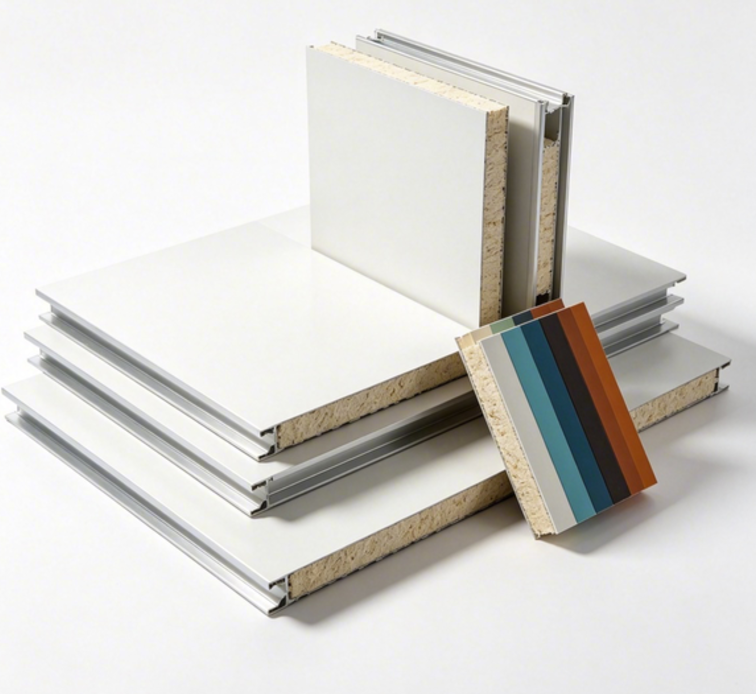
Cleanroom construction has always followed a different logic from conventional building work. The focus is not only on structure, but also on control. Control of air, control of surfaces, control of movement, and control of long-term stability. As cleanroom applications continue to expand across manufacturing, research, and specialized production environments, material choices are receiving renewed attention. Among these choices, polyphen sandwich panels are increasingly discussed as a practical option for cleanroom projects.
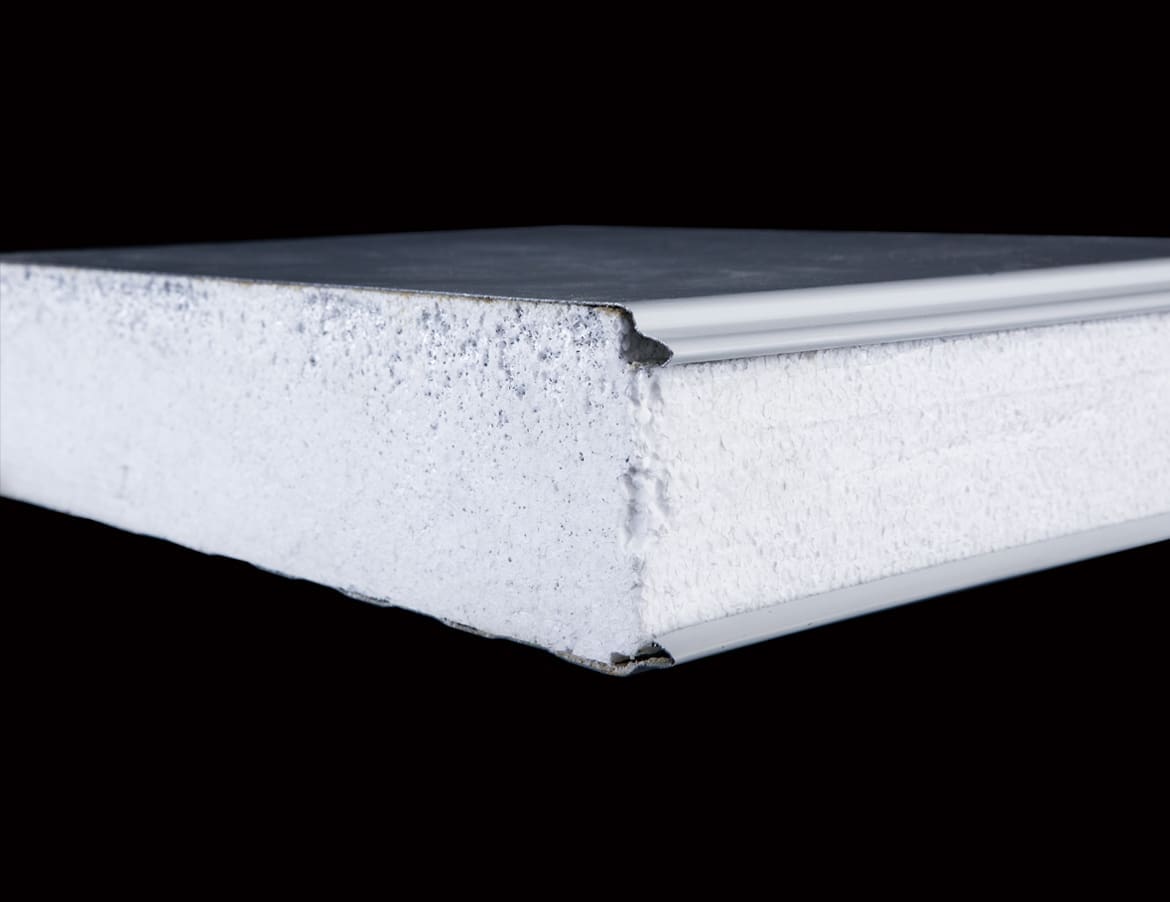
This growing interest is not driven by a single feature. It comes from how these panels fit into the broader cleanroom system. Their role is often quiet, but essential. Walls and ceilings shape airflow. Surfaces influence cleanliness. Assembly methods affect construction speed and future maintenance. Sandwich panels align with these needs in ways that feel intentional rather than incidental.
Understanding why they are considered suitable requires looking beyond surface descriptions and focusing on how cleanrooms actually function day to day.
Content
- 1 How Do Cleanroom Requirements Shape Material Selection?
- 2 Why Does Surface Integrity Matter So Much in Cleanrooms?
- 3 How Does Panel Structure Support Cleanroom Stability?
- 4 Why Is Cleanroom Compatibility About More Than Cleanliness?
- 5 How Do Polyphen Sandwich Panels Influence Airflow Behavior?
- 6 Why Is Joint Design a Critical Consideration?
- 7 How Does Installation Approach Affect Cleanroom Outcomes?
- 8 Why Is Moisture Behavior Important in Cleanroom Walls?
- 9 How Do These Panels Support Long-Term Maintenance?
- 10 Why Is Visual Consistency Relevant in Cleanroom Design?
- 11 How Do Polyphen Sandwich Panels Fit into Different Cleanroom Types?
- 12 What Role Does System Thinking Play in Panel Selection?
- 13 How Do Polyphen Sandwich Panels Compare to Traditional Wall Solutions?
- 14 Why Does Long-Term Reliability Matter More Than Initial Appearance?
- 15 How Do These Panels Support Evolving Cleanroom Practices?
- 16 Why Are Cleanroom Projects Increasingly Focused on Practical Performance?
How Do Cleanroom Requirements Shape Material Selection?
Cleanrooms are designed around consistency. Every material inside the space contributes to how stable that environment remains over time. Even small variations in surface behavior or assembly quality can introduce problems that spread quietly.
Material selection is influenced by several shared priorities:
- Predictable surface behavior
- Compatibility with controlled airflow
- Limited particle generation
- Ease of cleaning and inspection
- Long-term structural stability
Sandwich panels fit into this framework because they support these priorities without requiring complex adjustments elsewhere in the system. Rather than acting as a standalone solution, they work as part of an integrated environment.This compatibility makes them easier to specify, install, and maintain in cleanroom projects with varying layouts and operational demands.
Why Does Surface Integrity Matter So Much in Cleanrooms?
In a cleanroom, surfaces are not passive. They interact with air, light, cleaning processes, and daily movement. Any surface that traps particles, absorbs moisture, or degrades over time introduces risk.Panels are often valued for their smooth and stable outer layers. These surfaces are designed to remain consistent under routine cleaning. They resist common issues such as micro-fractures, uneven wear, or gradual surface breakdown.
From a practical perspective, this means:
- Fewer places for particles to settle
- More predictable cleaning outcomes
- Easier visual inspection
- Reduced surface-related maintenance
When surface integrity holds steady, the cleanroom environment becomes easier to manage as a whole. Maintenance teams spend less time correcting small issues that can quietly affect cleanliness.
How Does Panel Structure Support Cleanroom Stability?
The internal structure of a panel influences more than strength. It affects vibration behavior, alignment, and how the wall or ceiling responds to pressure changes.
Panels are designed with a balanced internal composition. This balance helps the panel maintain its shape once installed. In cleanrooms, where even slight distortions can affect sealing or airflow patterns, this stability matters.
Stable panels contribute to:
- Consistent wall alignment
- Reliable joint performance
- Reduced movement over time
- Better integration with doors and windows
When panels remain steady, the cleanroom envelope stays intact. This supports both cleanliness and operational efficiency without requiring frequent adjustments.
Why Is Cleanroom Compatibility About More Than Cleanliness?
Cleanrooms are controlled environments, but they are also working spaces. People move through them. Equipment is installed and adjusted. Processes evolve.
Materials must support these realities without compromising environmental control. Sandwich panels are often selected because they offer a balance between control and flexibility.
This balance shows up in several ways:
- Panels can be adapted to different layouts
- Openings for utilities can be planned cleanly
- Future modifications are easier to manage
- Visual uniformity supports professional environments
Rather than limiting design options, these panels allow cleanroom planners to think ahead. Spaces can evolve without starting from scratch.
How Do Polyphen Sandwich Panels Influence Airflow Behavior?
Airflow is central to cleanroom performance. Walls and ceilings guide how air enters, moves, and exits the space. Any irregularity can create unwanted turbulence or stagnant zones.
The flat, uniform surfaces associated with Sandwich panels support controlled airflow. When installed correctly, they create continuous planes that work with air systems rather than against them.
This contributes to:
- Smoother airflow paths
- Reduced disruption at wall junctions
- Better alignment with ceiling systems
- More predictable environmental behavior
By supporting airflow design, these panels help maintain the cleanroom's intended performance without requiring constant fine-tuning.
Why Is Joint Design a Critical Consideration?
In cleanroom construction, joints deserve as much attention as panels themselves. Poorly designed or installed joints can undermine an otherwise careful build.
Panels are often paired with joint systems that focus on continuity. Tight connections reduce gaps and limit areas where particles can accumulate.
Key benefits of thoughtful joint integration include:
- Cleaner transitions between panels
- Improved sealing performance
- Easier cleaning at intersections
- More consistent appearance
When joints perform well, the cleanroom envelope feels cohesive. This cohesion supports both hygiene and long-term durability.
How Does Installation Approach Affect Cleanroom Outcomes?
Cleanroom projects are sensitive to timelines and coordination. Installation methods that reduce complexity are often preferred, as they limit disruption and error.
Panels are generally designed for straightforward assembly. Their modular nature supports efficient installation without extensive on-site modification.
This approach offers several advantages:
- Shorter construction periods
- Reduced site contamination risks
- Clear sequencing during installation
- Easier quality control
A cleaner installation process supports the cleanroom goal from the very beginning. Fewer disruptions during construction mean fewer issues to address later.
Why Is Moisture Behavior Important in Cleanroom Walls?
Moisture affects cleanliness, surface integrity, and comfort. In cleanrooms, uncontrolled moisture can to condensation or surface changes that interfere with operations.
Sandwich panels are often selected for their predictable moisture behavior. Their structure supports stable performance in environments where humidity must be carefully managed.
This stability helps:
- Maintain surface condition over time
- Reduce condensation risks
- Support consistent indoor conditions
- Protect adjacent systems
Moisture control is rarely visible when it works well. Panels that support this invisibly are often the valued.
How Do These Panels Support Long-Term Maintenance?
Cleanrooms are not static spaces. Over years of use, maintenance becomes part of daily life. Materials that simplify this process reduce operational stress.
Sandwich panels are generally easy to inspect and clean. Their surfaces allow routine procedures without special treatment.
Maintenance advantages often include:
- Simple cleaning routines
- Clear visibility of surface condition
- Reduced need for surface repairs
- Predictable aging behavior
When maintenance is straightforward, cleanroom operators can focus on processes rather than infrastructure.
Why Is Visual Consistency Relevant in Cleanroom Design?
While cleanliness is the primary goal, visual order also plays a role. A consistent appearance supports inspection, staff confidence, and professional standards.
Sandwich panels offer uniform finishes that align well with cleanroom aesthetics. This uniformity helps create spaces that feel controlled and intentional.
Visual consistency supports:
- Easier detection of surface issues
- Clear zoning within facilities
- Professional working environments
- Confidence during audits or visits
Cleanrooms benefit when form supports function without distraction.
How Do Polyphen Sandwich Panels Fit into Different Cleanroom Types?
Cleanrooms vary widely. Some focus on production. Others support research or testing. Despite these differences, core environmental principles remain similar.
Panels adapt well across different cleanroom categories because they support the same foundational needs:
- Clean surfaces
- Stable structure
- Controlled airflow
- Flexible layout
This adaptability makes them suitable for facilities that may change purpose or scale over time.
What Role Does System Thinking Play in Panel Selection?
Cleanroom design is rarely about individual components. It is about systems working together. Panels, ceilings, floors, and air handling systems must align.
Panels are often chosen because they integrate smoothly into these systems. Their predictable behavior simplifies coordination across disciplines.
System-level benefits include:
- Easier design coordination
- Reduced compatibility issues
- Clear installation workflows
- Consistent performance across zones
When materials support system thinking, cleanroom projects become easier to manage from planning through operation.
How Do Polyphen Sandwich Panels Compare to Traditional Wall Solutions?
Traditional wall solutions may work well in general buildings, but cleanrooms demand more control. Differences become clear when comparing key characteristics.
| Aspect | Traditional Wall Systems | Polyphen Sandwich Panels |
|---|---|---|
| Surface consistency | Variable | Stable |
| Installation process | Labor intensive | Modular |
| Cleaning efficiency | Mixed | Predictable |
| Joint performance | Dependent on finish | Integrated |
| Long-term behavior | Gradual variation | Consistent |
This comparison highlights why cleanroom planners often look beyond conventional approaches.
Why Does Long-Term Reliability Matter More Than Initial Appearance?
Cleanrooms are investments. Their value depends on how well they perform over time, not just how they look at handover.
Sandwich panels are often appreciated for how they age. Rather than changing unpredictably, they maintain their core characteristics.
Long-term reliability supports:
- Stable operating conditions
- Lower corrective maintenance
- Confidence in compliance
- Reduced lifecycle disruption
When materials remain dependable, cleanroom environments remain easier to control.
How Do These Panels Support Evolving Cleanroom Practices?
Cleanroom practices evolve as processes change. Flexibility becomes an asset rather than a compromise.
Sandwich panels allow modifications without undermining the entire structure. Openings can be adjusted. Layouts can be refined.
This adaptability supports:
- Process upgrades
- Equipment changes
- Layout optimization
- Future expansion
Rather than limiting change, the panels accommodate it in a controlled way.
Why Are Cleanroom Projects Increasingly Focused on Practical Performance?
The cleanroom sector continues to move toward practical performance over abstract claims. Materials are judged by how they behave in real environments.
Sandwich panels are considered suitable because they align with this mindset. They do not rely on novelty. They rely on consistency.
Their growing presence in cleanroom discussions reflects a broader shift toward materials that quietly support performance without demanding attention.
By focusing on surface behavior, structural stability, airflow compatibility, and maintenance practicality, these panels fit naturally into cleanroom projects where control matters more than complexity.