English
 русский
 Español
Step into any well-run cleanroom and you'll notice something — the walls aren't just there to hold the room together. They're actively doing work, defining exactly where production happens versus where inspection happens versus where materials get staged. In healthcare, pharma, electronics manufacturing, and lab settings, that kind of clear separation isn't a design preference. It's a genuine operational requirement.
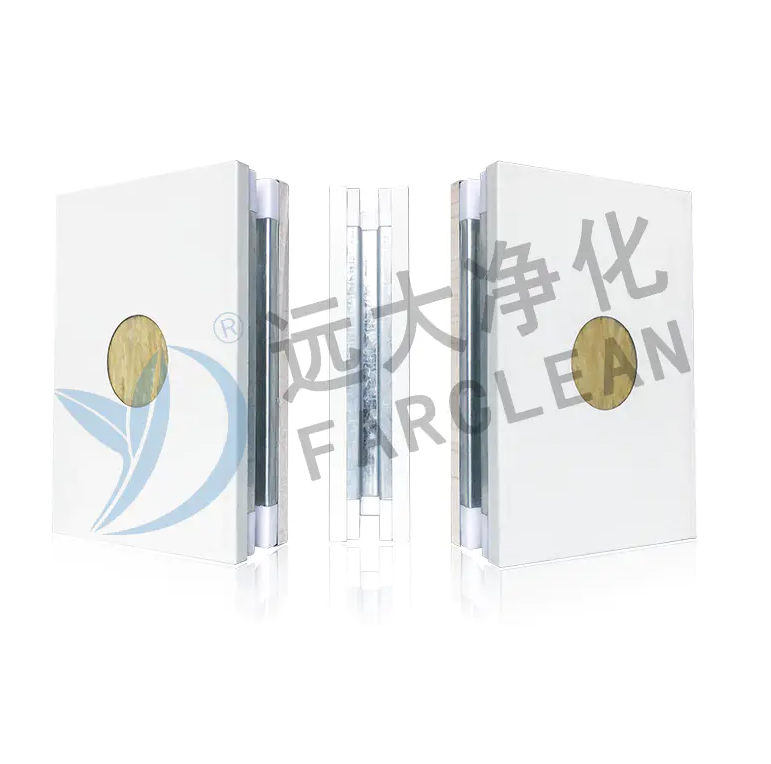
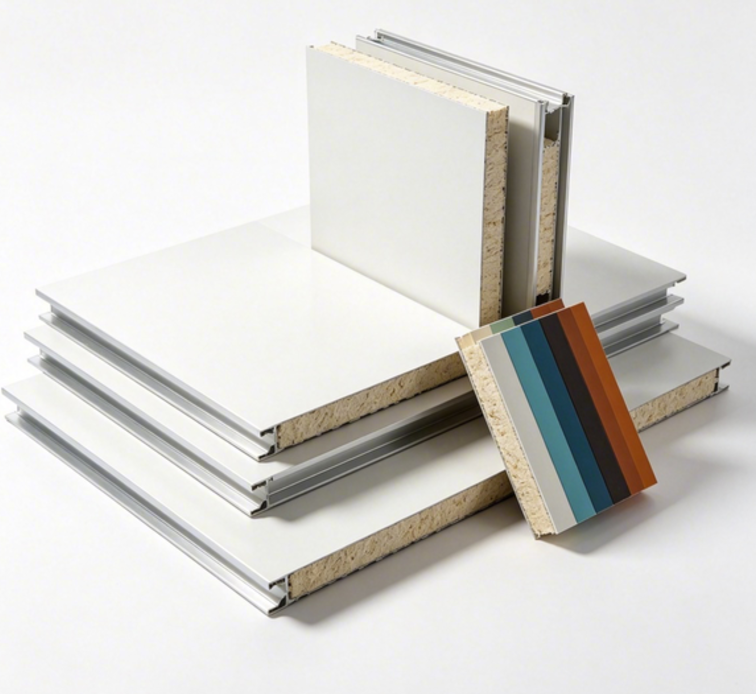
Cleanroom wall partitions carry a lot of that responsibility. They're the physical infrastructure that turns a big open shell of a room into something functional — organized zones that actually support how work happens, rather than a single undifferentiated space where everything blurs together.
But not every partition system delivers on that equally well. Some hold up to years of daily use and repeated cleaning cycles; others start showing wear or losing their usefulness surprisingly fast. Knowing what actually separates a genuinely reliable partition system from a mediocre one matters a lot before committing to a build-out.
Content
- 1 Why Are Cleanroom Wall Partitions Important for Controlled Environments?
- 2 What Material Features Should Cleanroom Wall Partitions Provide?
- 3 How Do Cleanroom Wall Partitions Improve Space Organization?
- 4 What Design Features Make Cleanroom Wall Partitions Reliable?
- 5 How Do Cleanroom Wall Partitions Support Better Workflow Management?
- 6 Where Are Cleanroom Wall Partitions Commonly Used?
- 7 How Should Businesses Choose Reliable Cleanroom Wall Partitions?
- 8 How Are Cleanroom Wall Partitions Supporting Modern Facility Development?
Why Are Cleanroom Wall Partitions Important for Controlled Environments?
Cleanrooms demand a lot more than just walls that happen to separate two areas. Every element inside needs to actively support organized, efficient operation — and partitions are right at the center of that.
They define the boundaries between production zones, prep areas, storage sections, and whatever other functional spaces a facility needs, giving structure to what would otherwise be one undifferentiated room.
Reliable partitions tend to help facilities:
- Build genuinely organized layouts
- Keep workflow management tighter and more predictable
- Make smarter use of available space
- Maintain consistently cleaner working conditions
- Adjust the layout later without a major overhaul
A cleanroom really only works well when all its components — partitions included — function together as a system rather than isolated pieces. Get the partitions right, and daily operations tend to run noticeably smoother, with enough built-in flexibility to adapt as needs shift down the line.
What Material Features Should Cleanroom Wall Partitions Provide?
Material choice is probably the single consequential decision in picking cleanroom partitions — everything else tends to follow from getting this part right.
| Material Feature | Application Benefit |
|---|---|
| Durable structure | Supports long-term daily use |
| Smooth surface | Helps simplify cleaning processes |
| Stable performance | Supports consistent environmental management |
| Flexible design | Allows different layout requirements |
The surface finish deserves particular attention here. A partition that's awkward to clean or that traps debris in seams and edges creates ongoing headaches for maintenance staff — exactly the kind of friction a well-designed panel should be eliminating, not adding.
Get the material right, and the whole cleanroom experience improves noticeably — partitions that genuinely fit the environment contribute to a workspace that feels organized and functions efficiently, rather than fighting against daily use.
How Do Cleanroom Wall Partitions Improve Space Organization?
Keeping different activities properly separated is one of the more persistent challenges in controlled environments, and partitions offer a genuinely practical way to solve it.
They help carve out distinct zones for things like:
- Production activities
- Equipment placement
- Material preparation
- Quality inspection
- General staff movement
When the boundaries between these areas are actually clear, workers intuitively understand where specific tasks belong — which cuts down on confusion and unnecessary movement across the floor.
Flexible partition systems add another layer of value here too, since they let facilities reconfigure that organization later without a full renovation — a real advantage in environments where operational needs rarely stay fixed for long.
What Design Features Make Cleanroom Wall Partitions Reliable?
A partition system that's actually reliable needs to hold up for both today's operations and whatever changes come down the line — design plays a huge role in whether it can do that.
Flexible layout support
Requirements shift over time, and a good partition system should accommodate that without triggering a major disruption every time something needs to change.
Practical installation
The system should integrate smoothly into the construction process itself, rather than complicating project timelines and management.
Functional space separation
Partitions need to create genuinely clear zones while still keeping the overall environment comfortable and workable for the people inside it.
Visual consistency
A clean, cohesive look contributes to how professionally a facility presents itself, and honestly, tends to correlate with easier ongoing management too.
Good design here isn't primarily about aesthetics — it's about building a space that genuinely works well for the people using it every single day.
How Do Cleanroom Wall Partitions Support Better Workflow Management?
Workflow efficiency comes down largely to whether a facility's layout actually matches how work gets done inside it. Get that alignment right, and operations run a lot more smoothly.
Improved movement planning
Clearly separated areas let both people and materials move through the space in a more organized, predictable way.
Better task coordination
Defined boundaries make it obvious to teams where specific activities are supposed to happen.
Easier facility monitoring
An organized layout simplifies overseeing different sections of the cleanroom, rather than trying to track everything happening in one big undivided space.
More efficient space use
Partitions let facilities squeeze more functional value out of existing square footage, without needing costly physical expansion.
A thoughtfully divided cleanroom tends to translate into a genuinely better day-to-day experience for everyone working inside it — not just a cleaner floor plan on paper.
Where Are Cleanroom Wall Partitions Commonly Used?
Controlled environments show up across a lot of different industries, and while the specific priorities shift, the underlying need for organized space stays consistent.
| Industry | Application Purpose |
|---|---|
| Healthcare | Creating controlled working areas |
| Pharmaceutical facilities | Supporting organized production spaces |
| Electronics manufacturing | Managing sensitive work environments |
| Laboratories | Dividing research and testing areas |
| Food processing | Supporting cleaner production layouts |
Each of these industries has its own particular demands, but a well-designed partition solution flexes to fit whichever environment it's dropped into — that adaptability is exactly what makes wall partitions useful across such a wide range of applications.
How Should Businesses Choose Reliable Cleanroom Wall Partitions?
Picking the right partitions really comes down to understanding a facility's specific needs rather than defaulting to whatever's common or cheapest.
Application requirements
The intended use of the cleanroom should be the starting point that shapes every other decision about the partition system.
Maintenance needs
Think through realistically how easy the partitions will be to clean and manage as part of routine daily operations.
Future flexibility
A good system leaves room to adjust the layout later, rather than locking a facility into whatever configuration made sense on day one.
Overall facility planning
Partitions shouldn't be chosen in isolation — they need to work well alongside every other element of the cleanroom's design.
Weighing these considerations together tends to steer businesses toward a partition system that genuinely fits how their facility actually operates, not just one that checks boxes on a spec sheet.
How Are Cleanroom Wall Partitions Supporting Modern Facility Development?
Facility design keeps trending toward flexibility, smarter space use, and tighter organization — and cleanroom construction is very much riding that same wave.
Partitions support this shift by offering a genuinely adaptable approach to space planning that doesn't lock facilities into rigid, hard-to-change layouts.
Current trends in facility planning tend to emphasize:
- Layouts that can adapt as needs evolve
- Smarter, more deliberate use of available space
- Maintenance processes that don't add unnecessary friction
- Stronger, more coherent workflow organization
As controlled environments keep growing more complex, partition systems are going to stay a core part of how cleanrooms get built and managed. Reliable cleanroom wall partitions give facilities both the structural foundation and the ongoing flexibility to build organized spaces that genuinely support modern industrial operations — not just today, but as those operations keep evolving.