English
 русский
 Español
Content
- 1 Why Do Cleanroom Windows Deserve More Attention in Facility Maintenance?
- 2 What Makes Cleanroom Windows Different From Regular Windows?
- 3 How Does Surface Clouding Develop Over Time?
- 4 Why Do Seals Begin to Fail?
- 5 What Causes Internal Fogging?
- 6 How Do Cleaning Practices Affect Window Lifespan?
- 7 Why Do Frames Shift or Loosen?
- 8 How Does Daily Operation Impact Window Integrity?
- 9 What Happens When Installation Tolerances Are Overlooked?
- 10 Why Does Condensation Appear Around Window Edges?
- 11 How Can Small Defects Lead to Larger Facility Concerns?
- 12 What Inspection Points Should Facilities Monitor Regularly?
- 13 How Do Replacement Decisions Typically Arise?
- 14 How Does Training Influence Window Condition?
- 15 What Patterns Are Emerging Across Modern Facilities?
- 16 Why Are Cleanroom Windows Receiving More Industry Attention?
Why Do Cleanroom Windows Deserve More Attention in Facility Maintenance?
Cleanroom windows often fade into the background of controlled environments. They sit quietly within wall panels, allowing visibility between spaces. Yet their condition affects safety, workflow, and environmental control more than many teams realize.
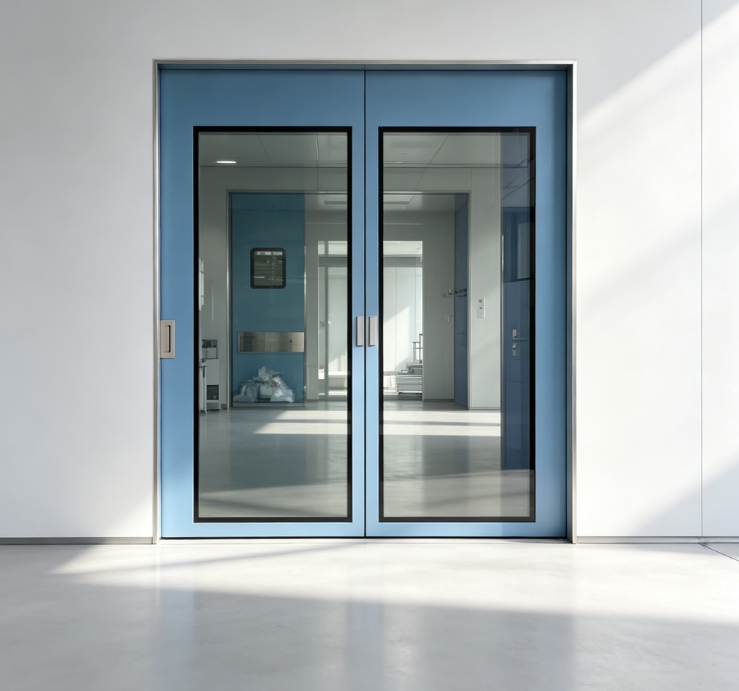
Unlike standard windows, windows operate inside carefully managed spaces. Every surface matters. Every seam counts. Over time, even small changes can influence how a room performs.Facility managers increasingly recognize that windows are not passive elements. They age. They shift. They react to cleaning routines, daily pressure changes, and constant use.Understanding common issues helps teams act early instead of responding after problems appear.
What Makes Cleanroom Windows Different From Regular Windows?
Windows are purpose-designed for environments that demand near-total control over airborne particles, microbes, and contaminants—places where even the smallest amount of dust or moisture can ruin sensitive processes. They stand in sharp contrast to everyday windows found in homes, offices, schools, or typical commercial spaces.
The fundamental priority in their design is to remove every possible place where contaminants could collect or hide, while still allowing safe visual observation across different zones without breaking the controlled atmosphere.
The main features that set them apart include:
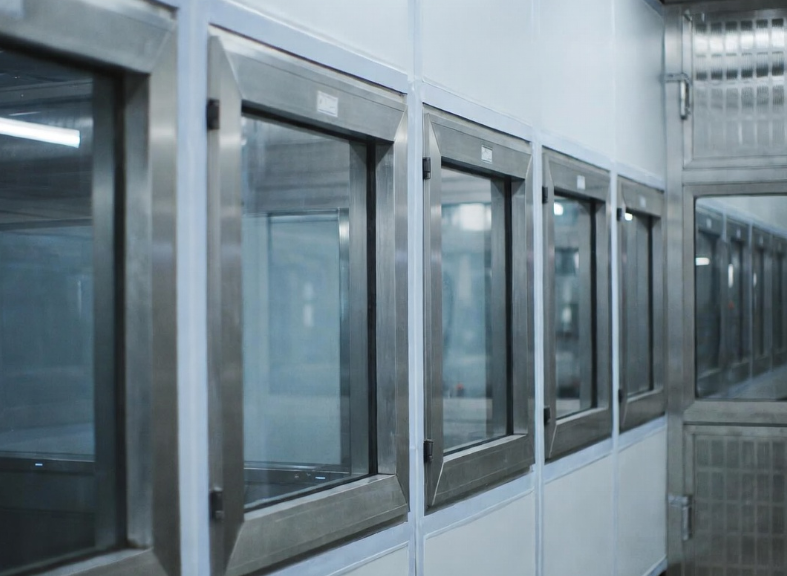
- Perfectly flush mounting — Both the glass and the frame sit completely level with the surrounding wall surface, eliminating any sills, lips, recesses, protrusions, or shadowed edges that could trap dust, allow condensation to pool, or harbor residues.
- Advanced, continuous sealing — High-performance gaskets and seals run uninterrupted around the entire frame, forming a reliable airtight barrier that stops unwanted air leakage, maintains precise room pressurization, and blocks particle transfer between clean and non-clean spaces.
- Precise fit with modular cleanroom construction — These windows are engineered to integrate exactly into factory-built wall panels, ceiling systems, and partition modules, creating smooth, hygienic joints that preserve the room's required cleanliness classification without gaps or irregularities.
- Completely fixed (non-operable) design — There are no movable parts—no opening sashes, no hinges, no cranks, no vents—nothing that could introduce air turbulence, permit particle entry, create cleaning challenges, or become a maintenance weak point.
These intentional design choices make windows essential in high-stakes settings like pharmaceutical production areas, semiconductor fabrication facilities, biotechnology laboratories, and sterile medical device manufacturing. They provide clear sightlines for monitoring work from outside the controlled zone while keeping contamination risks extremely low.
How Does Surface Clouding Develop Over Time?
One of the common changes seen in windows is surface clouding. Clear panels slowly lose transparency.
This usually happens due to:
- Repeated wiping with cleaning agents
- Fine scratches from cloths or tools
- Residue buildup from disinfectants
- Airborne particles settling on surfaces
At first, clouding may appear as a light haze. Over months, visibility drops.
Reduced clarity affects observation and communication between rooms. Staff may lean closer to see inside, increasing contact with wall surfaces.
Routine inspection helps catch this early. Gentle cleaning methods also slow the process.
Why Do Seals Begin to Fail?
Seals play a quiet but critical role. They prevent air movement between rooms and block moisture from entering wall cavities.
Over time, seals can:
- Harden
- Shrink
- Lose flexibility
- Separate from frames
This happens due to cleaning chemicals, temperature shifts, and natural material aging.
When seals weaken, small gaps appear. These gaps may not be visible at first. Air pressure balance can change. Dust may enter hidden spaces.
Seal wear is often discovered during routine checks or when condensation forms inside window layers.
What Causes Internal Fogging?
Internal fogging happens in double- or triple-pane windows (insulated glass units) when moisture somehow gets trapped inside the sealed space between the glass layers. Once that water vapor is present, it condenses into a fine mist of droplets on the inner surfaces whenever the temperature drops, producing a cloudy or hazy look that stays visible from both sides and cannot be wiped off.
The main reasons moisture ends up inside include:
- Worn-out or failed edge seals — The perimeter seals (often made of butyl rubber, silicone, or similar materials) that bond the panes together and keep the interior airtight degrade slowly over the years. UV light from the sun, repeated heating and cooling cycles, slight frame movement, or natural material breakdown cause tiny cracks or loss of adhesion, letting humid outside air creep in gradually.
- Minor flaws from the original installation — Small mistakes during manufacturing or fitting—such as uneven sealant application, misaligned glass edges, pinched or overstressed seals, or insufficient pressure during assembly—can leave microscopic openings that allow moisture entry over time.
- Extreme or repeated temperature differences — Big swings between warm, humid indoor air and cold outdoor conditions (or the reverse) place ongoing stress on the seals and glass. The panes expand and contract slightly differently with each cycle, which can fatigue the seals faster, widen micro-gaps, or pull seals away from the glass edges.
- Water forced in during cleaning or exterior maintenance — High-pressure washing, garden hoses, or heavy rain can push water into vulnerable spots around the frame—unsealed joints, weep holes that are blocked or poorly designed, glazing channels, or compromised caulking. From there, it can travel toward the insulated unit and eventually breach weakened seals.
Because the space between the panes is hermetically sealed by design, any moisture that enters has virtually no way to get back out. It simply cycles between vapor and liquid with temperature changes, creating the permanent internal fog. In worse cases, minerals from the water can leave white deposits, or mold can start growing inside the unit.
Fogging isn't just an appearance problem—it cuts down on how well you can see through the window, reduces the unit's insulating ability (allowing more heat loss or gain), and is a reliable indicator that the airtight seal has failed. When the fog becomes obvious, the unit is usually considered compromised. It won't clear up by itself. In situations, the practical options are to have the insulated glass unit professionally resealed (which may only buy limited extra time) or to replace the entire glass panel to restore clear visibility, energy efficiency, and proper performance.
How Do Cleaning Practices Affect Window Lifespan?
Windows are cleaned often. This is necessary. It also creates wear.
Some common effects of long-term cleaning include:
- Micro scratches
- Surface dulling
- Edge degradation
- Chemical residue buildup
Even soft cloths can leave marks over time. Strong cleaning agents may weaken surface coatings or seal edges.
Facilities that rotate cleaning materials and train staff on gentle techniques usually see slower surface aging.
Below is a general look at how cleaning habits influence window condition:
| Cleaning Approach | Typical Long-Term Effect |
|---|---|
| Frequent dry wiping | Fine surface scratches |
| Strong chemical use | Seal fatigue |
| Inconsistent methods | Uneven wear |
| Gentle routine care | Slower visual aging |
Consistency matters more than intensity.
Why Do Frames Shift or Loosen?
Window frames are fixed into wall panels. They rely on stable building structures.
Over time, buildings move slightly. Temperature changes cause materials to expand and contract. Nearby equipment vibration may also contribute.
These small movements can :
- Frame misalignment
- Hairline gaps
- Uneven pressure on seals
Frame issues usually develop slowly. Early signs include slight shadow lines around edges or difficulty keeping surfaces flush.
Regular visual checks help identify movement before larger problems form.
How Does Daily Operation Impact Window Integrity?
Windows experience more interaction than expected.
Staff lean on walls. Carts bump panels. Doors nearby create pressure waves. These small impacts add up.
Repeated contact can cause:
- Edge stress
- Minor frame shifts
- Seal compression
Windows located near traffic paths tend to show wear earlier than those in quiet zones.
Planning layouts to limit contact helps extend window life.
What Happens When Installation Tolerances Are Overlooked?
Proper installation is one of the biggest determinants of how long and how well windows actually perform. High-quality windows can still fail prematurely if they are not placed with exacting care, level alignment, even support, and the right clearances.
When installers cut corners on tolerances—such as leaving uneven gaps around the frame in the rough opening, skimping on shims, using too few or wrong fasteners, failing to check plumb and level thoroughly, or omitting required expansion space—hidden stresses start building right away. The window often feels solid and operates smoothly at first, masking the problem for months or even a couple of years.
Over time, those neglected details typically show up as:
- Frame twisting or warping — The frame gradually distorts under uneven pressure from the surrounding structure. This leads to sashes that bind, stick, or become hard to open and close, along with visible misalignment at corners, miters pulling apart, or the whole unit appearing slightly out of square.
- Seal failure and separation — Continuous mechanical stress pulls glazing seals, insulated-glass edge seals, or perimeter weatherstripping away from their original contact points. Gaps form, allowing more air leakage, easier water entry during rain or condensation, and a noticeable drop in the window's insulating ability.
- Glass stress cracks near the edges — Especially in larger panes or insulated units, cracks begin to appear close to the corners or along the edges where tension is highest. These start small but follow the lines of stress created by frame movement, and they usually lengthen slowly over time.
A large number of window complaints that surface during homeowner inspections, warranty service visits, or energy performance audits trace straight back to installation shortcuts: hasty shimming, skipping full level/plumb verification, inadequate anchoring, or disregarding the manufacturer's recommended clearances and fastening patterns. What feels like a quick time-saver during construction ends up costing the owner repeated repairs, drafts, water damage, higher heating and cooling bills, and a much shorter useful life for the windows.
The opposite is equally true. When installers take the time to get it right—making sure the frame is dead-level and perfectly plumb, shimming evenly at every load-bearing point, fastening securely but without crushing seals or distorting the frame, and leaving the proper expansion gaps—the window experiences balanced support and minimal ongoing stress. That attention during the initial setup prevents stress-induced failures from ever starting. It results in smoother operation, better weather resistance, energy efficiency, far fewer service calls, and significantly lower long-term costs.
Why Does Condensation Appear Around Window Edges?
Condensation near window edges often signals thermal differences between rooms.
Warm air meeting cooler surfaces creates moisture. If seals are weakened, this moisture collects inside frames.
Condensation may appear as:
- Droplets near corners
- Damp streaks below windows
- Fogging along edges
Left unchecked, moisture can affect wall materials around the window.
Maintaining balanced room conditions and healthy seals reduces this risk.
How Can Small Defects Lead to Larger Facility Concerns?
Cleanrooms rely on stable environments. Small window issues can trigger broader effects.
Examples include:
- Air leaks affecting pressure control
- Reduced visibility impacting workflow
- Moisture encouraging microbial growth in hidden spaces
- Cosmetic damage affecting inspection confidence
What starts as a cosmetic problem may evolve into an operational concern.
Early response prevents escalation.
What Inspection Points Should Facilities Monitor Regularly?
Routine checks help spot problems before they interrupt operations.
Common inspection points include:
- Surface clarity
- Seal condition
- Frame alignment
- Signs of moisture
- Edge cleanliness
Facilities often include window checks within broader wall system inspections.
Short visual reviews during regular cleaning cycles add minimal effort and deliver high value.
How Do Replacement Decisions Typically Arise?
Cleanroom windows are not replaced on fixed schedules. Decisions usually follow visible change or performance impact.
Triggers for replacement may include:
- Persistent fogging
- Seal failure
- Surface damage affecting visibility
- Frame movement beyond adjustment
Because windows integrate into wall systems, replacements are planned carefully to minimize disruption.
Some facilities keep spare units on hand to reduce downtime.
How Does Training Influence Window Condition?
Staff behavior matters.
Facilities that train cleaning crews and operators on window care often experience fewer issues.
Training topics typically include:
- Proper wiping techniques
- Avoiding edge pressure
- Recognizing early signs of wear
- Reporting small defects
Awareness creates shared responsibility across teams.
What Patterns Are Emerging Across Modern Facilities?
Across many controlled environments, similar window issues appear over time. The causes vary, but the patterns repeat.
Below is a general overview:
| Issue Type | Common Trigger | Early Sign |
|---|---|---|
| Surface clouding | Frequent cleaning | Hazy appearance |
| Seal fatigue | Chemical exposure | Edge gaps |
| Internal fog | Moisture entry | Permanent mist |
| Frame shift | Structural movement | Uneven edges |
| Condensation | Temperature difference | Damp corners |
Recognizing these patterns allows proactive maintenance.
Why Are Cleanroom Windows Receiving More Industry Attention?
As facilities grow more complex, every component matters.Windows support visibility, safety, and workflow. When they degrade, teams notice.Modern facility management places greater focus on preventive care. Windows are now part of that conversation.Rather than waiting for failure, many operations track window condition alongside filters, panels, and doors.This shift reflects a broader move toward holistic cleanroom maintenance.