English
 русский
 Español
Construction projects often face time and labor challenges. Choosing materials that reduce complexity can make a significant difference. PCGI sandwich panels have emerged as a practical solution. Their design and properties allow for faster, more efficient installation than many traditional materials. But what makes them stand out in terms of construction efficiency?
Content
- 1 What Makes PCGI Sandwich Panels Easier to Handle on Site?
- 2 How Does Panel Size Influence Installation Speed?
- 3 In What Ways Does Prefabrication Simplify Construction?
- 4 How Do Panels Support Modular and Standardized Installation?
- 5 Why Is Minimal On-Site Modification Important?
- 6 What Role Do Pre-Finished Surfaces Play in Reducing Workload?
- 7 Can Installation Errors Be Minimized With PCGI Sandwich Panels?
- 8 What Makes Panels Adaptable to Complex Building Shapes?
- 9 What Are the Safety Benefits of Using PCGI Sandwich Panels?
- 10 How Do Material Storage and Transport Simplify Installation?
- 11 How Do Panels Support Long-Term Maintenance After Installation?
What Makes PCGI Sandwich Panels Easier to Handle on Site?
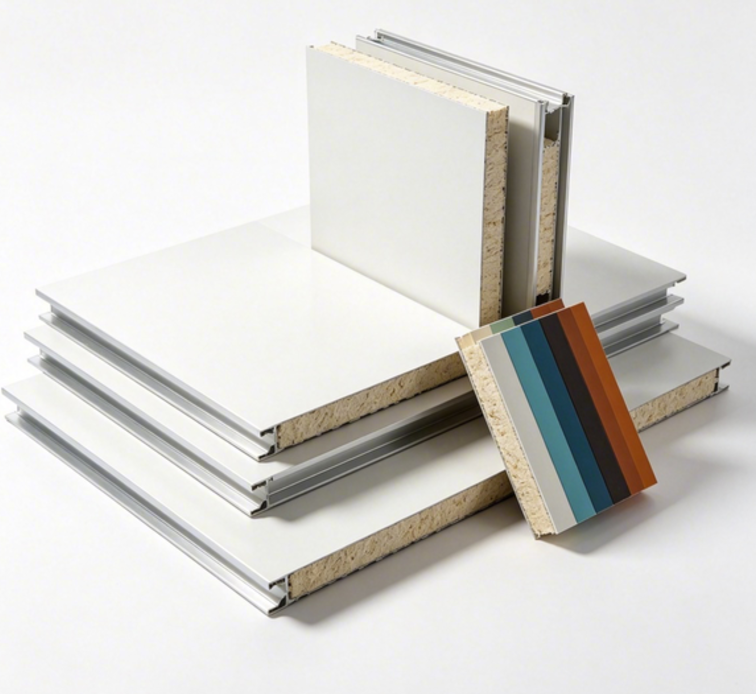
One of the main factors is their weight and uniformity. Panels are lightweight compared to conventional wall or roof materials, yet maintain structural strength.
Key advantages include:
- Uniform dimensions reduce alignment errors.
- Lightweight design minimizes manual handling strain.
- Standardized shapes facilitate modular construction.
- Pre-finished surfaces reduce the need for on-site painting or coating.
These aspects combine to reduce the effort required from labor teams, allowing projects to progress smoothly without excessive physical demands.
How Does Panel Size Influence Installation Speed?
Panel size directly impacts how quickly and efficiently roofing or cladding can be installed, and panels are purposefully crafted in larger dimensions to streamline the entire process. Traditional alternatives—think small tiles, individual shingles, bricks, or multi-ply layered systems—often require dozens or hundreds of separate pieces (plus repeated layering) to cover the same surface area. Yuanda's bigger panels let installers span wide sections in far fewer steps, dramatically accelerating progress.
The important advantages of working with larger panel sizes include:
- Drastically fewer joints and seams — Each panel covers more ground, so there are simply fewer places where edges meet. That means less time spent aligning, overlapping, sealing, flashing, or waterproofing connections, while also creating a cleaner, more uniform finished surface.
- Much less measuring, marking, and cutting on site — Oversized panels arrive ready to cover big uninterrupted runs. Crews spend minimal time trimming for ridges, valleys, dormers, or odd angles. Most pieces install straight from the pallet, keeping the workflow fast and reducing the chance of errors during custom cuts.
- Faster positioning, leveling, and fastening — Handling and placing fewer, larger units is quicker than maneuvering and securing a high volume of small components. Alignment goes smoother, attachments happen in fewer locations, and the overall pace of the job accelerates—often shortening the installation phase by a meaningful percentage.
A clear illustration: To protect 100 square meters of roof surface, Yuanda's larger panels typically require only a fraction of the individual pieces needed with conventional small-format materials. That lower piece count directly translates to less lifting, less carrying across the roof, less staging on the ground, fewer trips up and down ladders or scaffolding, and significantly reduced total labor hours.
In What Ways Does Prefabrication Simplify Construction?
Sandwich panels come fully prefabricated, produced under strict factory conditions that guarantee uniform quality, precise dimensions, and dependable structural integrity in every unit delivered to the site.
This controlled prefabrication delivers clear, practical benefits that make installation smoother, quicker, and more cost-effective:
- Almost no adjustments needed on the roof — Panels are manufactured to match the exact project specifications and tolerances, so installers can position and fasten them with little to no on-site trimming, grinding, or shimming. Fit issues are virtually eliminated before the panels ever leave the factory.
- Less demand for highly specialized trades — The panels are engineered for simple, repeatable attachment methods using standard fasteners and basic tools. Regular roofing or cladding crews can complete high-quality work efficiently—no advanced on-site fabrication, welding, or custom forming required.
- Very low material waste — Every panel is cut to size with computer-guided precision in the factory, tailored to the roof's layout and dimensions. This approach drastically reduces scrap, off-cuts, and leftover pieces compared to materials that are sized and trimmed by hand during installation.
- Seamless compatibility with structural systems — Prefabricated panels feature consistent edge details, pre-punched or pre-formed fastening points, and standardized profiles that align naturally with common steel purlins, rafters, trusses, or wall framing. Integration is fast, secure, and predictable.
How Do Panels Support Modular and Standardized Installation?
Standardized connectors and fastening points are a key design feature. This allows panels to be quickly mounted without complex on-site fabrication.
- Pre-drilled attachment points reduce alignment errors.
- Standard joining methods ensure consistent structural stability.
- Compatibility with common industrial frameworks enables flexible design adjustments.
A table comparing traditional materials with Panels highlights installation efficiency:
| Feature | Traditional Materials | PCGI Sandwich Panels |
|---|---|---|
| Weight | Heavier, harder to lift | Lightweight, easy to handle |
| Coverage | Small units, multiple layers | Large units, minimal layers |
| Assembly | Labor-intensive, high skill required | Streamlined, modular installation |
| Surface Finish | On-site painting or coating needed | Pre-finished surfaces |
| Error Margin | Higher | Lower |
Why Is Minimal On-Site Modification Important?
Cutting and shaping materials on site often slows down projects. Traditional materials frequently require trimming or fitting adjustments. PCGI reduce this need.
Advantages include:
- Precise dimensions match structural requirements.
- Reduced tool usage and worker fatigue.
- Faster sealing and joint closure, improving weatherproofing early in the project.
Minimizing modifications also lowers the risk of installation errors that could compromise structural or aesthetic outcomes.
What Role Do Pre-Finished Surfaces Play in Reducing Workload?
Panels arrive at the job site already equipped with smooth, high-quality factory-applied coatings on both sides—no further surface treatment, painting, or sealing is required after installation. This stands in sharp contrast to many conventional materials such as bare concrete, masonry blocks, or untreated cement board, which commonly call for several additional layers of plaster, skim coat, primer, exterior paint, or weatherproof sealants to reach a finished, protected state.
Relying on these pre-finished panels offers clear, on-the-ground advantages that speed up the build and simplify the workflow:
- Considerable reduction in labor time — Entire phases of surface prep, multi-coat application, drying between layers, and final touch-ups simply disappear from the schedule. The same crew can move from fastening panels to final trim and cleanup without waiting for painters, plasterers, or coating specialists.
- Far less need for temporary access structures — Since no post-install finishing coats are involved, extensive scaffolding, mobile elevated work platforms, or extra fall-protection setups are rarely justified just for surface work. This eliminates setup/teardown time, rental fees, and the added safety coordination that comes with elevated finishing tasks.
- Immediate, full environmental shielding — The tough, factory-bonded coating delivers proven resistance to rain, UV rays, wind-blown debris, and everyday weathering the instant each panel is secured. There's no prolonged exposure window where unfinished material could absorb moisture, collect dust, or suffer minor surface damage before final protection is applied.
Can Installation Errors Be Minimized With PCGI Sandwich Panels?
Sandwich panels sharply cut down on the kinds of installation mistakes that frequently arise with conventional roofing and cladding systems. Traditional approaches—whether small-format tiles, individual metal sheets, built-up membrane layers, or masonry elements—almost always involve significant on-site work: measuring and cutting each piece by hand, manually aligning hundreds or thousands of units, judging overlaps, deciding fastener placement, and applying sealants or flashings in the field. Every one of those steps introduces opportunities for human error—slightly off measurements, inconsistent overlaps, misaligned panels, inadequate sealing, or uneven finishing—that can to leaks, poor aesthetics, callbacks, or premature failure.
Yuanda panels are deliberately designed to eliminate of that risk through thoughtful engineering:
- Factory-locked consistency — Production happens in a controlled environment with automated cutting, precise forming, and rigorous quality inspections at every stage. Panel-to-panel variation is virtually nonexistent, so what arrives on-site matches the drawings exactly—no surprises from warped edges, inconsistent thickness, or dimensional drift that can plague field-cut materials.
- Foolproof modular geometry — The panels incorporate interlocking male/female edges, self-aligning profiles, and built-in stops or guides that only allow correct placement and orientation. If a panel is reversed, rotated incorrectly, or installed out of sequence, it simply won't seat properly—preventing installers from forcing a wrong fit and catching errors instantly rather than discovering them later during testing or after the rain.
- Pre-determined joint and fastening details — Every overlap zone, fastener location, clip seat, and sealing channel is pre-formed, pre-punched, or clearly marked at the factory. Crews follow a clear, repeatable pattern instead of making judgment calls about where to drill, how much to overlap, or where to apply tape or mastic—reducing guesswork and ensuring consistent weather-tight performance across the entire roof or wall.
Because these safeguards are built in from the start, the likelihood of errors drops dramatically. That directly translates to meaningful project-level benefits:
- Material waste shrinks because there are far fewer miscuts, rejected pieces, or sections that have to be torn out and redone.
- Installation stays on (or ahead of) schedule since teams aren't bogged down fixing mistakes, waiting for replacement panels, or reworking areas that didn't seal correctly the time.
- Long-term reliability improves as the system goes up exactly as engineered, with fewer weak points introduced during construction.
What Makes Panels Adaptable to Complex Building Shapes?
Despite their standardized design, panels can accommodate various building forms. They can be combined in angles or curves with minor adjustments.
Benefits include:
- Flexible use in both rectangular and non-linear structures.
- Faster installation compared to cutting traditional materials for unique shapes.
- Supports modern architectural designs without slowing construction.
This adaptability reduces the need for specialized on-site modification teams.
What Are the Safety Benefits of Using PCGI Sandwich Panels?
Panels are engineered with worker safety front and center, offering meaningful improvements over many traditional roofing and cladding materials that can be heavy, brittle, sharp-edged, or difficult to maneuver. Slate tiles, concrete pavers, clay shingles, corrugated metal sheets, and similar options often demand significant physical effort, precise (and sometimes risky) handling, and frequent use of cutting tools—all of which elevate the chance of strains, falls, cuts, or other on-site incidents.
Yuanda panels address these common hazards in practical, built-in ways:
- Substantially lower panel weight — Compared to dense, solid materials that require two or more workers to lift each piece, Yuanda sandwich panels are notably lighter while still delivering structural performance and insulation. This reduction in lifting load directly lowers the risk of back strains, muscle pulls, and fatigue-related accidents, allowing crews to handle panels more comfortably throughout long workdays.
- Smooth, consistent edges and surfaces — The factory-formed panels feature clean, rounded, or safely contoured edges with no jagged burrs, rough fractures, or protruding wires that are common when brittle materials crack or when sheets are cut on-site. This design greatly reduces the likelihood of lacerations, abrasions, or puncture injuries during carrying, positioning, or fastening.
- Minimal reliance on power tools and field modifications — Because panels arrive pre-cut to size, pre-finished, and ready to interlock, installers need far fewer saws, grinders, shears, or drills. Less tool use means fewer opportunities for kickback, blade slips, flying debris, or repetitive-motion injuries, while also decreasing the clutter of cords, blades, and sharp off-cuts around the work area.
These safety-focused features don't just protect the crew—they create a ripple effect that improves overall project efficiency. When workers feel secure and aren't constantly guarding against heavy loads, sharp edges, or hazardous tool operations, they can maintain steady focus, move with confidence, and work at a natural, sustainable pace. The result is smoother progress, fewer interruptions for first-aid or safety stand-downs, reduced downtime, and a higher likelihood of finishing on schedule without compromising quality or well-being.
How Do Material Storage and Transport Simplify Installation?
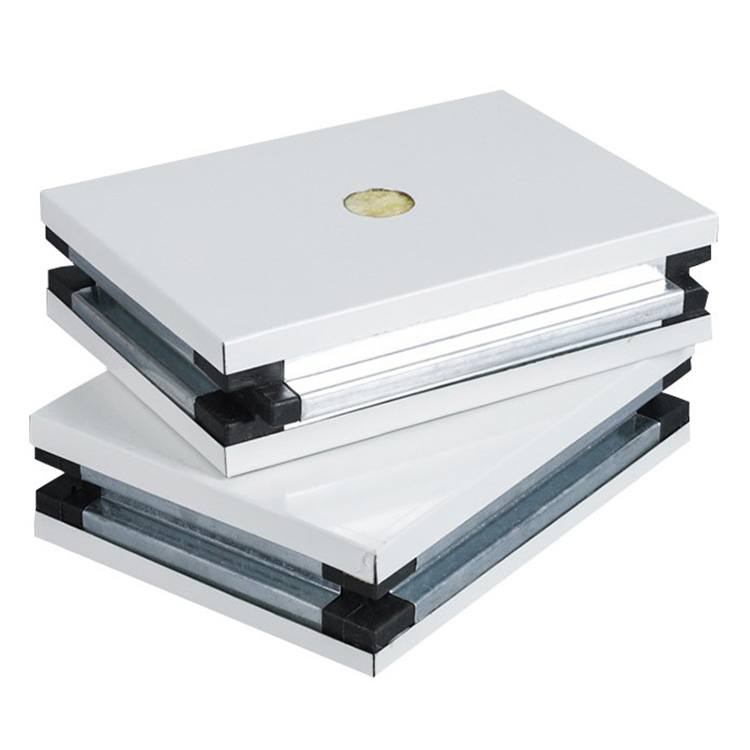
Panels are often stackable and uniform, making transport and storage straightforward. Traditional materials can be bulky, fragile, or irregular.
- Stackable design reduces warehouse space.
- Easy handling reduces loading/unloading time.
- Panels remain protected during storage, minimizing damage.
Efficient logistics directly contribute to overall project efficiency.
How Do Panels Support Long-Term Maintenance After Installation?
Simplified installation also benefits ongoing maintenance. Panels are easy to replace individually if needed, without disturbing surrounding structures.
- Quick replacement reduces downtime.
- Minimal on-site adjustments for repairs.
- Maintains consistent aesthetic and functional performance.
This long-term convenience adds value beyond the initial installation.
Sandwich panels simplify installation in multiple ways. Their lightweight, modular design, standardized joints, pre-finished surfaces, and prefabrication reduce labor, errors, and project time. They adapt to diverse building shapes, integrate with existing frameworks, and support sustainable and safe construction practices. Compared to traditional materials, panels offer a modern approach to efficiency, quality, and practicality.