English
 русский
 Español
In wall and roof construction, materials are expected to do several things at once. They should help control indoor temperature, stay stable under outdoor conditions, and fit into construction work without slowing down the process. In practice, very few materials manage to balance all of these needs in a simple way.
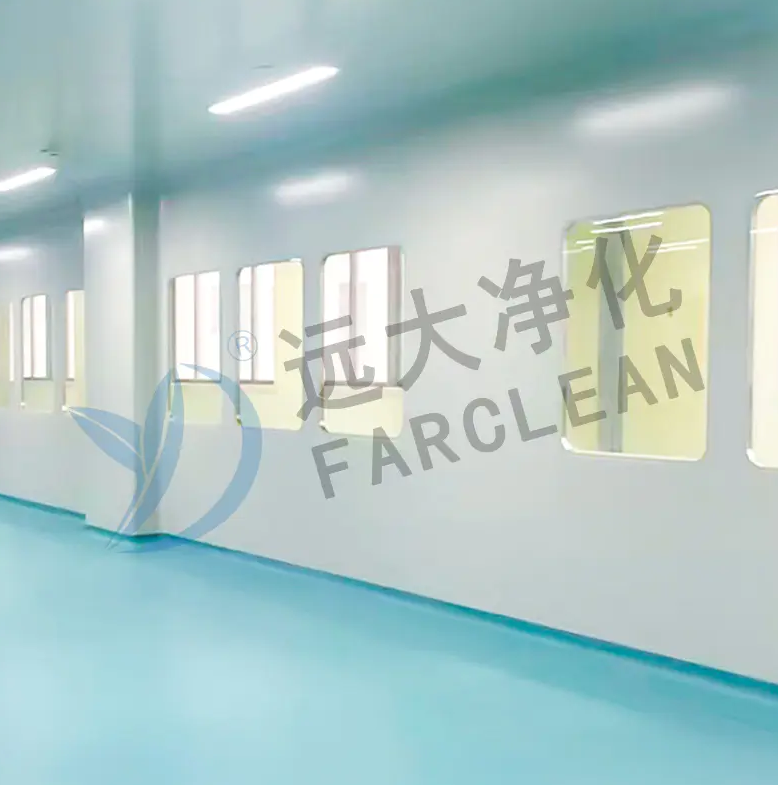
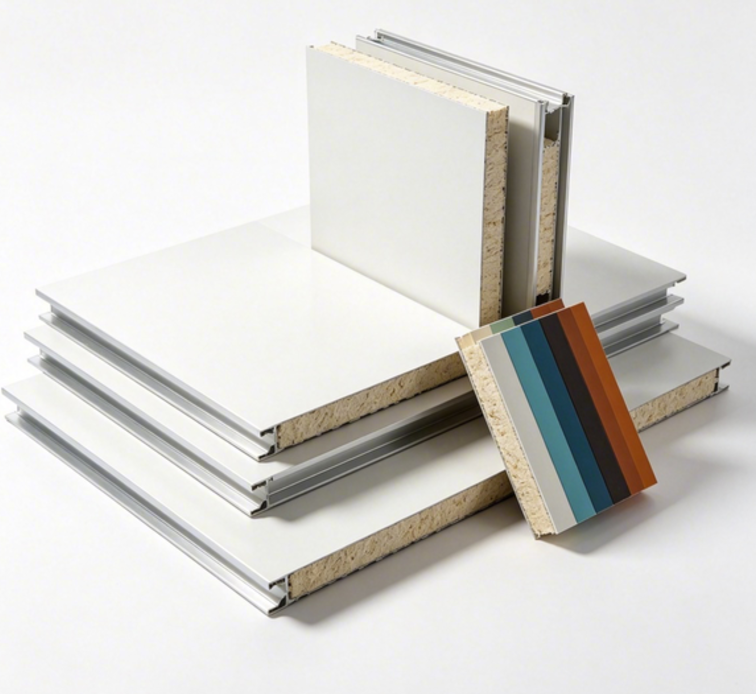
Polystyrene sandwich panels are often discussed in this context because they combine layered structure with a lightweight core. Instead of acting as a single solid block, the panel works as a system of layers. Each layer plays a slightly different role, and together they form a more balanced behavior in walls and roofs.
What matters in real projects is not just how the material looks on paper, but how it behaves once installed over large surfaces and long periods of use.
Content
- 1 Why do wall and roof systems need layered materials in the place?
- 2 How do they influence temperature behavior inside buildings?
- 3 How do they behave in roof systems exposed to direct weather?
- 4 How does installation behavior affect real construction work?
- 5 How do they support stability in large wall surfaces?
- 6 What is happening inside the panel structure during performance?
- 7 How do they influence long-term building behavior?
- 8 What makes them suitable for different building environments?
- 9 A closer look at two key advantages in practice
- 10 How do they fit into modern construction thinking?
Why do wall and roof systems need layered materials in the place?
Walls and roofs are constantly exposed to changing conditions. Sun during the day, cooling at night, wind pressure, and seasonal shifts all affect how a building performs.
A single-layer material often struggles to handle all these influences at the same time. That is where layered panels become useful.
Polystyrene sandwich panels are built in a way that separates roles:
- outer layers handle surface protection and general strength
- inner core helps slow down heat movement
- overall structure keeps the shape stable across wide areas
This division of function is simple in concept, but important in practice. Instead of forcing one material to handle everything, the load is shared across layers.
How do they influence temperature behavior inside buildings?
One of the noticeable advantages appears in how indoor spaces respond to outdoor temperature changes.
In buildings with large wall and roof surfaces, heat transfer is often the main reason indoor conditions fluctuate. When external temperature rises or falls quickly, the effect usually travels through the structure.
Sandwich panels slow this movement in a gradual way. The internal core reduces how fast heat passes through the panel. This does not completely block temperature change, but it reduces sudden shifts.
In daily use, this can be felt as:
- indoor temperature changing more slowly than outside
- less sharp difference between daytime and nighttime conditions
- more stable feeling in enclosed spaces
- reduced pressure on internal climate control systems
Over time, this stability becomes more noticeable in larger buildings where surface area plays a big role in overall comfort.
How do they behave in roof systems exposed to direct weather?
Roof systems are usually the exposed part of a building. They deal with direct sunlight, rain, wind, and continuous temperature changes. Because of this, roof materials need to remain stable even when conditions shift throughout the day.
Sandwich panels are often used in roof applications because they respond to these changes in a controlled way.
Instead of reacting sharply to external conditions, the layered structure helps smooth out the impact. Heat does not pass through instantly, and surface changes tend to happen more gradually.
In practical terms, this leads to:
- slower heat transfer into the interior space
- more consistent surface behavior across the roof
- reduced feeling of sudden temperature spikes indoors
- stable performance during long exposure periods
Roof performance is not only about strength. It is also about how evenly the surface handles changing conditions over time.
How does installation behavior affect real construction work?
Construction work is rarely about material properties alone. How a material behaves during installation can change the pace and coordination of an entire project.
Sandwich panels are often used because they fit into a relatively straightforward installation flow. They combine structure and insulation into a single panel, which reduces the need to layer multiple materials separately.
In real site conditions, this often means:
- fewer separate handling steps during assembly
- easier alignment across wall sections
- smoother progression in roof installation
- less complexity when coordinating different construction teams
The panels are usually handled as larger units, which changes how work is organized on site. Instead of assembling many small layers, installation focuses more on positioning and connection.
This does not remove the need for planning, but it simplifies the physical sequence of work.
How do they support stability in large wall surfaces?
In wall systems, consistency across large areas is important. Small differences between sections can become visible when repeated across wide surfaces.
Sandwich panels help reduce this issue by maintaining a uniform structure across each panel. When installed side by side, they tend to behave in a similar way under normal conditions.
In practice, this can result in:
- even surface appearance across long wall sections
- reduced visible variation between panels
- stable alignment over extended areas
- predictable behavior under environmental changes
Walls are not just structural elements. They also define how a building feels visually and functionally over time. Consistency plays a quiet but important role here.
What is happening inside the panel structure during performance?
To understand why these panels behave the way they do, it helps to look at how the structure works in a simple way.
The outer layers are relatively firm and help maintain shape. They also act as the point of contact with external conditions. The inner core behaves differently. It is lighter and plays a role in slowing down movement through the panel.
This combination creates a layered response rather than a single reaction.
When temperature or environmental pressure changes:
- outer layers respond first
- inner core slows down the transfer of change
- overall system reacts in a more gradual pattern
This is why the effect feels less sudden inside the building.
How do they influence long-term building behavior?
A building's real value can't be judged solely right after construction wraps up; how it holds up year after year carries equal weight for owners and builders alike.
Sandwich panels deliver dependable, predictable performance once installed on exterior walls and roof assemblies. Unlike some alternative construction boards that degrade fast, these panels experience slow, foreseeable property changes under regular natural surroundings.
Such reliable long-term performance shows through multiple practical aspects:
- Outer wall finishes stay uniform and intact through years of service
- Heat insulation works steadily as temperatures swing between summer and winter
- Roof and wall assembly performance keeps steady with minimal abnormal deviation
- Material properties remain consistent after going through countless seasonal weather cycles
Stable long-term performance never implies zero aging whatsoever. It only means all material alterations progress slowly within a controllable range, avoiding abrupt functional drops that compromise the whole building envelope.
What makes them suitable for different building environments?
Different buildings have different needs. A storage facility does not behave like a residential structure. A large open space reacts differently from a smaller enclosed one.
Sandwich panels are used across these environments because their behavior remains relatively consistent across different conditions.
They tend to adapt in a practical sense:
- suitable for both wall and roof applications
- stable across varying outdoor conditions
- usable in large or modular structures
- consistent in repeated installation patterns
This flexibility is less about complexity and more about predictable performance across different situations.
A closer look at two key advantages in practice
Instead of listing many features, it is often more useful to focus on how a few important advantages actually appear in real use.
1. Temperature stability across large surfaces
In many buildings, temperature control is not about one point, but about how a whole surface behaves together. When walls and roofs respond unevenly, indoor comfort becomes harder to maintain.
Sandwich panels help reduce this imbalance. Their layered structure slows down heat transfer in a consistent way across installed sections. This makes temperature changes feel more even inside the building, especially in larger spaces where surface area is significant.
2. Predictable behavior during long-term use
Another practical advantage appears over time. Some materials change behavior more noticeably as they age or are exposed to repeated environmental cycles. These changes can find to uneven performance across different parts of a building.
Polystyrene sandwich panels tend to show a more gradual pattern. Their response to external conditions does not shift sharply from one stage to another. Instead, changes happen slowly and remain relatively consistent across the system.
This makes it easier to anticipate how the building will behave over longer periods, especially in wall and roof applications that are exposed continuously.
How do they fit into modern construction thinking?
Modern construction often focuses on efficiency, stability, and controlled performance. Materials are expected to reduce complexity rather than add it.
Polystyrene sandwich panels fit into this approach by combining multiple roles into one structure. Instead of separating insulation and surface layers, they integrate these functions into a single panel system.
In wall and roof applications, this approach supports:
- more straightforward construction sequences
- consistent behavior across large areas
- balanced thermal response
- predictable long-term performance patterns
Their value is not based on one standout feature, but on how several small behaviors work together in practical use.