English
 русский
 Español
In construction material supply chains, sandwich panels are often handled through distributors rather than direct factory contact. This layer between production and project use plays a quiet but important role. The distributor sandwich panel influences not only availability, but also consistency, communication, and delivery timing.
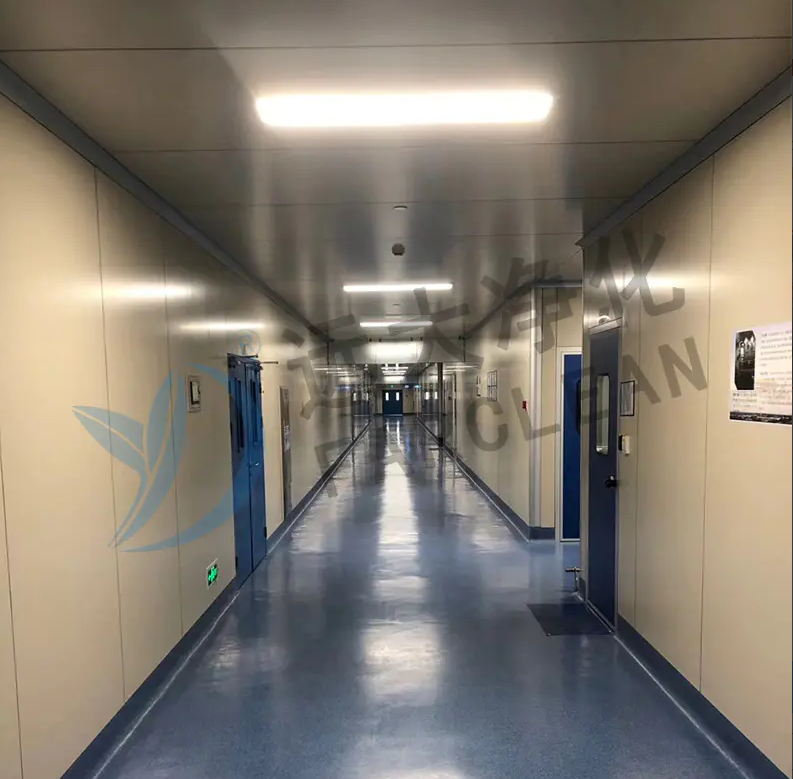
On many projects, material performance is discussed in detail. Yet the distribution side is sometimes overlooked. In practice, the choice of distributor can shape how smoothly a project moves from planning to installation.
Content
- 1 Why does the distributor matter in sandwich panel projects?
- 2 How can supply consistency be evaluated?
- 3 What role does communication play in distributor reliability?
- 4 How does inventory behavior affect project planning?
- 5 What should be checked in material handling practices?
- 6 How do distributors influence project timing?
- 7 What makes technical support from distributors important?
- 8 How can project requirements be matched with distributor capability?
- 9 What signals indicate a reliable distribution partner?
- 10 How does distributor selection affect long-term project flow?
Why does the distributor matter in sandwich panel projects?
A sandwich panel is not only a product. It is part of a system that needs to arrive in the right condition, at the right time, and in the right format for installation.
When the distributor is well organized, the process tends to feel stable:
- materials arrive in consistent condition
- communication between buyer and supply side stays clear
- delivery timing aligns with construction stages
- unexpected delays are less frequent
When the distribution side is less coordinated, small issues begin to appear. These are often not dramatic, but they affect workflow:
- partial or inconsistent shipments
- unclear scheduling updates
- mismatched product batches
- adjustment needed on site due to variation
The distributor sits between production and application. That position makes their role more practical than it may appear.
How can supply consistency be evaluated?
One of the important aspects in choosing a distributor is how consistently they can supply materials over time.
Consistency is not only about having stock available. It is also about maintaining similar product behavior across different deliveries.
A simple way to think about it is through repeatability:
- does each delivery match the previous one in appearance and structure
- are materials coming from a stable supply channel
- is packaging and handling consistent during transport
- do project teams report differences between batches
In real projects, inconsistency often shows up gradually. The delivery may seem fine. Differences appear only after multiple shipments are used together.
What role does communication play in distributor reliability?
In construction projects, timing is often as important as material quality. Communication becomes the link that holds planning and delivery together.
A reliable distributor usually communicates in a clear and steady way:
- updates are shared without long gaps
- changes in availability are reported early
- delivery expectations are realistic rather than vague
- questions from the project side are answered directly
When communication is weak, small misunderstandings can grow into larger scheduling issues. For example, a slight delay that is not clearly explained can affect multiple construction steps.
In many cases, the difference between smooth progress and repeated adjustment comes down to how information is handled, not only how materials are supplied.
How does inventory behavior affect project planning?
Inventory is not just about storage. It reflects how prepared a distributor is for ongoing demand.
A stable distributor usually manages inventory in a way that supports continuous flow:
- common panel types are available without long waiting periods
- supply does not fluctuate heavily between periods
- restocking follows a predictable rhythm
- project orders can be matched without frequent redesign of schedules
When inventory is unstable, planning becomes more reactive. Instead of following a schedule, projects begin to adjust around material availability.
This can find to small but repeated changes in installation timing, which affects coordination on site.
What should be checked in material handling practices?
Even when panels come from a consistent production source, handling during storage and transport can influence final condition.
Handling practices often affect:
- surface condition during arrival
- edge alignment after transport
- packaging integrity on delivery
- ease of unloading and staging on site
A careful distributor usually pays attention to how materials move through each stage after production. This includes storage organization, loading methods, and protection during transit.
In real construction use, handling differences may not be obvious at glance. But they become noticeable during installation, especially when multiple batches are used together.
How do distributors influence project timing?
Project timing is rarely fixed in isolation. It depends on how smoothly materials move through the supply chain.
A distributor's timing performance can affect:
- when installation teams can begin work
- how different construction stages overlap
- whether idle time appears on site
- how quickly adjustments can be made during changes
In some cases, delays are not caused by lack of materials, but by uneven delivery rhythm. Materials may arrive, but not in the sequence needed for installation flow.
When timing is well managed, the construction process feels more continuous. Teams can plan ahead with fewer interruptions.
What makes technical support from distributors important?
Even though distributors are not always part of design work, they often serve as a practical link between material behavior and project use.
Support from a distributor may include:
- clarifying material selection based on application needs
- explaining differences between panel types in simple terms
- helping adjust order structure for installation stages
- providing feedback based on previous project experience
This type of support is not always formal. It often happens during communication around orders and delivery.
In real projects, this guidance can help reduce uncertainty when selecting between similar material options.
How can project requirements be matched with distributor capability?
Each project has its own rhythm. Some require fast turnaround. Others focus on long-term planning. Matching this rhythm with distributor capability is an important step.
A useful way to approach this is by observing alignment in a few areas:
| Project Need | Distributor Response |
|---|---|
| Stable schedule | predictable delivery flow |
| Large volume demand | continuous supply ability |
| phased installation | flexible shipment timing |
| material variation control | consistent product sourcing |
When alignment is strong, coordination becomes easier. When it is weak, adjustments tend to increase during execution.
What signals indicate a reliable distribution partner?
Reliability is often observed through repeated behavior rather than a single interaction. Over time, certain patterns become noticeable.
Common signals include:
- consistent response to inquiries
- stable delivery performance across multiple orders
- clear handling of unexpected changes
- minimal variation between shipments
- straightforward communication during planning
These signals are usually subtle. They are not always visible in early stages, but they become clearer as cooperation continues.
In many projects, reliability is confirmed through experience rather than initial presentation.
How does distributor selection affect long-term project flow?
Sandwich panel usage is not always a one-time purchase. Many projects involve multiple phases, extensions, or maintenance needs.
A distributor that supports long-term flow tends to:
- maintain consistent supply behavior over time
- keep records of previous orders for reference
- support repeat ordering without confusion
- adapt to phased construction needs
When this continuity exists, project teams spend less time re-evaluating basic supply conditions and more time focusing on installation and planning.
Over time, this stability becomes part of the overall efficiency of the project itself, even if it is not always directly visible on site.