English
 русский
 Español
Laboratories do not all work in the same way. A research space may have different needs from a medical preparation area. A teaching laboratory may use equipment differently from a production workspace. Even within one facility, different tasks can require different working arrangements.
This variety has increased attention on clean bench suppliers and the range of solutions they can provide.
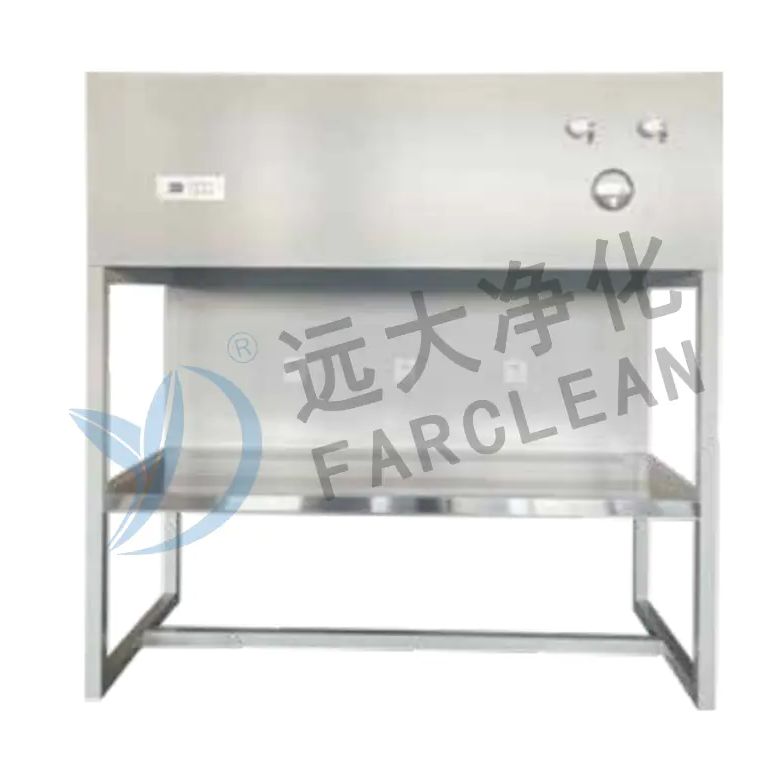
A clean bench is designed to create a controlled working area for suitable laboratory tasks. Its purpose is closely connected with filtered air and workspace cleanliness. The equipment can support work that requires a cleaner local environment, provided that the equipment and application are properly matched.
The role of suppliers goes beyond simply providing a piece of equipment. Suppliers may help customers consider workspace layout, product format, operating needs, maintenance, testing, and future changes.
This makes flexibility an important part of the current clean bench market.
Content
- 1 Why Do Controlled Work Areas Need Flexible Solutions?
- 2 What Types of Options Can Clean Bench Suppliers Provide?
- 3 How Can Suppliers Help Match a Clean Bench With Laboratory Needs?
- 4 Why Does Laboratory Layout Matter When Choosing a Clean Bench?
- 5 How Do Clean Bench Suppliers Support Different Applications?
- 6 What Makes Maintenance Part of Supplier Flexibility?
- 7 How Can Testing Support Flexible Clean Bench Use?
- 8 Why Is Operator-Friendly Design Important?
- 9 How Can Suppliers Prepare for Changing Laboratory Needs?
- 10 What Should Laboratories Consider When Comparing Clean Bench Factory ?
- 11 How Is Supplier Support Becoming Part of Clean Bench Selection?
Why Do Controlled Work Areas Need Flexible Solutions?
A controlled work area needs to fit the work being performed inside it.
The shape of the work surface matters. The position of the equipment matters. The type of materials handled inside the area matters as well.
A laboratory working with small items may have different space requirements from a workspace handling larger containers. Some users may need a compact bench for a limited area. Others may require a larger working arrangement that can accommodate more activities.
There is no single layout that works for every application.
Suppliers can respond to this situation by offering different equipment configurations and support options. Customers can then consider which arrangement fits their work area rather than trying to adapt every task to one standard setup.
Flexibility can also matter when a laboratory changes.
A workspace may be reorganized. New procedures may be introduced. Equipment may be moved. The number of users may change.
A suitable clean bench should fit the current application while leaving reasonable room for practical changes.
What Types of Options Can Clean Bench Suppliers Provide?
The available options depend on the supplier and the intended application. Some suppliers focus on particular clean bench formats, while others provide a broader selection.
The differences may involve the working area, equipment arrangement, airflow direction, access design, supporting structure, and available accessories.
| Clean Bench Consideration | Potential Benefit |
|---|---|
| Work Area Size | Helps match the bench with available workspace |
| Bench Configuration | Allows different laboratory layouts |
| Airflow Arrangement | Supports the intended working environment |
| Access Design | Influences how users interact with the work area |
| Supporting Structure | Helps integrate the bench into the laboratory |
| Optional Features | Allows users to consider application-specific needs |
| Maintenance Access | Supports routine equipment care |
| Testing Support | Helps users evaluate equipment conditions |
The purpose of having different options is not to make selection complicated.
It is to give laboratories more room to choose equipment according to actual needs.
A supplier that understands the application can help customers avoid unnecessary features. A laboratory may not need every available option. What matters is whether the equipment fits the work.
How Can Suppliers Help Match a Clean Bench With Laboratory Needs?
Equipment selection often starts with a simple question: What will happen inside the work area?
The answer can influence many later decisions.
Laboratories may need to consider the materials being handled, the number of people using the workspace, available room, cleaning practices, and the relationship between the clean bench and surrounding equipment.
A supplier can use this information to suggest suitable configurations.
This type of communication can make equipment selection more practical.
For example, a small workspace may benefit from a compact arrangement that leaves enough room for movement. A laboratory with several connected work activities may need a different layout.
The supplier should understand that the clean bench is part of the laboratory rather than an isolated product.
Several questions can help guide the discussion:
What type of work will take place inside the bench?
This helps establish the basic application.
What materials will be handled?
Material type and handling methods can influence the workspace arrangement.
How much working space is needed?
The available room should be considered alongside the work requirements.
How will operators interact with the bench?
Daily use should be comfortable and practical.
How will the equipment be cleaned and maintained?
Routine care should be considered before installation.
Will the laboratory need testing or service support?
Long-term equipment management is part of the selection process.
These questions create a clearer picture of the customer's needs.
Why Does Laboratory Layout Matter When Choosing a Clean Bench?
A clean bench does not operate separately from its surroundings.
The position of doors, walls, other equipment, worktables, and movement areas can affect how the workspace is used.
A poor layout may make routine tasks less convenient. Operators may need to move around the bench more often. Materials may have to travel farther than necessary. Cleaning may become more difficult.
A suitable supplier can help customers think about these issues before installation.
The goal is not to design the entire laboratory around the clean bench.
Instead, the equipment should fit naturally into the existing environment.
A good layout can also make daily work easier to understand. Materials have clear locations. Operators know where to perform each task. The surrounding area remains accessible for cleaning and maintenance.
This is one reason flexibility has become an important part of clean bench selection.
Different laboratories have different floor plans. A supplier needs to recognize that difference.
How Do Clean Bench Suppliers Support Different Applications?
Clean benches can be used in various controlled work environments, depending on their design and intended purpose.
Laboratory preparation is one possible application. Research activities may require another arrangement. Educational environments may have their own practical needs.
The equipment should always be selected according to the specific application.
| Application Setting | Common Considerations |
|---|---|
| Research Laboratory | Work area, product handling, workflow, and equipment integration |
| Medical Laboratory | Clean working conditions, maintenance, and operational procedures |
| Educational Laboratory | Ease of use, visibility, cleaning, and workspace organization |
| Preparation Area | Product handling, workspace access, and routine cleaning |
| Controlled Production Area | Workflow connection, repeatability, maintenance, and space |
These applications should not be treated as identical.
The same type of clean bench may not be appropriate for every activity. Some applications may require a different type of controlled environment altogether.
Suppliers therefore have an important responsibility to communicate the intended use of their equipment clearly.
Customers also need to describe their actual application honestly.
A clean bench should not be selected simply because it looks suitable. The equipment needs to match the environmental and product requirements of the work.
What Makes Maintenance Part of Supplier Flexibility?
Flexibility does not end when the equipment is installed.
Laboratory equipment needs ongoing care. Filters may need attention. Surfaces require cleaning. Components may require inspection. Testing may be needed to confirm that the equipment continues to operate as intended.
A supplier that offers maintenance support can make this process easier to manage.
Maintenance requirements should be explained clearly before the equipment is purchased. Customers need to understand what routine care involves and which tasks require qualified service personnel.
Accessibility also matters.
If important areas are difficult to reach, routine maintenance can become inconvenient. A practical design should allow appropriate access for cleaning and service.
| Maintenance Area | Why It Matters |
|---|---|
| Cleaning Access | Makes routine cleaning easier to organize |
| Filter Service | Supports ongoing filtration system care |
| Component Inspection | Helps identify changes in equipment condition |
| Testing | Provides information about operating performance |
| Service Support | Helps users address equipment concerns |
| Documentation | Keeps maintenance activities easier to track |
These services can add value to the supplier relationship.
The customer is not only purchasing equipment. The customer is also planning how that equipment will be managed over time.
How Can Testing Support Flexible Clean Bench Use?
Testing provides information about equipment condition.
A clean bench may continue to operate while certain conditions gradually change. Airflow can be affected by equipment condition, filter status, workspace arrangement, or surrounding conditions.
Testing can help identify these changes.
The specific checks depend on the equipment and application. They may include airflow, air cleanliness, filtration condition, and other relevant aspects of performance.
Suppliers may offer testing support or guidance on appropriate testing procedures.
This can be useful when a laboratory is installing a new unit, moving existing equipment, completing maintenance, or reviewing ongoing performance.
Testing should not be treated as a substitute for proper operation.
Operators still need to follow the correct procedures. The work area needs appropriate cleaning. Materials should be placed in a way that supports the intended airflow.
The supplier's role is to help the customer understand the equipment and its maintenance needs.
Why Is Operator-Friendly Design Important?
A clean bench can have many features, but daily operation still needs to be straightforward.
Laboratory workers may use the equipment for extended periods. They need to understand how to start and operate the unit. They also need to know how to keep the work area clean and organized.
An overly complicated interface can make routine work harder.
A practical design should make common actions easy to understand.
The same principle applies to cleaning.
If operators can easily reach the relevant surfaces, routine cleaning may become a more natural part of daily work. If maintenance areas are accessible, service tasks can be easier to manage.
Supplier communication also plays a role.
Installation instructions, operating guidance, cleaning information, and maintenance support can help users become familiar with the equipment.
This type of support is especially useful when several people share the same laboratory workspace.
How Can Suppliers Prepare for Changing Laboratory Needs?
Laboratory requirements can change over time.
A facility may add new equipment. A research project may change direction. A work area may be reorganized. The number of users may increase or decrease.
These changes can influence how a clean bench is used.
Suppliers that offer flexible equipment choices can give laboratories more room to respond to these changes.
That does not mean every clean bench needs to be highly adaptable.
A simpler solution may be more suitable for a stable application. A laboratory with varied activities may benefit from a configuration that can accommodate different work requirements.
The key is matching flexibility with real needs.
Suppliers can support this process by asking customers about both current and expected applications.
Useful questions include:
- Will the work change in the near future?
- Could the laboratory layout be reorganized?
- Will more than one type of product be handled?
- Does the equipment need to work alongside other laboratory systems?
- How important is easy maintenance?
- Will routine testing be required?
- Who will operate the equipment?
The answers can help narrow down suitable options.
What Should Laboratories Consider When Comparing Clean Bench Factory ?
Comparing suppliers should involve more than looking at equipment appearance.
A laboratory may want to consider product suitability, communication, testing support, maintenance, documentation, and service availability.
Price can also matter, but it should not be the only factor.
A lower purchase cost may not represent the overall cost of managing equipment over its working life. Maintenance, replacement components, training, testing, and service can all influence long-term use.
| Supplier Consideration | Question to Ask |
|---|---|
| Product Fit | Does the equipment match the intended application? |
| Configuration | Are suitable layout options available? |
| Communication | Does the supplier understand the laboratory's requirements? |
| Testing Support | Is appropriate testing guidance available? |
| Maintenance | Can routine care be managed conveniently? |
| Service | What support is available when equipment needs attention? |
| Documentation | Are operating and maintenance instructions clear? |
| Future Needs | Can the supplier support possible changes in the application? |
A supplier should also communicate the limitations of its equipment.
Clear information helps customers avoid unsuitable applications.
This is particularly important for controlled work areas. Different types of laboratory work may require different environmental controls. A clean bench should not be presented as a universal solution for every laboratory process.
Good supplier communication helps set realistic expectations.
How Is Supplier Support Becoming Part of Clean Bench Selection?
The clean bench market is increasingly connected with the broader needs of laboratory management.
Customers are not only looking for a piece of equipment. They are also considering how the equipment will fit into the workspace, how it will be operated, how it will be tested, and how it will be maintained.
This creates a broader role for suppliers.
A supplier can support the selection process by understanding the application. It can help customers compare configurations without relying on unnecessary features. It can explain maintenance requirements. It can provide appropriate documentation and service information.
This approach can make equipment selection more practical.
For laboratories, flexibility is not simply about having many products to choose from. It is about finding an arrangement that fits the work area, supports the intended application, and remains manageable throughout routine use.
Clean bench suppliers that understand these needs can help laboratories approach controlled work areas as complete working environments rather than isolated pieces of equipment.